
Cats
Feline Hyperaesthesia Syndrome
Feline hyperaesthesia syndrome (FHS) is a poorly understood condition characterised by episodes of extreme skin sensitivity, particularly along the…
Julia WrenfieldJuly 2, 2026

Cat health, behavior, and wellness tips
Feline hyperaesthesia syndrome (FHS) is a poorly understood condition characterised by episodes of extreme skin sensitivity, particularly along the…
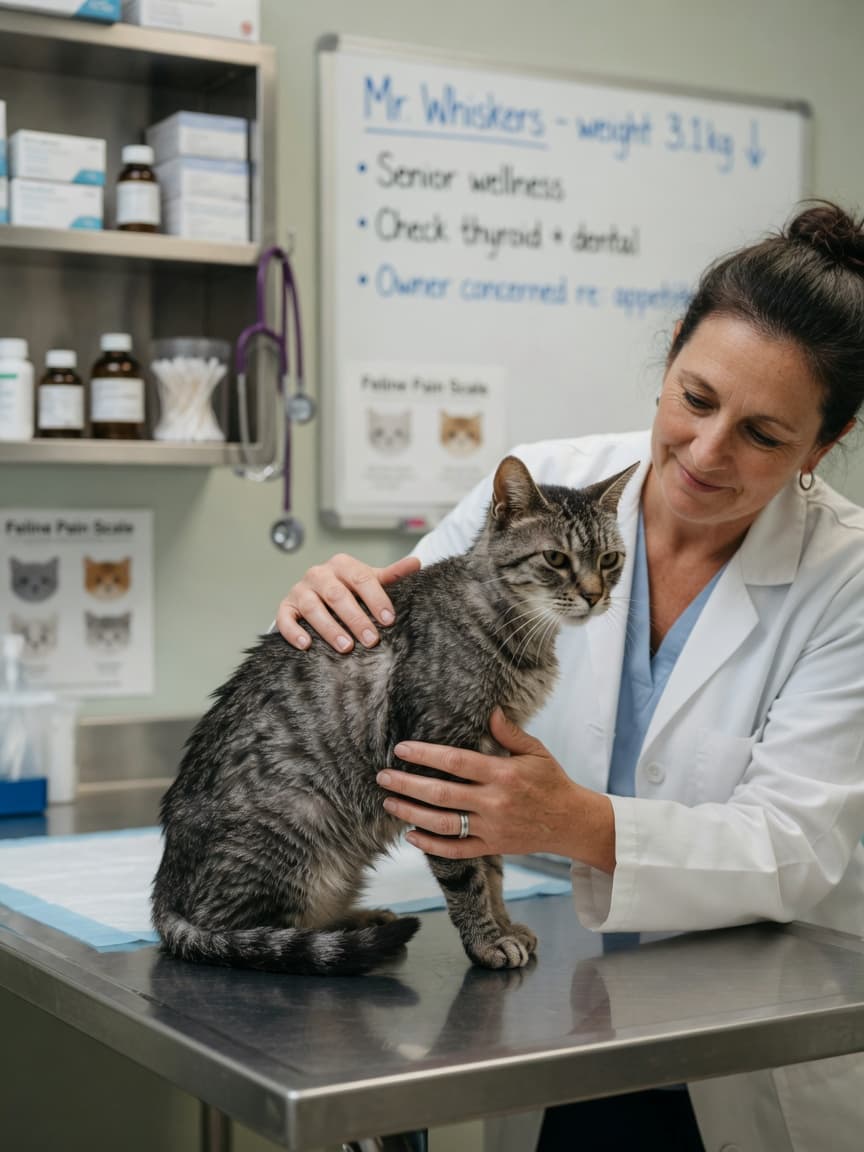
When a cat starts to lose weight, it can be deceptively easy to miss — especially in long-haired breeds where the coat masks muscle wasting. By the…
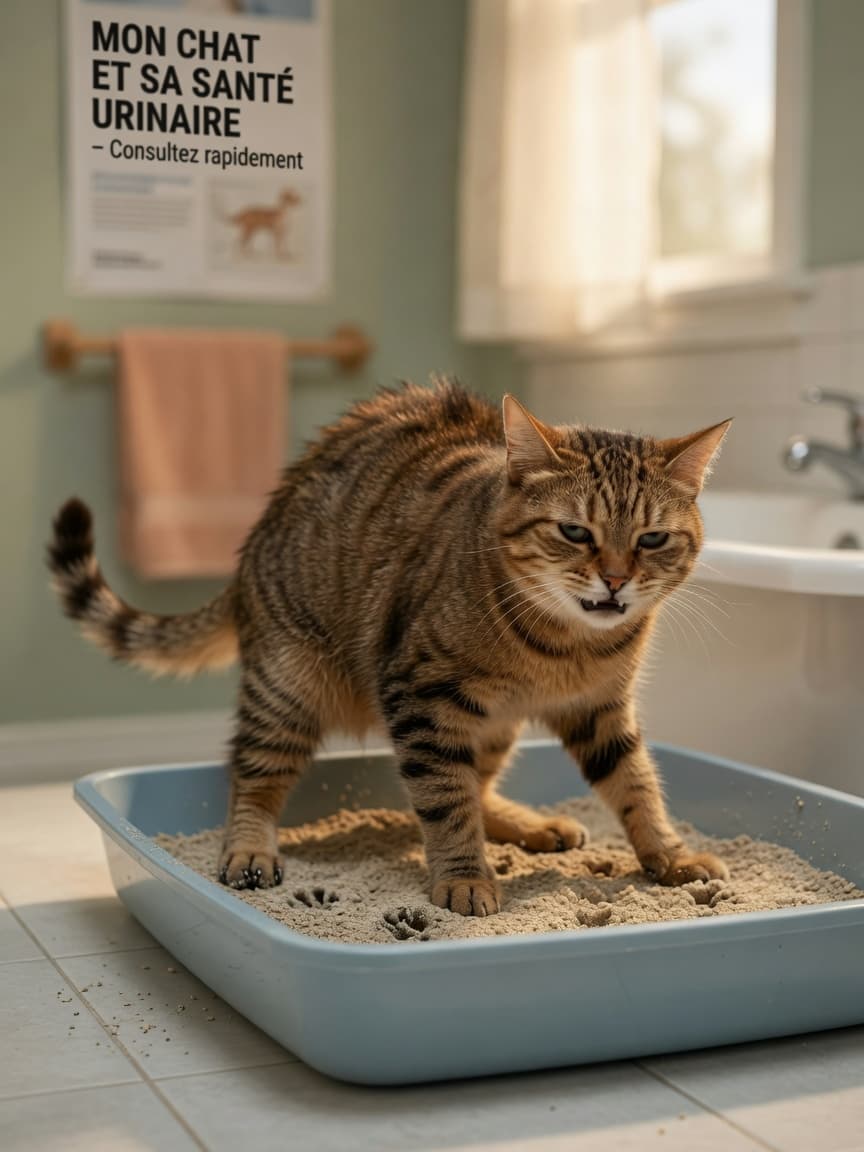
Feline lower urinary tract disease, commonly abbreviated as FLUTD, is not a single condition but rather an umbrella term covering several disorders…

Every December, warnings circulate about the deadly danger of poinsettias to household pets. The poinsettia (Euphorbia pulcherrima) has earned a…
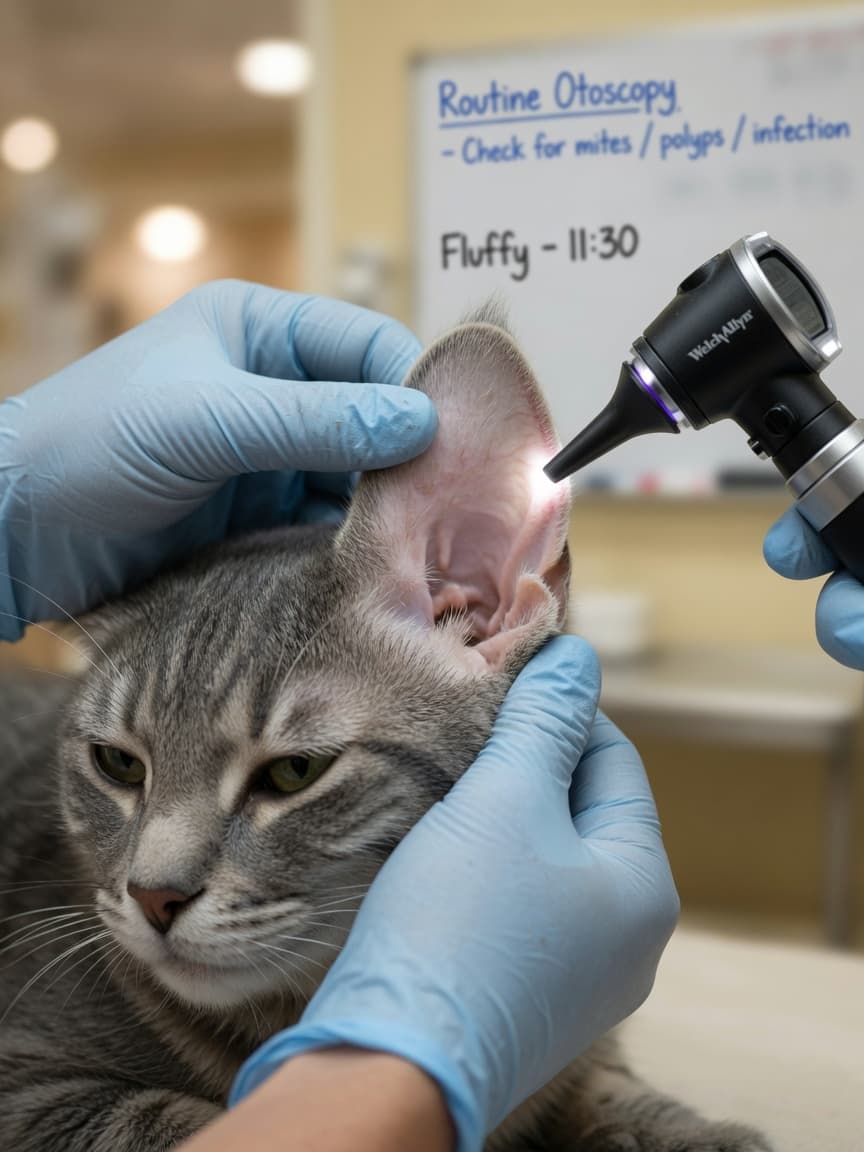
A cat that obsessively scratches its ears or shakes its head is rarely doing so without good reason. The ear canal is a warm, sheltered environment…
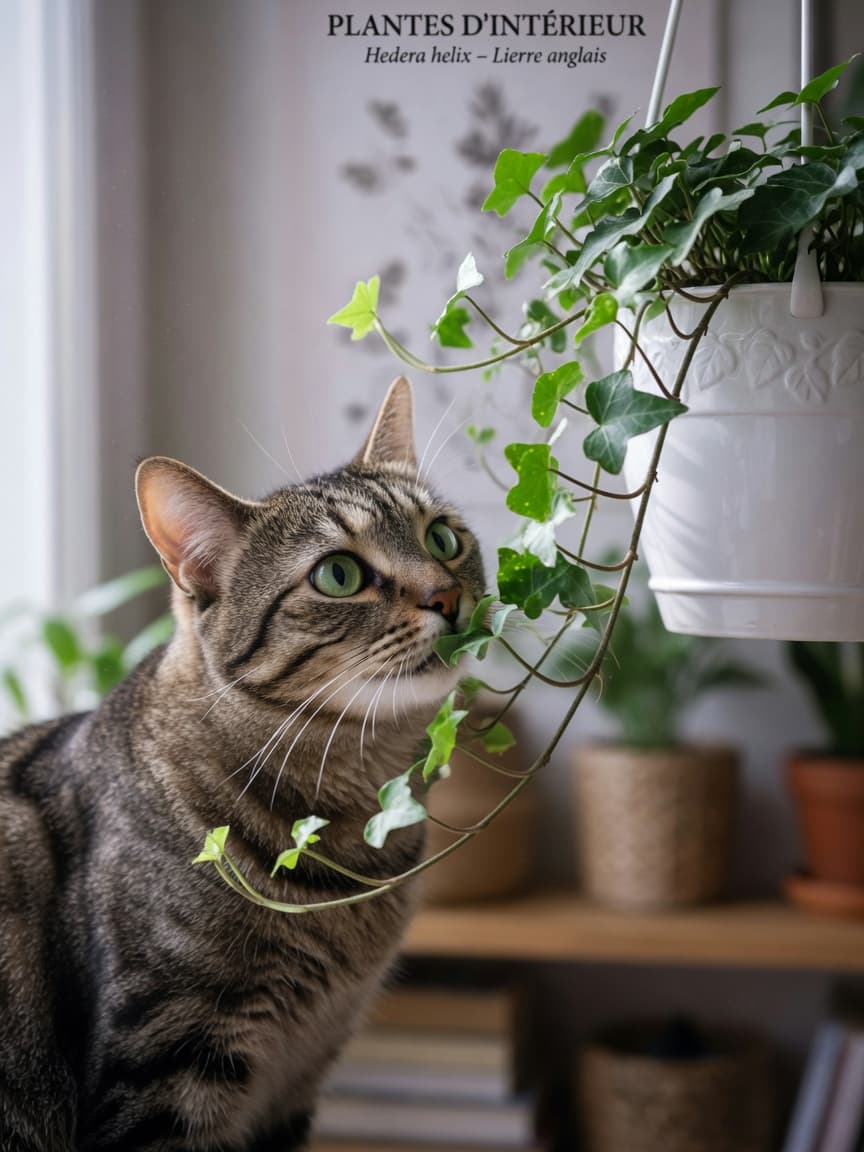
English ivy is one of the most widespread plants in the world. As a climbing garden plant, it covers fences and walls across the United States, Europe,…
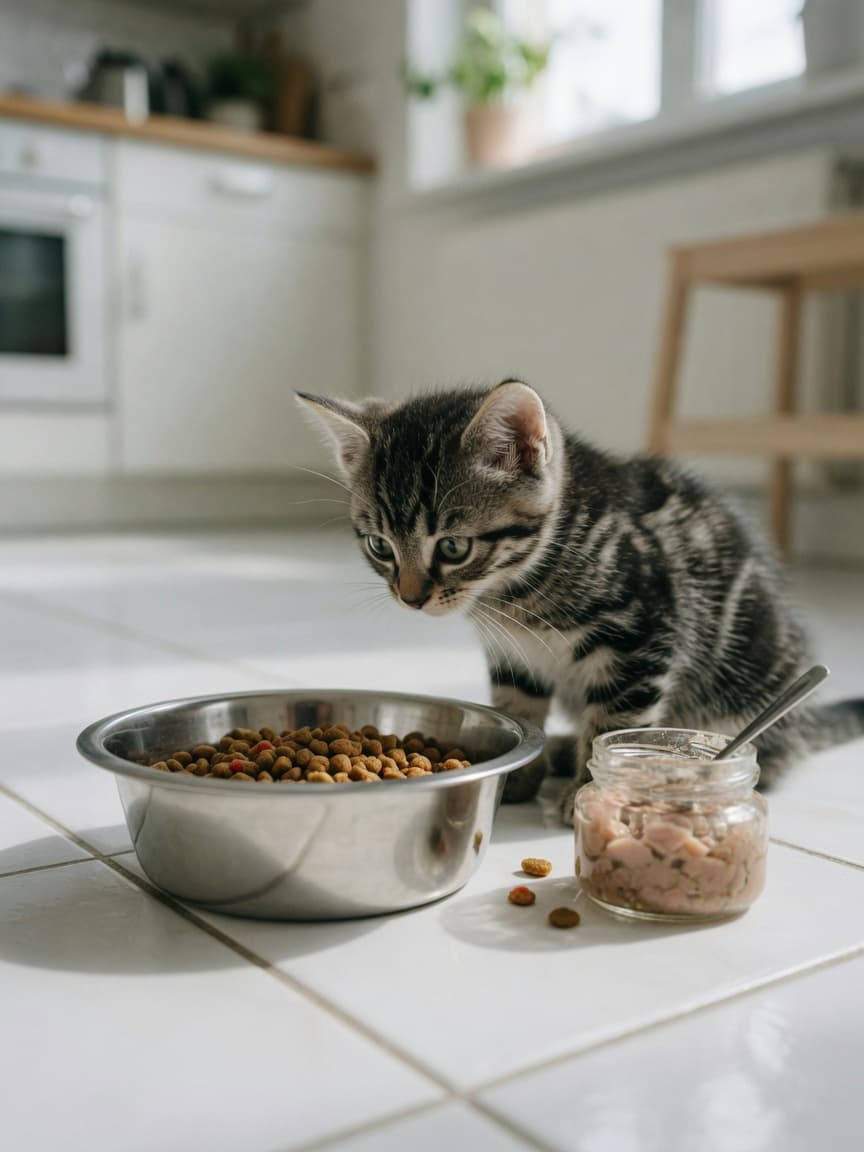
Kittens are obligate carnivores with extraordinary energy demands during growth. A kitten at 8 weeks old may need as many as 250 kcal per kilogram of…
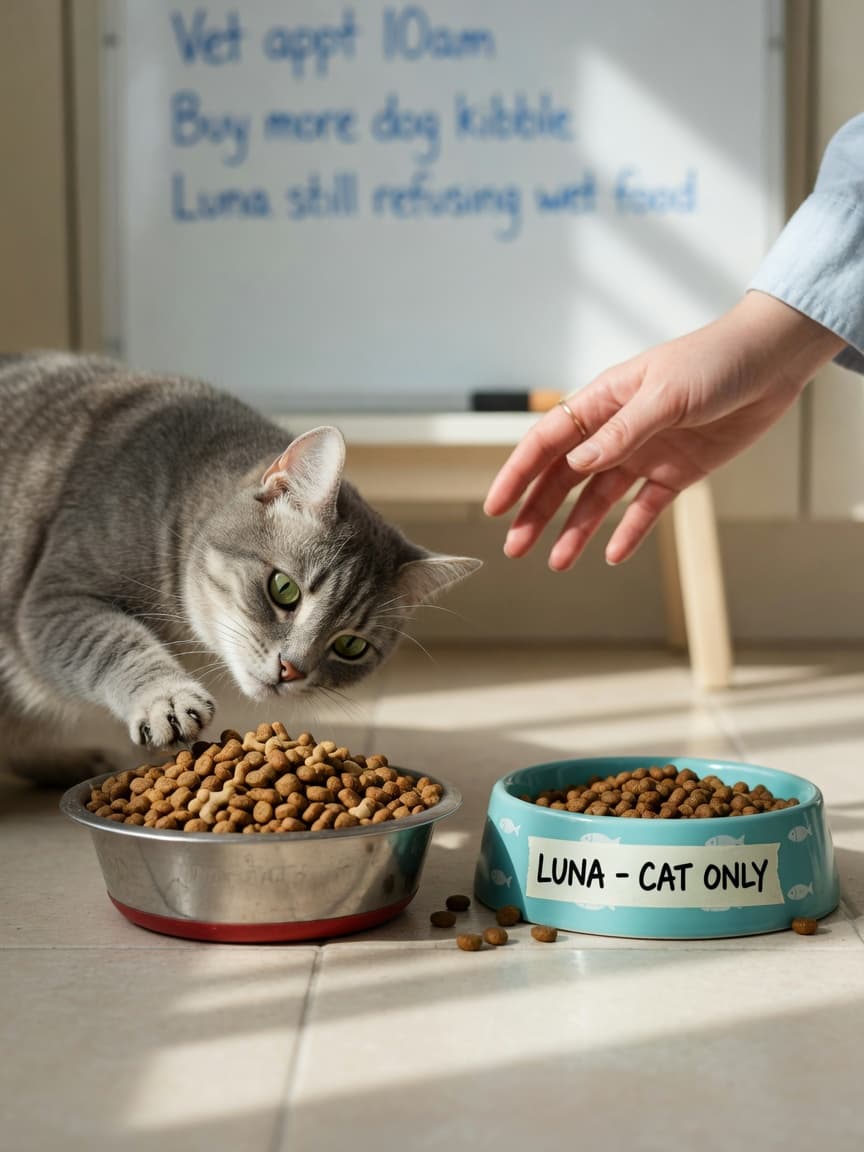
In multi-pet households, it is not unusual for cats to steal from the dog's bowl, and owners sometimes reach for dog food in a pinch when the cat food…
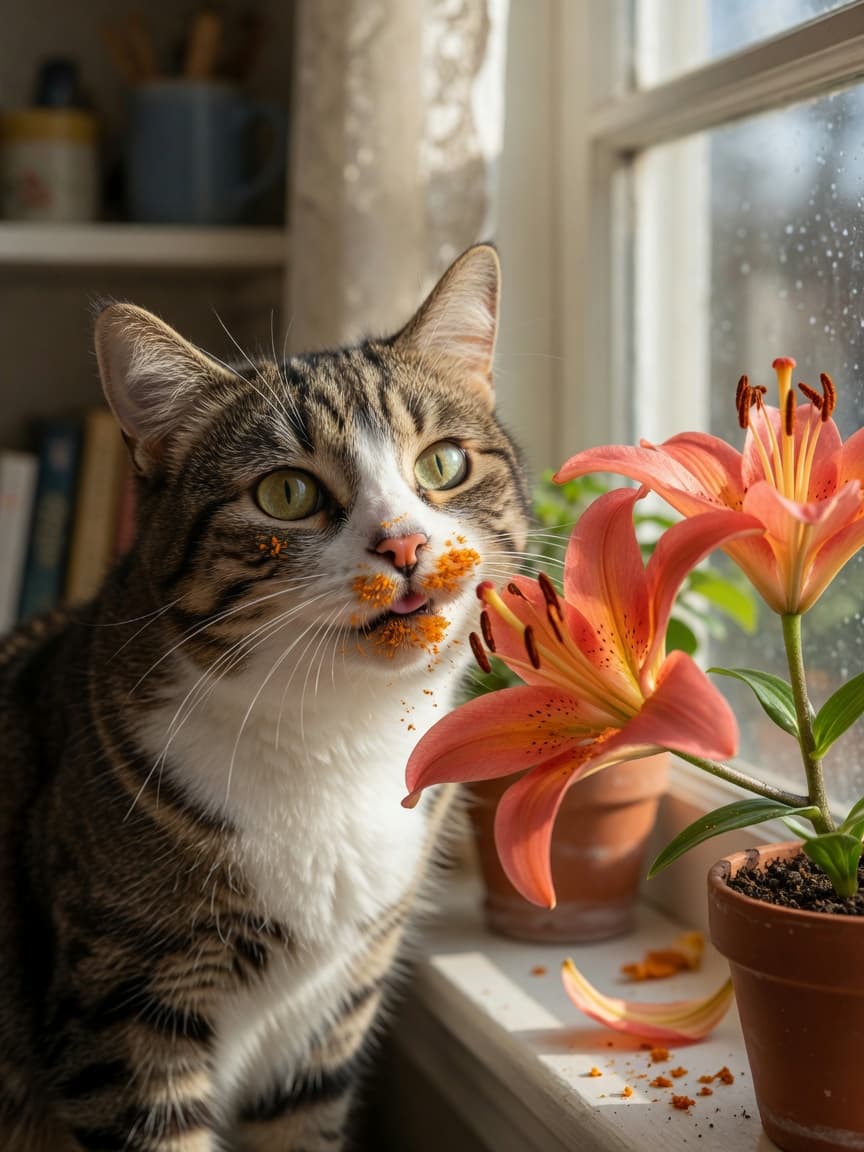
Of all the hazards a cat can encounter in a home or garden, few are as deceptive or as deadly as the common lily. Beautiful, widely available, and…
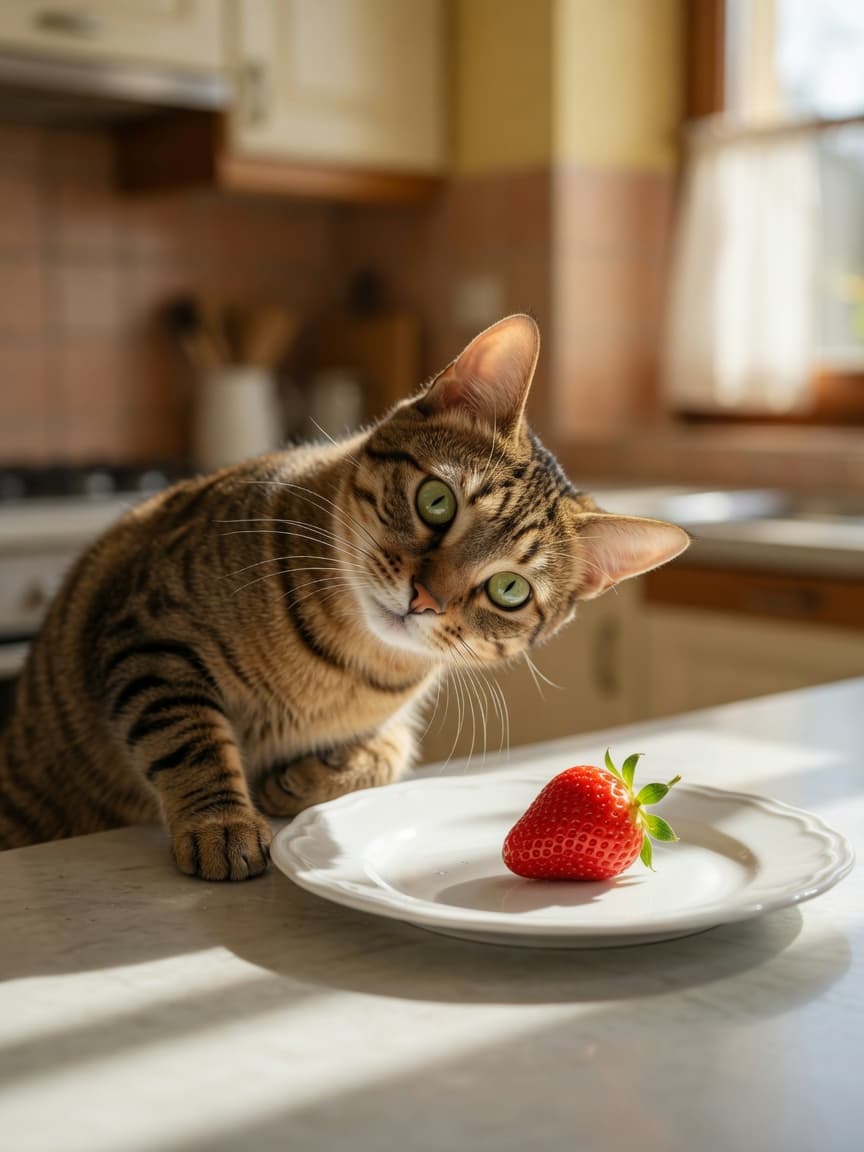
Strawberries are not classified as toxic to cats by veterinary toxicology authorities, including the ASPCA. This separates them from genuinely dangerous fruits like grapes and raisins, which can cause acute kidney failure in cats and dogs, or citrus fruits, which contain essential oils that cause di…
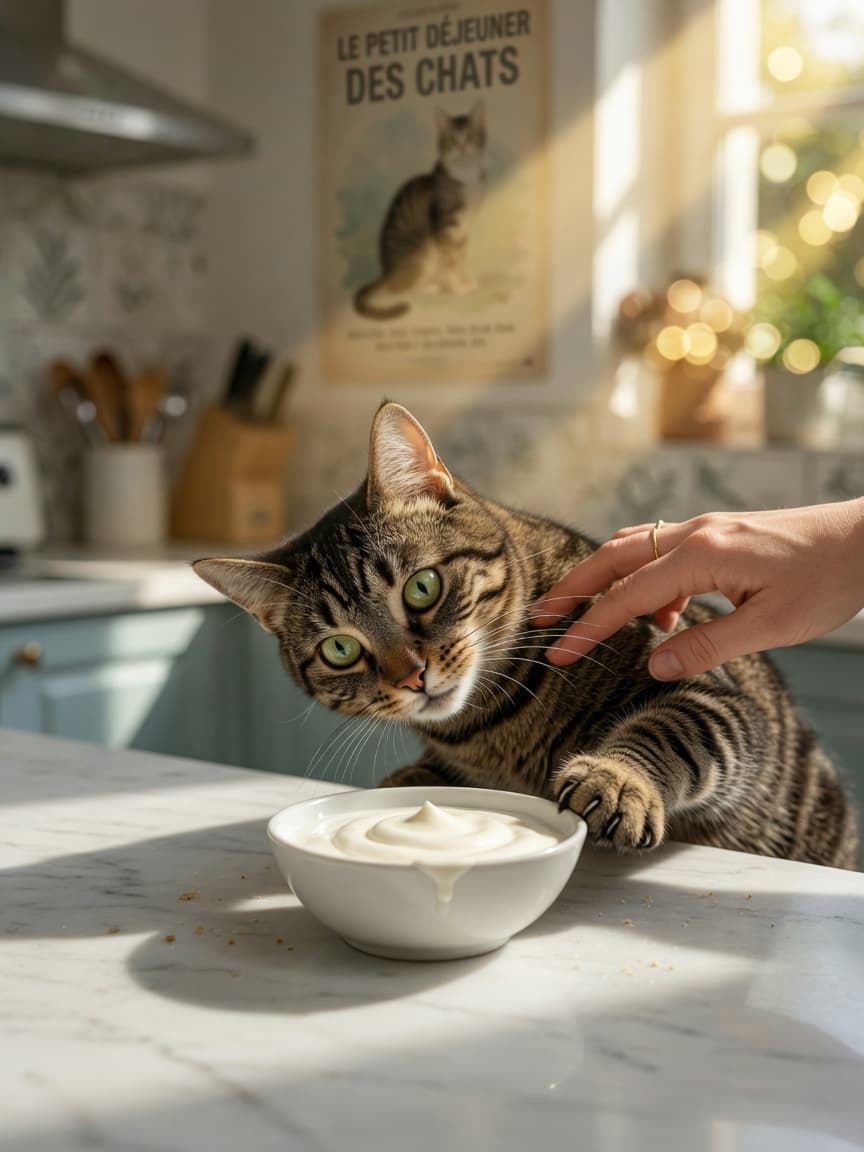
Yoghurt is not a food you should be actively feeding your cat. Adult cats are largely lactose intolerant, and while the live bacterial cultures in…
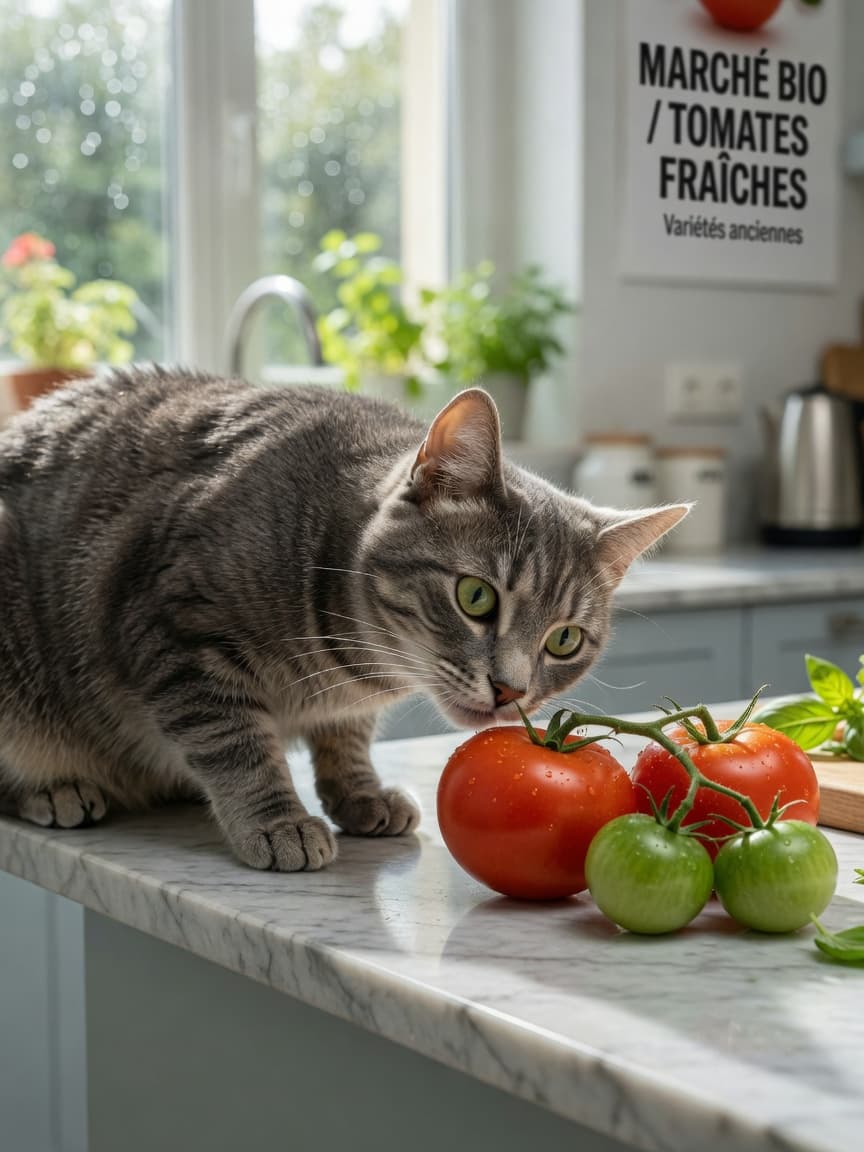
If you've ever caught your cat sniffing around your kitchen counter or garden, you may have wondered whether the tomatoes sitting there pose any…

Cats have a unique physiology that makes them more sensitive than dogs to a number of toxins, including several that are present in everyday household…
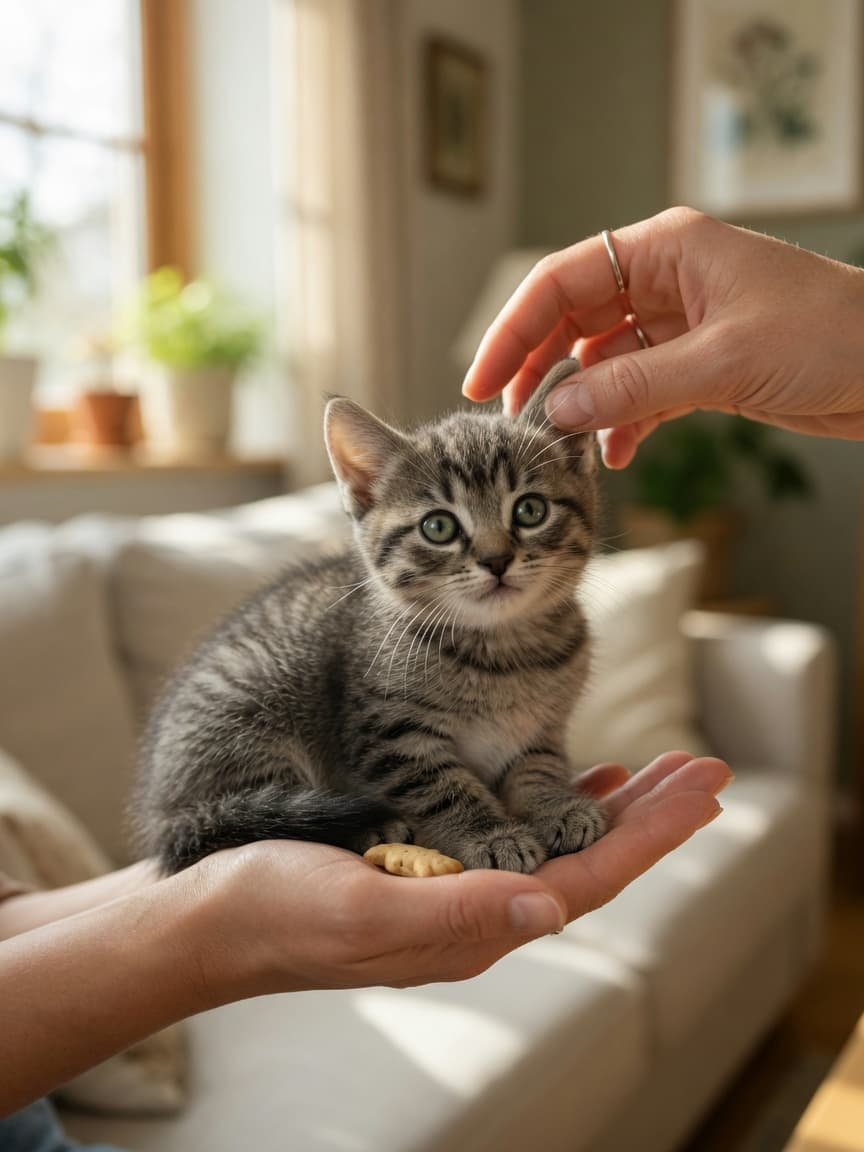
The experiences a kitten has in its first weeks of life leave an impression that lasts a lifetime. During specific developmental windows, a kitten's…
For decades, feline infectious peritonitis (FIP) was one of the most heartbreaking diagnoses a cat owner could receive. A progressive, invariably fatal…
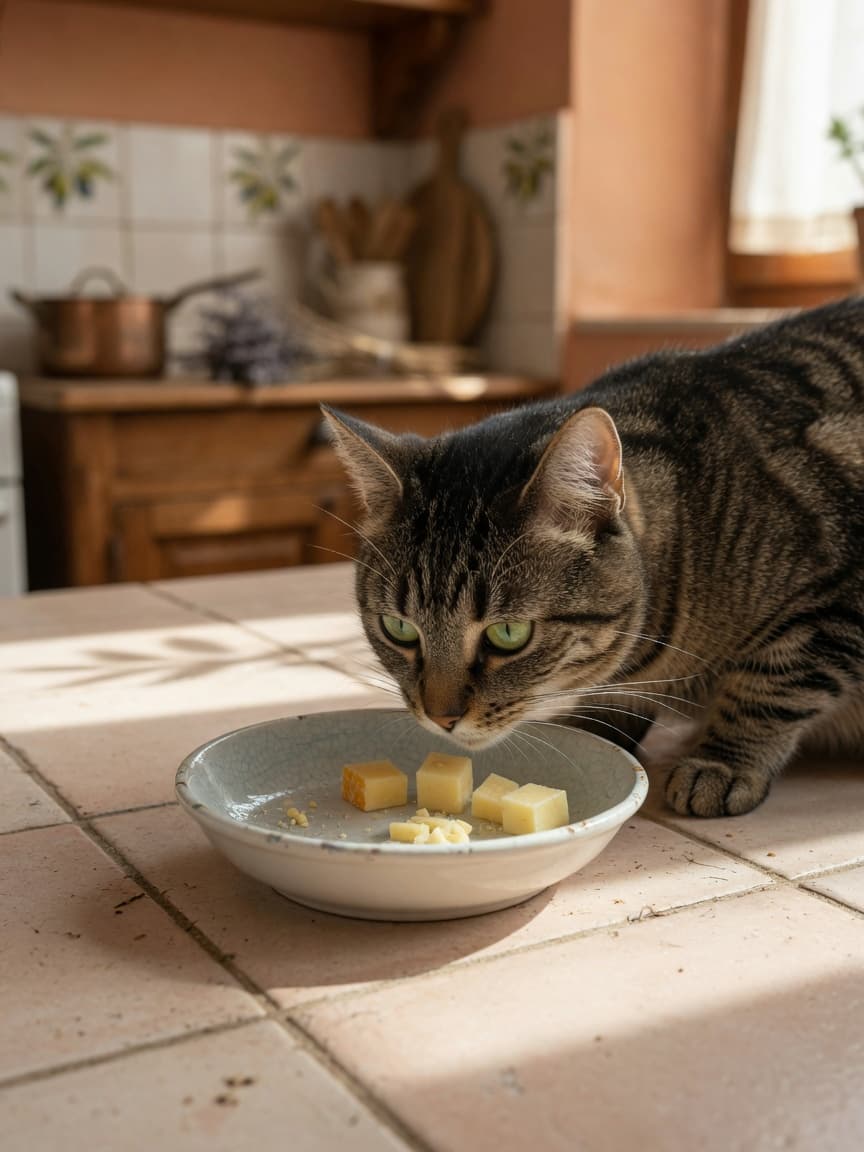
It is a question many cat owners ask when their pet shows interest in whatever is on the plate. Cheese smells strongly, which appeals to cats'…
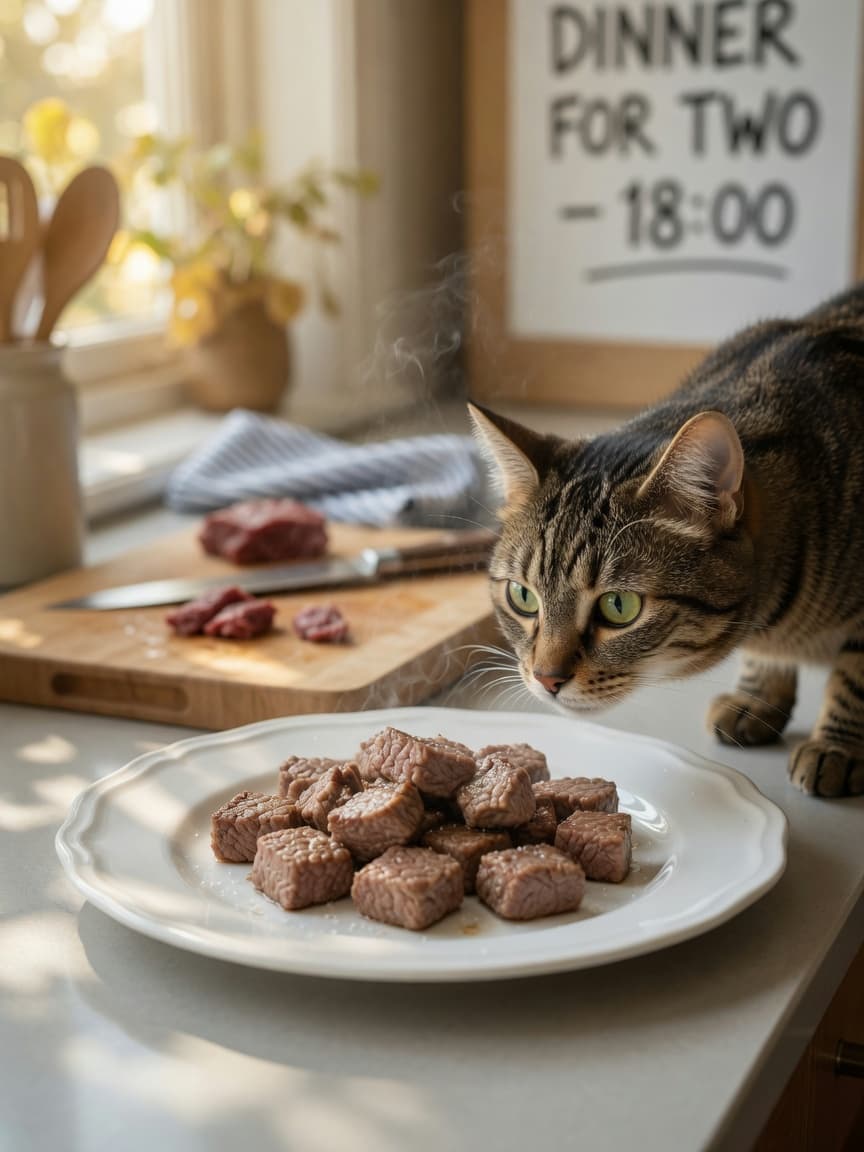
Beef is one of the most common proteins found in commercial cat food formulas, and for good reason. It is nutrient-dense, highly digestible for cats, and delivers amino acids that an obligate carnivore's metabolism is perfectly equipped to use. But there is a meaningful gap between plain cooked beef…
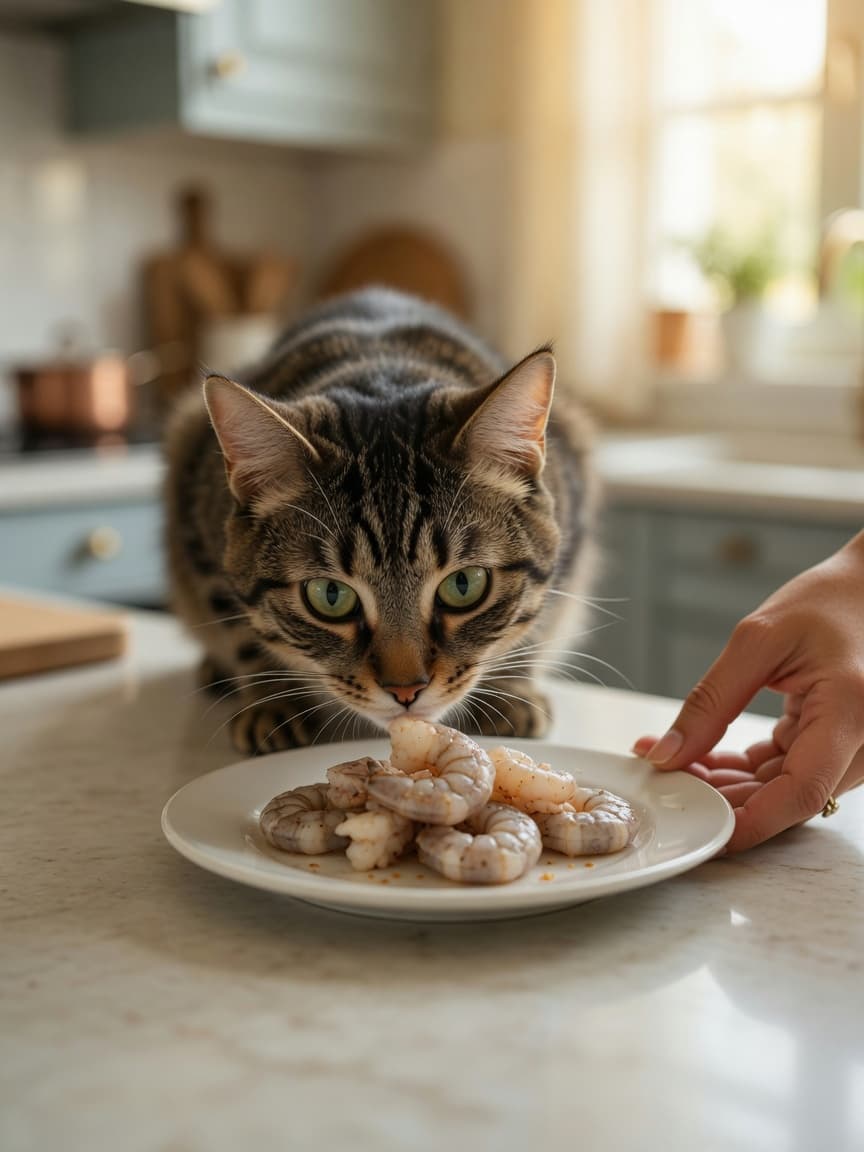
Shrimp is one of the most popular seafoods in the world, and if you have ever eaten it near your cat, you already know the reaction: ears up, eyes wide, and a very determined nudge against your elbow. But is shrimp actually safe for cats? And does it offer any real nutritional value for an obligate …

Watching a cat have an asthma attack is frightening. The hunched posture, the neck stretched forward, the laboured breathing — it can be difficult to…
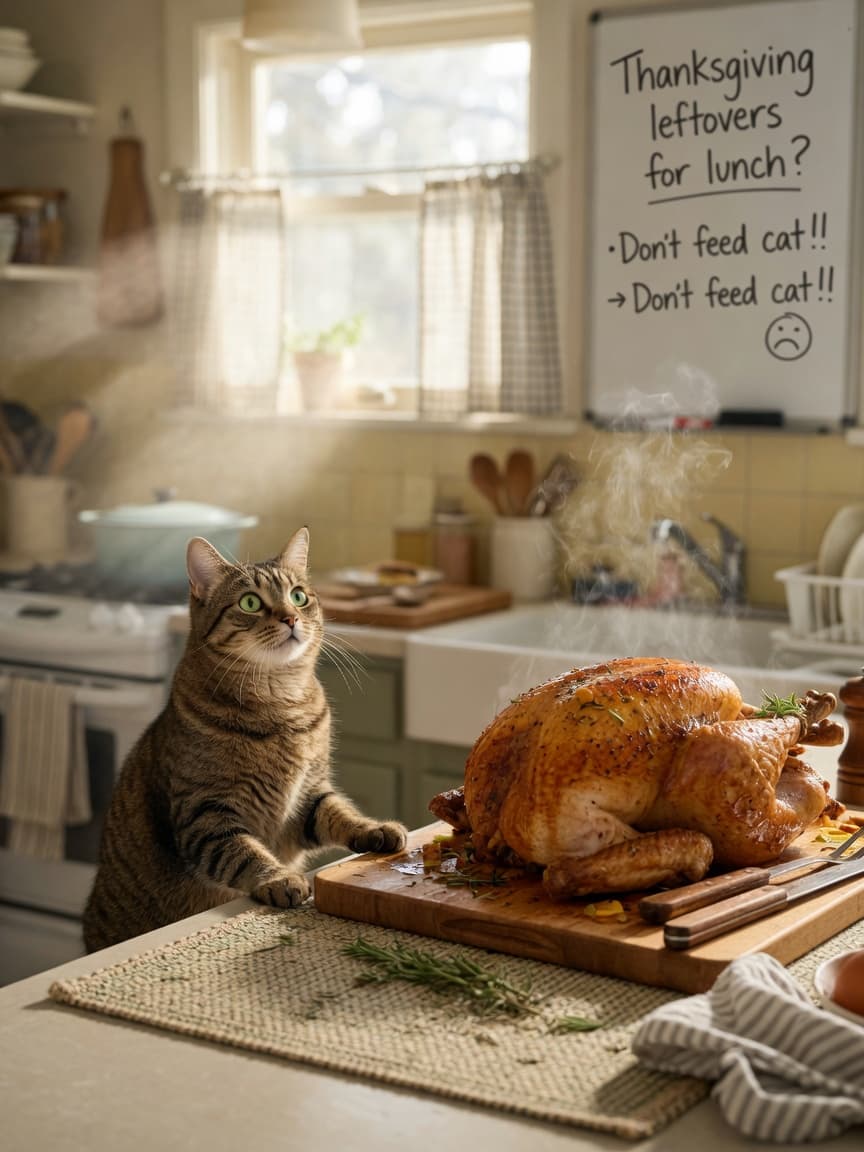
Every holiday season, millions of cat owners find themselves with a pair of curious feline eyes locked on the roasting pan. And it raises a perfectly reasonable question: can cats eat turkey? The short answer is yes — but the details around how it is prepared are what make the difference between a s…
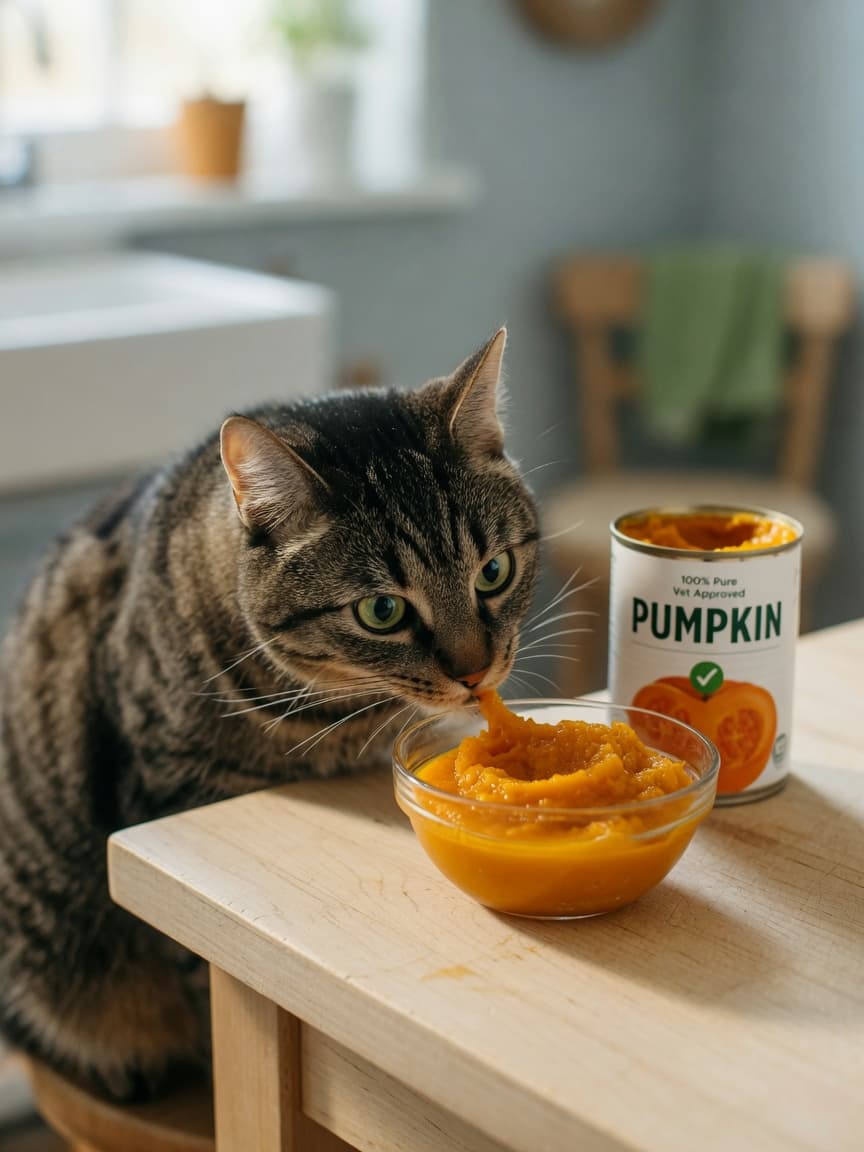
Plain cooked or canned pumpkin (not pumpkin pie filling) is one of the few plant foods that offers real, measurable benefits for cats. Rich in soluble and insoluble fiber, it supports healthy digestion, helps relieve constipation, and can reduce hairball frequency. Veterinarians routinely recommend …
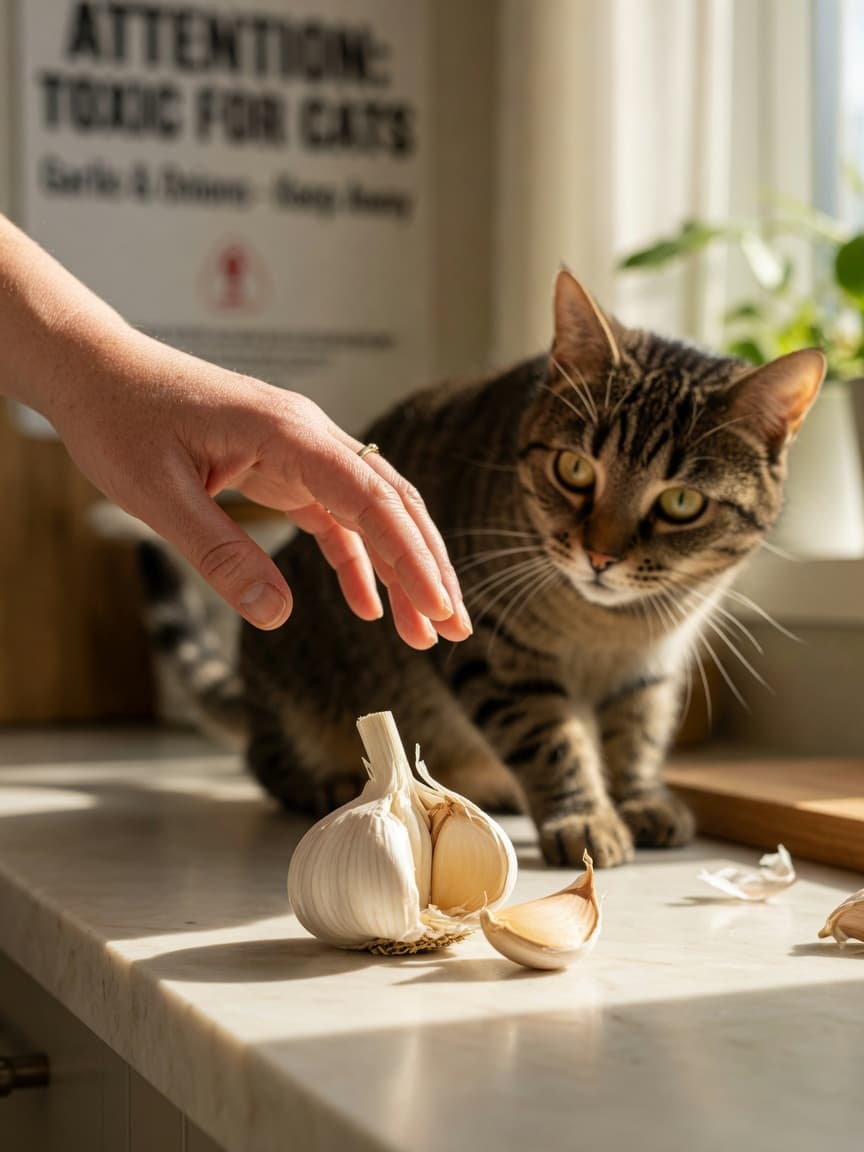
Garlic is one of the most dangerous foods you can give a cat. It is 5 times more toxic to cats than to dogs per unit of body weight. Even a tiny amount…
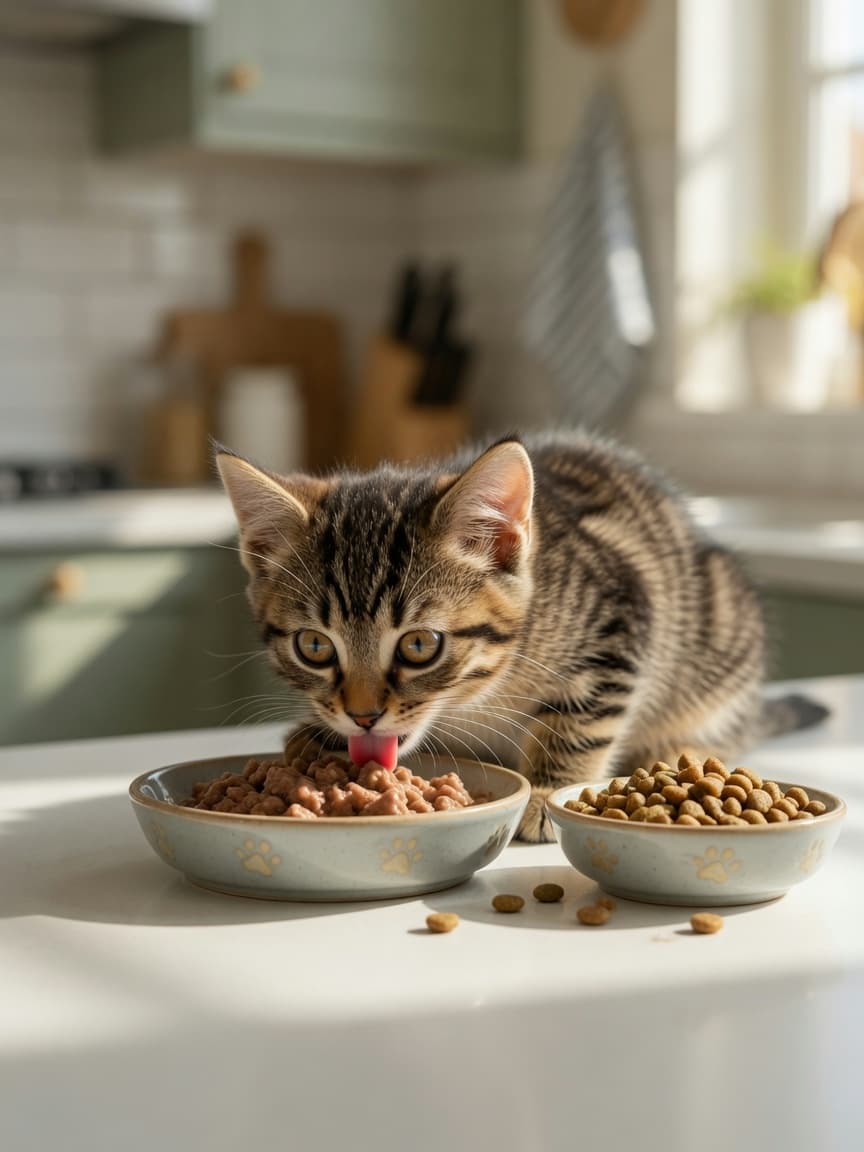
Kittens are not simply small cats. Their nutritional requirements during growth are substantially different from those of adult cats, and meeting those…
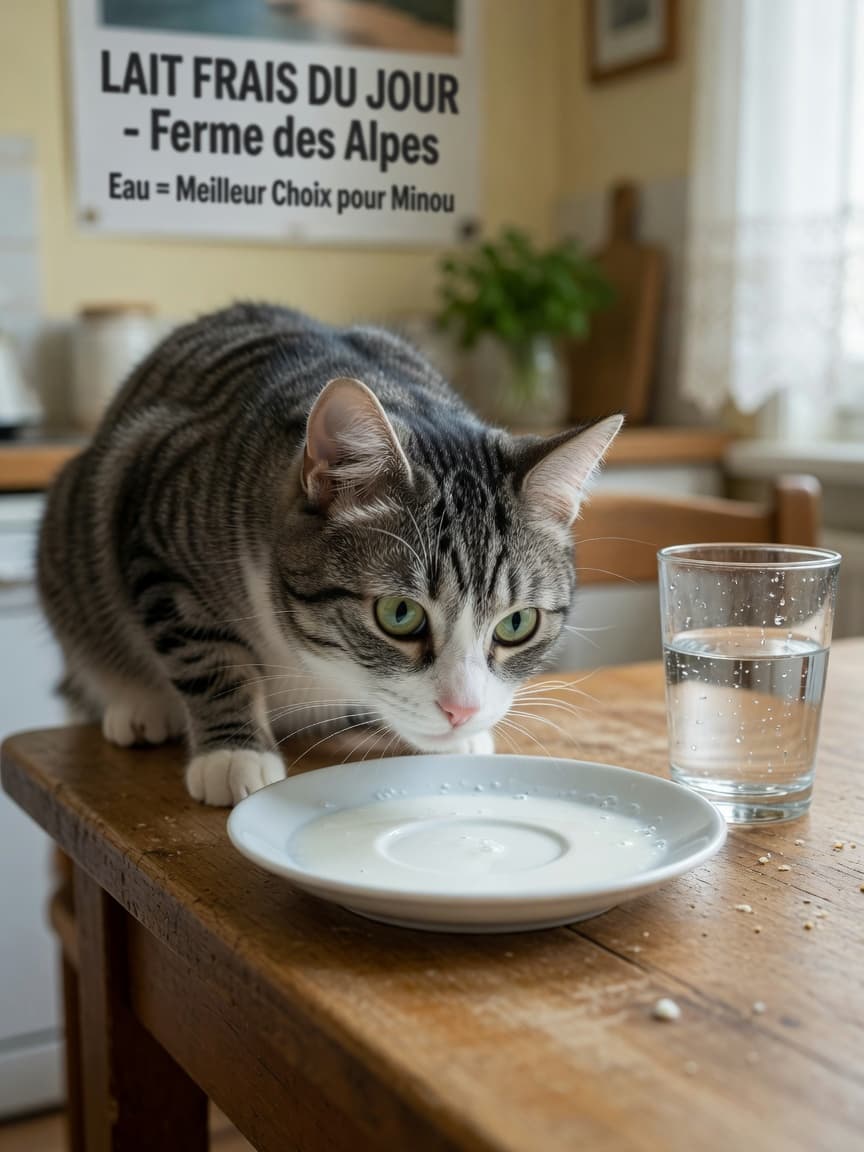
Few images in Western culture are as persistent as a cat contentedly drinking from a saucer of milk. This image appears in children's books, cartoons, and popular sayings — yet it is one of the most misleading ideas in pet nutrition. The truth is that cow's milk is poorly suited to the biology of ad…
Free newsletter
Weekly science-backed advice for dog & cat owners. No spam, unsubscribe anytime.