
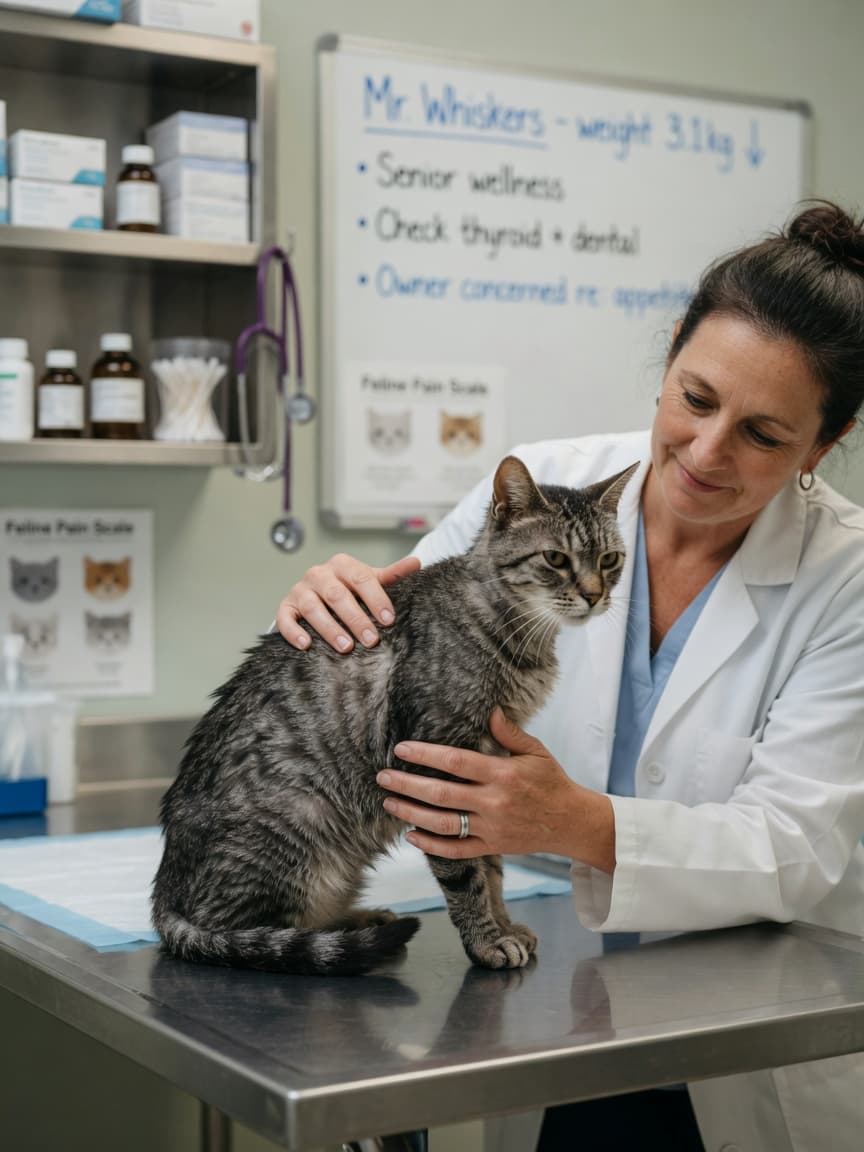
Why Is My Cat Losing Weight? 9 Causes Explained
Updated June 2026
- Weight loss of more than 10% of body weight in less than a month
- Cat is not eating at all (anorexia for 24+ hours)
- Weight loss accompanied by vomiting, diarrhea, or difficulty breathing
- Yellowing of the skin or eyes (jaundice)
When a cat starts to lose weight, it can be deceptively easy to miss — especially in long-haired breeds where the coat masks muscle wasting. By the time weight loss is visually obvious, the process may have been underway for weeks or months. Any unexplained weight loss in a cat deserves veterinary attention, because unlike in humans, weight loss in cats is rarely "nothing." Here are the nine most common causes, ranked by how frequently they appear in clinical practice.
1. Hyperthyroidism
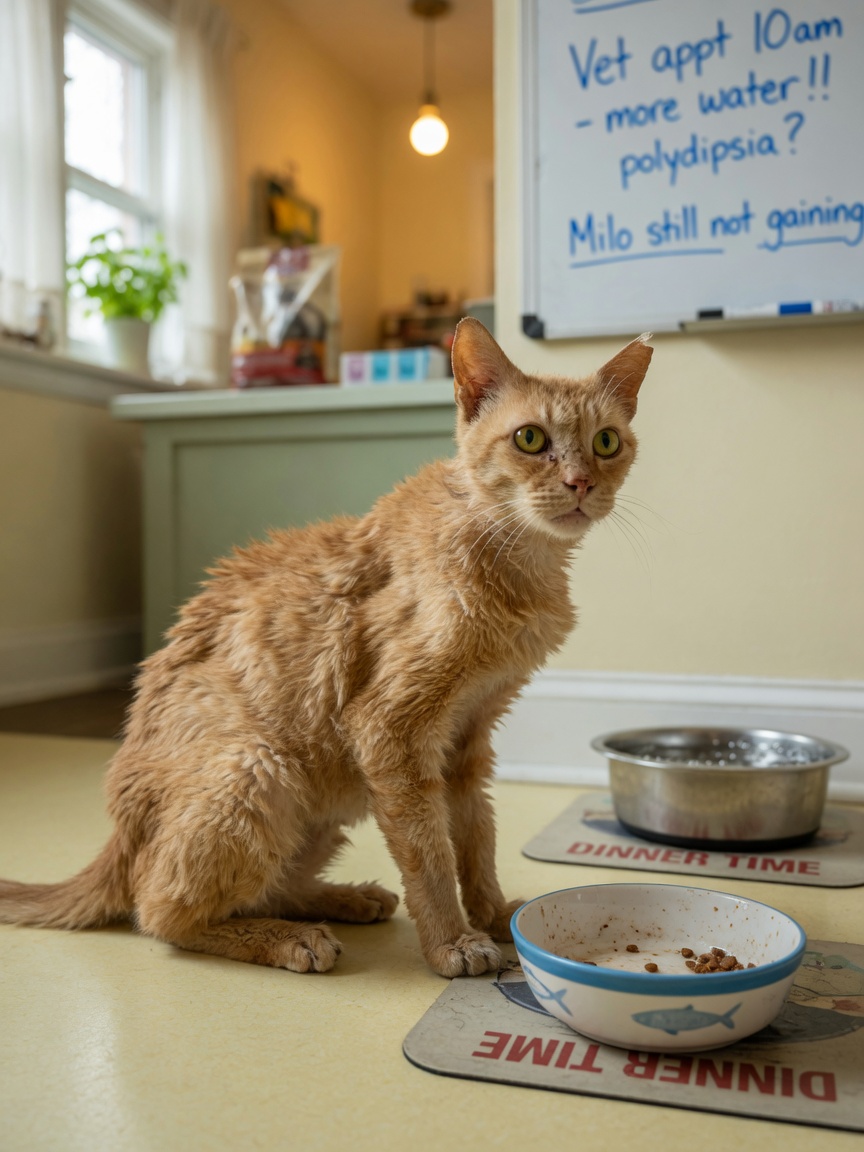
Hyperthyroidism is the single most common cause of weight loss in cats over 8 years old. The thyroid gland produces excess thyroid hormone, dramatically accelerating metabolism. Affected cats often have a voracious appetite — they eat more but still lose weight — along with increased thirst, hyperactivity, vomiting, and a rough coat. Diagnosis is confirmed with a simple blood test measuring total thyroxine (T4). Treatment options include daily medication, radioactive iodine therapy, surgery, or a prescription iodine-restricted diet, all of which are highly effective.
2. Chronic Kidney Disease (CKD)
CKD is among the most prevalent diseases of senior cats and causes weight loss through reduced appetite, nausea from uremic toxins, and impaired protein metabolism. Cats with CKD typically drink and urinate more, may vomit (especially in the morning), and gradually lose muscle mass. A urinalysis and blood panel measuring creatinine, BUN, and SDMA can diagnose CKD early. Early-stage CKD is manageable with diet and supportive care.
3. Diabetes Mellitus
In diabetic cats, insufficient insulin action means cells cannot use glucose effectively. The body begins breaking down fat and muscle for energy, causing weight loss despite normal or increased appetite. Increased thirst, frequent urination, and a distinctive plantigrade stance (walking on the hocks) are characteristic signs. Diagnosis requires blood and urine glucose measurements. With appropriate insulin therapy and a low-carbohydrate diet, some cats achieve diabetic remission.
4. Inflammatory Bowel Disease (IBD)
IBD impairs the intestinal lining's ability to absorb nutrients, leading to progressive weight loss even when the cat eats normally. Chronic vomiting and/or diarrhea are the hallmark accompanying symptoms. IBD is most common in middle-aged to older cats and is diagnosed through intestinal biopsy. Management typically involves immunosuppressive drugs, dietary modification to a hydrolyzed or novel protein diet, and sometimes vitamin B12 supplementation.
5. Intestinal Lymphoma
Small-cell (low-grade) alimentary lymphoma is the most common gastrointestinal cancer in cats and closely mimics IBD in its presentation — chronic vomiting, weight loss, and diarrhea. It predominantly affects cats over 9 years. Distinguishing lymphoma from IBD requires intestinal biopsy and immunohistochemistry. The good news: small-cell lymphoma responds well to oral chemotherapy (chlorambucil and prednisolone), with many cats achieving months to years of good-quality remission.
6. Dental Disease
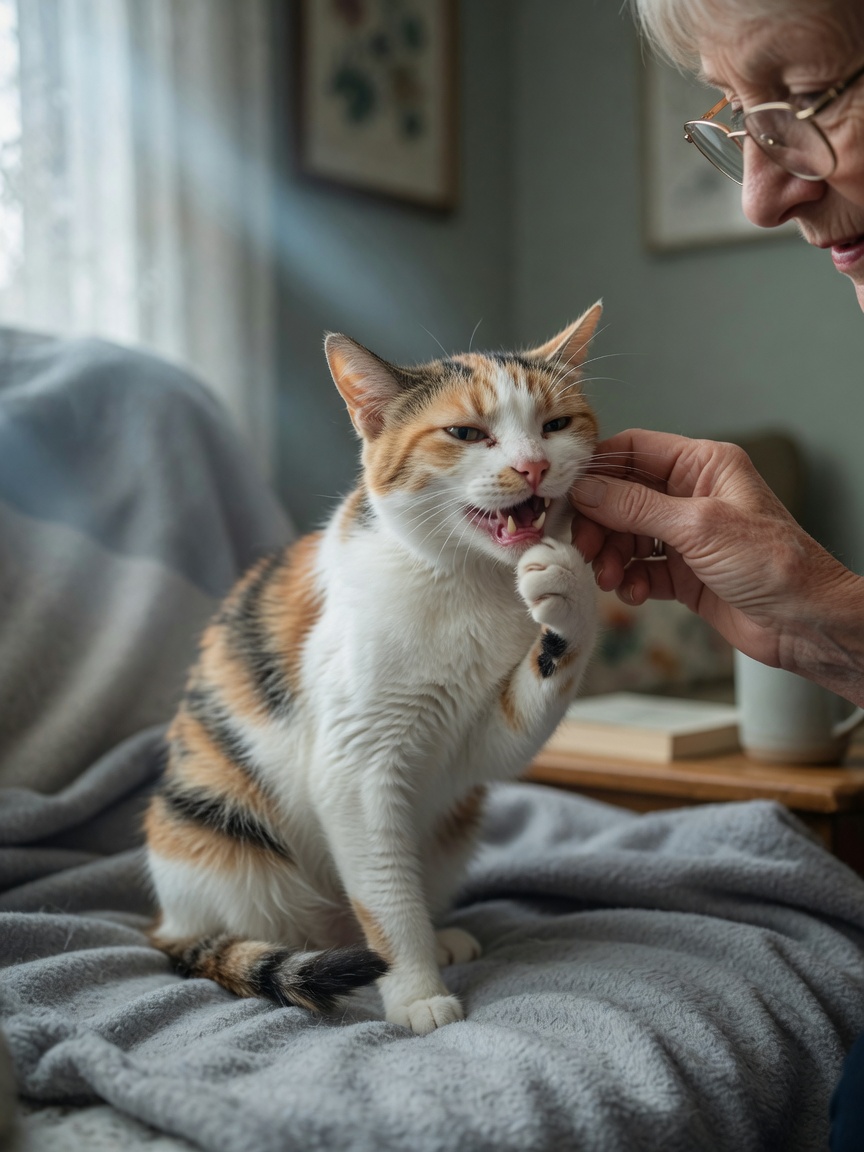
Painful teeth and gums are frequently overlooked as a cause of weight loss. A cat with severe dental disease — tooth resorption, periodontitis, or stomatitis — may stop eating or eat significantly less because chewing is painful. The weight loss is gradual and may be accompanied by drooling, pawing at the mouth, or halitosis. A dental examination under anesthesia reveals the true severity. Dental extractions often produce a dramatic improvement in appetite and quality of life.
7. Cancer (Other Types)
Unexplained weight loss — sometimes called "cancer cachexia" — can result from almost any malignancy. Tumors alter metabolism, suppress appetite, and compete for nutrients. Common feline cancers that cause weight loss include squamous cell carcinoma (oral), mammary tumors, and hepatocellular carcinoma. Any cat with weight loss and no other obvious explanation needs thorough physical examination including palpation for masses, lymph node evaluation, and imaging.
8. Parasites
Heavy intestinal parasite burdens — particularly roundworms and tapeworms — can cause weight loss by competing for ingested nutrients, damaging the intestinal lining, and causing chronic low-grade inflammation. Outdoor cats and hunters are at highest risk. Tapeworm segments may be visible around the anus or in the litter box. Routine deworming and annual fecal examinations are the best prevention.
9. Stress or Depression
Cats under chronic stress — from environmental change, inter-cat conflict, or inadequate mental stimulation — can reduce their food intake enough to lose meaningful weight. This is a diagnosis of exclusion (reached only after medical causes are ruled out), but it's more common than many owners expect. Enrichment, routine, pheromone diffusers, and addressing the source of stress can restore normal appetite.
Weigh your cat monthly using a baby scale or bathroom scale (weigh yourself holding the cat, then weigh yourself alone). Record the weight. A loss of even 200–300 grams over a month in a small cat is significant and worth mentioning to your vet. Early detection of weight loss leads to earlier diagnosis and better outcomes for nearly every underlying condition.
Key Takeaways
- Hyperthyroidism, CKD, and diabetes are the top three causes of weight loss in cats over 8 years old — all are diagnosable with routine bloodwork.
- Weight loss with a good or increased appetite strongly suggests hyperthyroidism or diabetes.
- Chronic vomiting alongside weight loss points toward IBD or intestinal lymphoma and requires intestinal biopsy to differentiate.
- Dental disease is a commonly missed cause — a painful mouth can silently reduce caloric intake for months.
- Monthly home weigh-ins allow early detection before weight loss becomes visually apparent.
References
- Kraft W. Geriatrics in feline practice — diseases of the thyroid. J Feline Med Surg. 2001;3(2):59–65. PMID: 11516138
- Lingard AE, Briscoe K, Beatty JA, et al. Low-grade alimentary lymphoma: clinicopathological findings and response to treatment in 17 cases. J Feline Med Surg. 2009;11(8):692–700. PMID: 19237314