
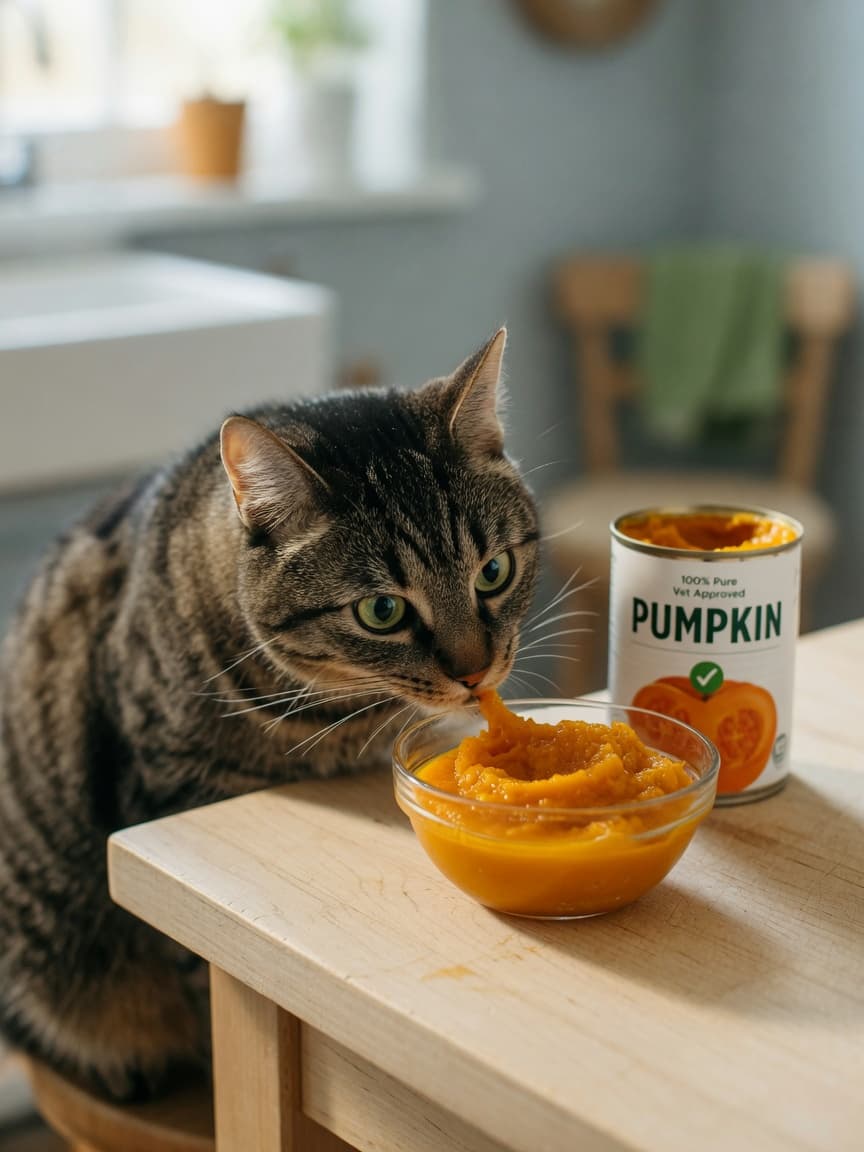
Can Cats Eat Pumpkin? A Vet-Approved Digestive Superfood
Plain cooked or canned pumpkin (not pumpkin pie filling) is one of the few plant foods that offers real, measurable benefits for cats. Rich in soluble and insoluble fiber, it supports healthy digestion, helps relieve constipation, and can reduce hairball frequency. Veterinarians routinely recommend 1–2 teaspoons of plain pumpkin per day as a gentle, natural digestive aid. It is low in calories and safe for most cats when given in appropriate amounts.
Why Pumpkin Is Different From Most Plant Foods for Cats
Cats are obligate carnivores. Their digestive systems evolved to process animal protein and fat as their primary fuel sources, and they have limited ability to derive meaningful nutrition from plant matter. Most fruits and vegetables offer little or nothing of value to a cat's diet — and some are outright harmful.
Pumpkin is a notable exception. While it contributes almost no protein or essential fatty acids that a cat needs, its fiber profile is genuinely useful. Plain pumpkin contains both soluble fiber (which absorbs water and forms a gel-like substance in the gut) and insoluble fiber (which adds bulk to stool and keeps things moving). This combination addresses two very common feline digestive complaints: constipation and hairballs.
Importantly, pumpkin is not a food cats would seek out in the wild, and it should never replace or significantly displace their high-protein diet. Think of it as a functional supplement rather than a meal component.
Health Benefits Supported by Evidence
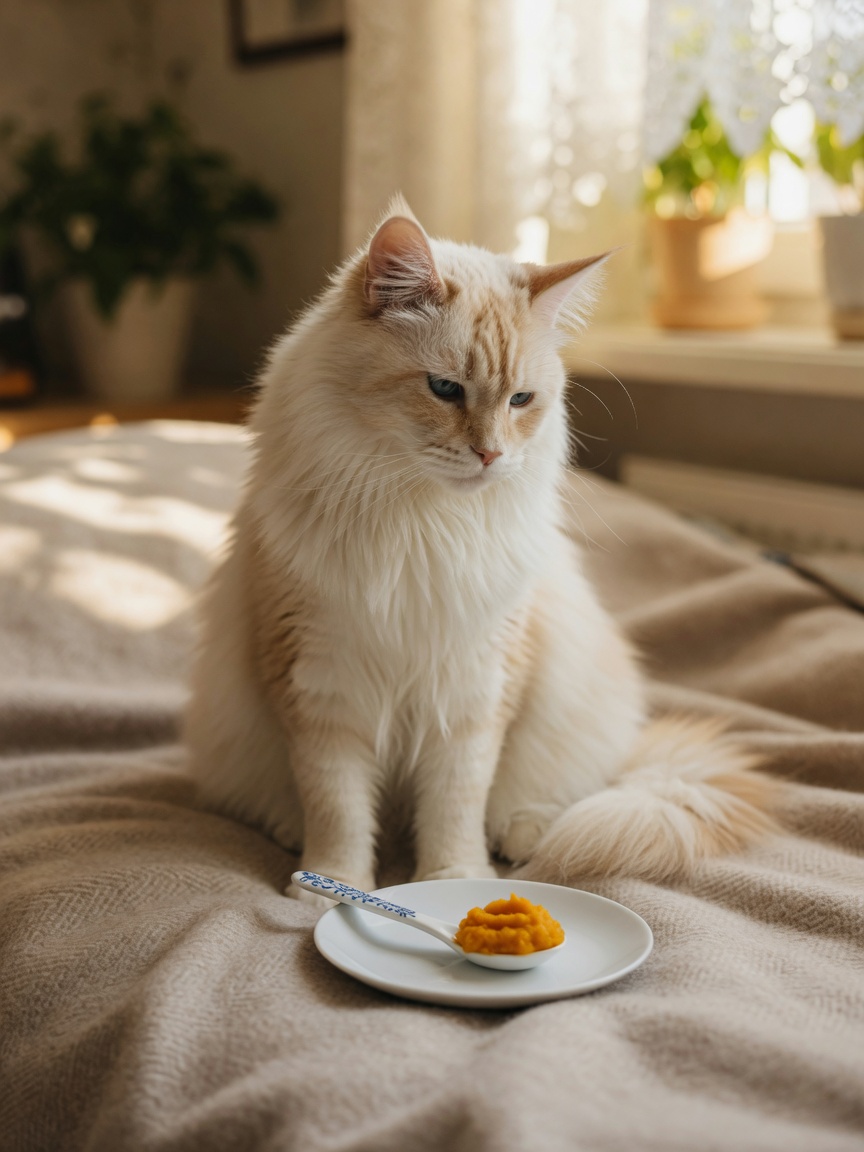
1. Constipation Relief
Feline constipation is surprisingly common, particularly in middle-aged and senior cats, indoor-only cats, and cats on low-fiber diets. The insoluble fiber in pumpkin adds bulk to stool and stimulates intestinal motility, helping material move through the colon more efficiently. The soluble fiber retains moisture in the stool, softening it and making it easier to pass. Many veterinarians recommend a teaspoon of plain pumpkin added to food before reaching for laxative medications.
2. Hairball Management
Cats groom constantly, and the swallowed fur accumulates in the stomach. When a cat cannot vomit a hairball or pass it through the intestine, it can become a painful obstruction. The dietary fiber in pumpkin helps move ingested hair through the gastrointestinal tract and out in the stool, reducing both hairball formation and the discomfort of regurgitation. This makes pumpkin a particularly useful addition for long-haired breeds such as Maine Coons, Persians, and Ragdolls.
3. Mild Diarrhea
Soluble fiber acts as a prebiotic, feeding beneficial gut bacteria, and it can help firm up loose stools by absorbing excess water in the intestine. If your cat is experiencing mild, non-bloody diarrhea with no other symptoms, a small amount of plain pumpkin may help stabilize their digestion while you monitor the situation. Persistent or severe diarrhea always warrants a veterinary visit.
4. Weight Management Support
Because pumpkin is very low in calories (roughly 3–4 calories per teaspoon) but adds bulk, it can contribute a small sense of satiety without meaningfully increasing caloric intake. For overweight cats on a calorie-restricted diet, it may serve as a harmless filler alongside their measured protein portions. This benefit is modest, but it is real.
What Kind of Pumpkin Can Cats Eat?
The form of pumpkin matters enormously. Here is what is safe and what to avoid:
Safe options:
- Plain canned pumpkin puree: The most convenient option. Check the label carefully — the only ingredient should be pumpkin. Many popular brands sell both plain pumpkin and pumpkin pie filling in nearly identical cans. Do not confuse the two.
- Plain cooked fresh pumpkin: Steamed, boiled, or baked pumpkin with no added salt, butter, spices, or sweeteners is perfectly safe. Let it cool completely before serving.
- Pumpkin seeds (plain, roasted): Plain pumpkin seeds contain antioxidants and have traditionally been used as a mild anti-parasitic. They can be ground and sprinkled on food in small amounts, though evidence for their use in cats is limited.
Never give cats:
- Pumpkin pie filling: Contains sugar, nutmeg (toxic to cats), cinnamon, and other spices that can cause gastrointestinal upset or worse.
- Pumpkin with added salt or butter
- Raw pumpkin in large amounts: Raw pumpkin is harder to digest and may cause stomach upset.
How Much Pumpkin Should You Give Your Cat?
The standard veterinary recommendation is 1–2 teaspoons of plain pumpkin per day for an average adult cat. Start with half a teaspoon to see how your cat tolerates it, and increase gradually if needed. Giving too much fiber too quickly can cause gas, bloating, or loose stools — the opposite of what you are trying to achieve.
You can mix the pumpkin directly into your cat's wet food. Many cats accept the taste readily; others are more reluctant. If your cat refuses pumpkin on its own, try warming the food slightly to enhance the aroma.
For ongoing use as a hairball remedy or constipation preventive, daily small doses are fine for most healthy adult cats. If you are using pumpkin to manage a diagnosed condition, consult your veterinarian about appropriate quantities and duration.
Nutritional Profile: What Pumpkin Provides
Per 100 grams of plain canned pumpkin: approximately 26 calories, 1.0 g protein, 0.1 g fat, 6.5 g carbohydrates (2.9 g fiber), plus small amounts of potassium, vitamin A (as beta-carotene), vitamin C, and zinc. The protein and fat content is negligible from a feline nutrition standpoint. The fiber is where the value lies. Because cats cannot efficiently convert plant-based beta-carotene to retinol (vitamin A), the vitamin A in pumpkin is largely inaccessible to them — they need preformed vitamin A from animal sources.
When to See a Veterinarian
Pumpkin can relieve mild, occasional constipation or loose stools, but it is not a substitute for veterinary care when something more serious is going on. Contact your vet if your cat has not defecated in more than 48–72 hours, is straining without producing stool, has blood in the stool, or shows signs of pain, lethargy, or loss of appetite. These symptoms may indicate obstruction, megacolon, or other conditions that require professional treatment.
Ver alimentos para gatos en Zooplus →- Plain cooked or canned pumpkin (not pie filling) is safe and genuinely beneficial for cats.
- It is one of the few plant foods with a real practical use in feline care: managing constipation, hairballs, and mild diarrhea.
- Recommended dose: 1–2 teaspoons per day, mixed into wet food.
- Always check canned pumpkin labels — pumpkin pie filling contains nutmeg and sugar, which are harmful to cats.
- Cats are obligate carnivores; pumpkin is a supplement, not a dietary staple. High-quality animal protein must remain the foundation of their diet.
- Persistent digestive issues warrant a veterinary consultation — pumpkin addresses mild problems, not underlying disease.
References
- Verbrugghe A, Bakovic M. "Peculiarities of one-carbon metabolism in the strict carnivore, the domestic cat." Nutrients. 2013;5(7):2811–2835. PMID: 23873295.
- Jergens AE. "Feline idiopathic inflammatory bowel disease: what we know and what remains to be unraveled." J Feline Med Surg. 2012;14(7):445–458. PMID: 22718563.
- Beynen AC, Baer DJ, Hof MH. "Commercial petfood for cats and dogs: the macronutrient composition differs from prey." J Anim Physiol Anim Nutr (Berl). 2009.