
Can Cats Eat Shrimp? What Every Cat Owner Should Know
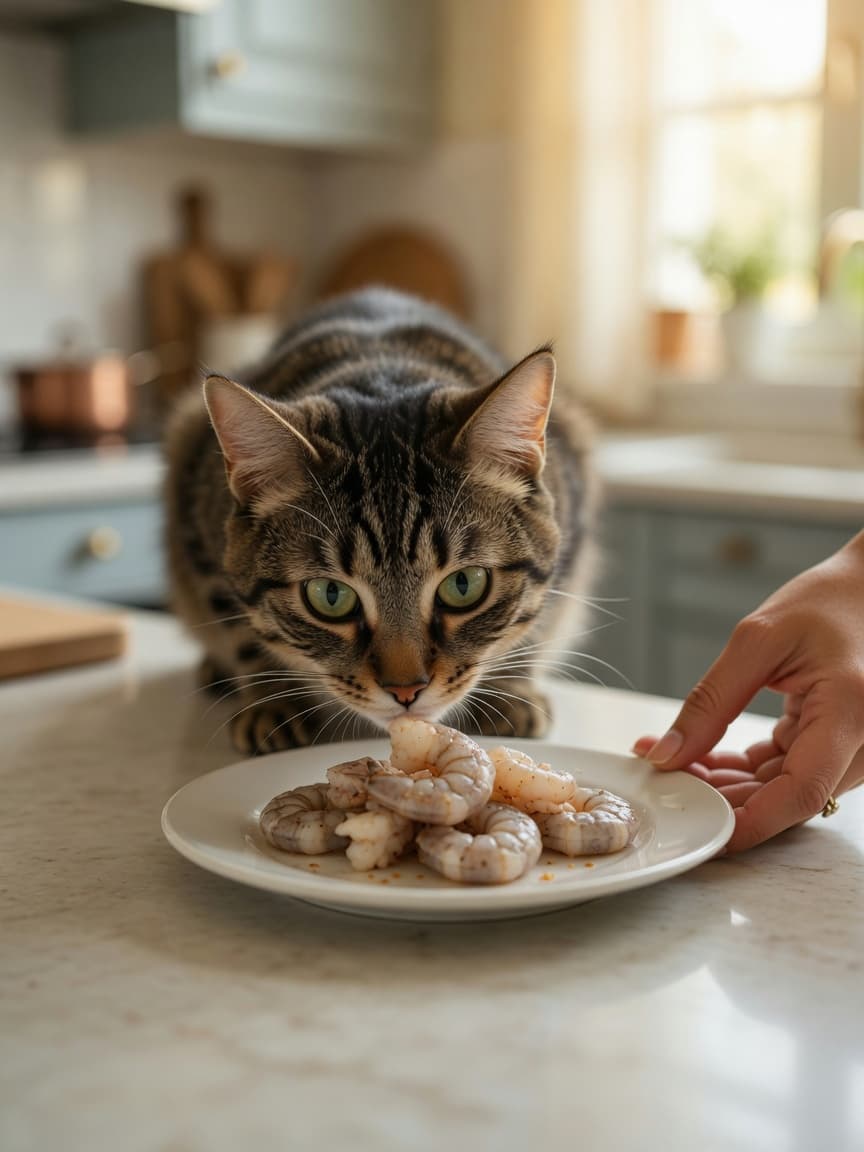
Shrimp is one of the most popular seafoods in the world, and if you have ever eaten it near your cat, you already know the reaction: ears up, eyes wide, and a very determined nudge against your elbow. But is shrimp actually safe for cats? And does it offer any real nutritional value for an obligate carnivore? The answer is nuanced, and as always, the details matter.
Why Cats Are Drawn to Shrimp
Cats are obligate carnivores, meaning their bodies are biologically designed to derive nutrition from animal protein. Unlike omnivores such as dogs or humans, cats have a limited ability to process plant-based foods and require specific nutrients — taurine, arachidonic acid, and preformed vitamin A — that are only found in animal tissue. Shrimp, being an animal protein, naturally appeals to a cat's instincts. Its strong ocean scent and high protein content make it particularly attractive.
Cats also lack significant numbers of sweet taste receptors, which is why they tend to ignore sugary foods but are highly motivated by the savory, umami profile of seafood and meat. Shrimp fits perfectly into that preference.
Nutritional Profile: What Shrimp Offers Cats
Plain cooked shrimp is actually a reasonably nutritious treat for cats when given in appropriate amounts. Here is what it brings to the table:
- High-quality protein: Shrimp is approximately 20% protein by weight, making it a lean, protein-dense option.
- Taurine: Shrimp contains naturally occurring taurine, the amino acid cats cannot synthesize adequately on their own. Taurine deficiency in cats leads to serious health conditions including dilated cardiomyopathy and retinal degeneration.
- Omega-3 fatty acids: Shrimp contains modest amounts of EPA and DHA, which support skin, coat, and joint health.
- Vitamins and minerals: Shrimp provides B12, phosphorus, iodine, and selenium in meaningful quantities.
That said, shrimp is also notably high in dietary cholesterol compared to other protein sources. While cats metabolize cholesterol differently from humans, consistently feeding large quantities of high-cholesterol foods is not ideal. This is why moderation is key.
The Risk of Raw Shrimp
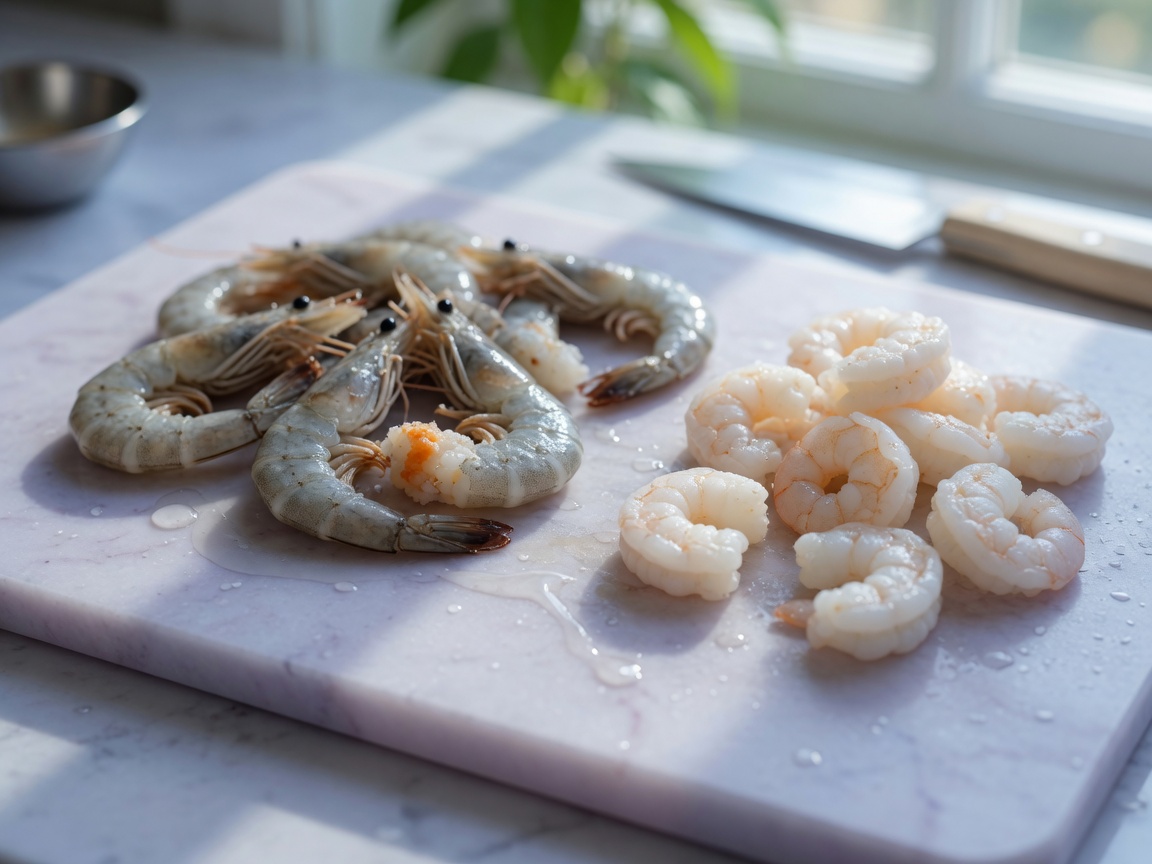
Some pet owners lean toward raw diets for cats, reasoning that wild cats consume raw prey. While there is logic to that perspective, raw shrimp specifically presents risks that make it unsuitable for domestic cats. Raw shrimp can harbor Salmonella, Listeria, and Vibrio bacteria, all of which can cause gastrointestinal illness in cats — and can potentially be transmitted to the humans handling the shrimp afterward. Raw shellfish may also carry parasites that cooked shrimp does not.
Cooking shrimp thoroughly eliminates these pathogens without destroying the protein content or taurine. Simply boil or steam the shrimp with no added oil, butter, or seasoning. That is all that is needed to make it safe.
What to Remove Before Serving
Before giving your cat shrimp, always prepare it properly:
- Remove the shell: Shrimp shells are sharp and can irritate or injure the digestive tract. Some larger fragments could even pose a choking risk.
- Remove the tail: The hard tail can splinter and cause internal discomfort.
- Remove the vein: The dark vein running along the back of a shrimp is the digestive tract. While not toxic, it is unappetizing and best removed.
- No seasoning whatsoever: Garlic and onion are toxic to cats. Salt raises blood pressure and stresses the kidneys. Butter adds unnecessary saturated fat. Lemon juice can cause gastrointestinal upset. Plain means plain.
How Much Shrimp Can a Cat Eat?
Shrimp should be treated as an occasional treat, not a dietary supplement. A reasonable serving is one or two small to medium shrimp once or twice per week at most. Treats of any kind should not exceed 10% of a cat's total daily caloric intake. The bulk of your cat's nutrition should come from a complete, balanced commercial cat food formulated to meet AAFCO standards.
If your cat has a history of kidney disease, pancreatitis, or elevated blood lipids, consult your veterinarian before introducing shrimp or any new food. Cats with shellfish sensitivities — though uncommon — may show vomiting or diarrhea after eating shrimp. If that occurs, discontinue immediately.
Ver alimentos para gatos en Zooplus →Shrimp vs. Commercial Cat Food
It is worth emphasizing that shrimp cannot replace a complete commercial diet. Even though it contains taurine and protein, it lacks the full array of vitamins, minerals, and fatty acids that cats require in specific ratios. Commercial cat foods — especially those labeled "complete and balanced" — are formulated by veterinary nutritionists to meet feline requirements precisely. Shrimp is a supplement, a treat, a bonding moment — not a meal plan.
If you want to incorporate more protein variety into your cat's routine, look for high-quality wet or dry cat foods that list shrimp, fish, or other seafood proteins as primary ingredients.
Signs Your Cat Enjoyed It Too Much
Overfeeding shrimp — even plain, cooked shrimp — can lead to digestive upset. Watch for loose stools, vomiting, lethargy, or reduced appetite in the hours following a new food introduction. These signs typically resolve on their own, but if they persist beyond 24 hours, contact your vet.
- Cats can safely eat plain, fully cooked shrimp with shell and tail removed.
- Shrimp provides protein and taurine — nutrients cats genuinely need.
- Raw shrimp is risky due to bacteria and parasites; always cook it thoroughly.
- Never add garlic, onion, butter, salt, or any seasoning.
- High cholesterol content means shrimp should be an occasional treat only.
- As obligate carnivores, cats do not need plant foods — animal-based proteins like shrimp align naturally with their biology.
- A complete commercial cat food should remain the foundation of your cat's diet.
References
- Verbrugghe A, Bakovic M. "Peculiarities of one-carbon metabolism in the strict carnivore, the domestic cat." Nutrients. 2013;5(7):2811-35. PMID: 23873295
- Plantinga EA, Bosch G, Hendriks WH. "Estimation of the dietary nutrient profile of free-roaming feral cats: possible implications for nutrition of domestic cats." Br J Nutr. 2011;106 Suppl 1:S35-48. PMID: 22005436
- Morris JG. "Idiosyncratic nutrient requirements of cats appear to be diet-induced evolutionary adaptations." Nutr Res Rev. 2002;15(1):153-68. PMID: 19087395