
Cats
Can Cats Eat Mushrooms? Store-Bought vs Wild
Mushrooms occupy a unique place in the food world — they're neither plant nor animal, but fungi. For humans, many mushrooms are culinary delights and…
Julia WrenfieldJuly 2, 2026

Cat health, behavior, and wellness tips
Mushrooms occupy a unique place in the food world — they're neither plant nor animal, but fungi. For humans, many mushrooms are culinary delights and…
Few things disrupt a night's sleep as effectively as a cat yowling in the dark. Whether it's a persistent, plaintive meow or a full-throated howl,…
A cat's normal resting respiratory rate is 15 to 30 breaths per minute — slow, quiet, and barely visible. When that rate climbs above 40 breaths per…

VERDICT: NO. Lavender is not safe for cats. Cats lack the hepatic glucuronidation enzyme needed to metabolise linalool and linalyl acetate — the…
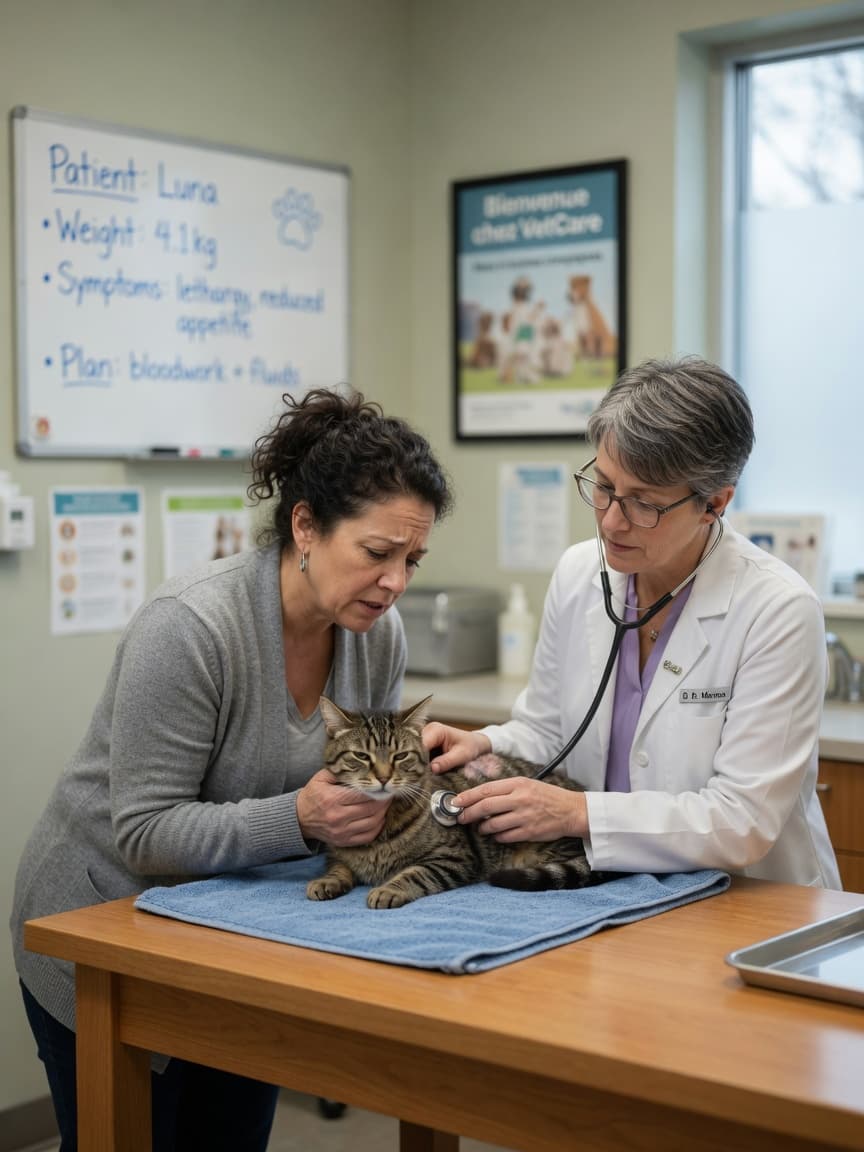
Feline Infectious Peritonitis, or FIP, is a serious and complex disease that affects cats worldwide. For a long time it was considered almost always…
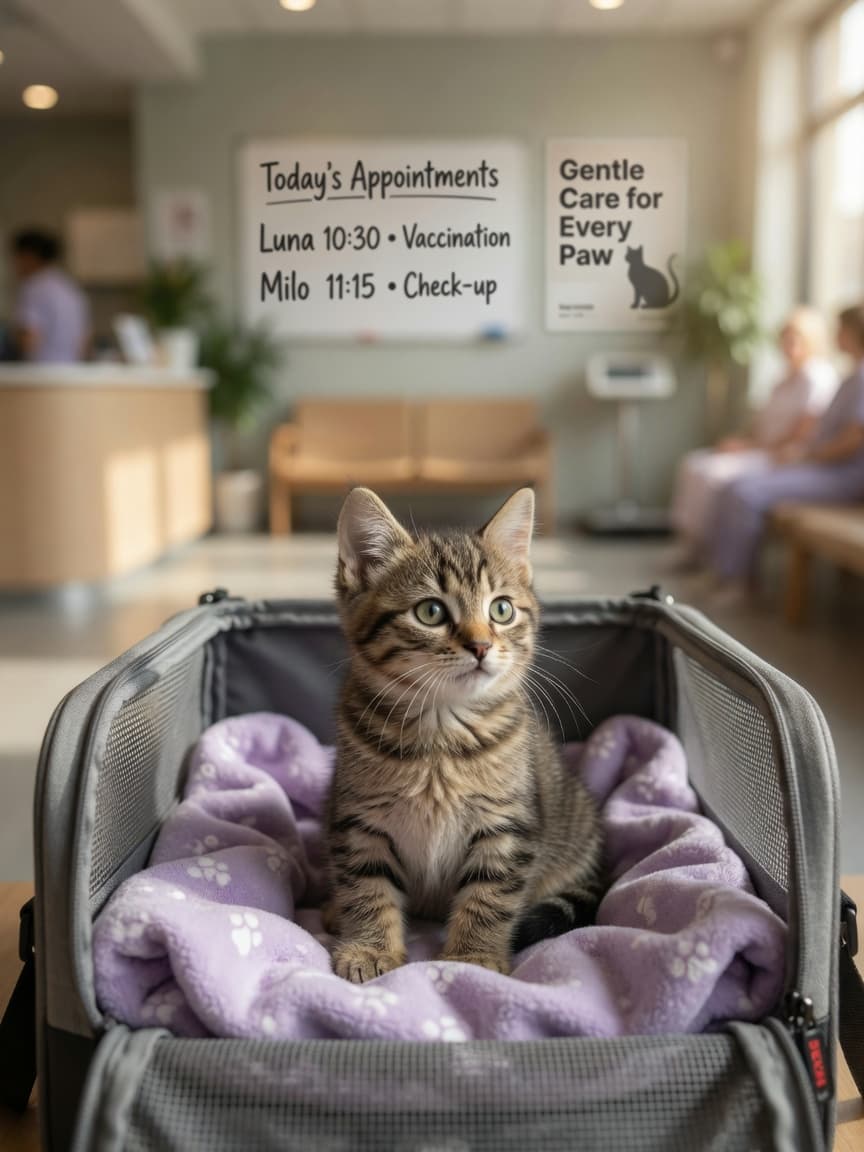
The first veterinary appointment is one of the most important steps you can take for your new kitten's long-term health and wellbeing. Whether you have…
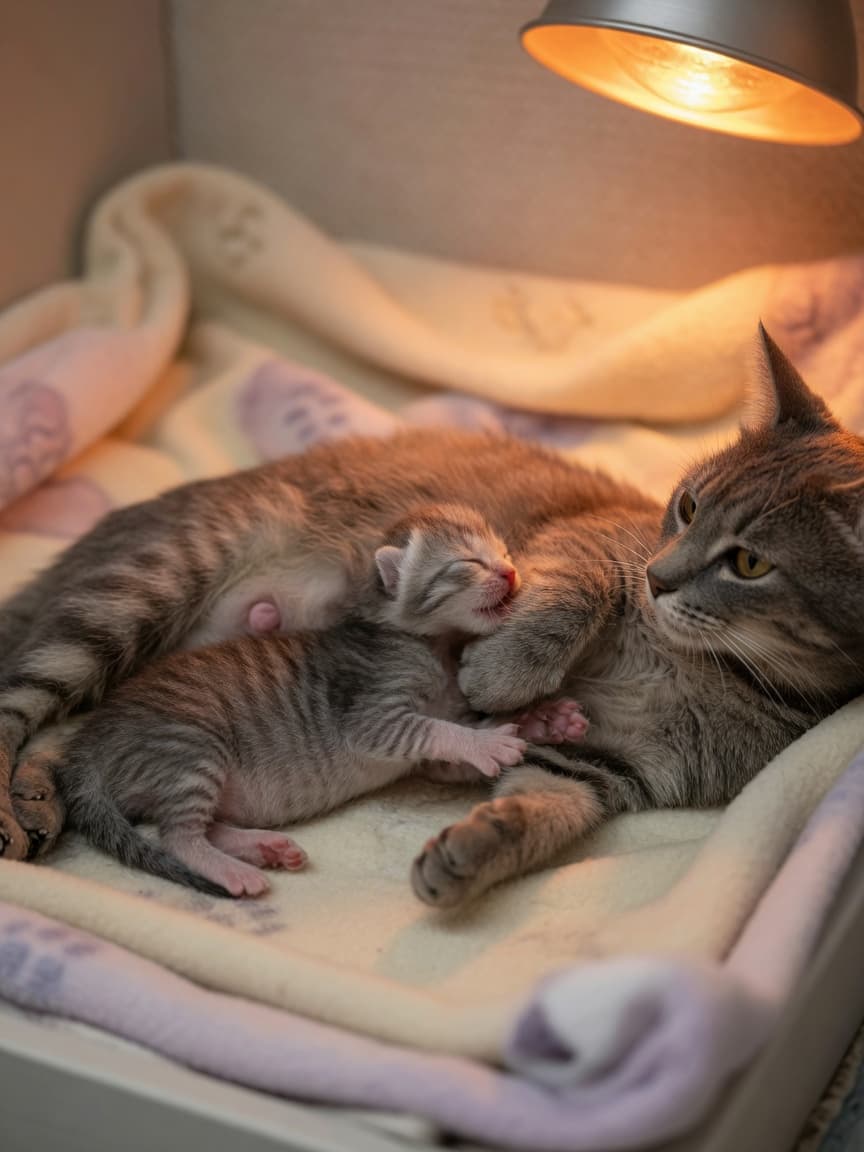
Newborn kittens are among the most fragile of all domestic animal neonates. Born with their eyes and ears sealed shut, unable to walk or regulate their…
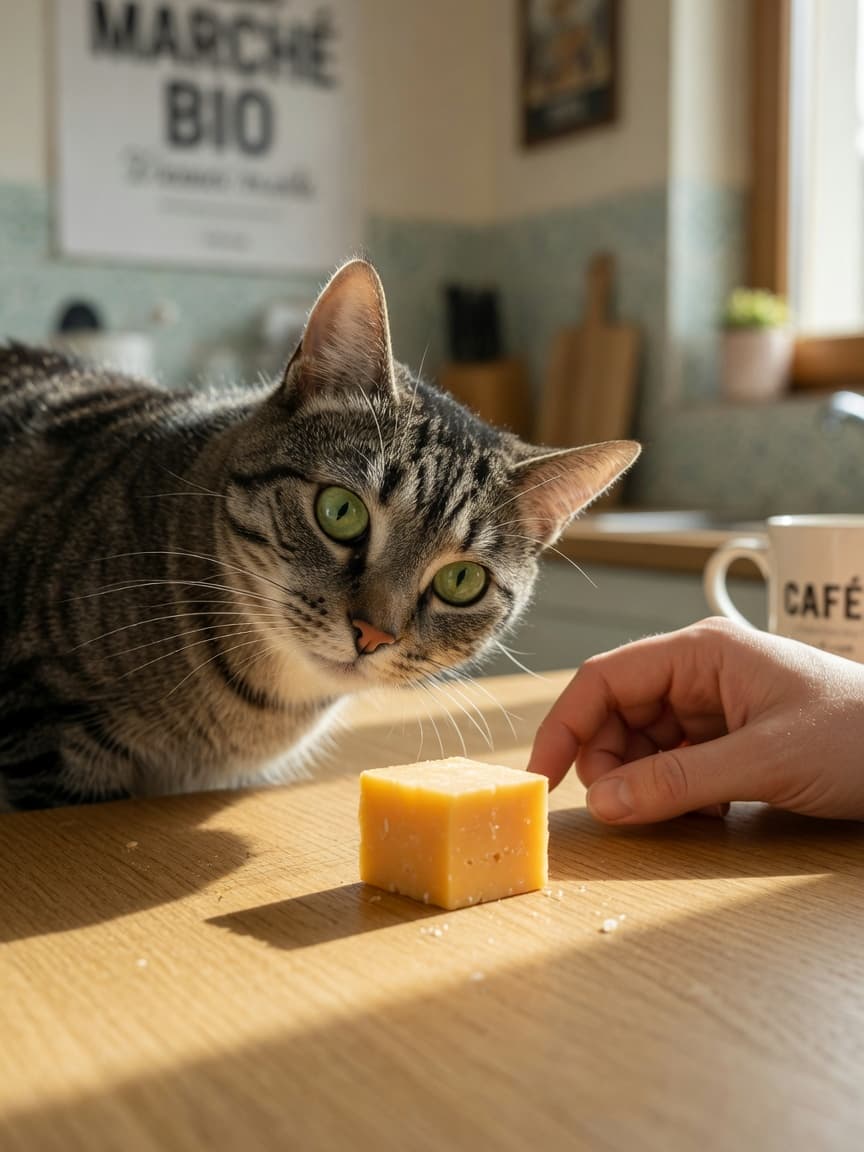
The image of a cat contentedly lapping up milk or nibbling cheese is deeply embedded in popular culture — but it does not reflect feline biology accurately. Cats are obligate carnivores evolved to obtain all their nutrition from animal prey, not dairy products. Dairy is not a natural or necessary pa…
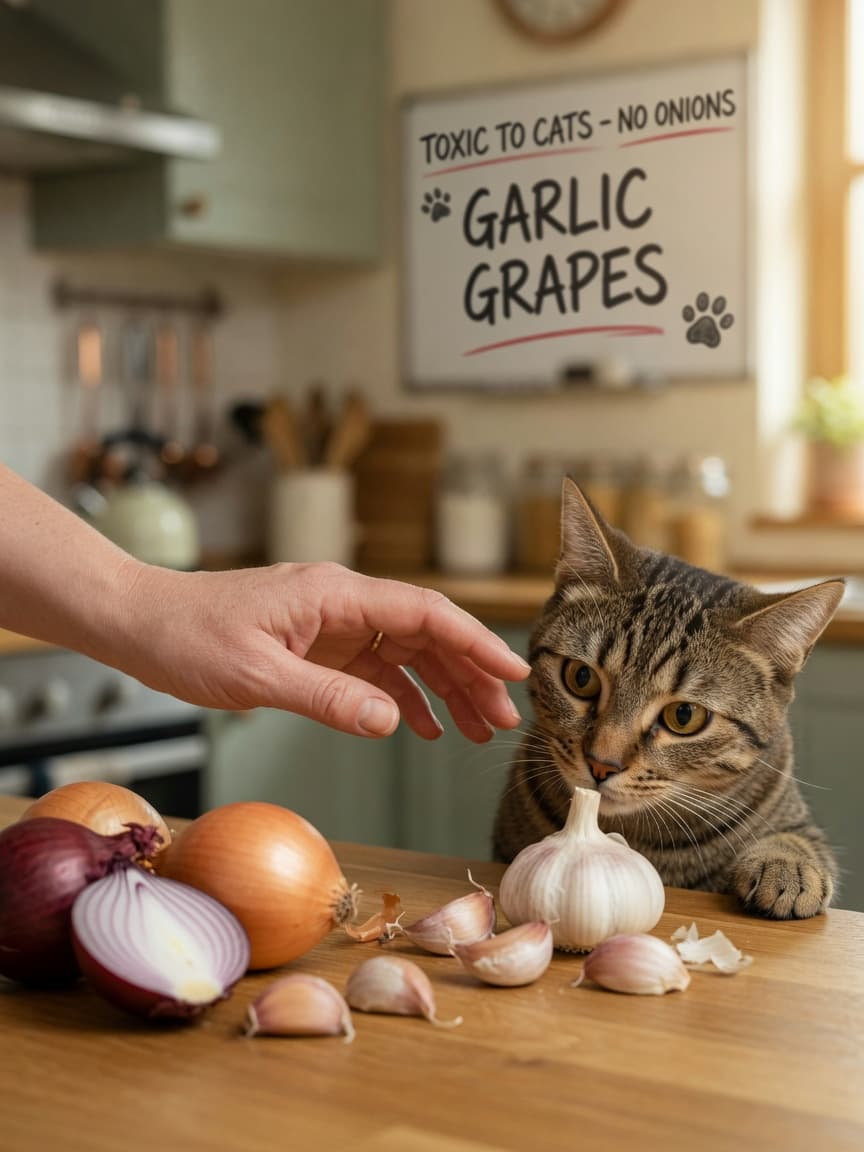
Onions — in every form, raw, cooked, powdered, or dehydrated — are poisonous to cats. They belong to the Allium family and contain compounds that…
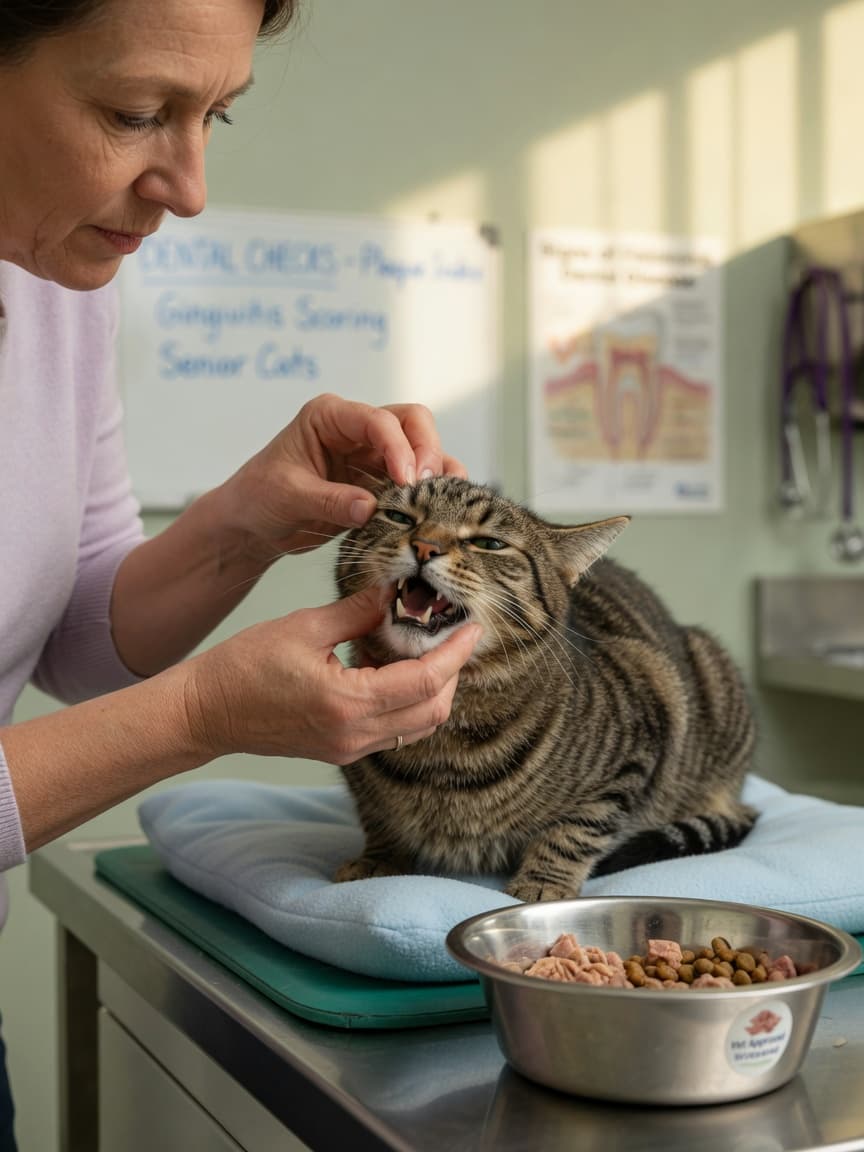
If your cat has stopped eating, the clock matters — cats can develop fatal hepatic lipidosis within days of complete anorexia. This guide covers every cause, every warning sign, and every safe step you can take right now.
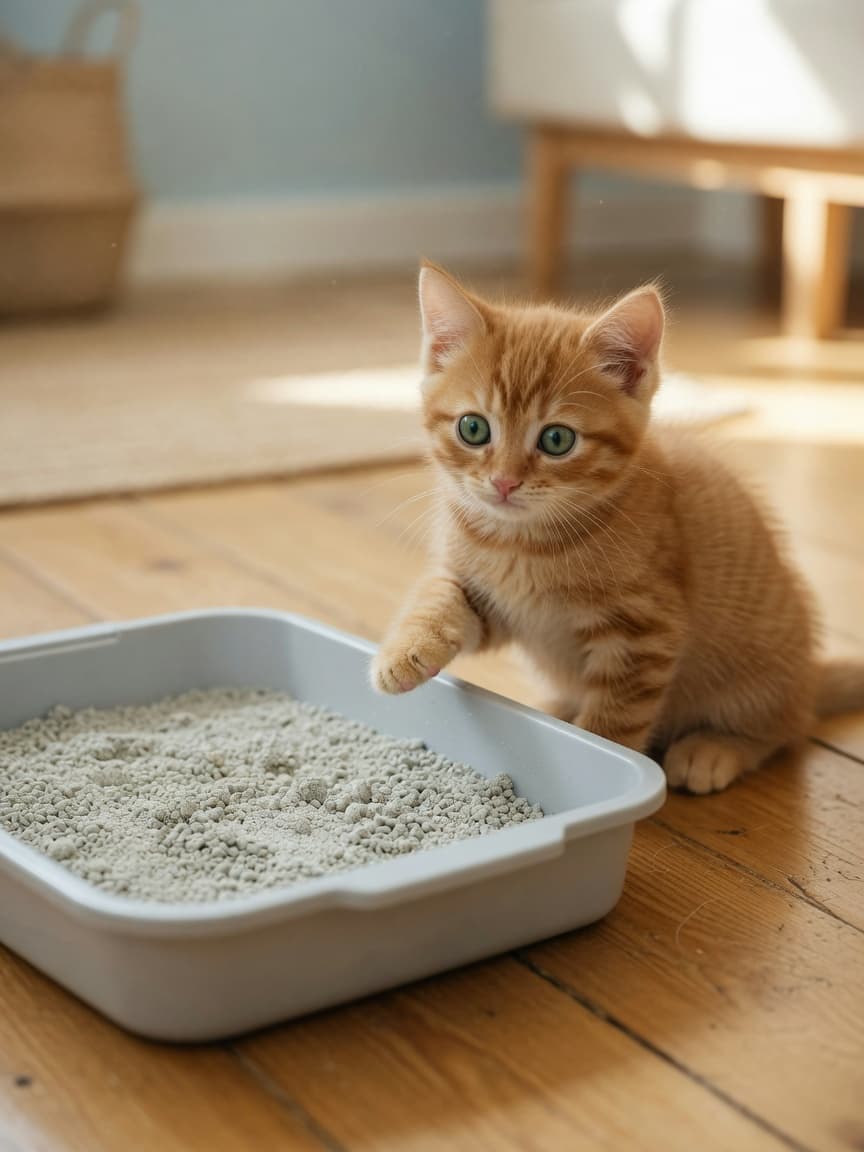
One of the great advantages of owning a cat is that they are naturally inclined to bury their waste. Most kittens learn toileting behaviour from their…
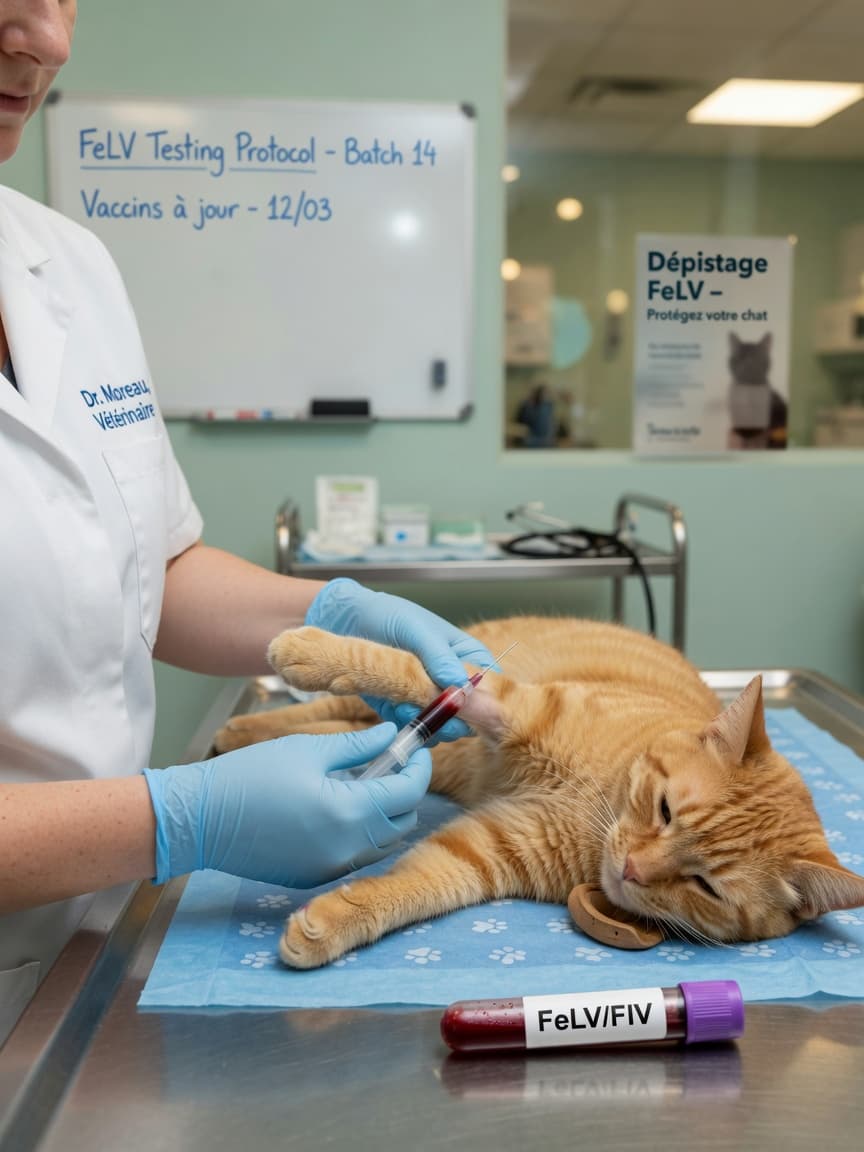
Feline leukaemia virus (FeLV) is a retrovirus that integrates into the genetic material of infected cells, permanently altering how the immune system…
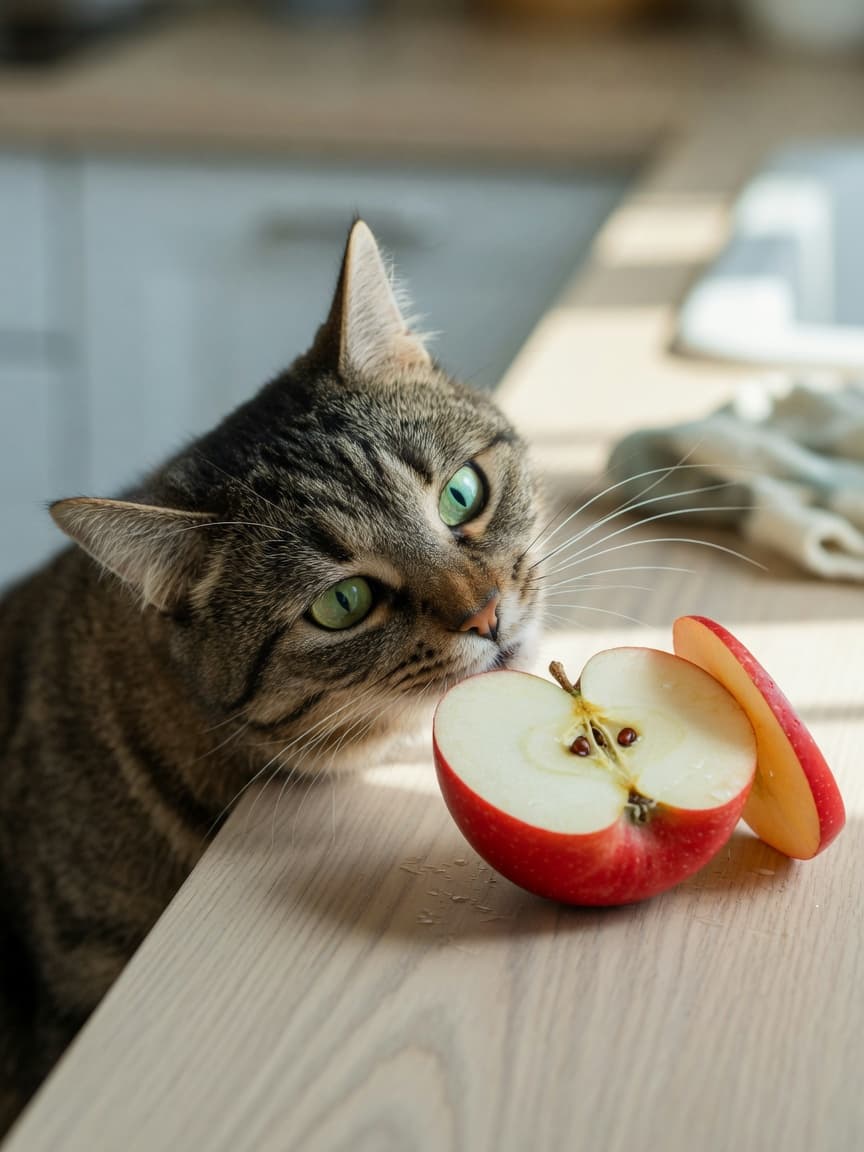
The flesh of an apple — the soft, edible part — is not toxic to cats. If your cat happens to sniff and nibble a small slice of apple, there is no cause for immediate alarm. Apple flesh contains water, natural sugars (fructose), dietary fiber, and vitamins such as vitamin C and vitamin A. In humans, …
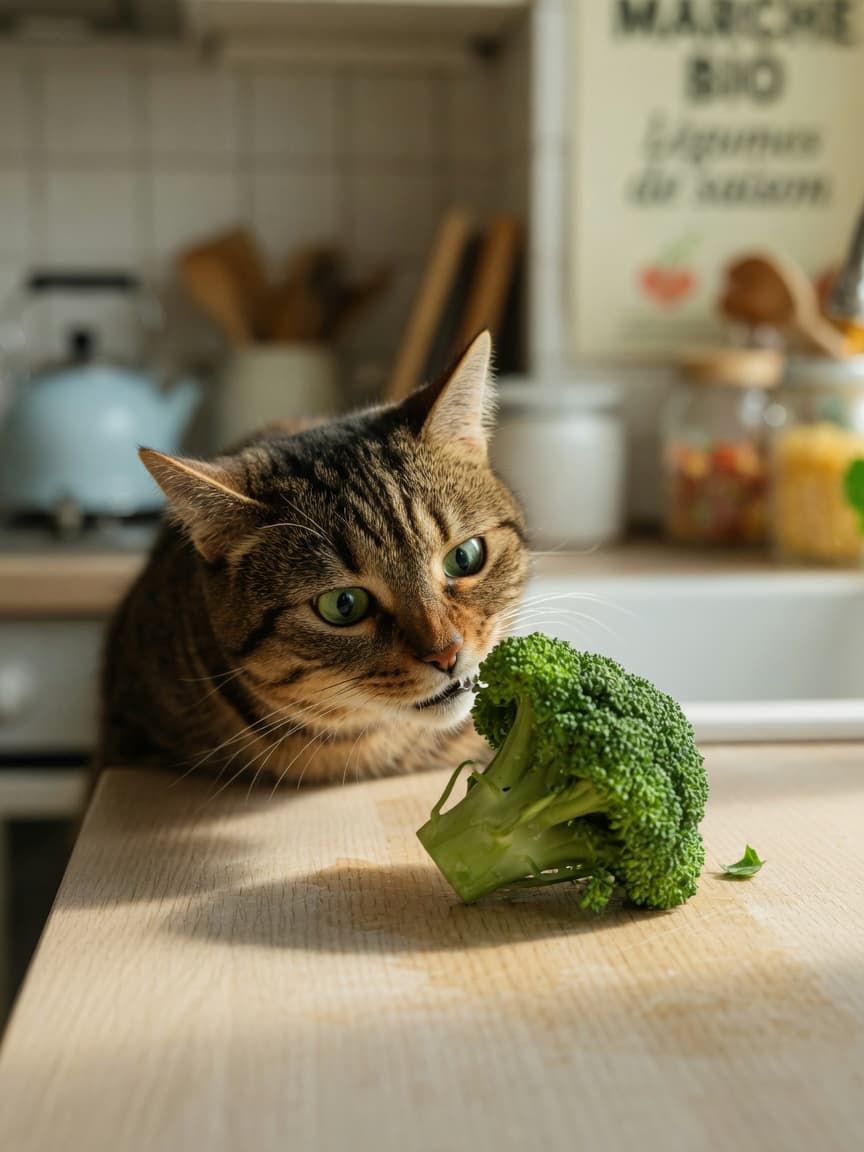
Broccoli is widely celebrated as one of the most nutritious vegetables a human can eat. It is dense with vitamin C, vitamin K, folate, fiber, and antioxidant compounds. So when a cat decides to bat a broccoli floret off your plate and take a few nibbles, it is natural to wonder: is this fine? And is…
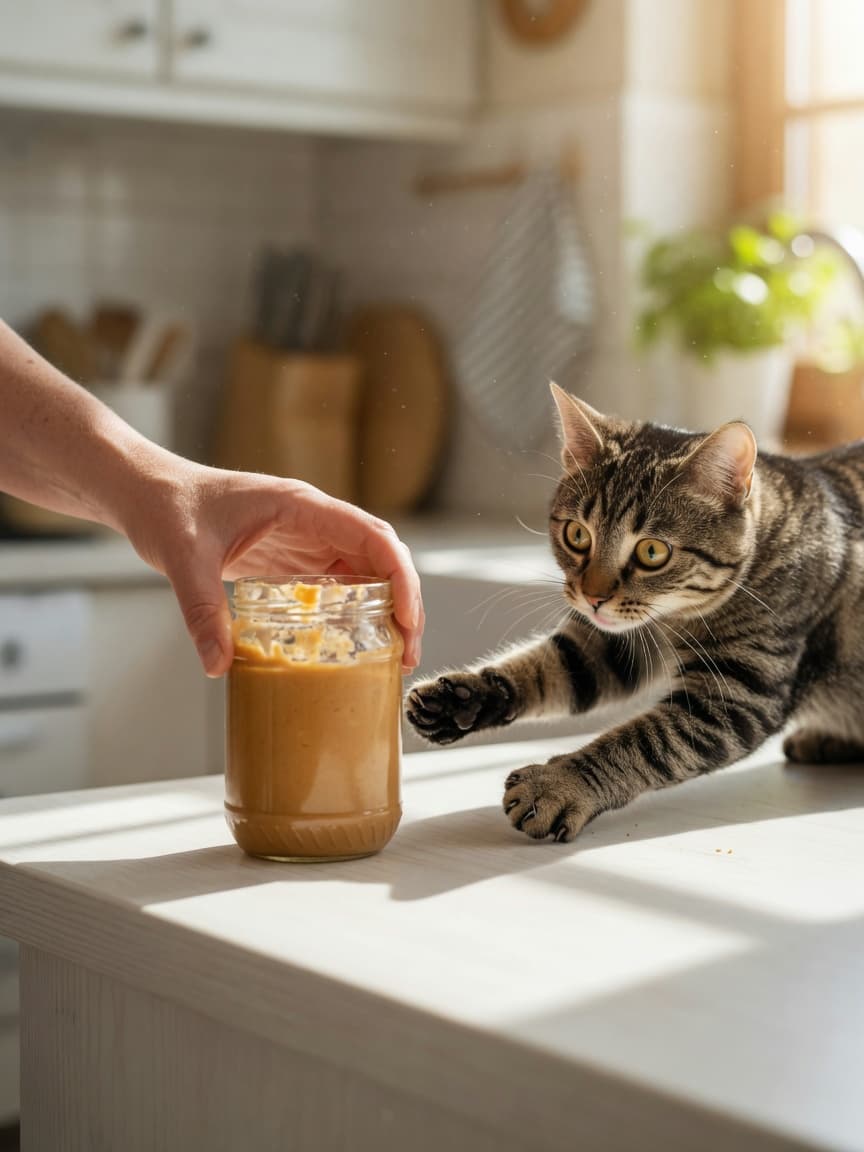
Peanut butter is not recommended for cats. While a very small amount of xylitol-free peanut butter is not immediately life-threatening, the risks consistently outweigh any benefit. The most serious concern is xylitol — an artificial sweetener found in many popular peanut butter brands that is highly…
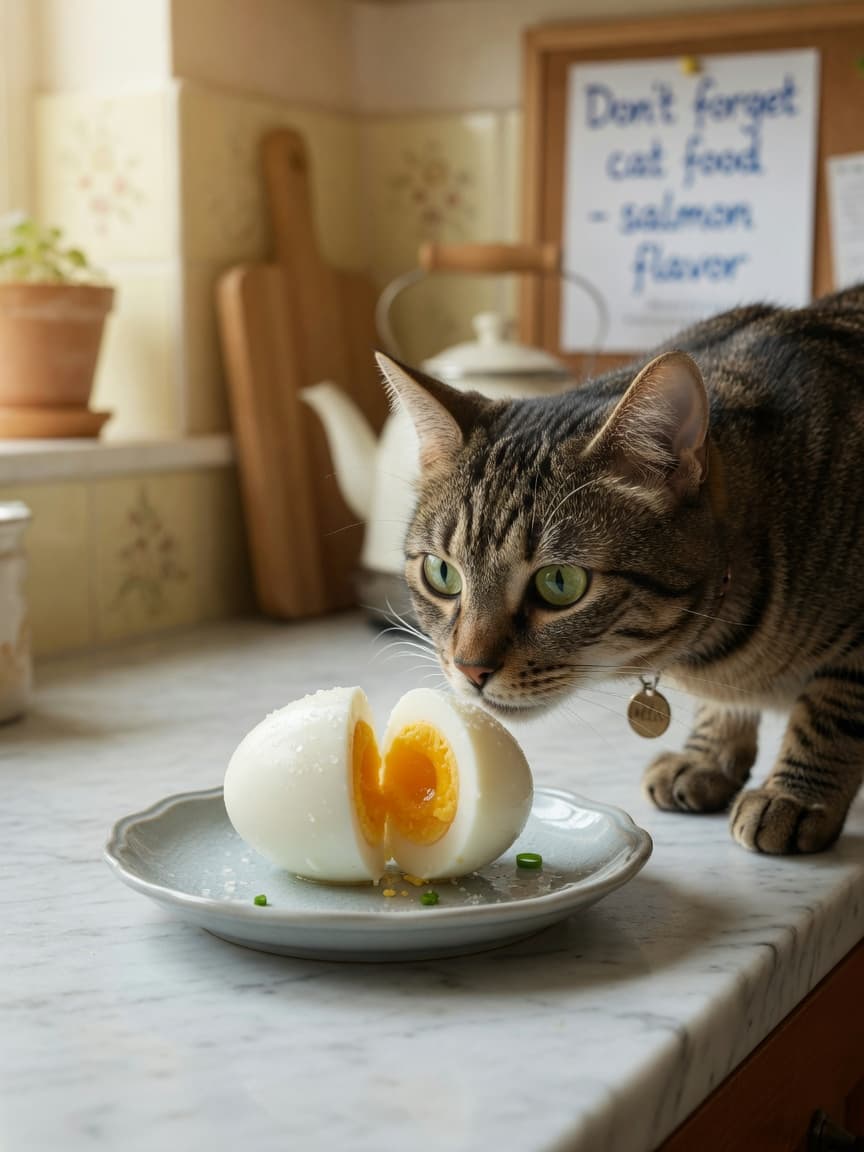
Eggs are one of the most nutritionally complete foods available. They contain high-quality protein, essential amino acids, and a range of vitamins and…

A limping cat demands attention, but the appropriate response depends enormously on the severity and context. A slight favoring of one leg after a long…
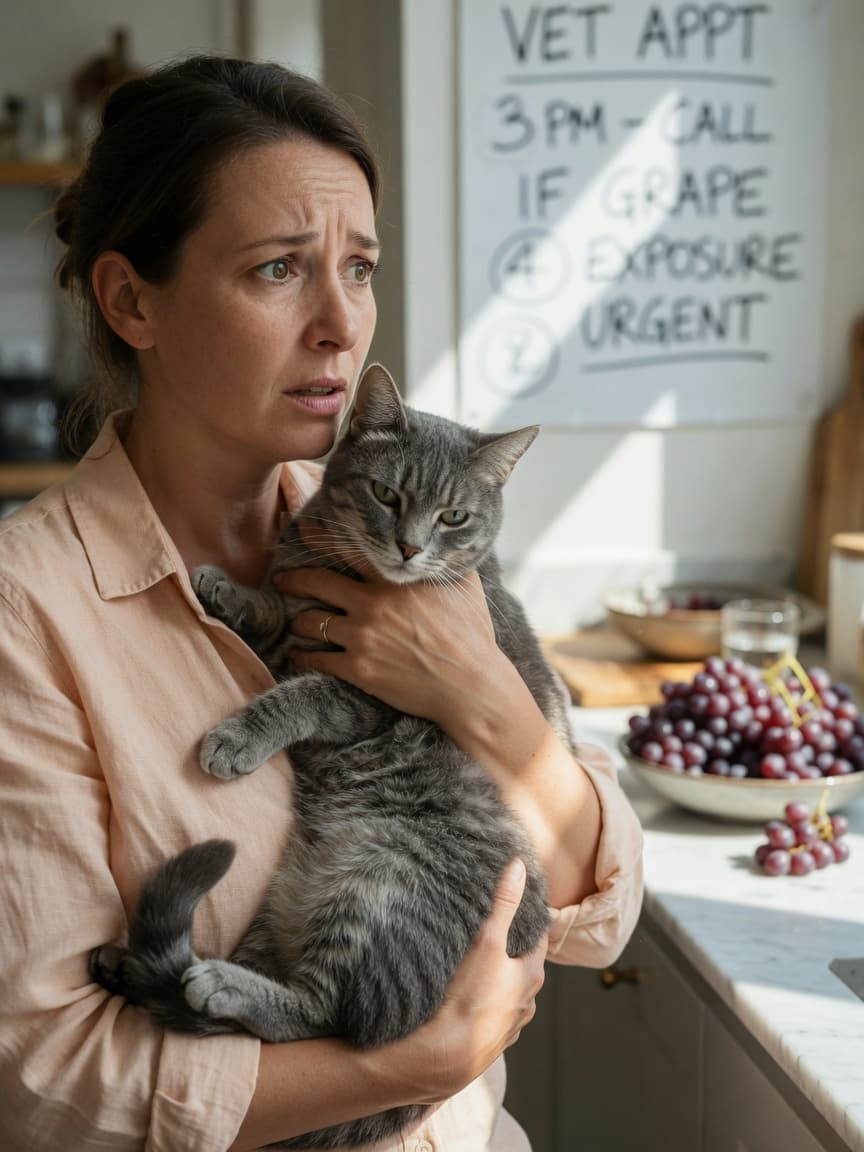
This is not a situation where "a little bit is probably fine." Grapes and raisins have been associated with sudden, severe acute kidney failure (acute renal failure) in companion animals. While much of the documented research involves dogs, veterinary toxicologists warn that cats must be considered …
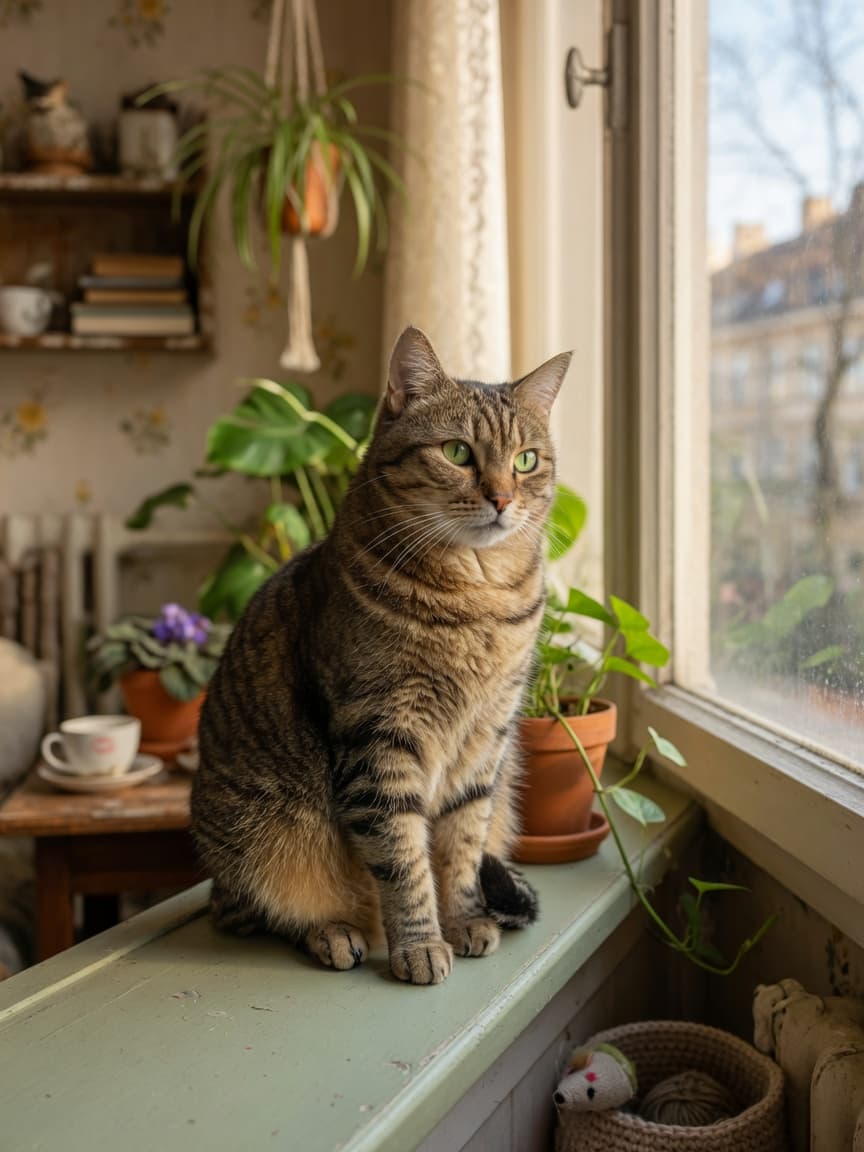
Myth-busting fact: The idea that cats are independent, aloof creatures who don't need human company is one of the most thoroughly debunked myths in…
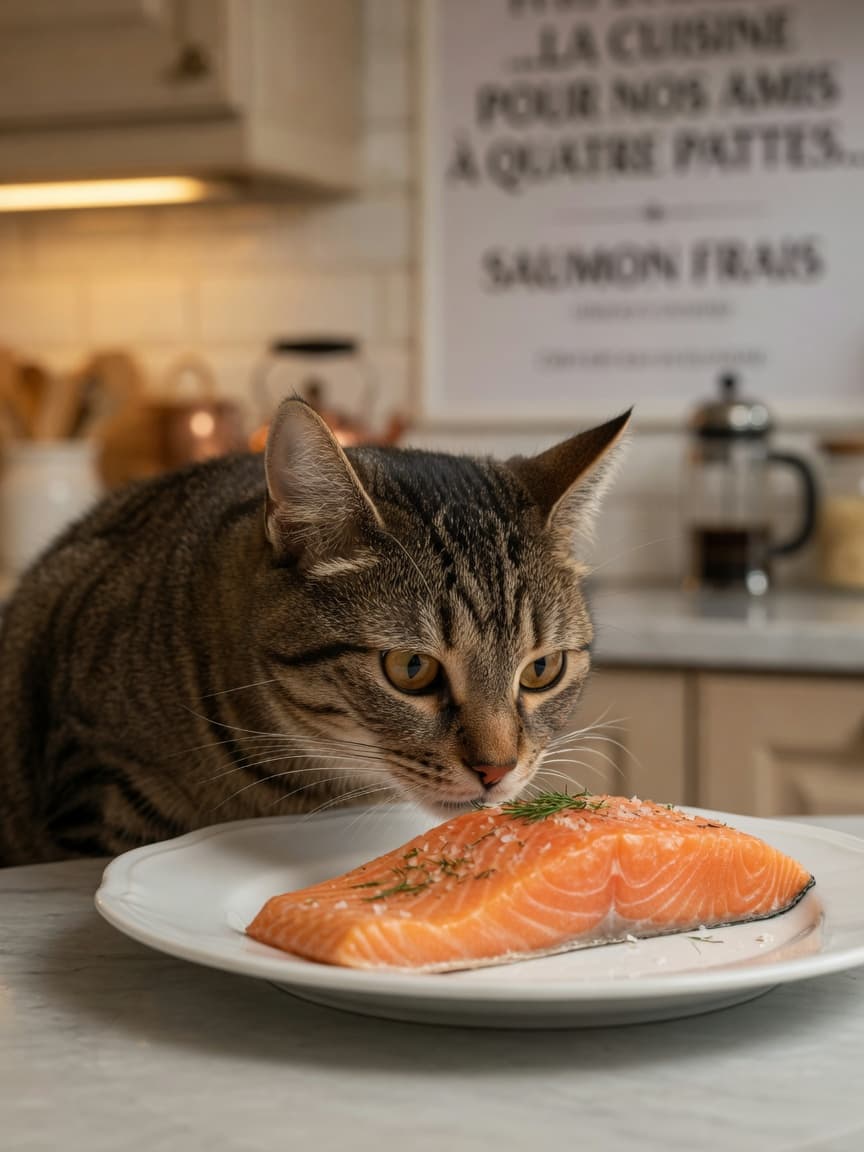
Ask any cat owner and they will tell you: most cats go absolutely wild for fish. This is no accident. Cats are obligate carnivores whose senses are finely tuned to detect animal-derived fats and proteins. The strong aroma of fish triggers powerful feeding responses. From a nutritional standpoint, sa…
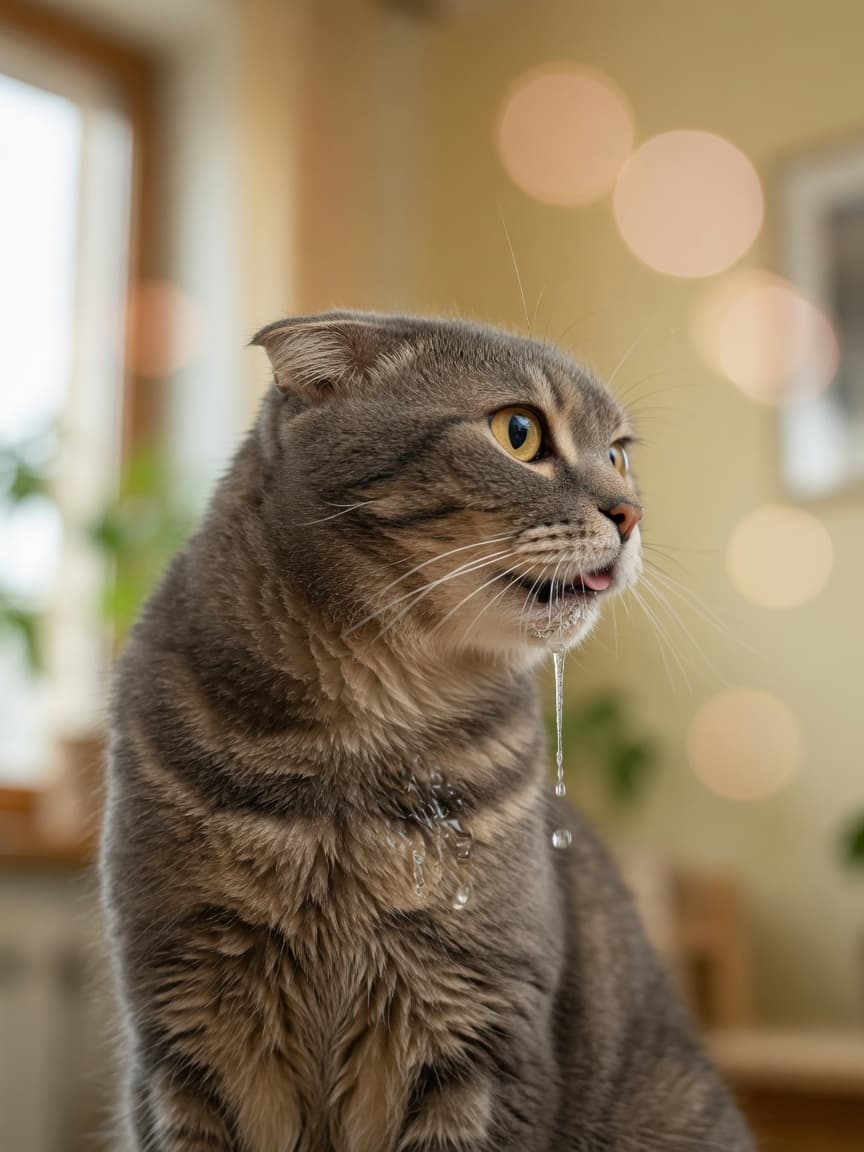
Unlike dogs, cats are not naturally drooly animals. While a dog might slobber its way through a normal day, excessive salivation in cats — called…

The image of a cat lapping up a bowl of milk is deeply embedded in popular culture, but the reality is far less charming for your pet's digestive system. Most adult cats are lactose intolerant. As kittens, cats produce an enzyme called lactase that helps break down lactose, the natural sugar found i…
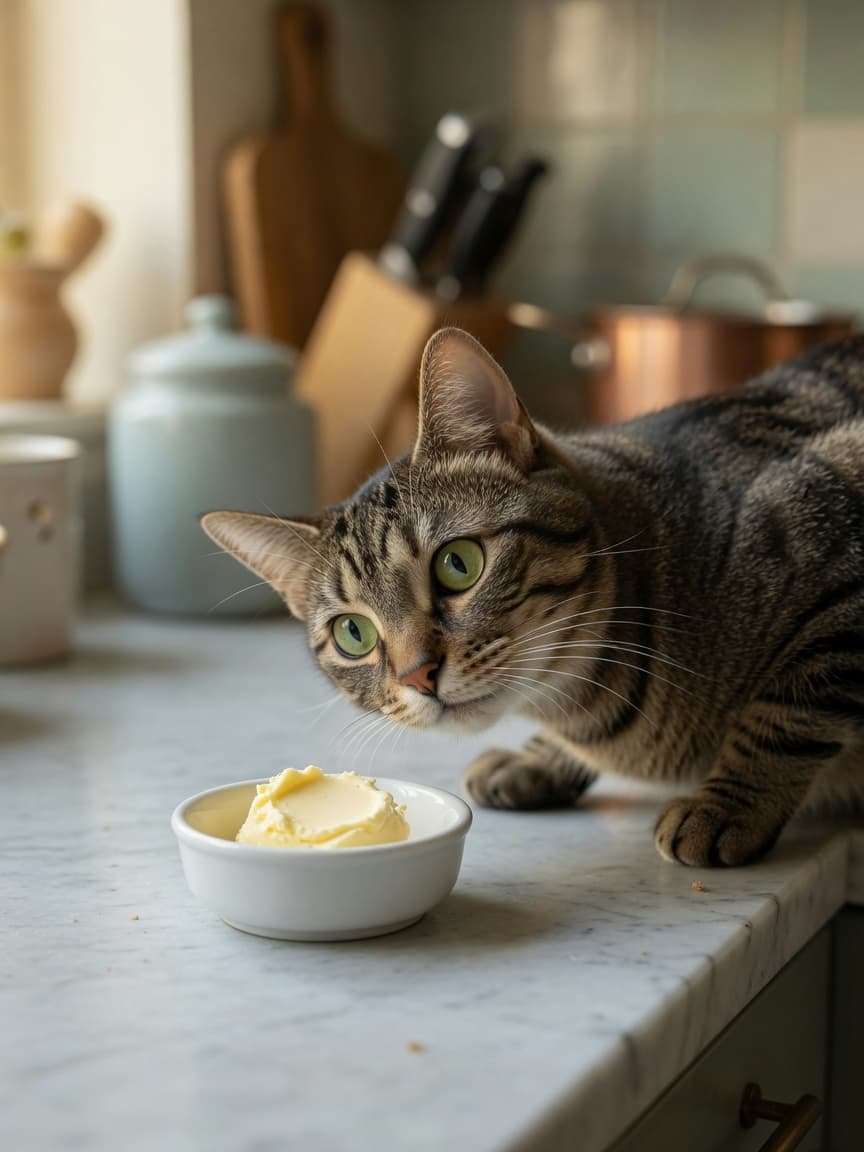
Butter is not toxic to cats in the way that garlic or chocolate is. A cat that licks a small amount of butter from a knife is not in danger. However,…
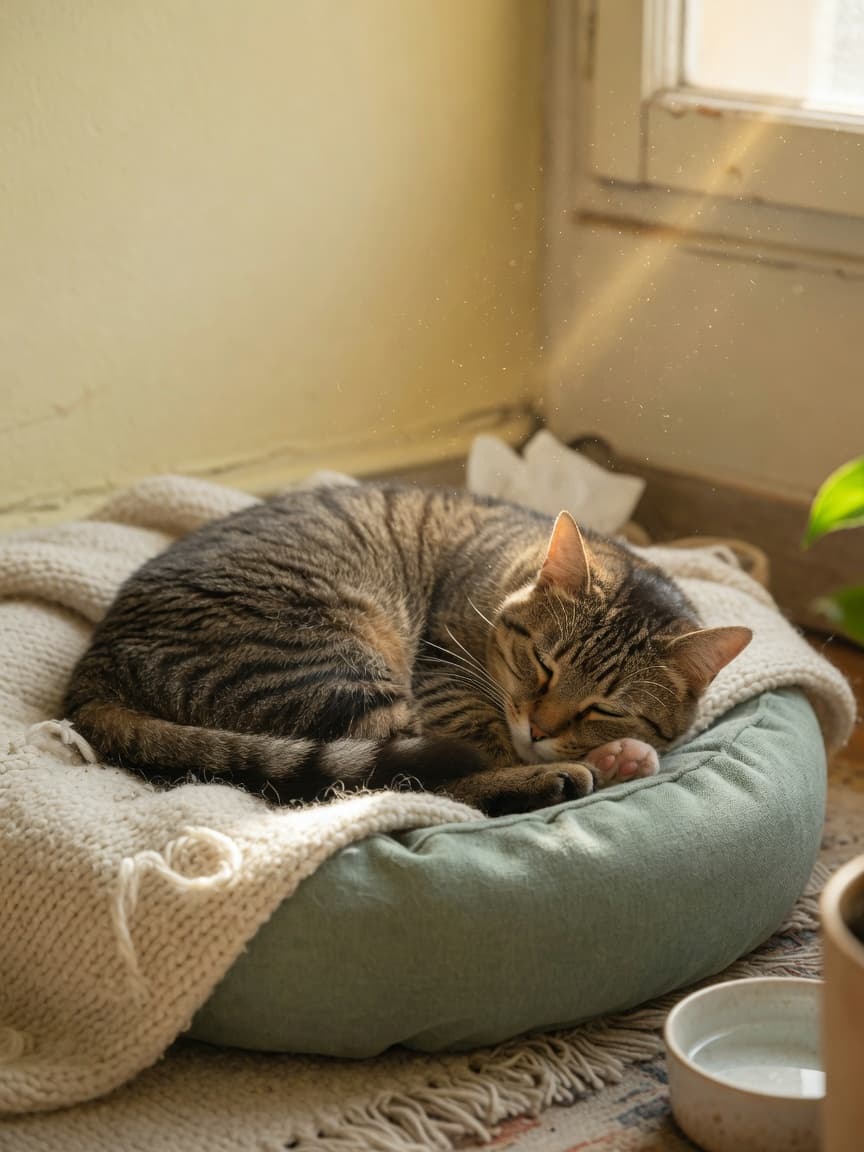
If you've ever watched your cat spend most of the day curled up on the couch and wondered whether something is wrong, you're not alone. Cats are…
Free newsletter
Weekly science-backed advice for dog & cat owners. No spam, unsubscribe anytime.