Cats
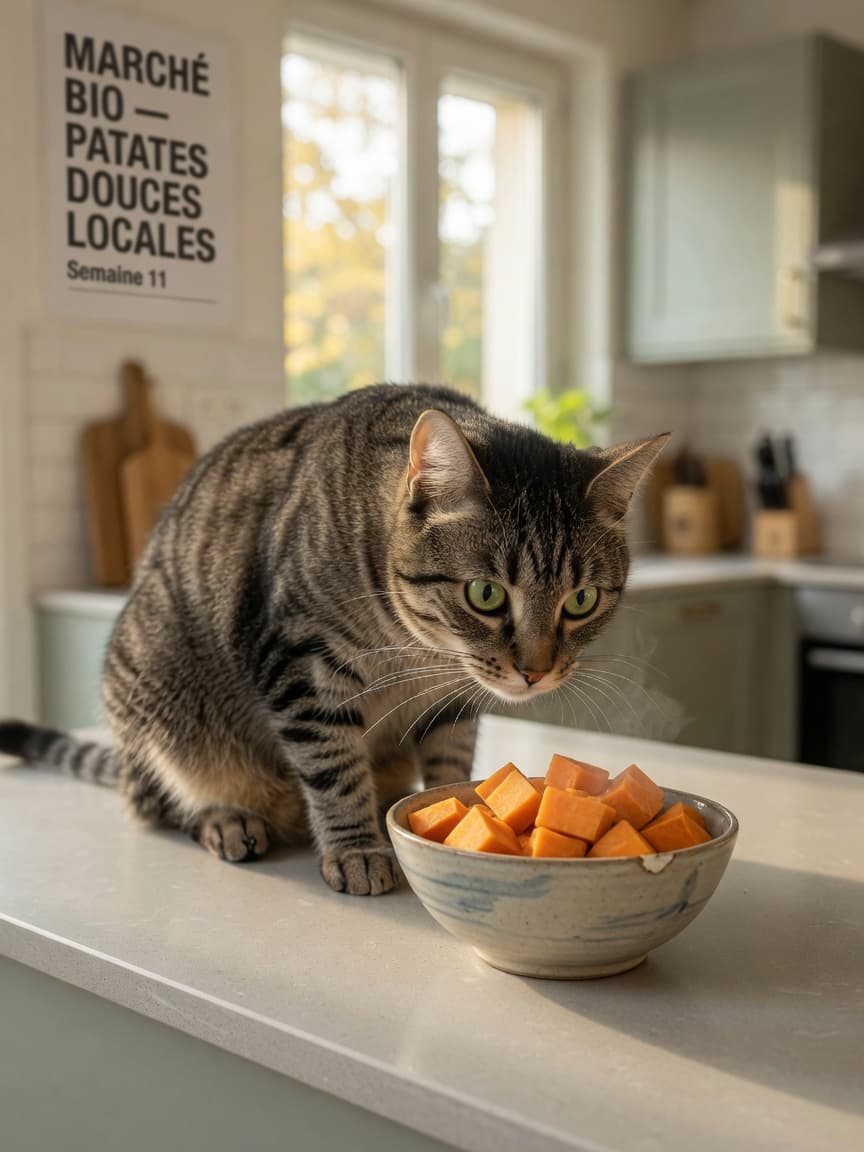
Can Cats Eat Sweet Potatoes?
Sweet potatoes are celebrated as a human superfood — packed with beta-carotene, vitamins, and fiber. When a cat shows curiosity about what's on your…
Julia WrenfieldJuly 2, 2026

Cat health, behavior, and wellness tips
Sweet potatoes are celebrated as a human superfood — packed with beta-carotene, vitamins, and fiber. When a cat shows curiosity about what's on your…
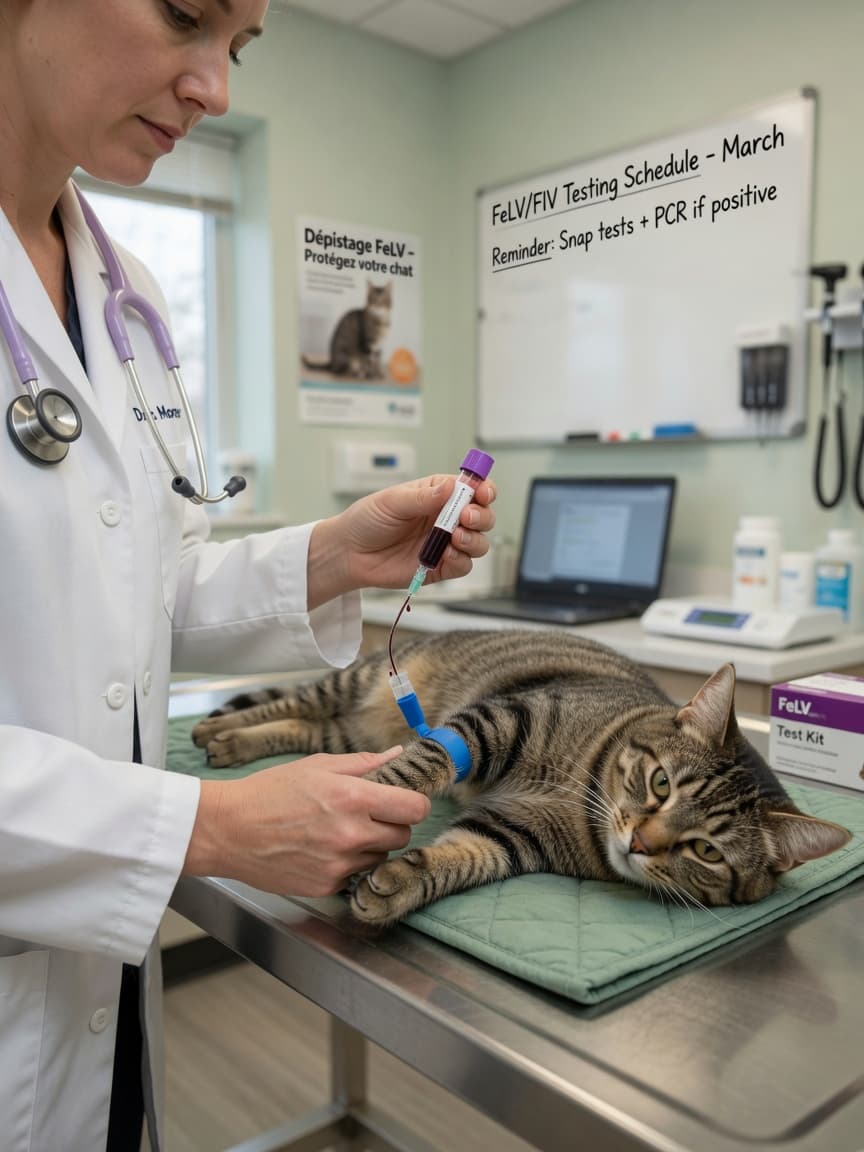
Feline leukaemia virus (FeLV) is one of the most common infectious causes of illness and death in domestic cats worldwide, yet many owners have never…

Yes — cooked plain sweet potato is safe for cats in very small amounts. It is not toxic and some cats will accept it as an occasional treat. However,…

For decades, a diagnosis of feline infectious peritonitis felt like a death sentence. Vets would deliver the news quietly, owners would cry, and cats…

An occasional sneeze is as normal for cats as it is for people. But when your cat starts a sneezing jag that lasts for days, or when you notice…
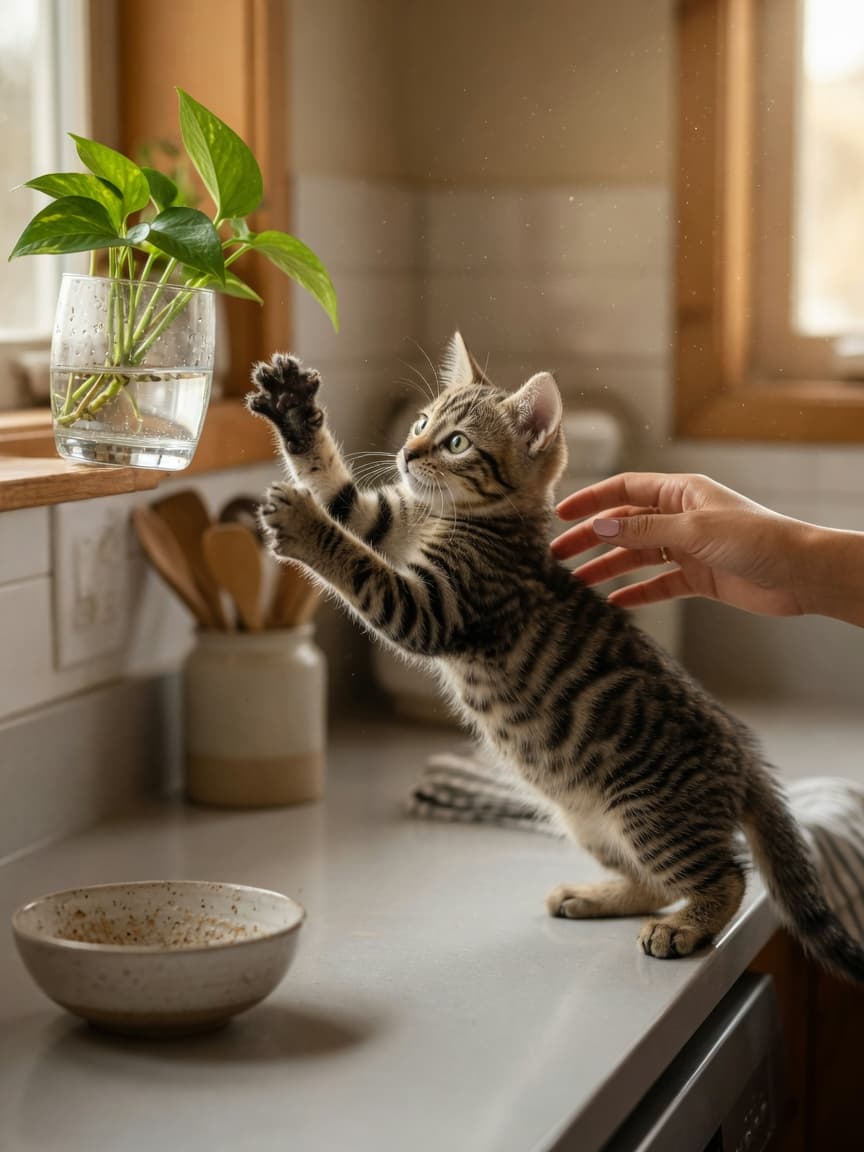
A kitten's combination of agility, curiosity, and complete absence of caution makes it one of the most accident-prone animals you can bring into a…
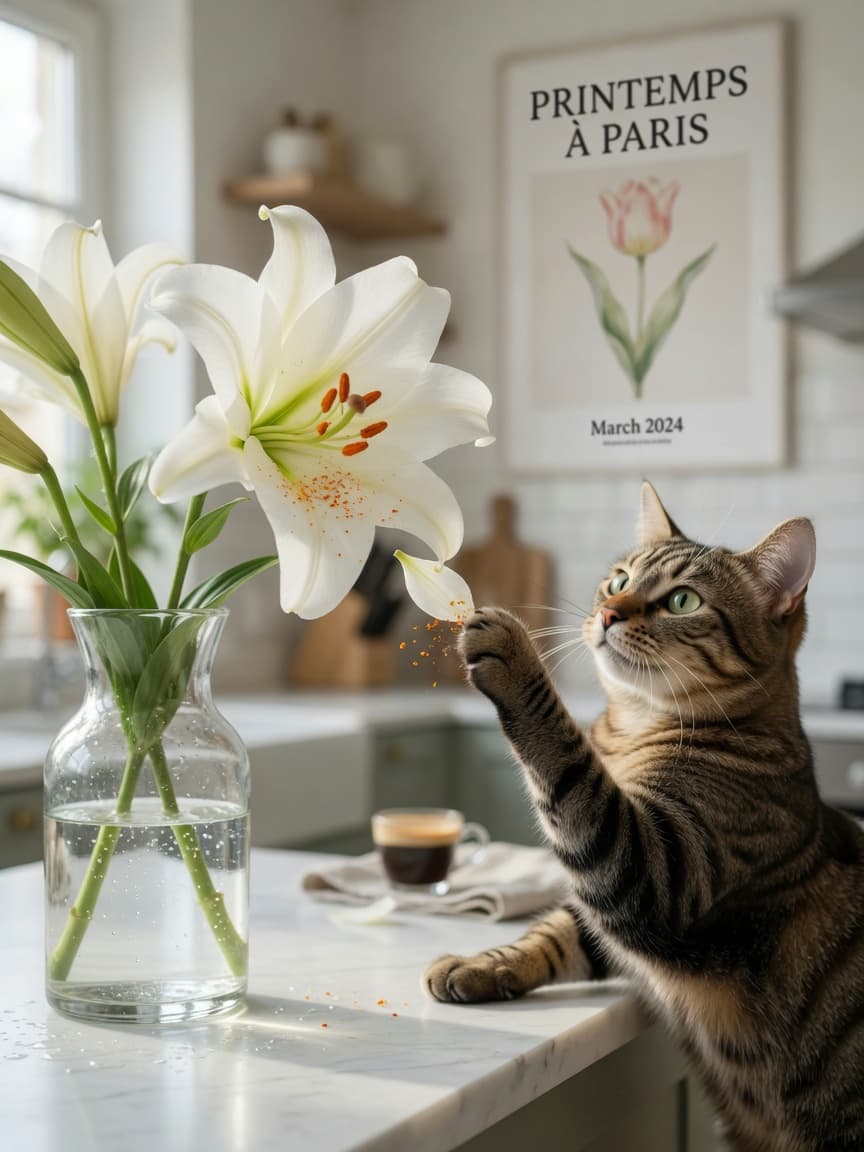
Few plant toxicities in veterinary medicine are as severe or as well-documented as lily poisoning in cats. What makes lilies uniquely terrifying is…

Spinach is one of the most nutritious leafy greens in the human diet — rich in iron, vitamins A, C, and K, and antioxidants. When cat owners ask…

Chocolate toxicity in cats is not a myth or an exaggeration for cautious pet owners. It is a well-documented, life-threatening medical reality. The danger comes from two alkaloids found in cocoa: theobromine and caffeine. In humans, these compounds are processed and eliminated by the liver relativel…
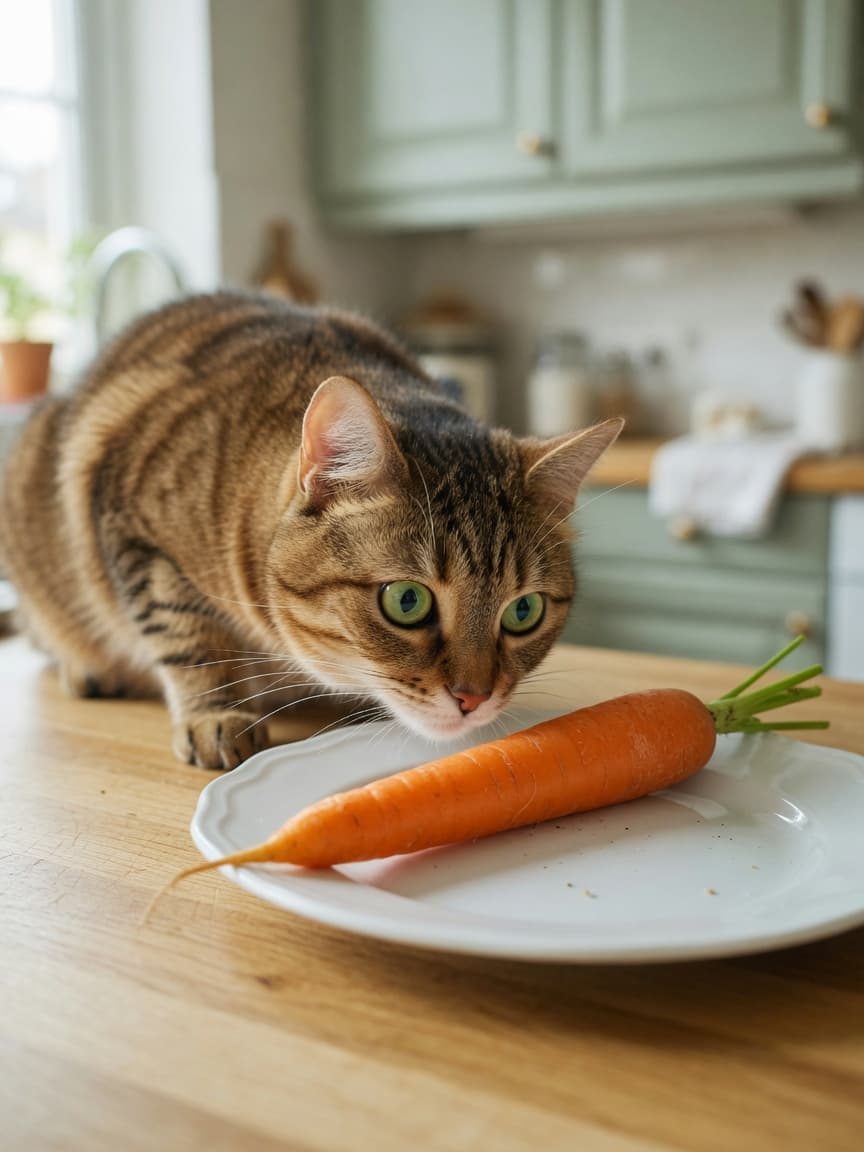
Cooked plain carrots are safe for cats in very small amounts and are not toxic. However, raw carrots present a choking and digestive risk, and the…
You notice your cat squatting repeatedly in the litter tray, producing little or nothing. She may cry out, lick her hindquarters obsessively, or leave…
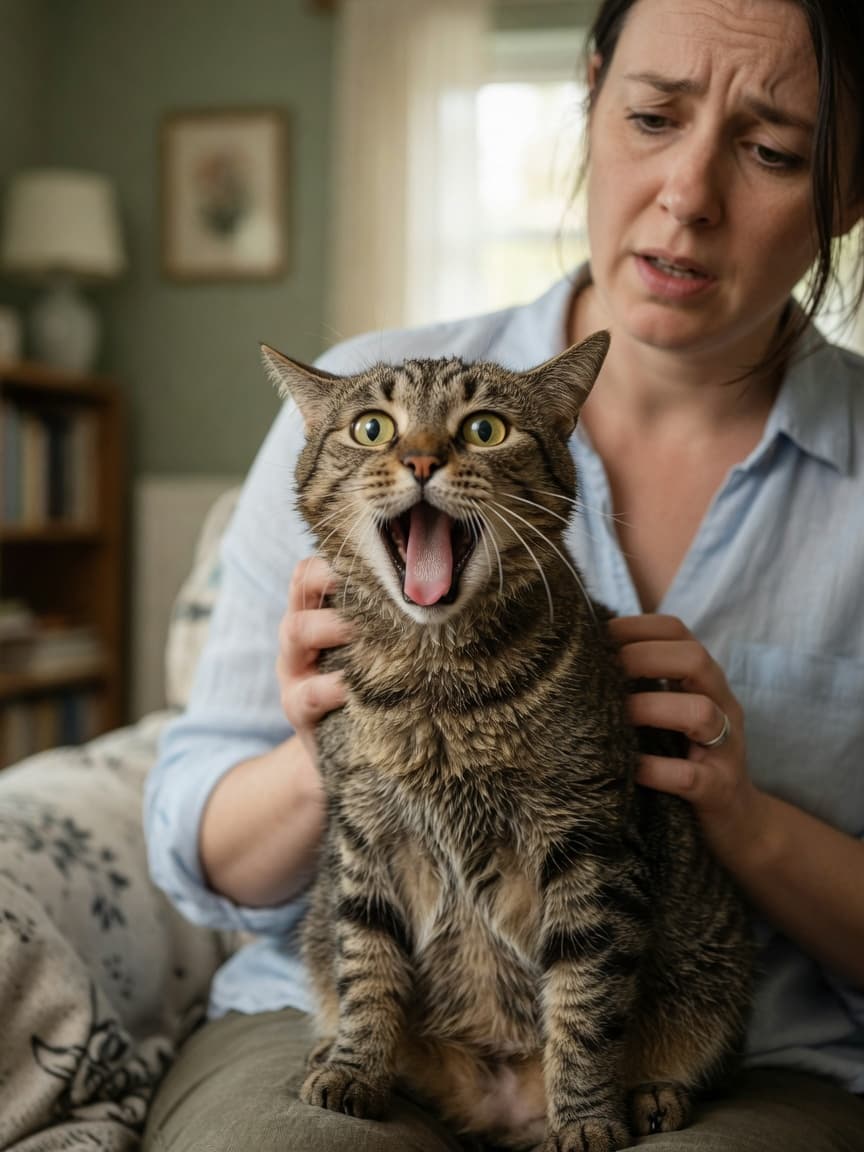
A panting dog is a picture of healthy, happy exertion. A panting cat is almost always a medical problem. This fundamental difference trips up even…
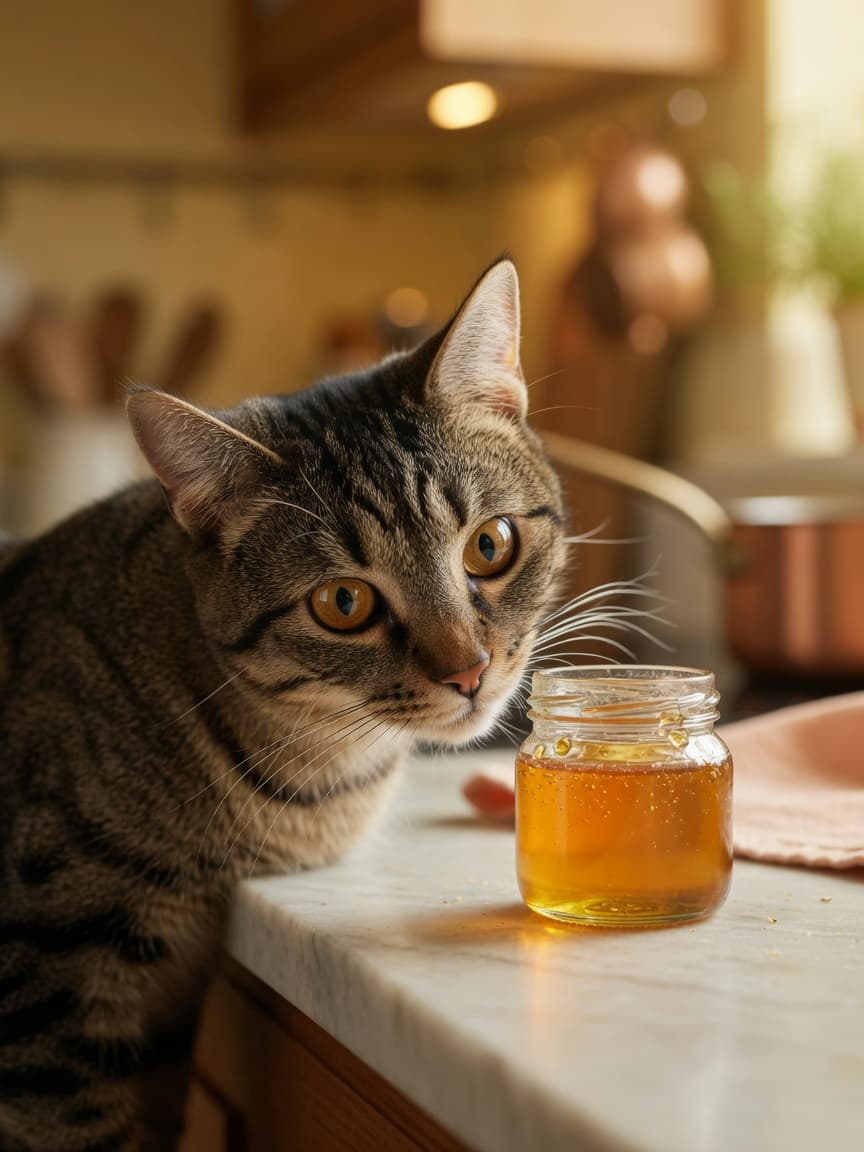
Honey occupies an interesting position in the world of natural foods. It is often associated with health benefits for humans — antimicrobial…
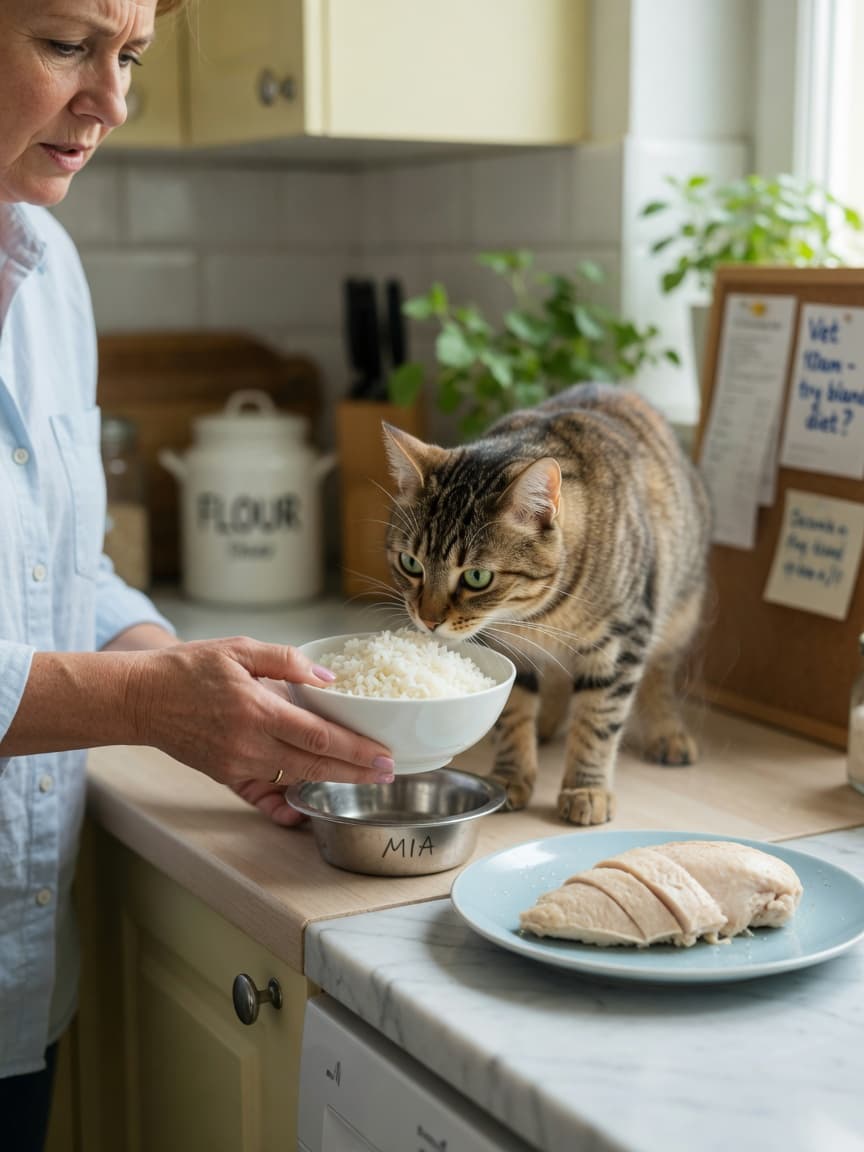
Plain cooked white rice is not toxic to cats and is commonly used by veterinarians as part of a bland diet to help settle an upset stomach. However, rice provides no meaningful nutrition for cats as obligate carnivores, and it should never become a regular part of their diet. It is a short-term dige…
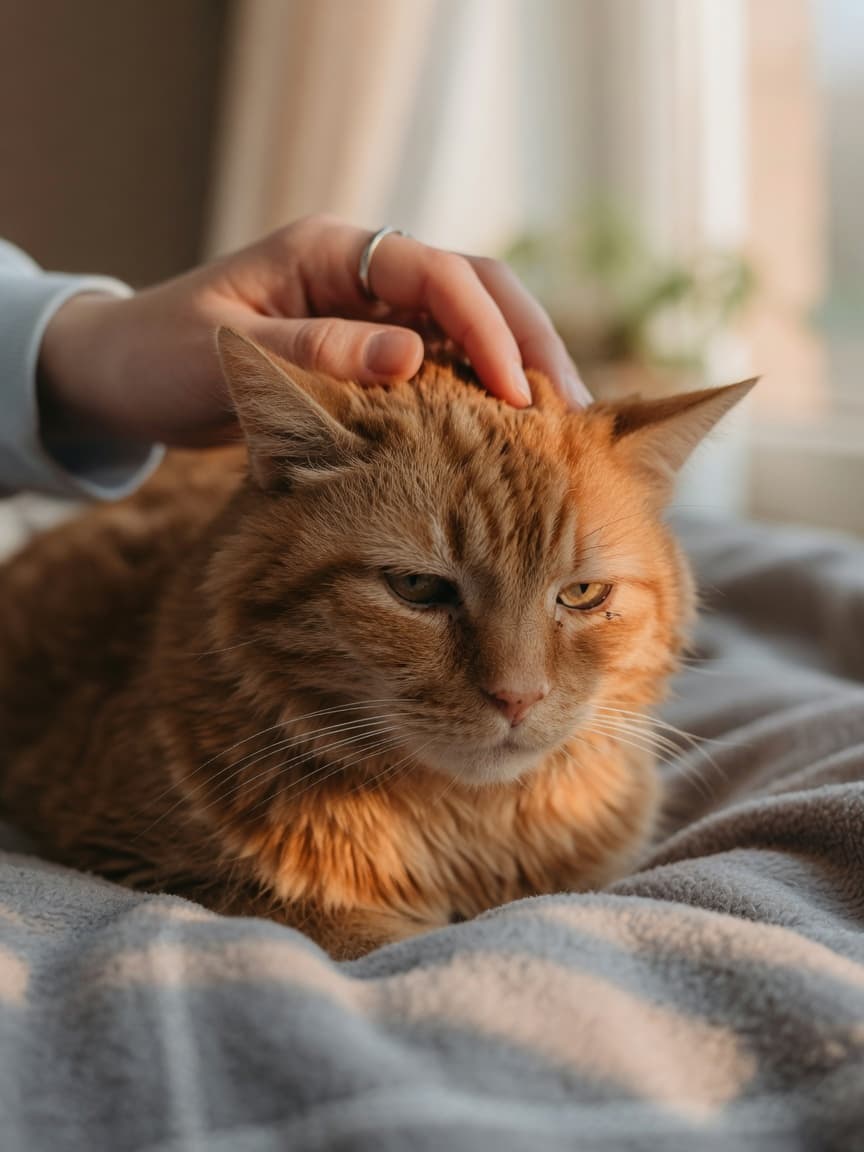
Feline immunodeficiency virus (FIV) is a lentivirus — a slow-acting retrovirus — that progressively weakens the immune system of infected cats. Often…
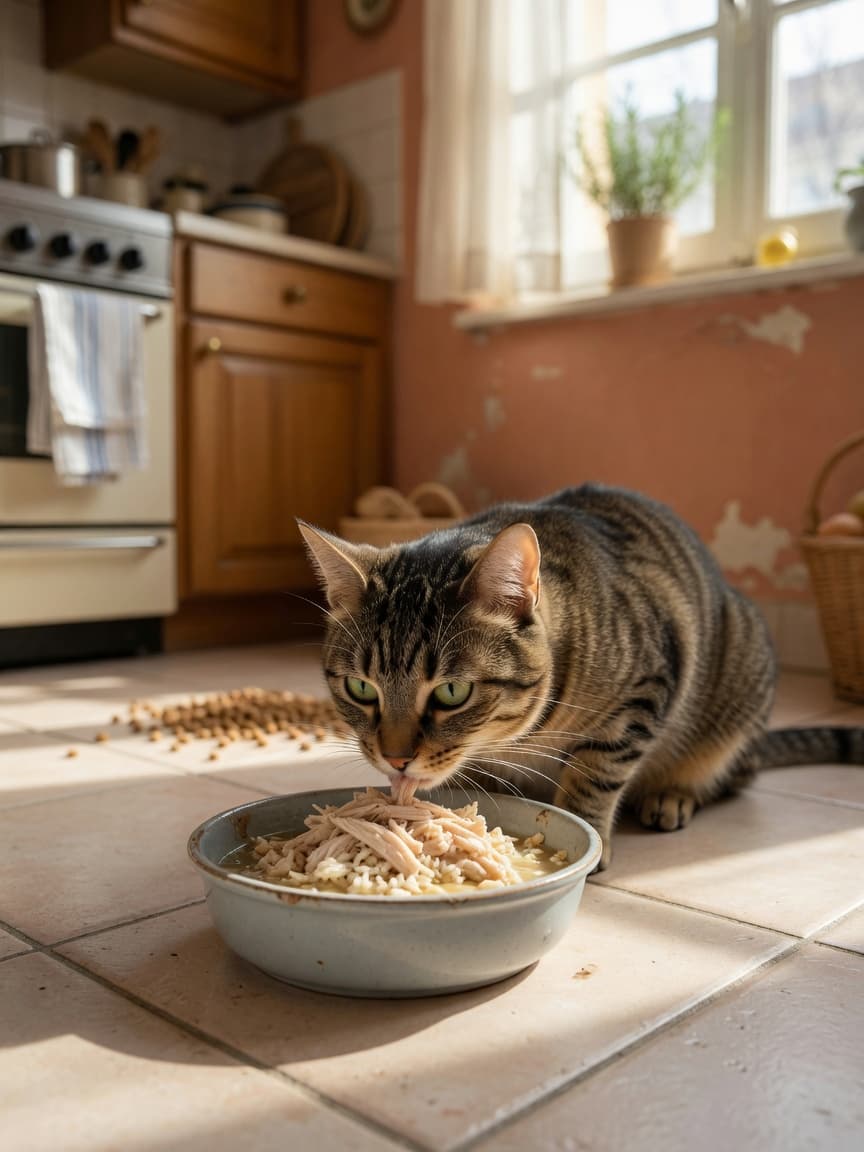
Cats are obligate carnivores, meaning their bodies are evolutionarily designed to derive nutrition almost entirely from animal tissue. Unlike omnivores, cats lack the metabolic pathways to efficiently convert plant-based nutrients into usable forms. Chicken delivers what cats need most: complete ani…
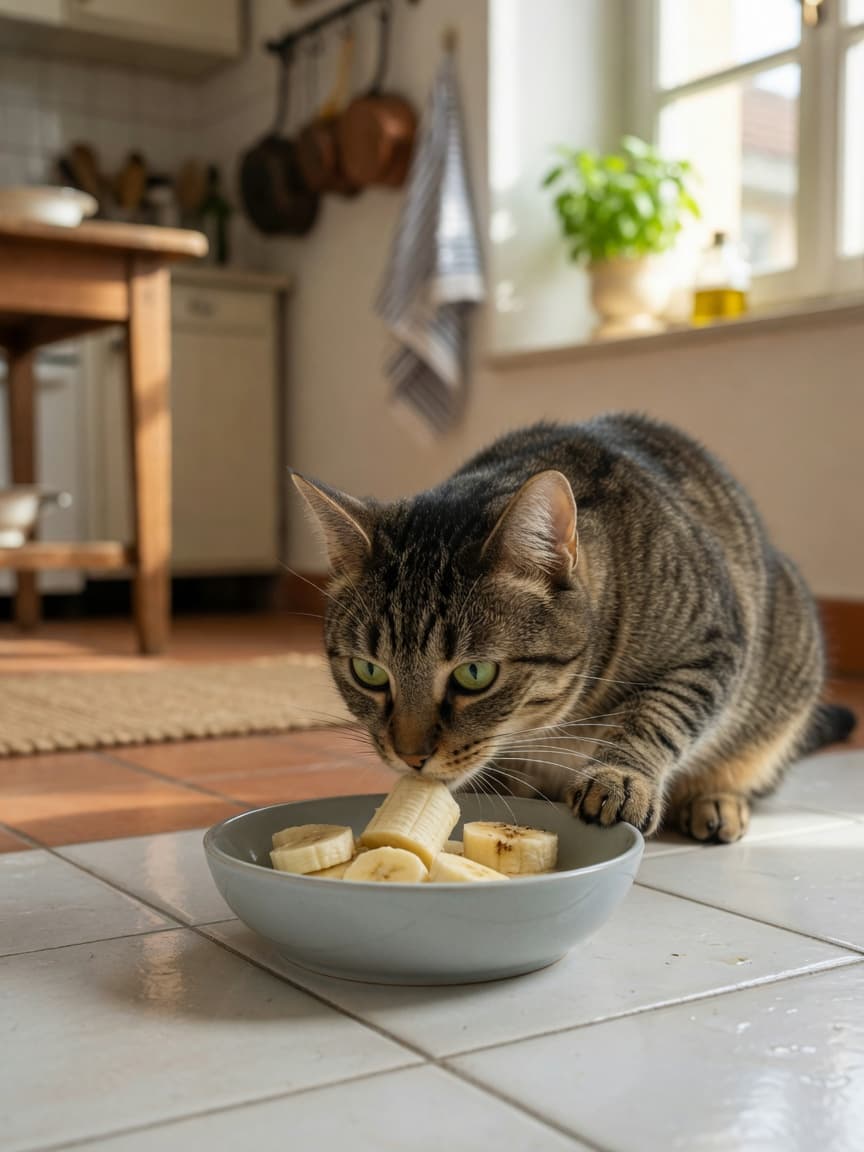
The straightforward answer is no — bananas are not listed as toxic to cats by major veterinary toxicology references. The ASPCA does not classify bananas as poisonous to felines. This makes them safer than many other fruits that cat owners ask about, such as grapes, raisins, or citrus. However, "not…
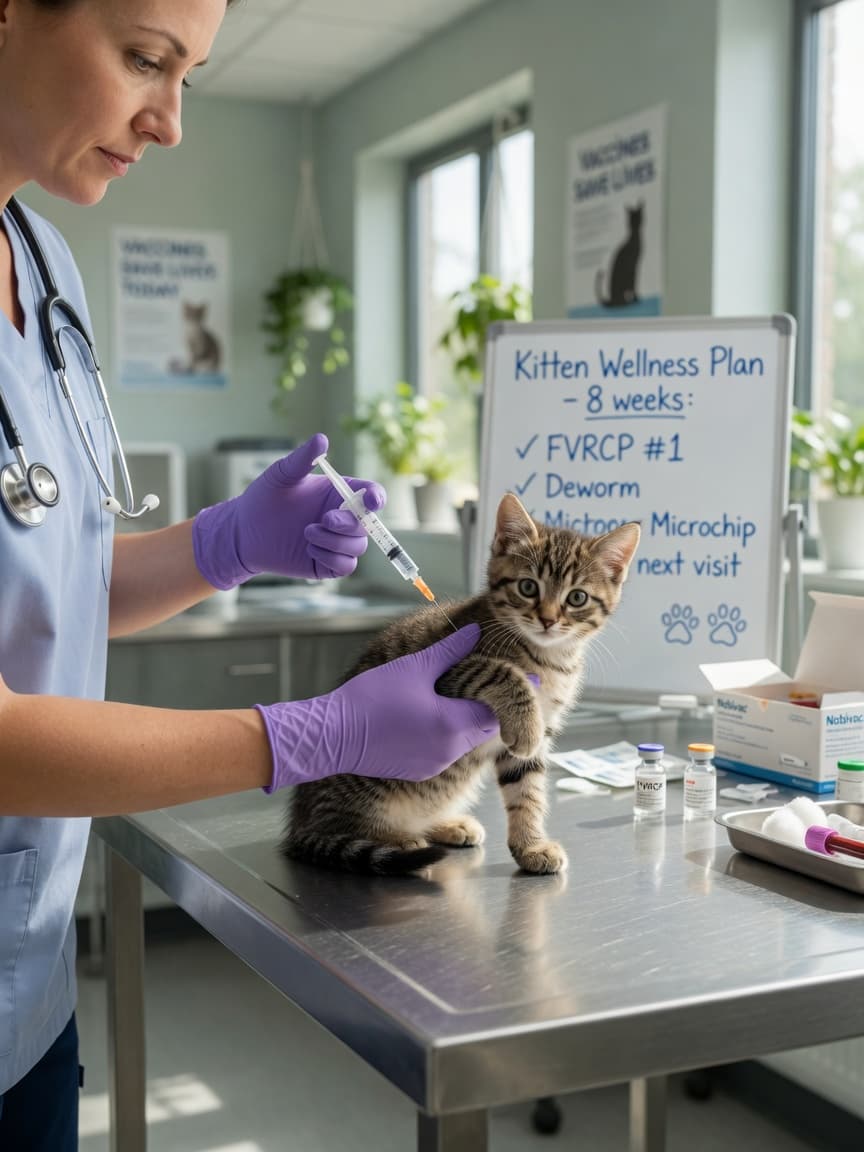
Kittens may appear less fragile than the reputation suggests, but their immune systems are profoundly vulnerable in the first weeks of life. Diseases…
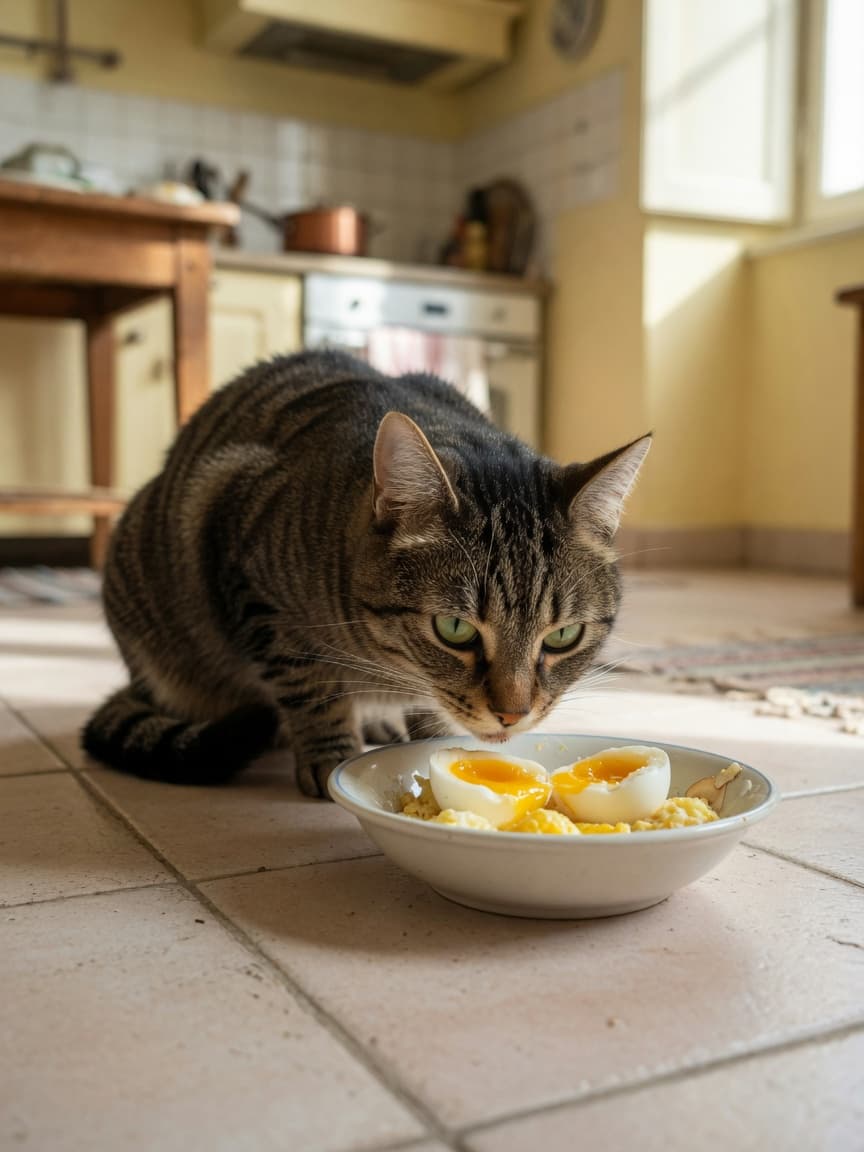
Cats are obligate carnivores — their digestive systems and metabolic pathways are optimized for animal-sourced nutrition. Eggs are one of the most nutritionally complete animal foods available, which is why they can be a valuable occasional addition to a cat's diet. Unlike plant-based protein source…
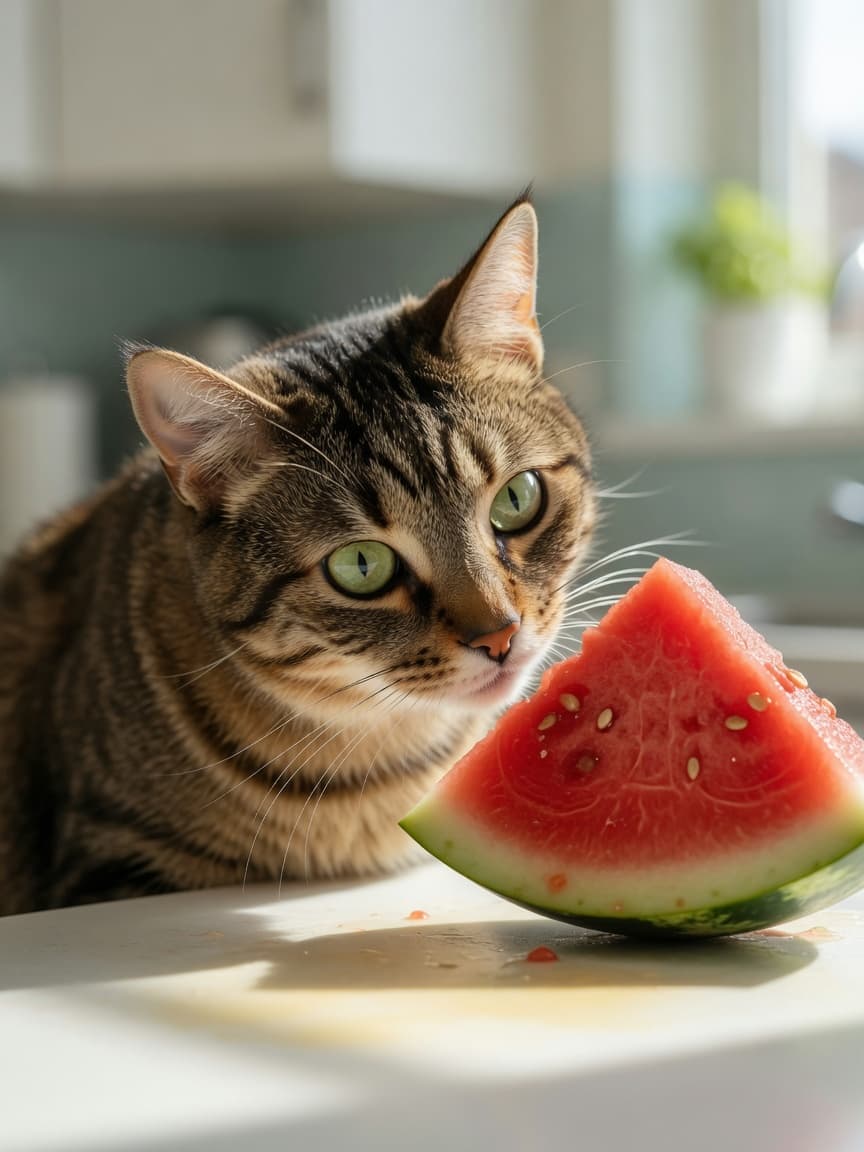
Watermelon flesh is not toxic to cats. The ASPCA does not list watermelon as poisonous to felines, and veterinary nutritionists generally regard the flesh as a harmless occasional treat. Unlike grapes or citrus fruits — which pose genuine health risks to cats — watermelon's main drawback is simply t…
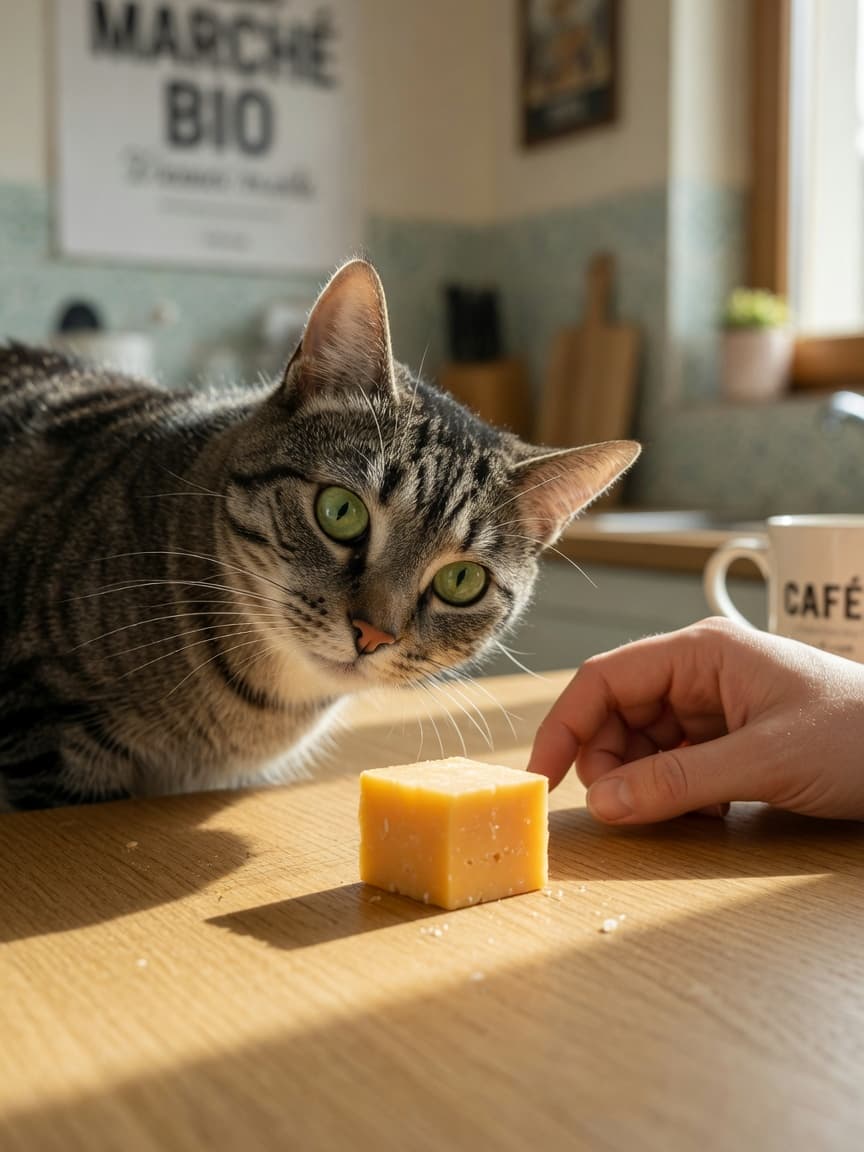
The image of a cat contentedly lapping up milk or nibbling cheese is deeply embedded in popular culture — but it does not reflect feline biology accurately. Cats are obligate carnivores evolved to obtain all their nutrition from animal prey, not dairy products. Dairy is not a natural or necessary pa…
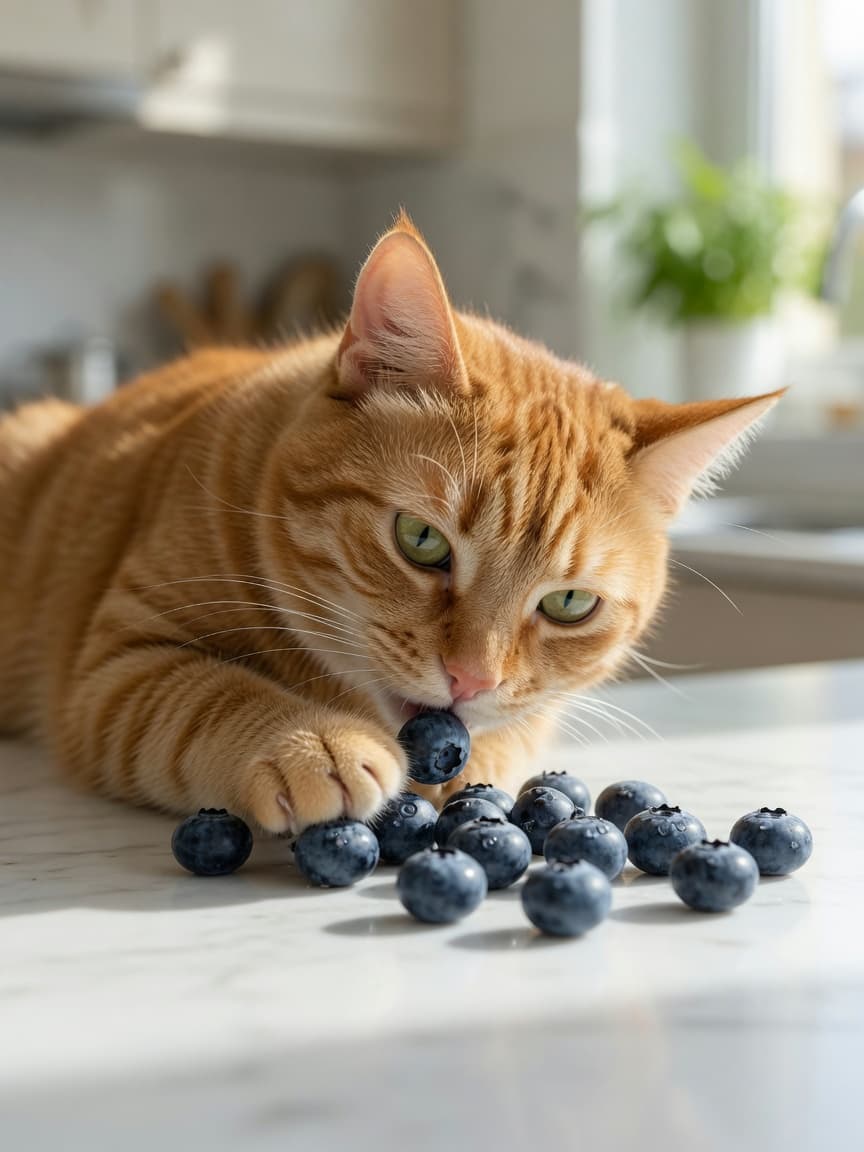
Blueberries do not appear on any major veterinary toxicology lists — they are not toxic to cats. The ASPCA does not classify blueberries as a dangerous food for felines. So if your cat has snatched a blueberry off the counter or shows curiosity about the fruit, you do not need to panic.
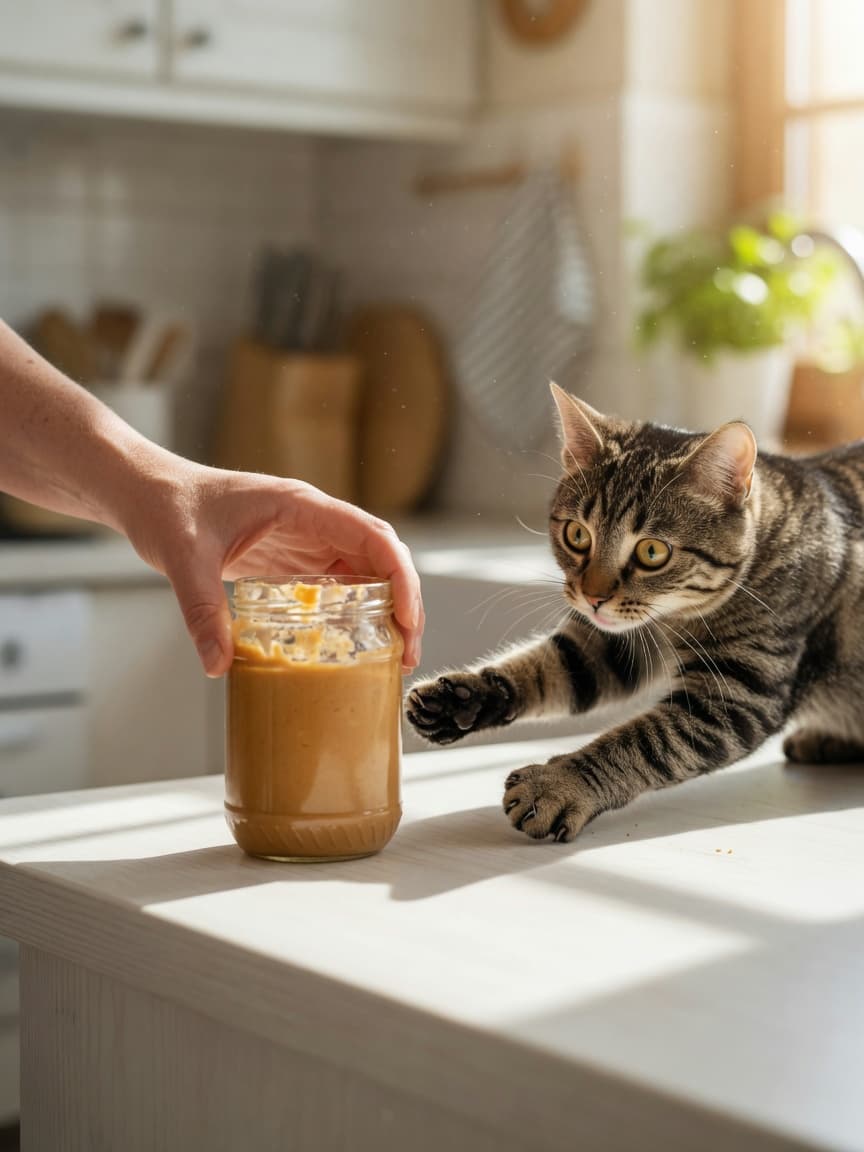
Peanut butter is not recommended for cats. While a very small amount of xylitol-free peanut butter is not immediately life-threatening, the risks consistently outweigh any benefit. The most serious concern is xylitol — an artificial sweetener found in many popular peanut butter brands that is highly…
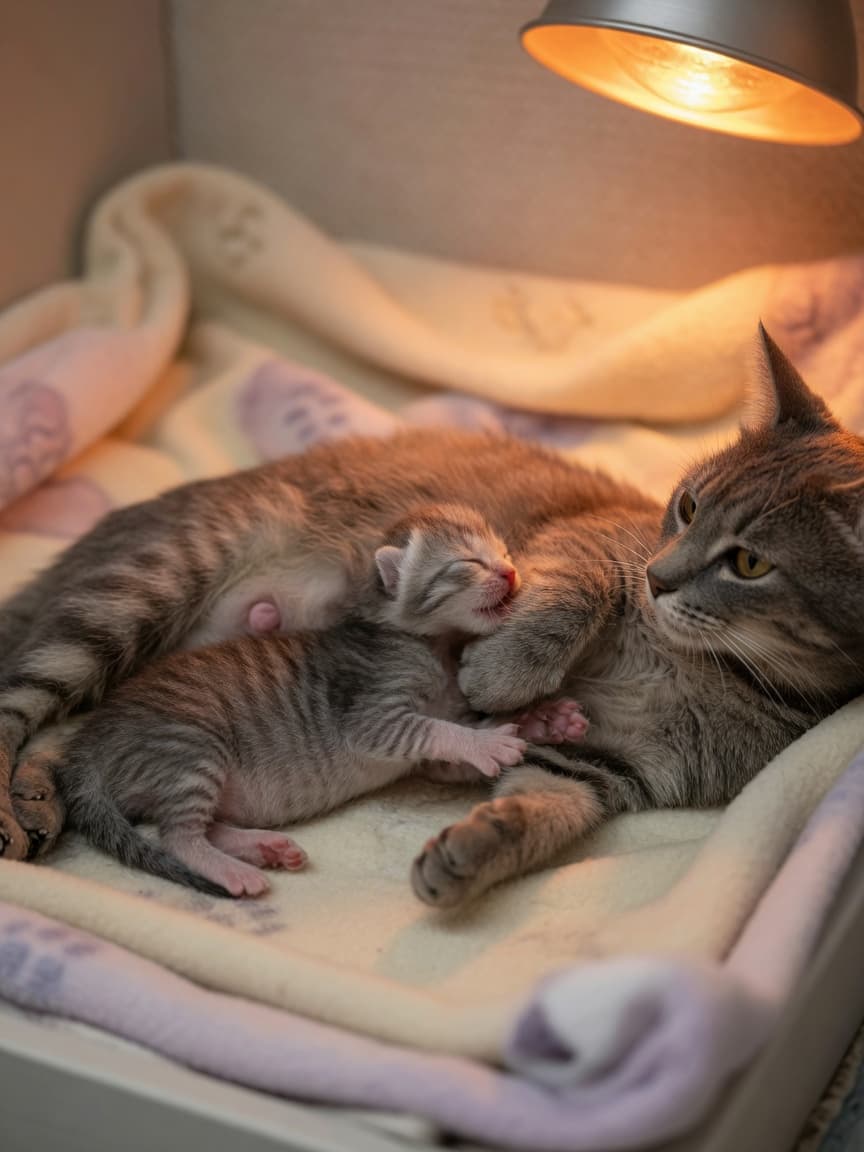
Newborn kittens are among the most fragile of all domestic animal neonates. Born with their eyes and ears sealed shut, unable to walk or regulate their…
Free newsletter
Weekly science-backed advice for dog & cat owners. No spam, unsubscribe anytime.