
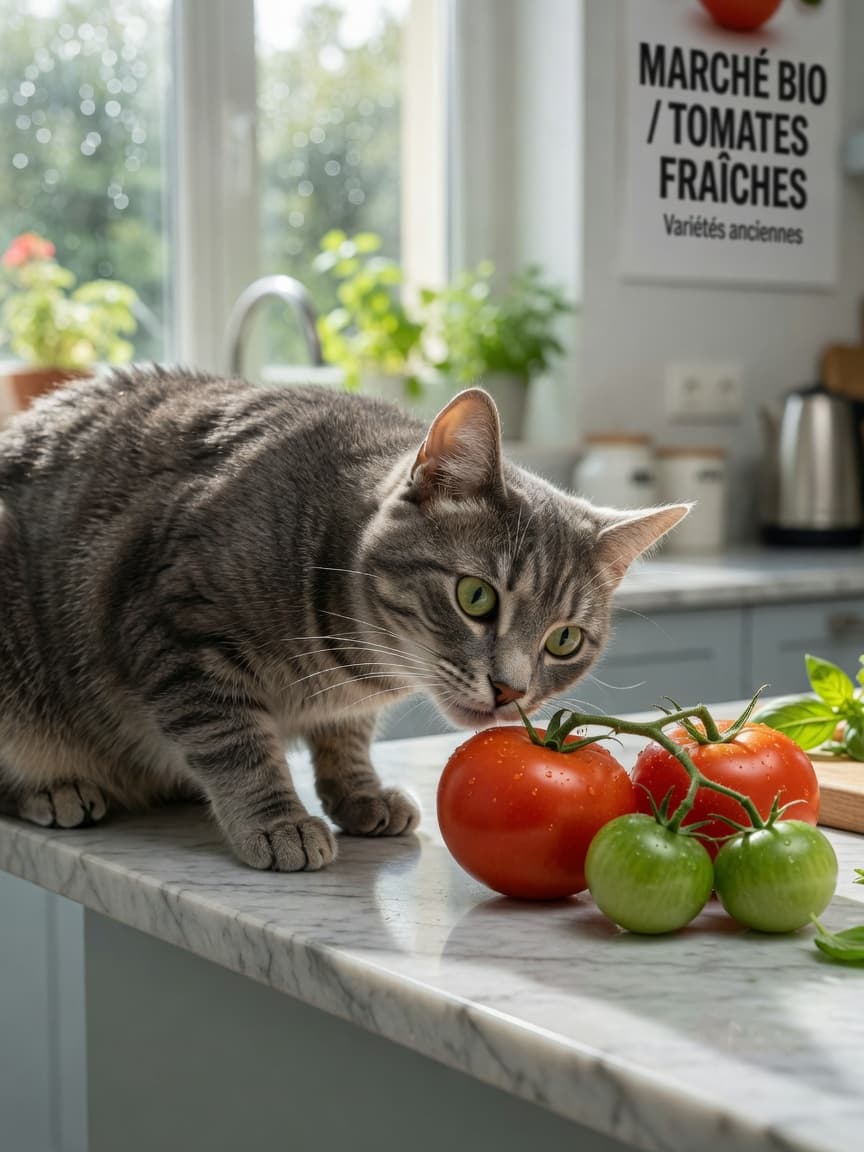
Can Cats Eat Tomatoes? Green vs Ripe Explained
By Julia Wrenfield, Pet Wellness Researcher
If you've ever caught your cat sniffing around your kitchen counter or garden, you may have wondered whether the tomatoes sitting there pose any danger. Tomatoes are a staple of human kitchens and gardens worldwide, but for cats — strict obligate carnivores — the picture is more complicated than a simple yes or no. The ripeness of the tomato matters enormously, and understanding the difference could protect your pet's health.
The Solanine Problem: Why Green Tomatoes Are Dangerous
Tomatoes belong to the Solanaceae family, the same botanical group as potatoes, eggplants, and deadly nightshade. All members of this family produce solanine and alpha-tomatine, glycoalkaloid compounds that serve as natural pesticides for the plant. In humans, small amounts of these alkaloids are processed without much trouble, but cats lack the efficient detoxification pathways needed to handle them safely.
Green, unripe tomatoes contain the highest concentrations of tomatine and solanine. The same is true of the leaves, stems, and flowers of the tomato plant. If your cat spends time in a vegetable garden, the plant itself — not just the fruit — represents a serious hazard. Ingestion of green tomatoes or any part of the tomato plant can lead to:
- Gastrointestinal upset (vomiting, diarrhea, drooling)
- Lethargy and weakness
- Confusion or disorientation
- Dilated pupils
- Slowed heart rate
- In severe cases, tremors or seizures
Symptoms typically appear within a few hours of ingestion. If you witness your cat eating any part of a green tomato plant, contact your veterinarian or an animal poison control hotline immediately.
What About Ripe Red Tomatoes?
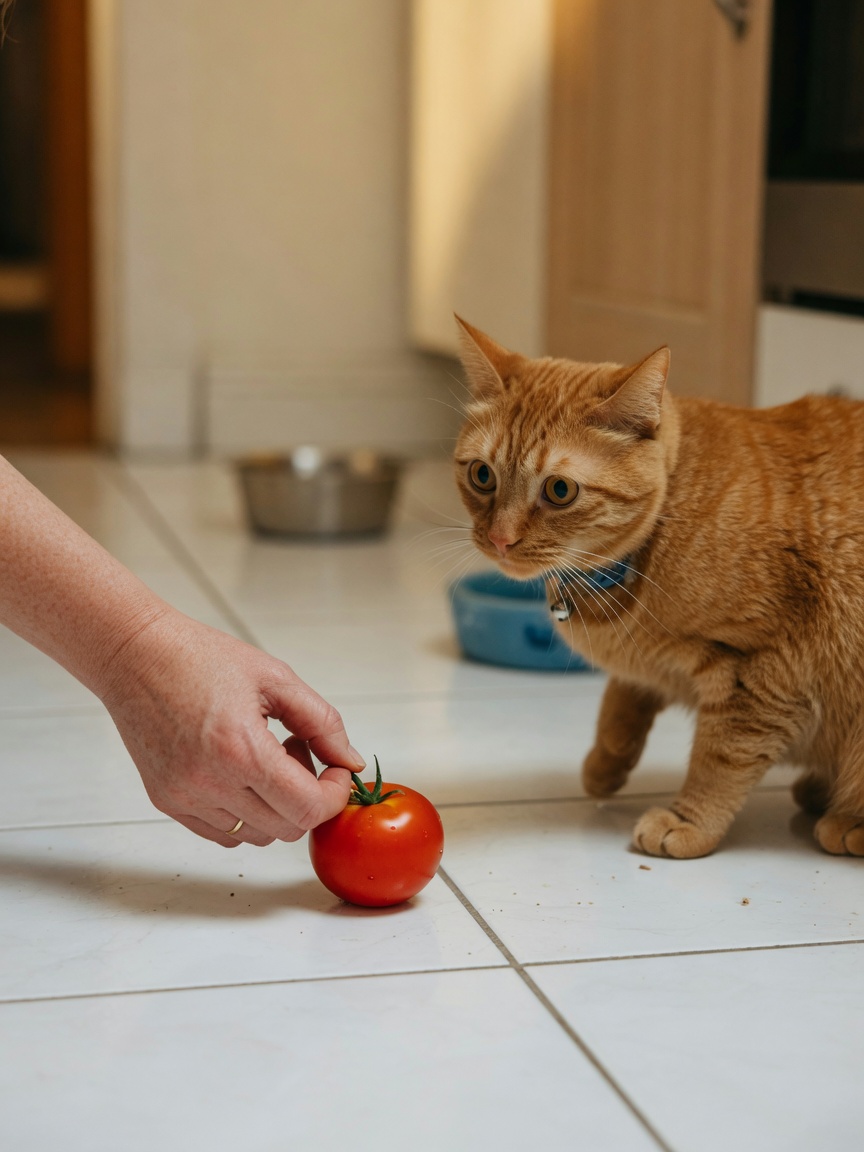
As tomatoes ripen, the concentration of solanine and tomatine drops dramatically. A fully ripe, red tomato contains only trace amounts of these alkaloids — far below the threshold likely to cause toxicity in a cat that takes one curious nibble. The American Society for the Prevention of Cruelty to Animals (ASPCA) lists ripe tomato fruit as minimally toxic for cats, meaning occasional tiny amounts are unlikely to cause harm.
However, "unlikely to cause harm" is not the same as "safe to feed." Ripe tomatoes offer virtually nothing of value to a cat's physiology. Cats cannot taste sweetness, so the appeal of fruit is limited, and their digestive systems are optimized for protein and fat, not carbohydrates and plant fibers. The acids in tomatoes may irritate sensitive feline stomachs, and some cats will vomit even after eating a small piece of ripe tomato simply due to digestive incompatibility.
Tomato-Based Products: Hidden Dangers
Even if plain ripe tomato is a low risk, tomato-based products commonly found in human kitchens are often a different story. Tomato sauce, ketchup, tomato soup, and canned tomatoes frequently contain:
- Onion and garlic — both highly toxic to cats, causing oxidative damage to red blood cells
- Salt — excessive sodium intake leads to electrolyte imbalances and in high doses, sodium ion poisoning
- Artificial flavors and preservatives — cats lack the liver enzymes to detoxify many compounds humans handle easily
- Sugar — contributes to obesity and dental disease without any metabolic benefit
Never share pizza sauce, pasta sauce, or any seasoned tomato product with your cat. The primary tomato ingredient may be low risk, but the additives make these foods genuinely dangerous.
Signs of Tomato Plant Toxicity
If your cat has been in the garden and you suspect tomato plant ingestion, watch closely for early warning signs in the first one to four hours:
- Excessive salivation or drooling
- Pawing at the mouth
- Repeated vomiting
- Abdominal pain or bloating
- Unusual lethargy or collapse
Do not wait to see if symptoms worsen. Solanine toxicity can escalate quickly in small animals, and early veterinary intervention significantly improves outcomes. Bring a sample of the plant if possible so your vet can confirm the source of toxicity.
What Should Cats Eat Instead?
Cats thrive on high-protein, moisture-rich diets. Rather than offering fruits or vegetables as treats, consider cat-safe alternatives: small pieces of cooked unseasoned chicken, turkey, or fish. These protein sources align with a cat's natural dietary requirements and deliver genuine nutritional value. If you're looking for quality wet foods that support feline health, a wide selection of balanced options is available.
Browse premium wet cat foods at Zooplus — species-appropriate nutrition for every life stageKey Takeaways
- Green tomatoes, leaves, and stems contain solanine and tomatine — genuinely toxic to cats.
- Ripe red tomato flesh is low toxicity but provides no nutritional benefit to obligate carnivores.
- Tomato-based products (sauces, ketchup) are dangerous due to garlic, onion, and salt content.
- If your cat ingests any green tomato or tomato plant material, contact a vet immediately.
- Stick to species-appropriate treats: cooked meat, quality commercial cat food.
Scientific References
- Friedman, M. (2002). Tomato glycoalkaloids: Role in the plant and in the diet. Journal of Agricultural and Food Chemistry, 50(21), 5751–5780. PMID: 12358452
- Gwaltney-Brant, S. M. (2001). Food-associated toxicoses in pets: toxic plants. Veterinary Medicine, 96(2), 140–147. PMID: 11228489