
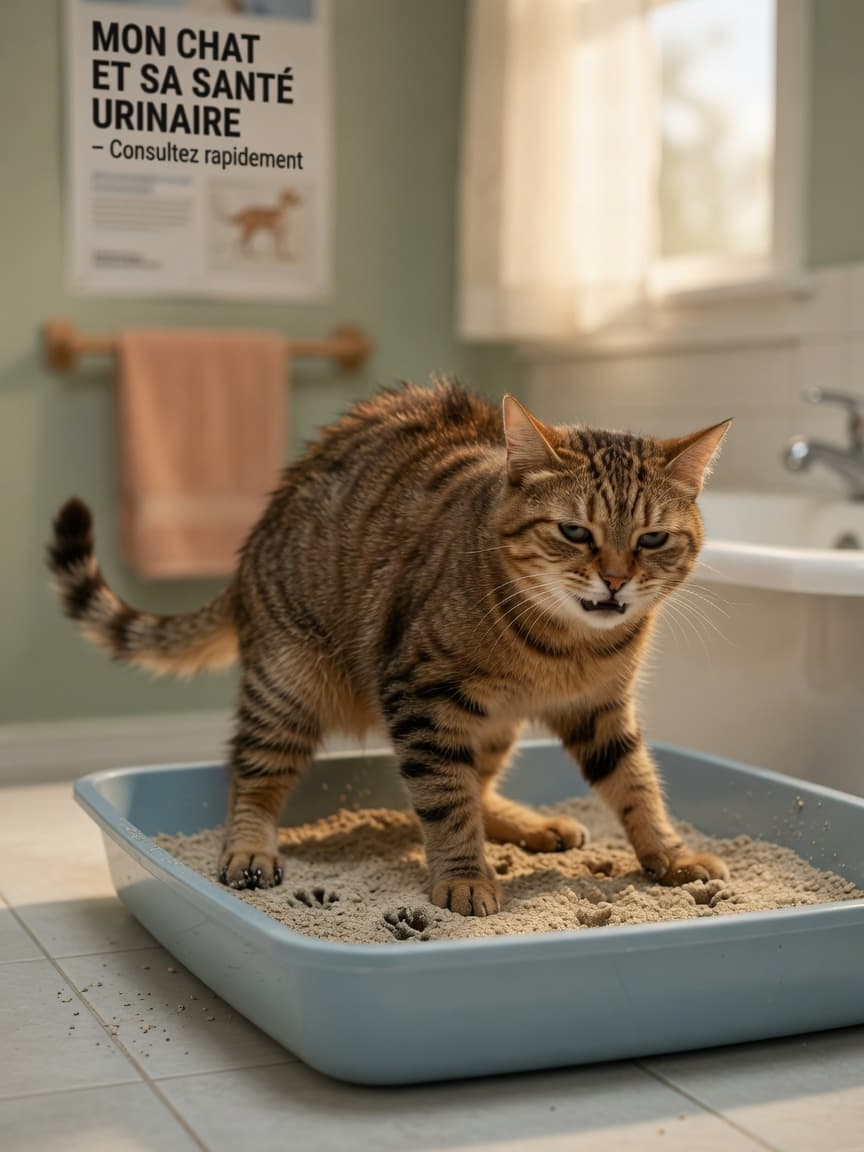
What Is Feline Lower Urinary Tract Disease?
Feline lower urinary tract disease, commonly abbreviated as FLUTD, is not a single condition but rather an umbrella term covering several disorders that affect a cat's bladder and urethra. It is one of the most frequently diagnosed problems in domestic cats across Europe, affecting an estimated 1 to 3 per cent of the cat population each year. Veterinary practices throughout the EU regularly handle FLUTD cases, making it a condition every cat owner should understand.
The most common forms of FLUTD include feline idiopathic cystitis (FIC), urethral plugs, bladder stones (uroliths), urinary tract infections, and structural abnormalities. Of these, FIC accounts for roughly 55 to 65 per cent of all FLUTD cases, making it the leading cause, particularly in cats under ten years of age.
Feline Idiopathic Cystitis (FIC)
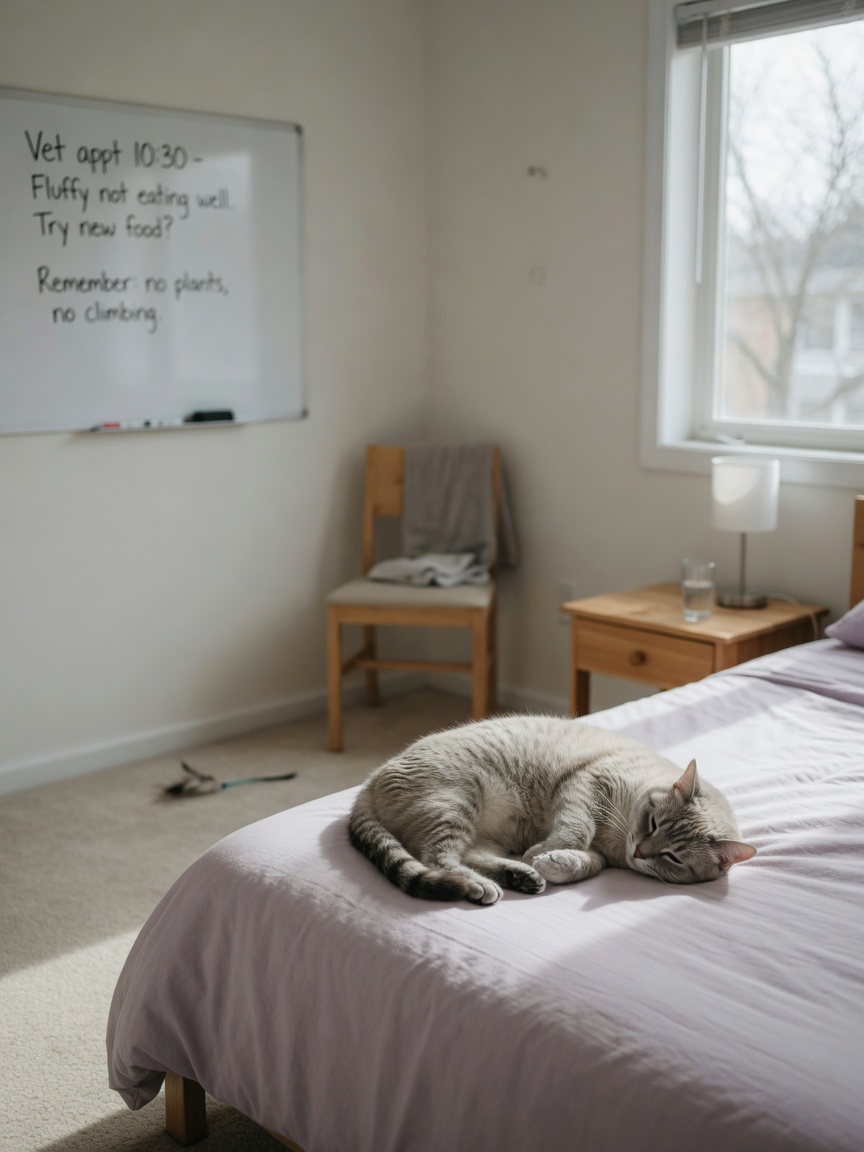
FIC refers to inflammation of the bladder in cats for which no underlying infection, stones, or other identifiable cause can be found. The word "idiopathic" simply means the cause is unknown, though research strongly suggests that stress is the primary driver. FIC shares notable similarities with interstitial cystitis in humans, a condition also linked to stress and nervous system dysregulation.
In Europe, where the proportion of indoor-only cats has risen considerably over the past two decades, FIC prevalence has followed suit. Indoor cats are more susceptible because they lead less stimulating lives, are often exposed to environmental stressors such as multi-cat tension, changes in routine, building works, and limited territory — all of which appear to trigger or worsen episodes.
Urethral Plugs and Bladder Stones
Urethral plugs are accumulations of cellular debris, proteins, and crystalline material that can block the urethra, particularly in male cats whose urethra is significantly narrower than in females. A blocked urethra is a life-threatening emergency. Bladder stones, on the other hand, are solid mineral deposits that form within the bladder. The most common types in cats are struvite (magnesium ammonium phosphate) and calcium oxalate stones, with diet and urine pH playing key roles in their formation.
Recognising the Symptoms of FLUTD
Whether the underlying cause is FIC, a plug, or stones, many of the clinical signs are similar. Cat owners should look out for the following:
- Straining to urinate, often with little or no urine produced
- Frequent trips to the litter tray
- Vocalising or crying when attempting to urinate
- Blood in the urine (haematuria), giving it a pink or red tinge
- Urinating outside the litter box, often on cool surfaces such as tiles or a bath
- Excessive grooming of the genital area
- Lethargy, loss of appetite, or vomiting
Emergency Warning Signs of Urethral Blockage
A complete urethral blockage is one of the most serious emergencies in feline medicine. If your cat — especially a male cat — is repeatedly squatting and straining with no urine output, or is crying in distress, becoming lethargic, or vomiting, you must take him to a veterinary clinic immediately. Without treatment, a blocked cat can go into acute kidney failure and die within 24 to 48 hours. Do not wait to see if the situation improves on its own.
The Role of Stress in FLUTD
Stress is now recognised as one of the most significant contributing factors to FLUTD, and in particular FIC. Research has shown that the hypothalamic-pituitary-adrenal axis functions differently in cats with FIC, meaning their stress response is dysregulated. Common stressors in European domestic cats include:
- The addition of a new pet or person to the household
- Moving home or significant changes to the living environment
- Conflict with other cats in multi-cat households
- Changes to feeding routines or litter tray management
- Loud noises, construction work, or fireworks
Identifying and reducing these stressors is as important as any medical treatment for managing FIC.
Environmental Enrichment for Indoor Cats
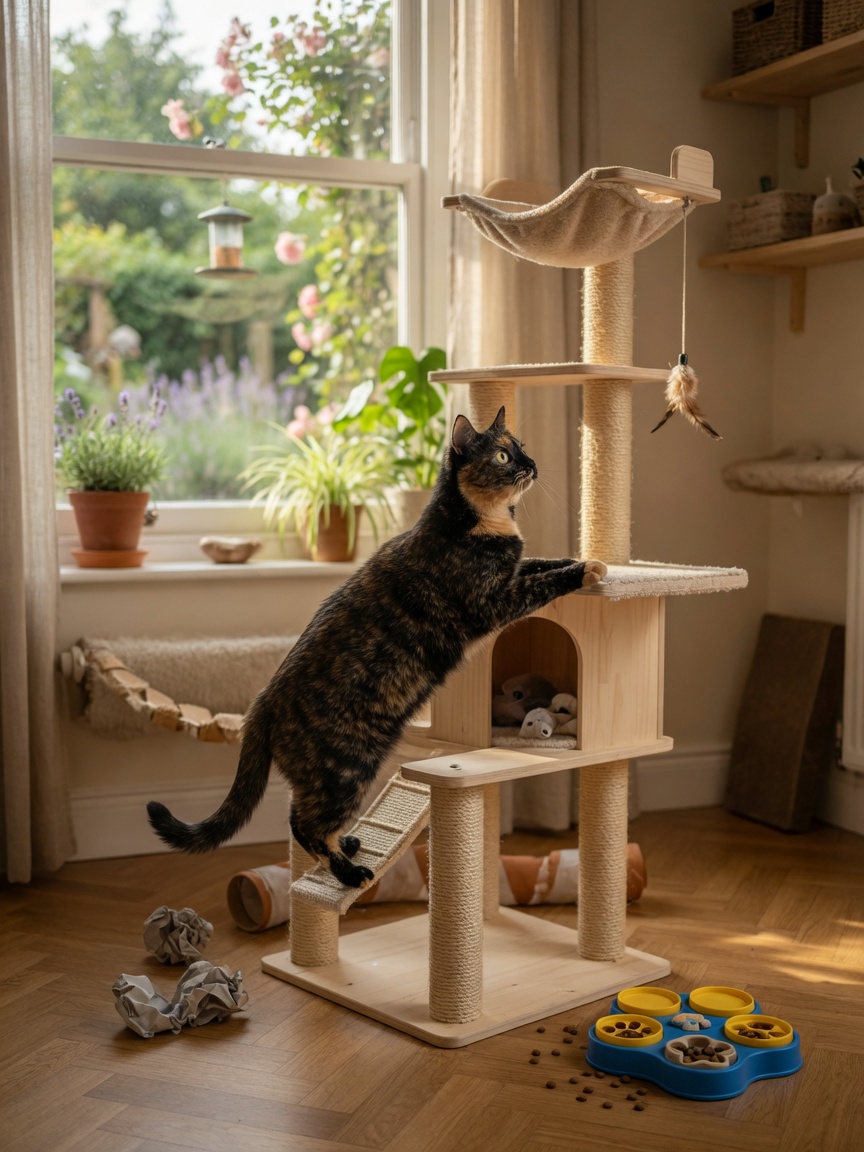
Because indoor cats in the EU are disproportionately affected by FLUTD, environmental enrichment is a cornerstone of both prevention and management. Veterinary behaviourists recommend several practical strategies:
- Provide vertical space such as cat trees and shelves so cats can observe their territory from height
- Ensure each cat in the household has its own litter tray, plus one extra (the "n+1" rule)
- Offer puzzle feeders and foraging toys to stimulate natural hunting behaviour
- Use synthetic feline pheromone diffusers (such as Feliway) to reduce ambient stress
- Allow access to windows with garden views or bird feeders outside
- Engage in daily interactive play sessions using wand toys
Retailers such as Zooplus offer a wide selection of enrichment toys, puzzle feeders, and multi-level cat furniture that can make a meaningful difference to the daily lives of indoor cats.
The Importance of Wet Food and Hydration
Diet plays a crucial role in urinary health. Cats are naturally low-thirst animals and have evolved to obtain most of their moisture from prey. A diet that is primarily dry kibble can lead to chronically concentrated urine, which irritates the bladder lining and promotes the formation of urinary crystals and stones. European veterinary guidelines strongly recommend that cats prone to FLUTD be transitioned to a high-quality wet food diet, or at minimum have significantly increased water intake.
Practical steps to encourage hydration include offering a pet water fountain (cats prefer moving water), placing multiple water bowls away from food and litter areas, and selecting wet foods with high moisture content. Prescription urinary diets, available through your vet, are formulated to produce a urine pH that discourages crystal formation. Zooplus stocks a broad range of wet cat foods and urinary health diets that can complement veterinary advice.
Diagnosis and Treatment
Your vet will typically begin with a urinalysis to check for blood, crystals, infection, and pH levels. Abdominal ultrasound or X-rays may be needed to identify bladder stones. Blood tests assess kidney function, which is especially important if blockage is suspected.
Treatment depends on the underlying cause. FIC often resolves within five to seven days with supportive care, stress reduction, and dietary changes. Urethral plugs require catheterisation under sedation or anaesthesia. Bladder stones may be managed with a dissolution diet or, in severe cases, surgical removal (cystotomy). Urinary tract infections, while less common in cats than dogs, are treated with appropriate antibiotics guided by culture and sensitivity testing.
Preventing Recurrence
FLUTD, particularly FIC, has a high recurrence rate without lifestyle modification. Long-term management should include a permanent switch to wet food, ongoing environmental enrichment, regular vet check-ups, and proactive stress management. Cats who have experienced a urethral blockage may benefit from a procedure called a perineal urethrostomy, which widens the urethra to reduce the risk of future obstruction.
Working closely with your European veterinary team and addressing both the physical and emotional needs of your cat gives the best chance of a healthy, blockage-free life.