
Can Cats Drink Milk? The Truth Behind a Very Persistent Myth
Debunking the Milk and Cats Myth
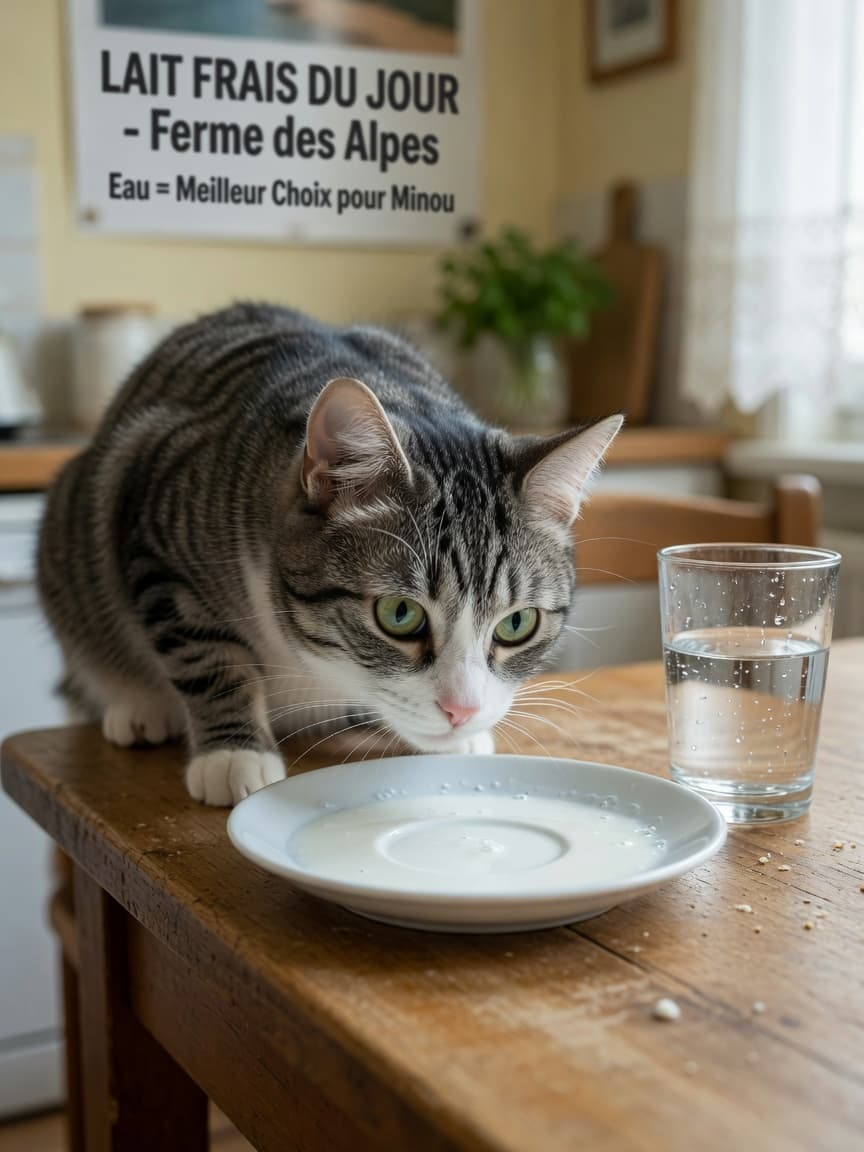
Few images in Western culture are as persistent as a cat contentedly drinking from a saucer of milk. This image appears in children's books, cartoons, and popular sayings — yet it is one of the most misleading ideas in pet nutrition. The truth is that cow's milk is poorly suited to the biology of adult cats, and regularly offering milk to a cat is more likely to cause harm than good.
Understanding why requires a brief look at how lactose digestion works — and why it breaks down in adult cats.
Why Most Adult Cats Are Lactose Intolerant
All mammal neonates — including kittens — are born producing lactase, the enzyme that breaks the bond between glucose and galactose in the lactose molecule. This makes sense: newborns depend entirely on their mother's milk for nutrition and immunity during the earliest weeks of life. Mother cat's milk is the appropriate and complete nutrition for kittens, providing the right protein, fat, carbohydrate ratios and immune factors for a developing feline.
As kittens transition to solid food during weaning (typically around 4–8 weeks), the evolutionary pressure to maintain high lactase production disappears. In most cats, lactase production declines significantly and progressively after weaning. By the time a cat reaches adulthood, the majority produce very little lactase. This is not a pathology — it is normal mammalian biology across most species, including humans in many populations.
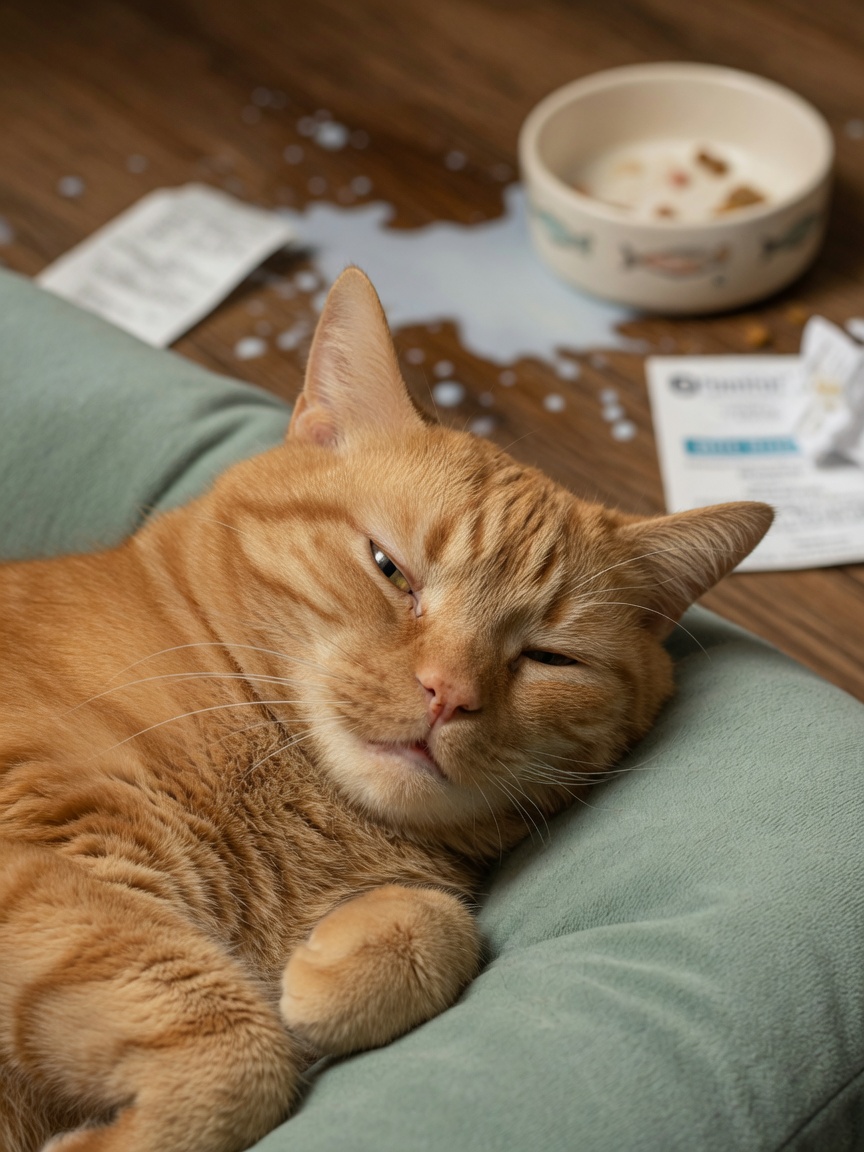
When an adult cat with low lactase activity drinks cow's milk, the lactose passes through the small intestine undigested and reaches the large intestine, where gut bacteria ferment it. The result: gas, bloating, abdominal cramping, and osmotic diarrhea as water is drawn into the colon. Some cats show these symptoms with even a small amount; others appear to tolerate modest quantities, but even they are likely experiencing some degree of intestinal irritation.
Cow's Milk vs. Cat's Milk: A Nutritional Mismatch
Even setting lactose intolerance aside, cow's milk is not formulated for cats. Cat's milk differs substantially from cow's milk in its nutritional composition. Feline milk is much higher in protein (approximately 7–8% vs. 3.3% in cow's milk) and fat, reflecting the rapid growth rate of kittens and the energy demands of early feline development. Cow's milk, by contrast, is higher in lactose and lower in the nutrient density kittens need.
Giving cow's milk to an orphaned kitten as a substitute for cat milk replacer (KMR) is a common mistake that can cause severe diarrhea and dehydration — and has contributed to the deaths of many orphaned kittens. If you are raising an orphaned kitten, use a commercial kitten milk replacer, not cow's milk.
What About Lactose-Free or "Cat Milk" Products?
Pet shops sell "cat milk" products that have had their lactose removed or reduced via enzymatic processing. These are safer in the sense that they remove the immediate lactose intolerance issue. However, they still provide no nutritional benefit that cannot be better obtained from a complete cat diet. They add calories without adding significant nutritional value, and the habit of regularly offering a liquid dairy supplement is unnecessary for cats who are eating a balanced diet and drinking adequate water.
If your cat enjoys these products and shows no digestive reaction, a small amount occasionally is unlikely to cause harm. But they are not a nutritional necessity and should not replace water as the primary hydration source.
Why Water Is the Right Choice
Cats evolved in arid environments and historically obtained much of their hydration from prey (whole prey is roughly 70% water). Many domestic cats have a naturally low thirst drive and do not drink enough water when fed exclusively dry kibble, which can contribute to urinary tract disease, kidney disease, and constipation over time.
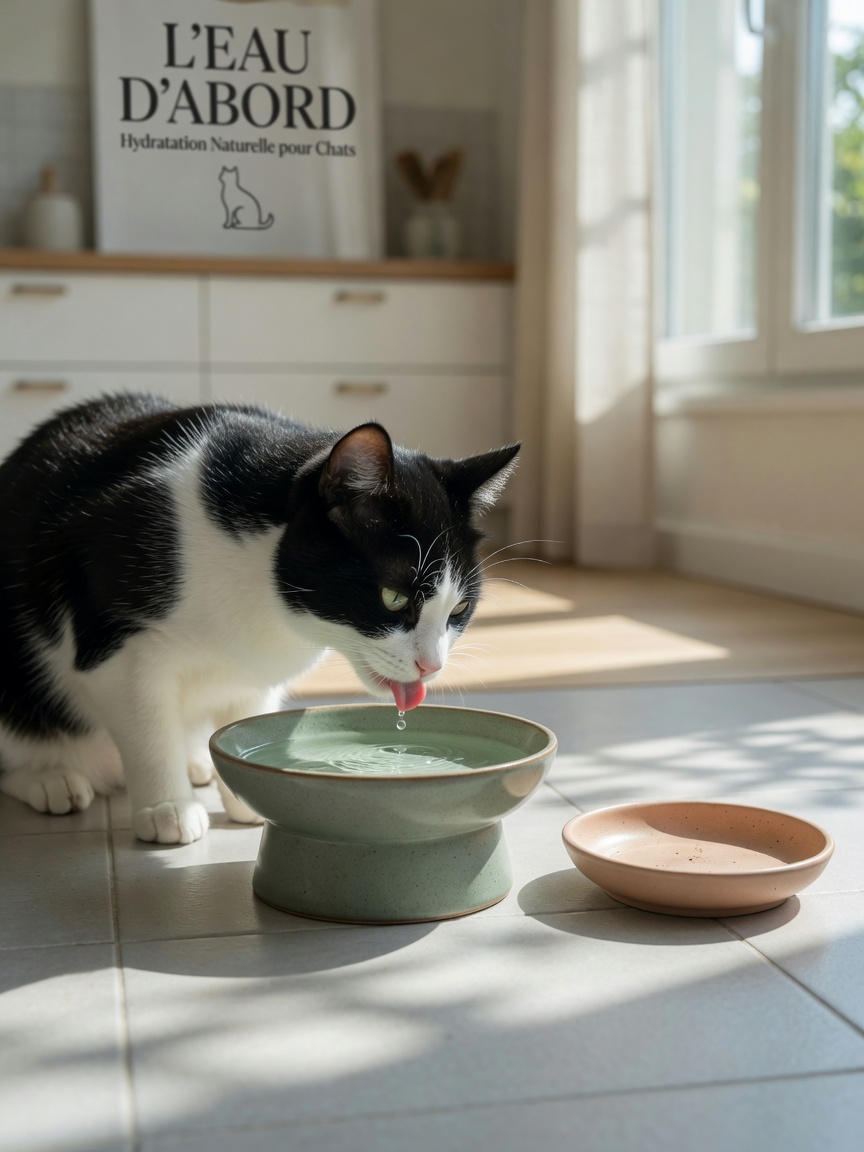
The solution is not milk — it is encouraging water intake through fresh, clean water offered in multiple locations, water fountains that appeal to cats' preference for moving water, and incorporating wet food into the diet to increase moisture intake. These strategies support urinary tract health in ways that a bowl of milk never could.
Ver alimentos para gatos en Zooplus →Signs Your Cat Reacted Badly to Milk
If your cat has had milk and you notice any of the following, limit dairy going forward: soft stools or diarrhea (especially within 8–12 hours), increased flatulence, vomiting, or signs of abdominal discomfort such as hunching, restlessness, or reduced appetite. These symptoms are consistent with lactose intolerance and typically resolve within 24 hours once the offending food is removed — but persistent or severe diarrhea warrants veterinary attention due to dehydration risk.
A Note on Cream and Other Dairy
Cream is sometimes offered to cats on the assumption that its lower lactose content (relative to milk) makes it safer. While cream does contain less lactose than whole milk (because much of the volume is fat rather than water-based lactose), it is extremely high in calories and saturated fat. Offering cream contributes to obesity and potentially pancreatitis. It is not a safer alternative — just a different kind of problem.
- Most adult cats are lactose intolerant — lactase production drops after weaning, making cow's milk hard to digest.
- Milk causes gas, bloating, and diarrhea in lactose-intolerant cats; many cats are affected even if they don't obviously show it.
- Cow's milk is nutritionally mismatched to cats — higher in lactose and lower in protein and fat than cat's milk.
- Never give cow's milk to orphaned kittens — use commercial kitten milk replacer (KMR) instead.
- Lactose-free "cat milk" products are safer but unnecessary; they add calories without meaningful nutritional benefit.
- Fresh water — ideally supported by wet food in the diet — is always the best hydration strategy for cats.
References
- Verbrugghe A, Bakovic M. "Peculiarities of one-carbon metabolism in the strict carnivore, the domestic cat (Felis catus)." Nutrients. 2013;5(7):2811–2835. PMID: 23873295.
- Saevre JA, Lund EM, Armstrong PJ. "Prevalence and risk factors for lactose intolerance in domestic cats." J Vet Intern Med. 1998;12(2):128–132. PMID: 9572101.
- Pibot P, Biourge V, Elliott D. Encyclopedia of Feline Clinical Nutrition. Aimargues: Royal Canin; 2008.