
Why Is My Cat Sneezing? Causes & Home Care
Updated June 2026
- Sneezing with green or yellow nasal discharge (indicates bacterial infection)
- Bloody nasal discharge or nosebleed in only one nostril
- Sneezing accompanied by labored breathing, open-mouth breathing, or blue gums
- Cat stops eating entirely for more than 24 hours alongside sneezing
- Sneezing persists for more than 5–7 days without improvement
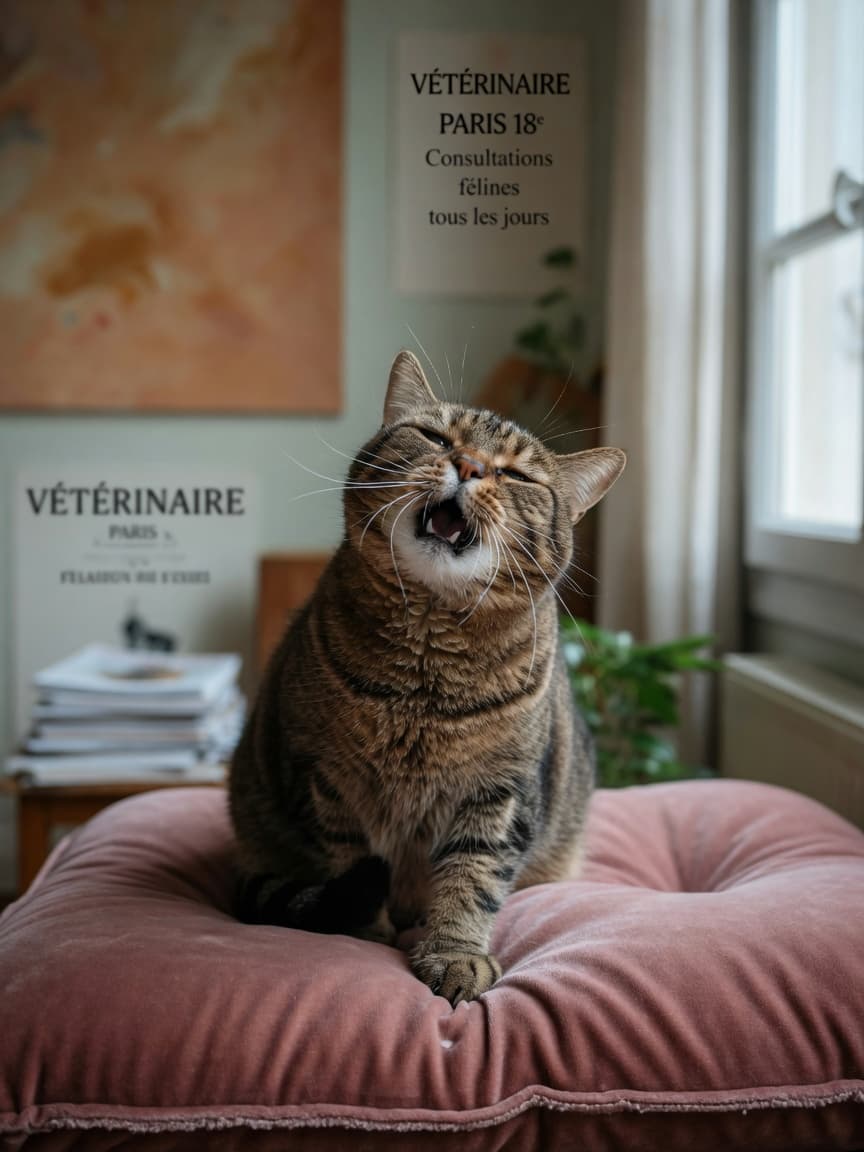
An occasional sneeze is as normal for cats as it is for people. But when your cat starts a sneezing jag that lasts for days, or when you notice discharge around the nose and eyes, it's time to look more closely. Sneezing can range from a simple response to dust to a sign of serious respiratory infection or even nasal cancer. Understanding the difference helps you respond appropriately and keep your cat comfortable.
1. Upper Respiratory Infection (Cat Flu) — Most Common
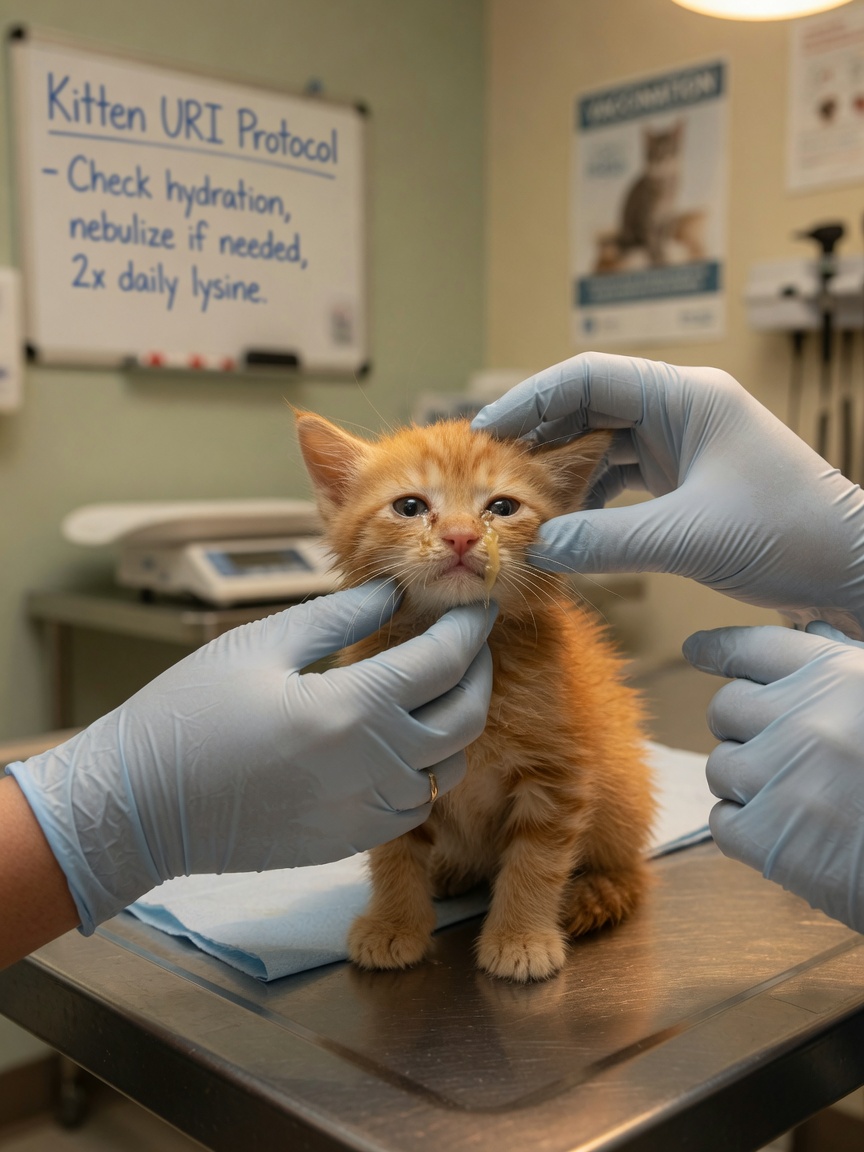
Upper respiratory infections (URIs) are the most frequent cause of sneezing in cats, especially in young cats, rescue cats, or multi-cat households. The feline herpesvirus-1 (FHV-1) and feline calicivirus (FCV) together account for the vast majority of feline URIs. Symptoms include sneezing, watery or colored nasal and ocular discharge, conjunctivitis, lethargy, and reduced appetite. Herpesvirus is a lifelong latent infection — stress can trigger recurrences even in vaccinated cats. Treatment is supportive: steam humidification, nasal saline rinses, appetite stimulation, and antiviral medication (famciclovir) for herpes flares.
2. Environmental Irritants
Cats have sensitive noses and can sneeze in response to common household irritants: cigarette smoke, scented candles, air fresheners, cleaning product fumes, perfume, dusty litter, and even cooking spices. Irritant-triggered sneezing typically resolves quickly once the cat moves away from the source. If sneezing started after a household product change, try eliminating the suspect irritant before assuming illness.
3. Allergies
Environmental allergies in cats more commonly cause skin symptoms than respiratory ones, but some cats do develop allergic rhinitis — sneezing, clear nasal discharge, and itchy eyes in response to pollen, dust mites, or mold. Allergic sneezing is typically seasonal, bilateral (both nostrils), and produces clear discharge without fever or appetite loss. Antihistamines and environmental management (HEPA filters, frequent vacuuming) can help allergic cats.
4. Dental Disease
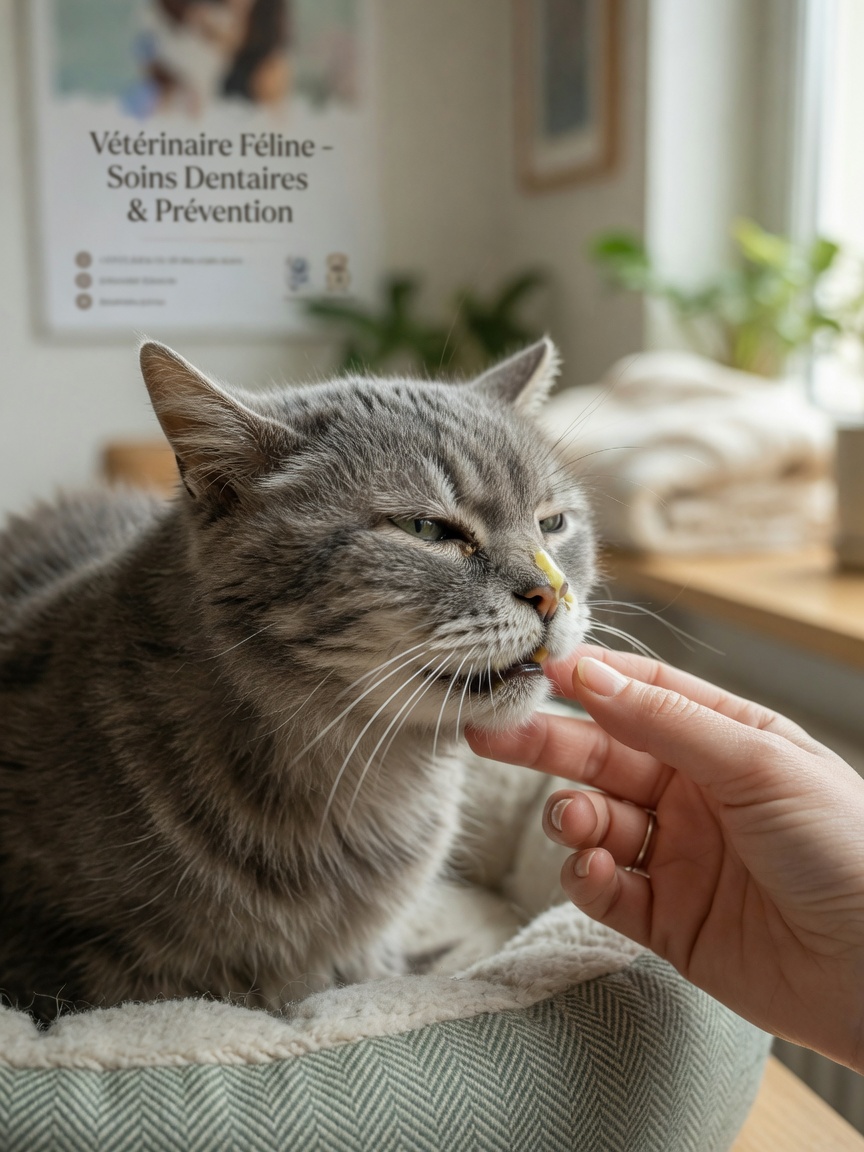
This cause surprises many cat owners: the roots of the upper canine and premolar teeth sit very close to the nasal cavity. Advanced tooth root abscesses can erode into the nasal passages, causing chronic one-sided nasal discharge and sneezing that doesn't respond to antiviral or antibiotic treatment. If your cat has persistent sneezing with discharge from only one nostril, a dental examination under anesthesia should be on the diagnostic list. Extraction of the affected tooth usually resolves the nasal symptoms.
5. Nasal Polyps or Foreign Bodies
Young cats occasionally develop nasopharyngeal polyps — benign inflammatory growths in the nasal passage or throat that cause chronic sneezing, nasal discharge, and sometimes a snoring sound or breathing difficulty. Foreign bodies (a grass seed, a blade of dry grass) lodged in the nasal passage cause sudden-onset violent sneezing, often with a pawing-at-nose behavior. A vet can examine the nasal passages with an endoscope or under anesthesia and remove the obstruction.
6. Feline Chlamydophilosis
Chlamydophila felis is a bacterial pathogen that predominantly causes conjunctivitis but frequently accompanies sneezing and mild nasal discharge. It's more common in multi-cat environments and young cats. Diagnosis is by PCR testing from conjunctival swabs. Treatment with doxycycline for 4–6 weeks is effective, and the infection responds poorly to many other antibiotics.
7. Nasal Tumors (Older Cats)
In cats over 10 years old, persistent one-sided nasal discharge and sneezing — particularly when blood-tinged and unresponsive to antibiotics — raises concern for nasal lymphoma or nasal adenocarcinoma. These tumors are uncommon but carry a more guarded prognosis. Diagnosis requires CT imaging and biopsy. Radiation therapy can achieve meaningful remission in nasal lymphoma. Any older cat with unilateral, chronic, or blood-tinged nasal discharge needs prompt veterinary evaluation including imaging.
For cats with a known herpesvirus diagnosis, L-lysine supplementation has historically been recommended to reduce viral replication — though recent evidence on its efficacy is mixed. More reliably helpful: reduce stress (a major herpes trigger), use a cool-mist humidifier in the room where your cat sleeps, and gently wipe crusty discharge from the nose and eyes with a warm damp cloth. Keeping your cat's vaccination status current (core vaccines include FHV-1 and FCV) reduces URI severity even if it doesn't prevent infection entirely.
When Is It Just a Normal Sneeze?
A healthy cat that sneezes once or twice, shows no discharge, and continues eating and playing normally has almost certainly just irritated its nose with dust or a strong smell. No action needed beyond observing for a day or two. The situation changes when sneezing is frequent, paired with discharge, or accompanied by any change in eating, energy, or breathing — at that point, a vet call is appropriate.
Key Takeaways
- Upper respiratory infections (herpesvirus, calicivirus) are the most common cause of sneezing in cats and are managed supportively.
- Colored (yellow/green) or bloody nasal discharge always requires veterinary evaluation — it indicates bacterial infection or another serious cause.
- One-sided nasal discharge that doesn't resolve points toward dental disease, a foreign body, or a nasal tumor.
- Environmental irritants are a frequently overlooked cause of sneezing — review recent household product changes.
- Keeping core vaccinations current reduces the severity of URI-related sneezing episodes.
References
- Gould D. Feline herpesvirus-1: ocular manifestations, diagnosis and treatment options. J Feline Med Surg. 2011;13(5):333–346. PMID: 21515221
- Hartmann AD, Helps CR, Lappin MR, et al. Efficacy of pradofloxacin in cats with feline upper respiratory tract disease due to Chlamydophila felis or Mycoplasma infections. J Vet Intern Med. 2008;22(1):44–52. PMID: 18289289