
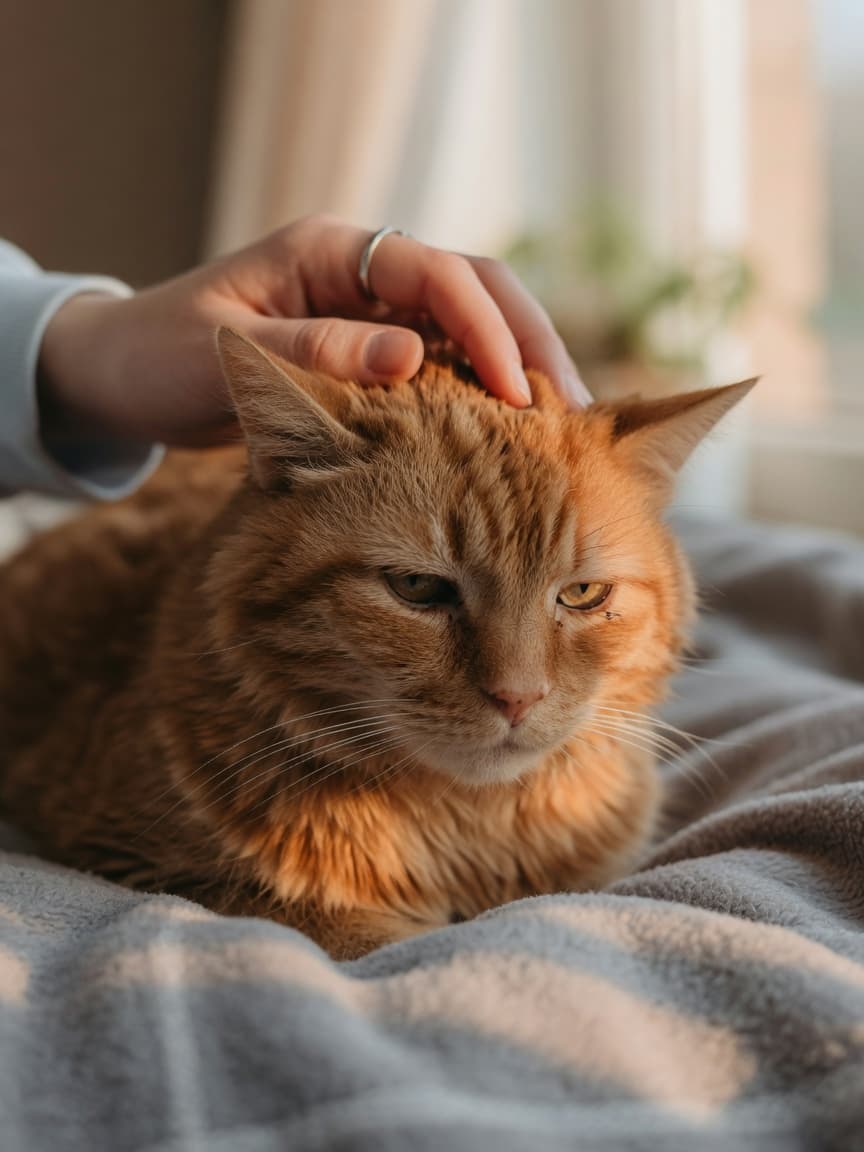
What Is Feline Immunodeficiency Virus?
Feline immunodeficiency virus (FIV) is a lentivirus — a slow-acting retrovirus — that progressively weakens the immune system of infected cats. Often compared to HIV in humans (though the two viruses are species-specific and cannot cross-infect), FIV permanently alters the immune system, making affected cats more susceptible to infections and diseases that a healthy immune system would normally control. Crucially, FIV is not a death sentence: with appropriate management, many FIV-positive cats live for years with an excellent quality of life.
Prevalence Across the EU
FIV is present throughout Europe, but prevalence varies markedly by region, lifestyle, and cat demographics. Studies consistently show higher rates in Southern European countries — Spain, Italy, Portugal, and Greece — where large stray populations and lower neutering rates create conditions in which the virus spreads more readily. Across the EU generally, FIV prevalence in outdoor cats ranges from approximately 2% to 10%, with some regions and specific risk groups — such as unneutered roaming tom cats — showing considerably higher rates. Indoor-only cats have dramatically lower prevalence, as the primary transmission route requires direct, aggressive contact.
How Is FIV Transmitted?
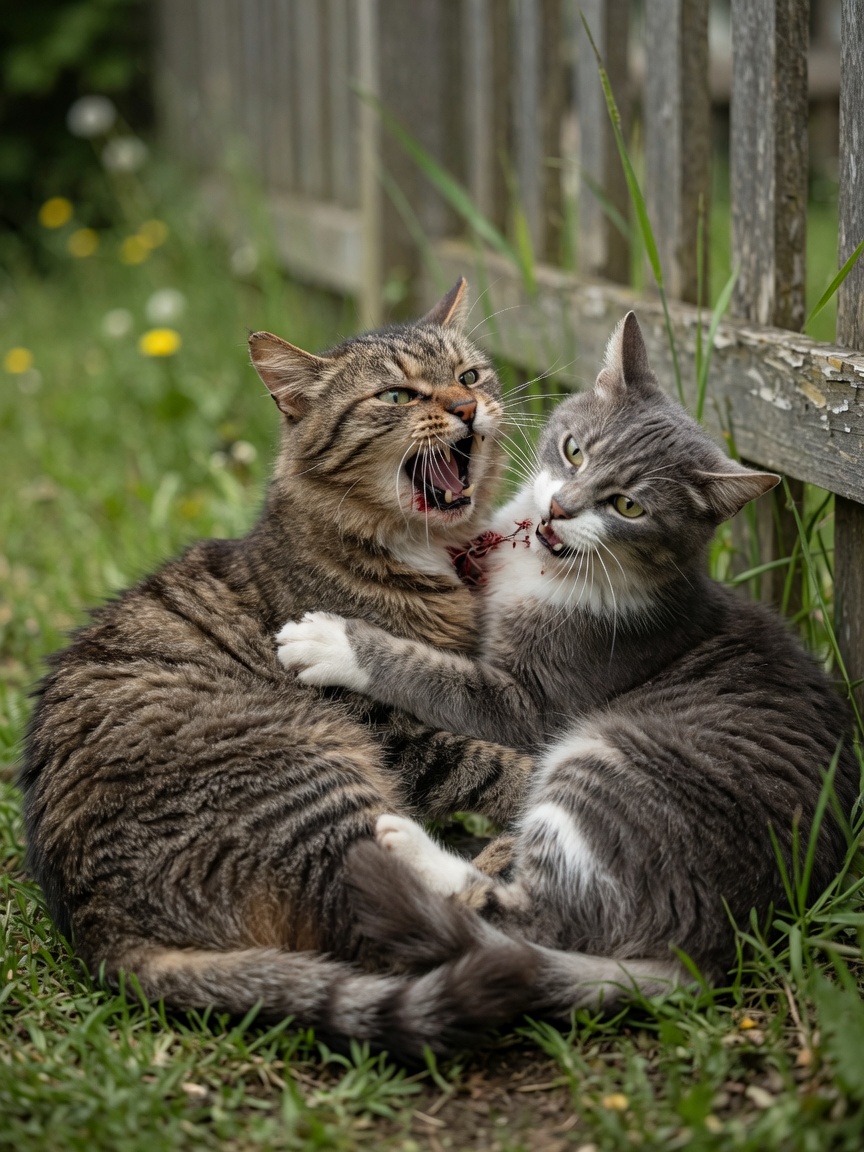
Unlike feline leukaemia virus (FeLV), which spreads through casual contact such as grooming and shared bowls, FIV is primarily transmitted through deep bite wounds. The virus is present in saliva in high concentrations, and the puncture injury associated with cat fights drives virus into tissue where infection can establish. This transmission biology explains why:
- Unneutered male cats are at highest risk: Tom cats roam larger territories, engage in territorial fighting, and are bitten and bitten far more often than neutered males or females.
- Outdoor cats are far more at risk than indoor cats: Fight-related transmission requires contact with infected cats, which indoor-only cats rarely encounter.
- Casual contact is very low risk: Grooming, shared feeding, and co-sleeping between cats that do not fight are unlikely to transmit FIV.
Sexual transmission is possible but rare. Mother-to-kitten transmission occurs but is less common than with FeLV. Kittens born to FIV-positive queens may test positive initially due to maternal antibodies but often clear infection by four to six months of age.
Clinical Symptoms
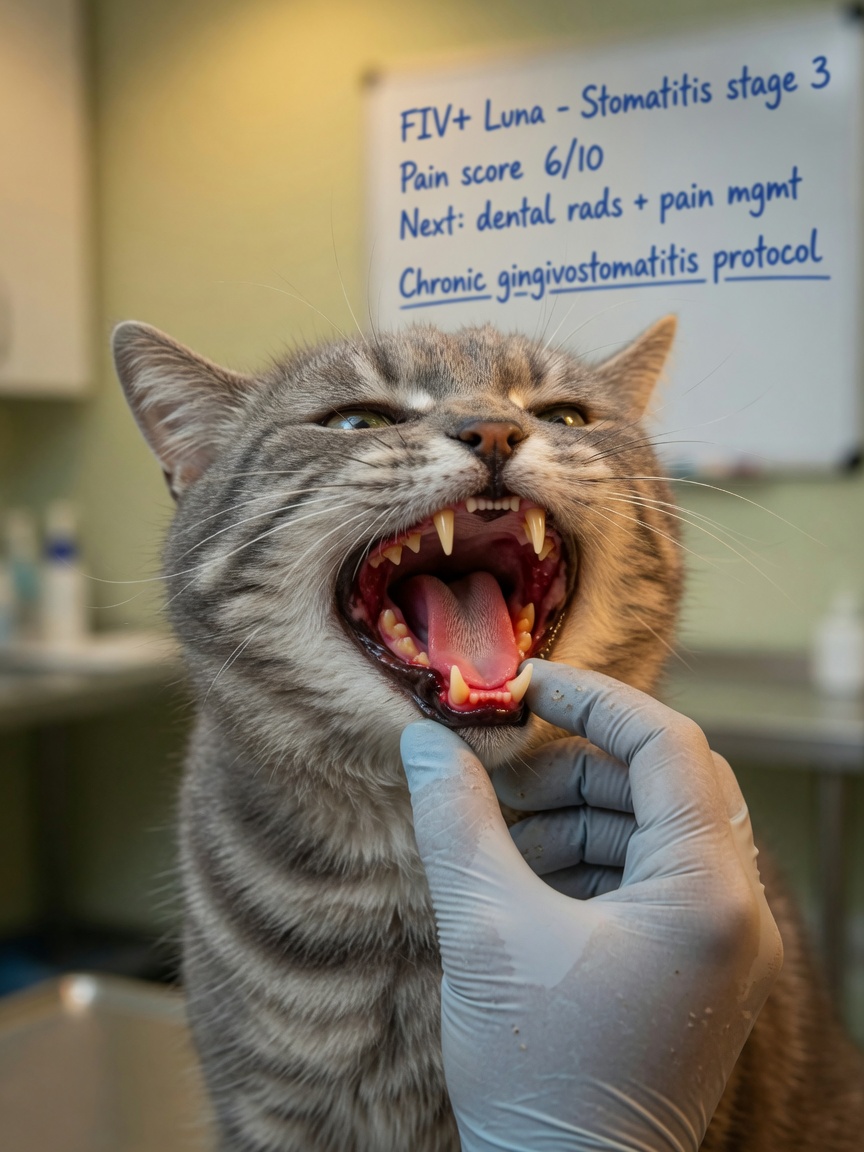
FIV progresses through stages over months to years. Many cats remain asymptomatic for extended periods — sometimes years — before immune dysfunction becomes clinically apparent. When signs do develop, they typically reflect the cat's inability to fight off infections rather than a direct effect of the virus itself. Common symptoms include:
- Recurrent secondary infections: Respiratory infections, urinary tract infections, skin infections, and ear infections that recur or fail to clear normally are hallmark signs of immune compromise.
- Gingivitis and stomatitis: Severe inflammation of the gums and mouth is extremely common in FIV-positive cats and can cause significant pain, difficulty eating, and weight loss.
- Weight loss and poor body condition: Chronic disease and reduced food intake contribute to progressive wasting.
- Lethargy and fever: Non-specific signs accompanying immune dysfunction and secondary infections.
- Neurological signs: In some cats, FIV can affect the central nervous system, causing behavioural changes, seizures, or cognitive decline — though this is less common.
- Lymphadenopathy: Enlarged lymph nodes are often noted, particularly early in infection.
The key point is that many of these signs are manageable. Secondary infections can be treated. Dental disease can be addressed surgically. With a proactive owner and a good veterinary relationship, FIV-positive cats can remain comfortable and engaged for many years.
Diagnosis and Testing
FIV is diagnosed through antibody detection rather than direct detection of the virus. The standard in-clinic test is an ELISA-based rapid test that detects antibodies to FIV in a blood sample. A positive result indicates the cat has been infected, as cats do not naturally clear FIV antibodies once truly infected.
Important caveats for EU cat owners include:
- Kittens under six months may carry maternal antibodies and test falsely positive — retesting after six months is recommended.
- Cats vaccinated with the FIV vaccine that was previously available in some markets may also test positive on antibody tests — this is a significant diagnostic challenge, though the previously available vaccine is no longer widely used in the EU.
- Confirmatory testing via Western blot or PCR may be recommended when results are ambiguous.
European veterinary associations, including the European Advisory Board on Cat Diseases (ABCD), recommend testing all new cats of unknown status — particularly those from outdoor environments — before introducing them to a household.
No Cure, But Long-Term Management Is Possible
There is currently no licensed antiviral treatment for FIV that eliminates the virus. However, FIV is emphatically manageable. The goal of care is to maximise quality of life and longevity by reducing exposure to new infections, treating secondary conditions promptly, and providing excellent general health care. Key principles endorsed by EU veterinary associations include:
- Indoor-only lifestyle: Keeping FIV-positive cats indoors protects them from new infectious challenges and prevents spread to other cats. This is the single most important lifestyle change.
- Regular veterinary monitoring: Six-monthly check-ups allow early identification of secondary infections, dental disease, or other complications before they become serious.
- Prompt treatment of infections: Antibiotic, antifungal, or antiviral treatment should be initiated quickly when infection is suspected — do not wait for problems to resolve on their own.
- Dental care: Oral disease is extremely common and very painful. Regular dental assessment and professional cleaning under anaesthesia — when safe — significantly improves quality of life.
- Nutrition: A complete, high-quality diet supports immune function. Avoid raw food diets for FIV-positive cats, as bacterial contamination poses additional risk to immunocompromised animals. Zooplus stocks a wide selection of complete wet and dry cat foods that provide appropriate nutrition without raw food risk, with delivery available across the EU.
- Stress reduction: Chronic stress suppresses immune function. A calm, enriched indoor environment — with hiding spaces, climbing structures, and regular play — benefits FIV-positive cats considerably.
Neutering and Prevention
The most effective way to reduce FIV transmission at a population level is neutering of outdoor cats. Neutered males engage in significantly less territorial fighting, dramatically reducing their risk of bite-wound transmission and their role as a source of infection for other cats. European animal welfare organisations and veterinary bodies strongly advocate neutering as a cornerstone of responsible cat ownership.
There is currently no licensed FIV vaccine available in the EU. Prevention therefore relies on reducing bite-wound exposure through neutering and keeping cats indoors — particularly in Southern European regions where prevalence is higher.
Quality of Life With FIV
Many owners are devastated by an FIV diagnosis, but European cat medicine specialists are consistent in their message: FIV-positive cats are not suffering simply because of the diagnosis. With attentive care, cats with FIV can enjoy rich, comfortable lives for many years. The virus progresses slowly, secondary problems can be treated, and a loving indoor environment removes the main challenges these cats face. The ABCD emphasises that FIV-positive cats should be given every opportunity to thrive, not simply managed until end of life.
Key Takeaways for EU Cat Owners
- FIV is more prevalent in Southern Europe and in unneutered, outdoor tom cats.
- Transmission requires deep bite wounds — casual contact between cats is very low risk.
- Many FIV-positive cats live for years without significant illness.
- Indoor-only life, regular vet check-ups, and prompt treatment of secondary infections are the foundations of good management.
- Neutering reduces both individual risk and population-level spread.
- Consult your vet and refer to ABCD guidelines for the latest European recommendations on FIV care.