
Can Cats Eat Cheese? What You Need to Know Before Sharing a Slice
Cats and Dairy: An Evolutionary Mismatch
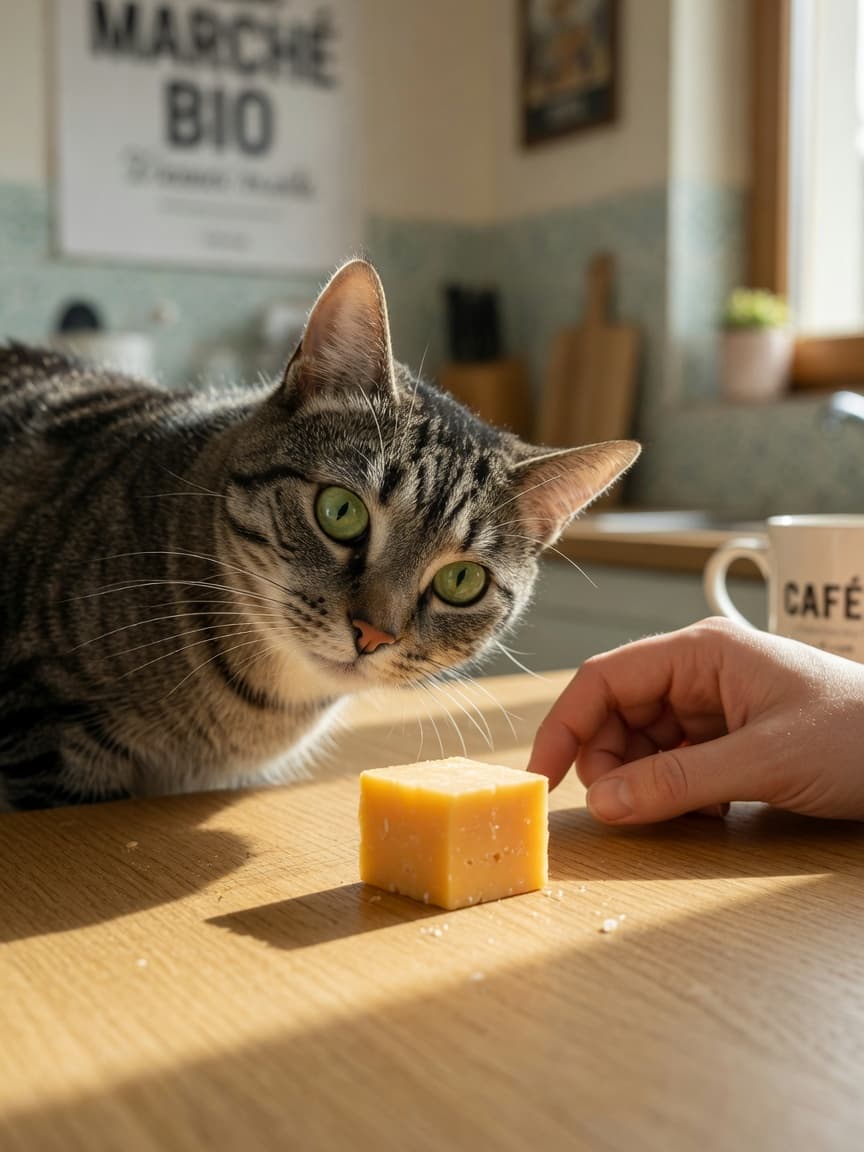
The image of a cat contentedly lapping up milk or nibbling cheese is deeply embedded in popular culture — but it does not reflect feline biology accurately. Cats are obligate carnivores evolved to obtain all their nutrition from animal prey, not dairy products. Dairy is not a natural or necessary part of a cat's diet at any life stage beyond kittenhood.
More importantly, most adult cats lack sufficient levels of lactase — the enzyme required to digest lactose (the sugar found in milk and dairy products). This is not a disease or abnormality; it is simply what happens when mammals mature past the nursing stage. Kittens produce lactase to digest their mother's milk, but lactase production typically declines sharply after weaning. The result is that many adult cats who eat dairy develop digestive discomfort.
Lactose Intolerance in Cats: What Actually Happens
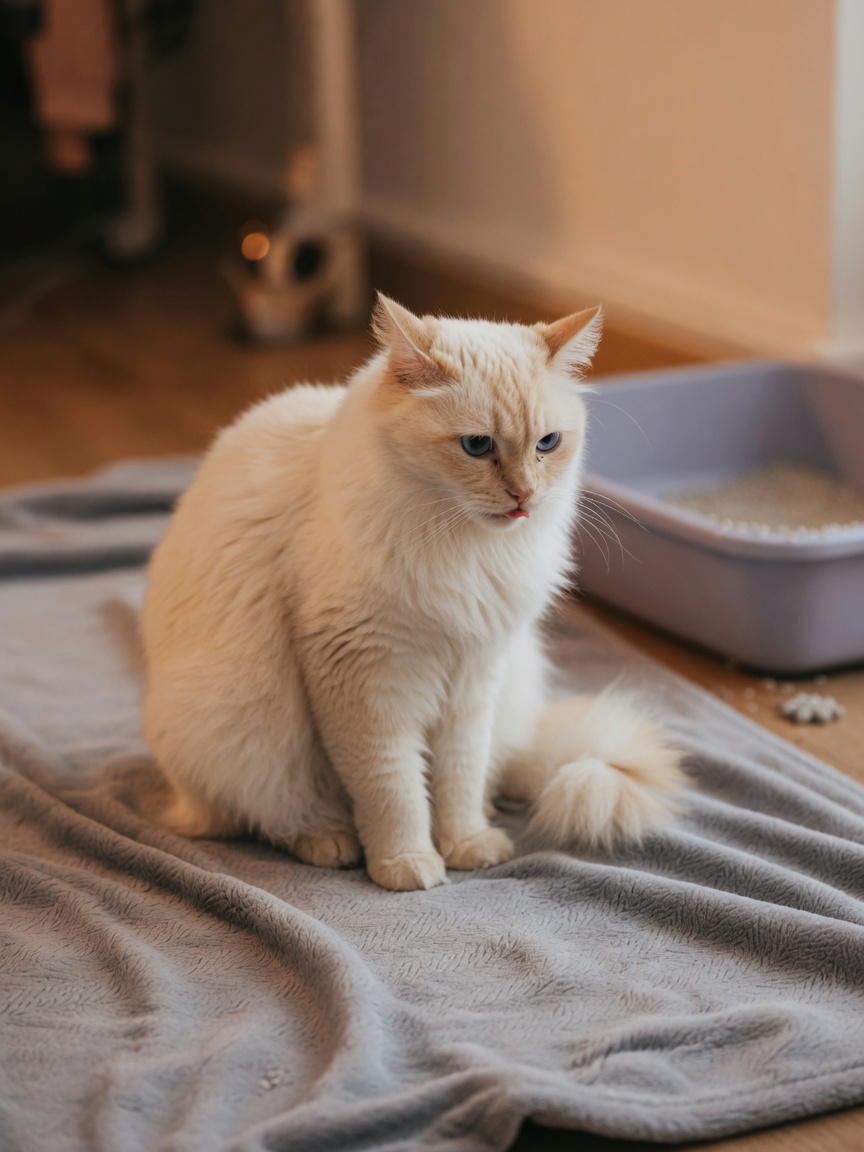
When a lactose-intolerant cat eats cheese or other dairy, undigested lactose passes into the large intestine where gut bacteria ferment it. This fermentation produces gas and draws water into the colon, leading to the classic symptoms of lactose intolerance: bloating, flatulence, abdominal discomfort, and diarrhea. In some cats, even a small amount of cheese triggers these symptoms; in others (who happen to retain more lactase activity), moderate amounts may be tolerated without obvious signs.
The absence of obvious symptoms does not mean dairy is harmless. Subclinical digestive irritation can still occur, and the high fat and caloric content of cheese present their own concerns regardless of lactose tolerance.
Why Cheese Is High Risk for Cats Even Beyond Lactose
High fat content. Most cheeses — cheddar, gouda, brie, cream cheese — derive 30–70% of their calories from fat. Cats who regularly consume high-fat extras are at elevated risk for obesity and potentially pancreatitis, a painful inflammation of the pancreas that can become life-threatening.
High sodium content. Many cheeses contain significant amounts of salt, used as a preservative and flavor enhancer. Cats have a much lower sodium tolerance than humans. Cheeses like feta, halloumi, or processed cheese slices can contain hundreds of milligrams of sodium per serving — far more than a cat should consume in a single treat.
Additives and flavorings. Cheeses with herbs, garlic, onion, or chives are outright dangerous to cats. Allium compounds (garlic, onion, chives, leeks) cause oxidative damage to red blood cells in cats, leading to hemolytic anemia. Always check the ingredient list before offering any cheese to your cat.
Which Cheeses Are Least Problematic?
If you decide to offer cheese as a very occasional treat, lower-lactose, lower-sodium hard cheeses are the better choice. The cheesemaking process reduces lactose content significantly — hard aged cheeses like Swiss, cheddar, or Parmesan contain much less lactose than soft cheeses like ricotta or cream cheese. Choose plain varieties with no added herbs, garlic, or flavorings, and offer only a very small cube (think the size of a pea or smaller).
Avoid: cream cheese, brie, camembert, blue cheese (mold-ripened cheeses), processed cheese products, flavored cheese spreads, or anything with allium ingredients.
When Cheese Can Actually Be Useful
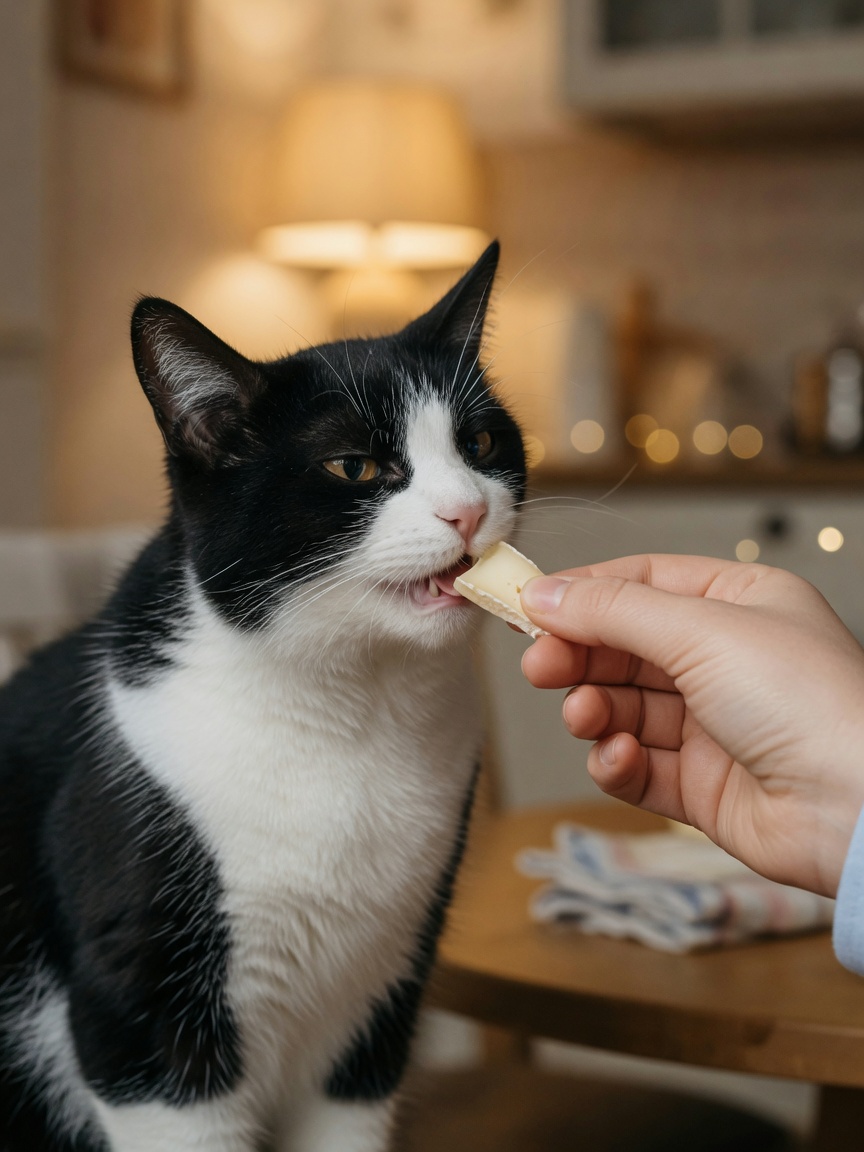
Despite all the cautions above, there is one practical use case for a tiny sliver of cheese: pill pockets. Many cats accept medication more readily when it is hidden inside a small piece of soft cheese. In this context — infrequent, very small amounts — the minor risks are easily outweighed by the benefit of successful medication delivery. Discuss this use with your veterinarian if your cat is on long-term medication.
Ver alimentos para gatos en Zooplus →Better Treat Alternatives for Cats
If you want to reward your cat or offer a high-value treat, there are far better options than cheese that align with their biology as obligate carnivores. Plain cooked chicken, a small piece of cooked salmon, or a commercial cat treat made from single-source animal protein will all be better received by your cat's digestive system and provide actual nutritional benefit rather than unnecessary fat and sodium.
For cats with specific health conditions — kidney disease, heart disease, obesity, diabetes — treats of any kind should first be discussed with your veterinarian, as caloric and nutritional restrictions may apply.
How to Tell If Your Cat Reacted Poorly to Cheese
Watch for vomiting, loose stools, diarrhea, or excessive flatulence in the hours following a cheese-tasting episode. These are signs of digestive intolerance. If symptoms are severe or persistent, contact your veterinarian. If your cat ate cheese with garlic or onion and shows lethargy, pale gums, or weakness, seek veterinary attention promptly as this may indicate early anemia.
- Cheese is not toxic to cats in very small amounts, but it is not a suitable regular treat.
- Most adult cats are lactose intolerant — cheese can cause bloating, gas, and diarrhea.
- Cheese is high in fat and sodium, both problematic in excess for cats.
- Never offer cheese containing garlic, onion, chives, or other alliums — these are toxic to cats.
- If you must offer cheese, choose a small cube of plain, low-sodium hard cheese (cheddar, Swiss) very occasionally.
- Better treat options exist — cooked chicken or fish better match cats' needs as obligate carnivores.
References
- Verbrugghe A, Bakovic M. "Peculiarities of one-carbon metabolism in the strict carnivore, the domestic cat (Felis catus)." Nutrients. 2013;5(7):2811–2835. PMID: 23873295.
- Cortinovis C, Caloni F. "Household food items toxic to dogs and cats." Front Vet Sci. 2016;3:26. PMID: 27092304.
- Pibot P, Biourge V, Elliott D. Encyclopedia of Feline Clinical Nutrition. Aimargues: Royal Canin; 2008.