
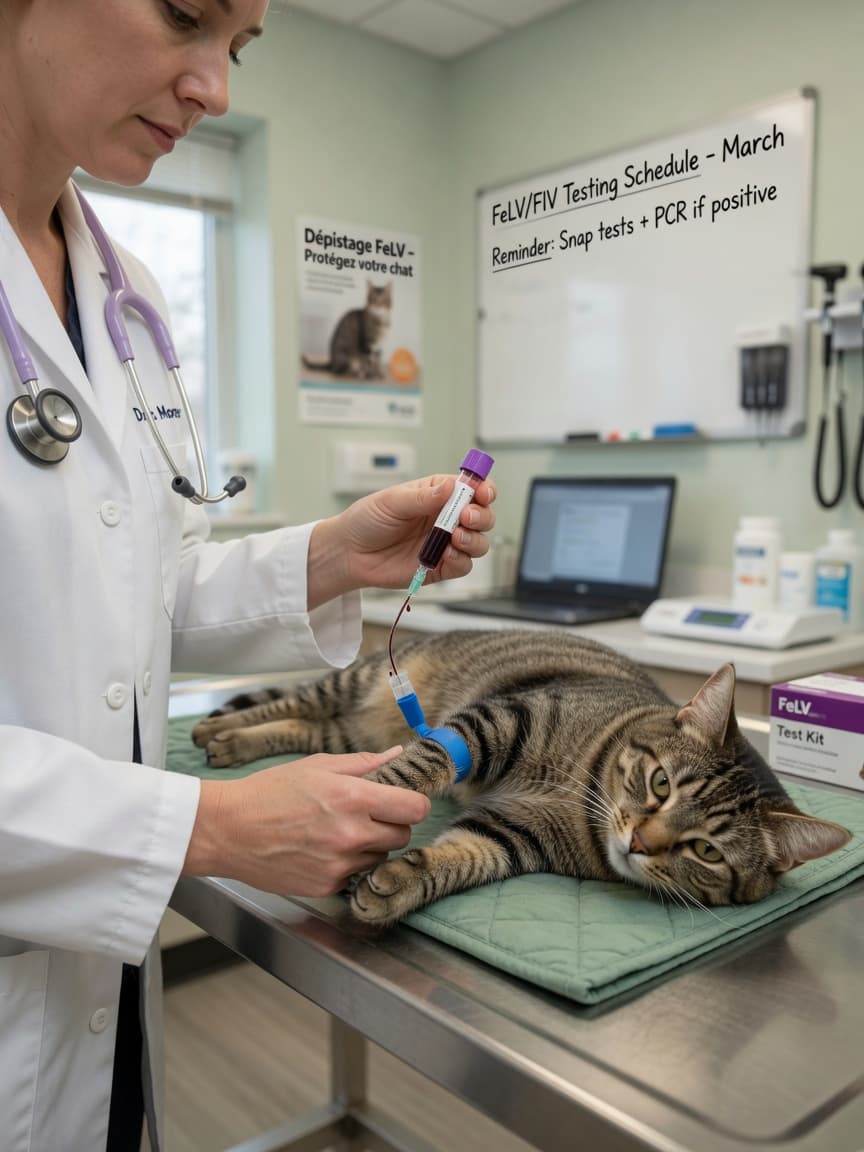
A Diagnosis That Does Not Have to Mean the End
Feline leukaemia virus (FeLV) is one of the most common infectious causes of illness and death in domestic cats worldwide, yet many owners have never heard of it until their vet raises it after a routine blood test. Understanding how the virus spreads, what testing reveals, and how to manage a positive cat can make a significant difference to both longevity and quality of life.
How FeLV Spreads Between Cats
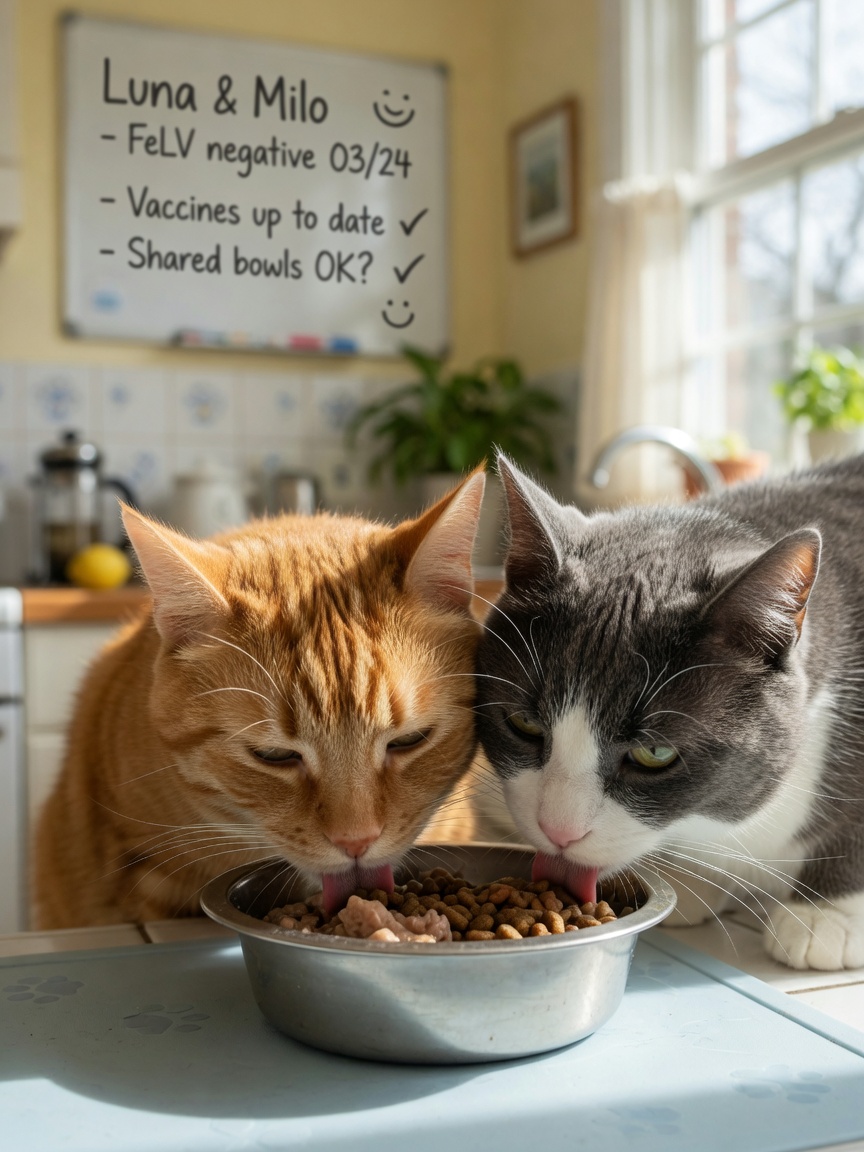
FeLV is an enveloped retrovirus, which means it cannot survive long outside a host. The virus is shed in saliva, nasal secretions, urine, faeces, and milk. Transmission requires reasonably prolonged or intimate contact — casual passing in a garden is a far lower risk than sharing a food bowl or mutual grooming.
High-Risk Situations
- Multi-cat households where cats share feeding and water stations
- Cats that roam freely and fight with unknown individuals
- Kittens nursing from an infected queen
- In-utero transmission from mother to foetus
- Poorly managed rescue or shelter environments
Young cats under six months of age are disproportionately vulnerable because immune defences are still developing. Adult cats with robust immune systems are better able to clear the virus after exposure, though infection is never impossible.
The Three Outcomes of Exposure
Not every cat exposed to FeLV becomes permanently infected. Outcomes fall into three broad categories that influence how vets interpret test results and plan management.
Progressive Infection
The virus establishes itself in the bone marrow, replicates persistently, and is shed continuously. These cats are the primary reservoir for transmission and face the greatest risk of FeLV-associated disease, including lymphoma, leukaemia, and severe immunosuppression.
Regressive Infection
The immune system partially controls the virus, driving it into a latent state within the bone marrow without ongoing replication. These cats may test negative on standard antigen tests yet carry proviral DNA. Stress or immunosuppression can trigger reactivation years later.
Abortive Infection
A small proportion of exposed cats clear the virus entirely, with no detectable provirus. These cats develop sterilising immunity. This outcome is more common in adult cats with strong immune function.
Testing: Understanding What the Results Mean
Two primary test types are used in veterinary practice, and interpreting them correctly is essential before drawing conclusions.
ELISA (Antigen Test)
This in-clinic test detects free FeLV p27 core antigen in blood or saliva. It is sensitive and appropriate for initial screening. A positive result in a healthy cat should always be confirmed with a second test four to eight weeks later, since early infection can occasionally resolve.
PCR (Proviral DNA Test)
PCR testing from a reference laboratory detects viral DNA integrated into the cat's cells. It is the most sensitive method and can identify regressively infected cats who test negative by ELISA. PCR is particularly valuable when clinical signs are inconsistent with a negative antigen test.
Your vet will advise which combination of tests is most appropriate based on your cat's history, lifestyle, and clinical presentation. Always seek guidance from a veterinary professional before acting on a single test result.
Disease Consequences and Clinical Signs
FeLV-associated illness is not a single condition. The virus disrupts normal bone marrow function and immune regulation, predisposing cats to a wide range of secondary problems.
- Lymphoma and other haematopoietic cancers
- Non-regenerative anaemia due to bone marrow suppression
- Recurrent bacterial and secondary viral infections
- Neurological signs including hindlimb weakness and seizures
- Reproductive failure and foetal resorption in breeding queens
Many FeLV-positive cats live for months or years without overt illness, particularly those with regressive infection. The variability in disease course is why regular veterinary monitoring matters far more than any single snapshot result.
Management, Prevention, and Quality of Life
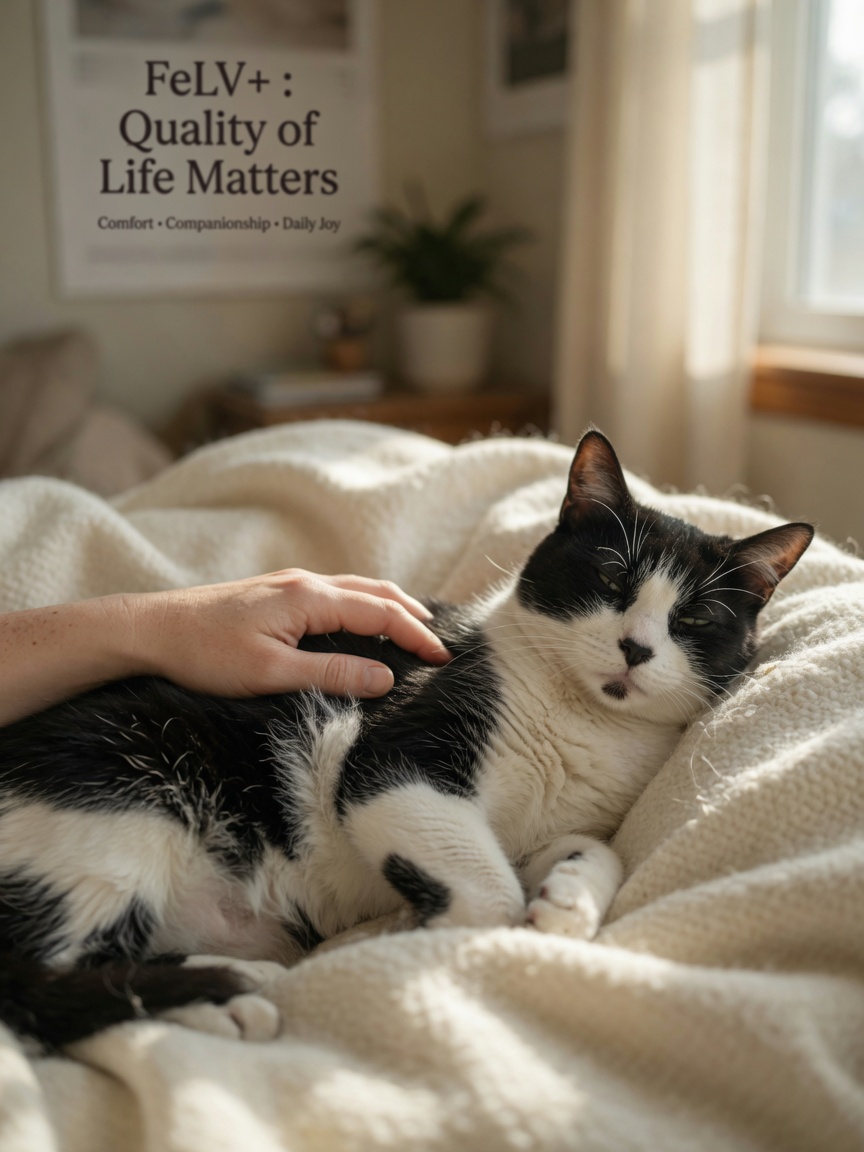
There is no antiviral cure for established FeLV infection, but thoughtful management can extend a cat's comfortable life considerably.
For the Positive Cat
Indoor-only living reduces exposure to secondary pathogens and prevents spread to other cats. Six-monthly veterinary check-ups including blood and urine analysis catch complications early. A balanced, complete diet supports immune function, though raw feeding should be avoided due to the risk of foodborne pathogens in an immunocompromised animal.
Protecting Negative Cats
Vaccination against FeLV is highly effective and is recommended for any cat with outdoor access or exposure to cats of unknown status. No vaccine is one hundred per cent protective, so separating FeLV-positive cats from negative cats in multi-cat homes remains the gold standard. Blood testing before introducing a new cat to a household is straightforward and inexpensive compared with the cost of managing the disease later.
Practical Summary
- Test any cat showing unexplained illness, weight loss, or recurrent infection for FeLV
- Confirm a single positive ELISA result before making long-term decisions
- Vaccinate cats with outdoor access or multi-cat exposure
- Keep FeLV-positive cats indoors and separate from uninfected housemates
- Schedule six-monthly vet reviews even when the cat appears well
- Consult your vet before starting any supplementary treatment — many products marketed for immune support lack evidence in FeLV-positive cats