
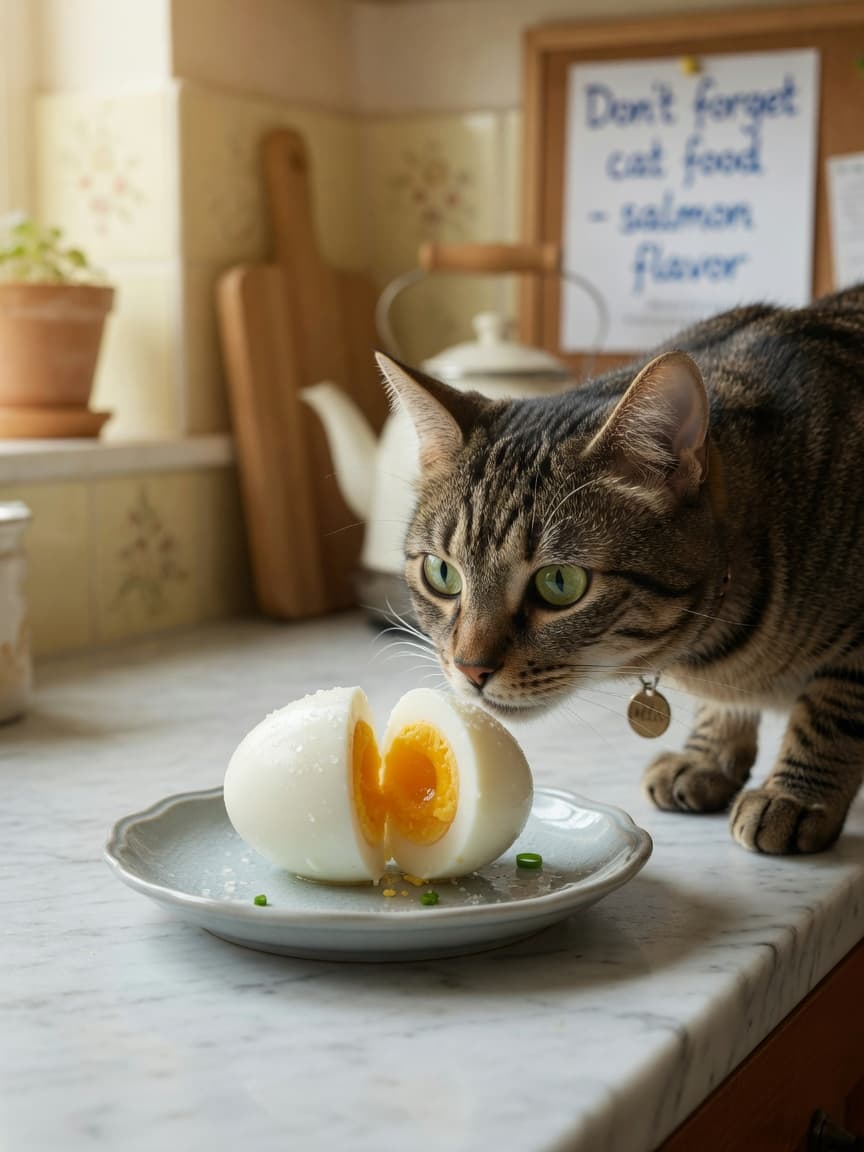
Are Eggs Safe for Cats?
Eggs are one of the most nutritionally complete foods available. They contain high-quality protein, essential amino acids, and a range of vitamins and minerals that are genuinely useful for feline health. Given that cats are obligate carnivores requiring a diet built almost entirely on animal protein, it might seem obvious that eggs would be a good addition to their diet. In cooked form, this is broadly true — but the preparation method matters enormously, and there are important limits on quantity even when eggs are prepared correctly.
Cooked Eggs: The Safe Option
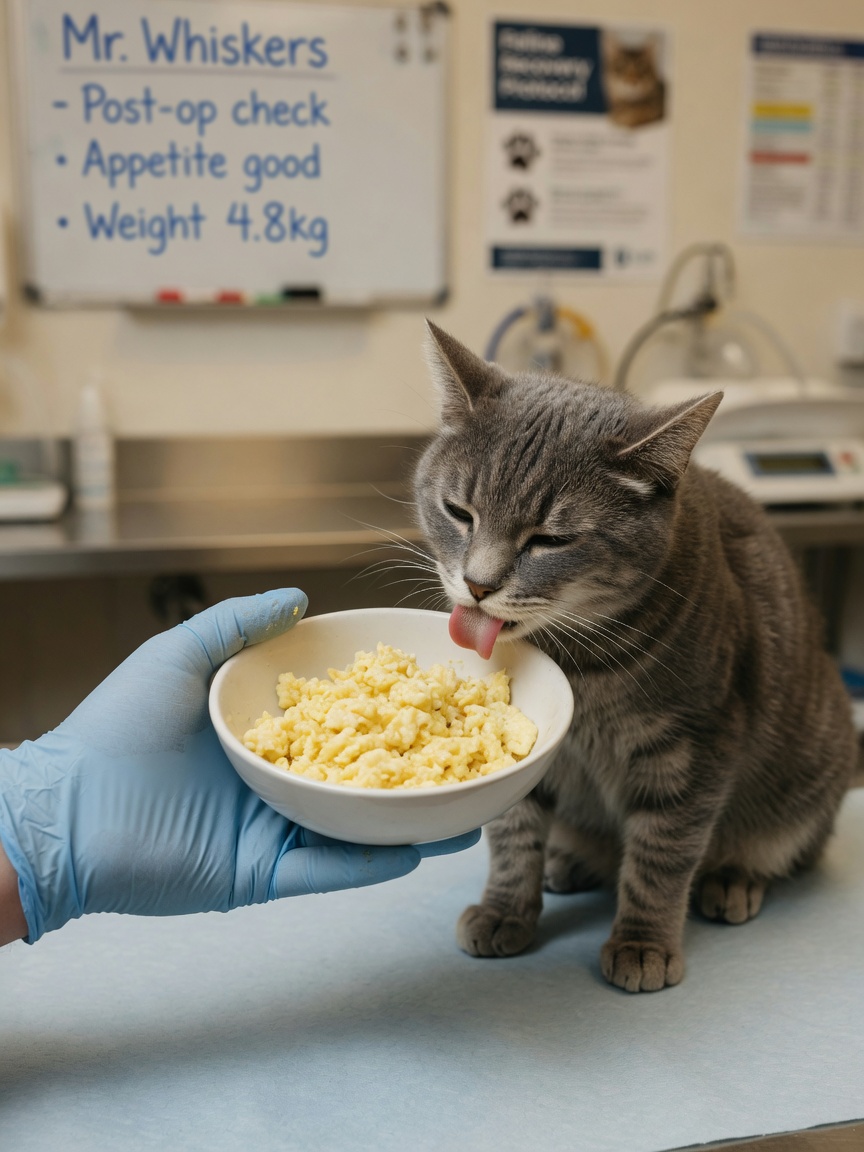
Thoroughly cooked eggs — whether boiled, poached, or scrambled without added ingredients — are safe for cats to eat in moderate amounts. Cooking denatures the proteins in egg white and kills potentially harmful bacteria, addressing the two main concerns associated with raw eggs. Cats generally find cooked egg white and yolk palatable, and the protein content aligns well with their nutritional requirements.
When offering scrambled eggs, it is essential to prepare them plainly — without butter, oil, milk, salt, pepper, herbs, garlic, or onion. Many of these additions are actively harmful to cats. Garlic and onion, even in small amounts, can cause haemolytic anaemia in cats by damaging red blood cells. Dairy products, including milk and cream, cause digestive upset in most adult cats, which are typically lactose intolerant. Salt in excess disrupts electrolyte balance. A cat-safe scrambled egg is simply egg cooked without additives in a non-stick pan with no fat added, or egg white boiled and allowed to cool.
The Avidin Problem: Why Raw Egg White Is Risky
Raw egg whites contain a protein called avidin. Avidin binds very strongly to biotin — also known as vitamin B7 — in the digestive tract, preventing it from being absorbed. Biotin is an essential B vitamin that plays a central role in fatty acid metabolism, the metabolism of certain amino acids, and the maintenance of healthy skin and coat condition.
A single raw egg white fed occasionally is unlikely to cause detectable harm. However, a cat that regularly consumes raw egg white — for example, as part of a home-prepared raw diet that incorporates whole raw eggs — faces a genuine risk of developing biotin deficiency over time. Symptoms include poor coat condition, scaly or flaky skin, hair loss, and in severe cases, neurological signs. This condition is entirely preventable by cooking the egg before offering it, which destroys avidin and renders the biotin fully available.
It is worth noting that this risk applies specifically to the white. Raw egg yolk does not contain avidin and does not carry the biotin-binding risk, though it does carry the bacterial contamination risk discussed below. The safest approach remains cooking the whole egg before offering any part of it to your cat.
Salmonella and the Risk of Raw Eggs
Raw eggs, regardless of their source, carry a risk of Salmonella contamination. Salmonella is a genus of bacteria commonly found in poultry and poultry products. While cats have a relatively robust digestive system compared to humans, they are not immune to Salmonella infection. Symptoms of salmonellosis in cats include vomiting, diarrhoea — which may be bloody — lethargy, loss of appetite, and fever.
Beyond the direct risk to your cat, there is a household transmission consideration. Cats that consume raw eggs and then groom themselves, use a shared litter tray, or sleep in shared spaces can potentially spread Salmonella bacteria to other pets and to the humans in the household. This risk is particularly relevant in households with young children, elderly individuals, pregnant women, or anyone whose immune system is compromised.
Free-range or organic labelling does not eliminate Salmonella risk — contamination can occur at multiple points in egg production and handling. Cooking remains the only reliable method of killing Salmonella in eggs.
How Much Egg Can a Cat Safely Eat?
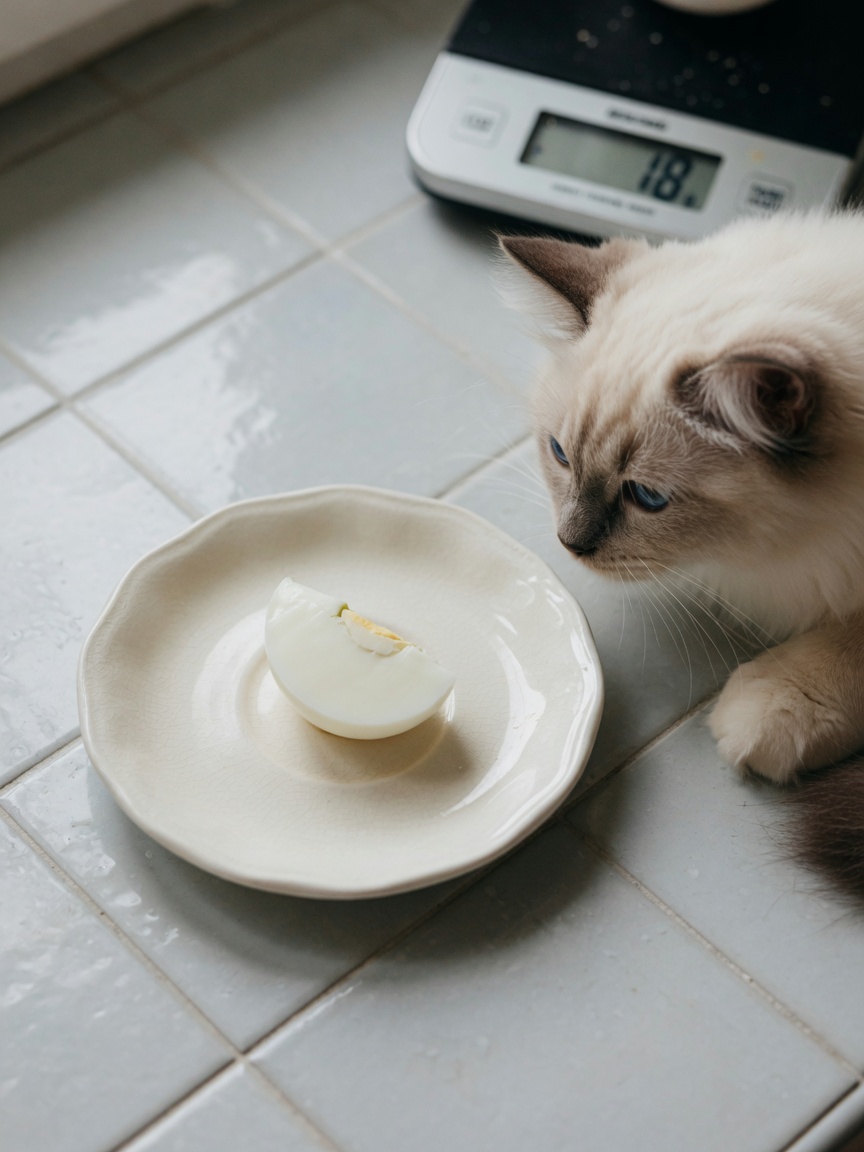
Eggs should be treated as an occasional treat rather than a dietary staple, even when cooked. Cats have specific nutritional requirements that are best met by a complete and balanced commercial cat food or a carefully formulated home-prepared diet — not by supplementary foods added informally.
A useful guideline for a small to average-sized adult cat is no more than the equivalent of one egg white per week, spread across several small servings rather than given all at once. The yolk is higher in fat and calories than the white; while it provides useful fat-soluble vitamins, excessive yolk can contribute to weight gain in cats that are already at a healthy weight or above it.
For a small cat weighing around four kilograms, a quarter of a boiled egg white two or three times per week is a reasonable treat portion. Larger cats can tolerate slightly more, but the principle of treating eggs as an enhancement rather than a substantial part of the diet applies regardless of size.
Kittens, Elderly Cats, and Cats with Health Conditions
Kittens have more sensitive digestive systems than adult cats and are still developing the enzymatic capacity to process a wide variety of foods. Introducing cooked egg to a kitten should be done cautiously and in very small amounts, watching for any signs of digestive upset such as loose stools or vomiting.
Elderly cats, particularly those with kidney disease, may need to moderate their overall protein intake depending on the stage and severity of their condition. In these cases, any dietary additions — including eggs — should be discussed with your vet before introduction.
Cats with known food allergies or sensitivities should be approached with care. Egg allergy is not common in cats but is possible; signs of an allergic reaction include skin itching, gastrointestinal upset, or facial swelling following egg consumption. If you observe any of these signs, discontinue egg and consult your vet.
Practical Preparation Tips
- Always cook eggs thoroughly before offering them to your cat. Both the white and yolk should be fully set, with no runny or translucent portions remaining.
- Allow cooked egg to cool to room temperature before serving. Cats can burn their mouths on food that is too hot, and many cats will refuse food that is warmer than body temperature anyway.
- Offer egg as a separate small portion rather than mixing it into your cat's regular food, at least initially. This makes it easier to identify any adverse reaction if one occurs.
- Do not offer seasoned, salted, or fried egg. Kitchen scraps that have been cooked with other ingredients are not appropriate cat treats even if egg is part of them.
- Store cooked egg in the refrigerator and use within 24 hours. Do not leave cooked egg at room temperature for more than two hours before offering it.
The Bottom Line
Cooked egg is a safe, protein-rich treat that most cats will enjoy and can benefit from in small amounts. The key rules are simple: always cook the egg, keep the portion small, and offer it plain without any added ingredients. Raw eggs — and particularly raw egg whites fed regularly — carry real risks that outweigh any nutritional benefit when a safer alternative is so easily available. A briefly boiled or gently scrambled egg, cooled and offered in a modest portion, is all your cat needs to enjoy this nutritious treat safely.