
What Is Feline Infectious Peritonitis?
Feline Infectious Peritonitis, or FIP, is a serious and complex disease that affects cats worldwide. For a long time it was considered almost always fatal, but that picture has changed dramatically in recent years. Understanding what FIP actually is — and is not — is the first step for any cat owner facing this diagnosis.
FIP is caused by a mutated form of a very common virus called feline enteric coronavirus (FECV). FECV itself is widespread and usually causes only mild or no symptoms — many cats carry it without ever becoming ill. In a small number of cats, however, the virus mutates inside the individual cat's own body and transforms into feline infectious peritonitis virus (FIPV). This mutated form behaves very differently, triggering a damaging immune response that leads to FIP.
One of the most important things to understand is that FIP itself is not contagious between cats. The mutation happens within one cat and cannot be passed on to another. The original coronavirus (FECV) can spread between cats, but the disease FIP does not. If your cat is diagnosed with FIP, your other cats are not at direct risk of developing it from that cat.
Which Cats Are Most at Risk?
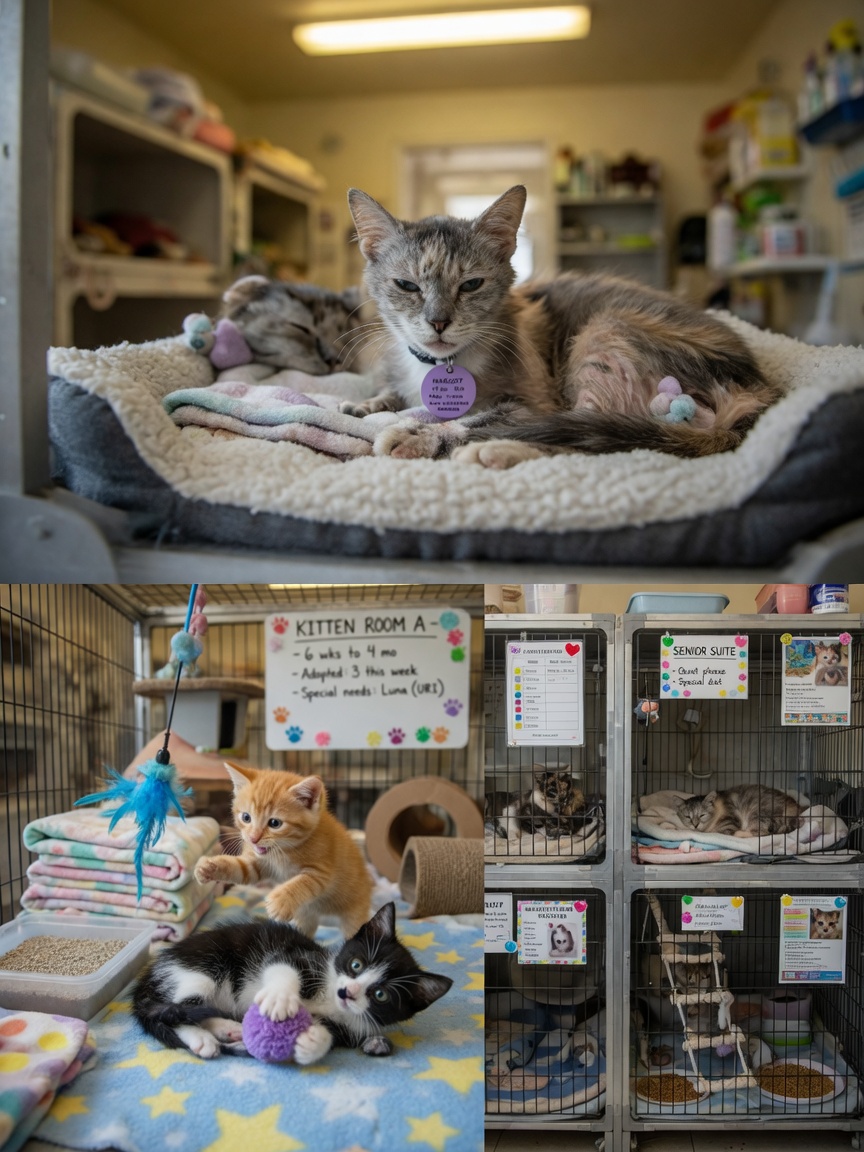
FIP can affect cats of any age, but it is most commonly diagnosed in young cats — particularly those under two years old — and in elderly cats. Cats living in multi-cat environments such as catteries or rescue centres are exposed to FECV more frequently, which increases the statistical chance that the mutation may occur. Pedigree cats also appear to be at slightly higher risk than moggies, though the reasons for this are not fully understood. Stress and immune system challenges may also play a role in triggering the mutation.
The Three Forms of FIP
FIP presents in three main forms, each affecting the body differently.
Wet (Effusive) FIP
The wet form is the most common and tends to progress more quickly. It causes a build-up of fluid in the abdomen or chest cavity. A cat with abdominal wet FIP may have a noticeably swollen belly, while chest involvement can cause breathing difficulties. The fluid produced is typically yellow and sticky.
Dry (Non-Effusive) FIP
The dry form causes granulomas — small inflammatory lesions — to form on internal organs including the liver, kidneys, intestines, and sometimes the brain. This form tends to progress more slowly but can cause a wide range of symptoms depending on which organs are affected. Neurological signs such as wobbliness, seizures, or behavioural changes can occur when the brain is involved.
Ocular FIP
Some cats develop eye involvement, with uveitis (inflammation inside the eye) being the most recognisable sign. The eyes may appear cloudy, the pupils may be an unusual shape, or there may be visible bleeding inside the eye. Ocular signs can occur alongside wet or dry FIP, or sometimes as the primary presentation.
How Is FIP Diagnosed?
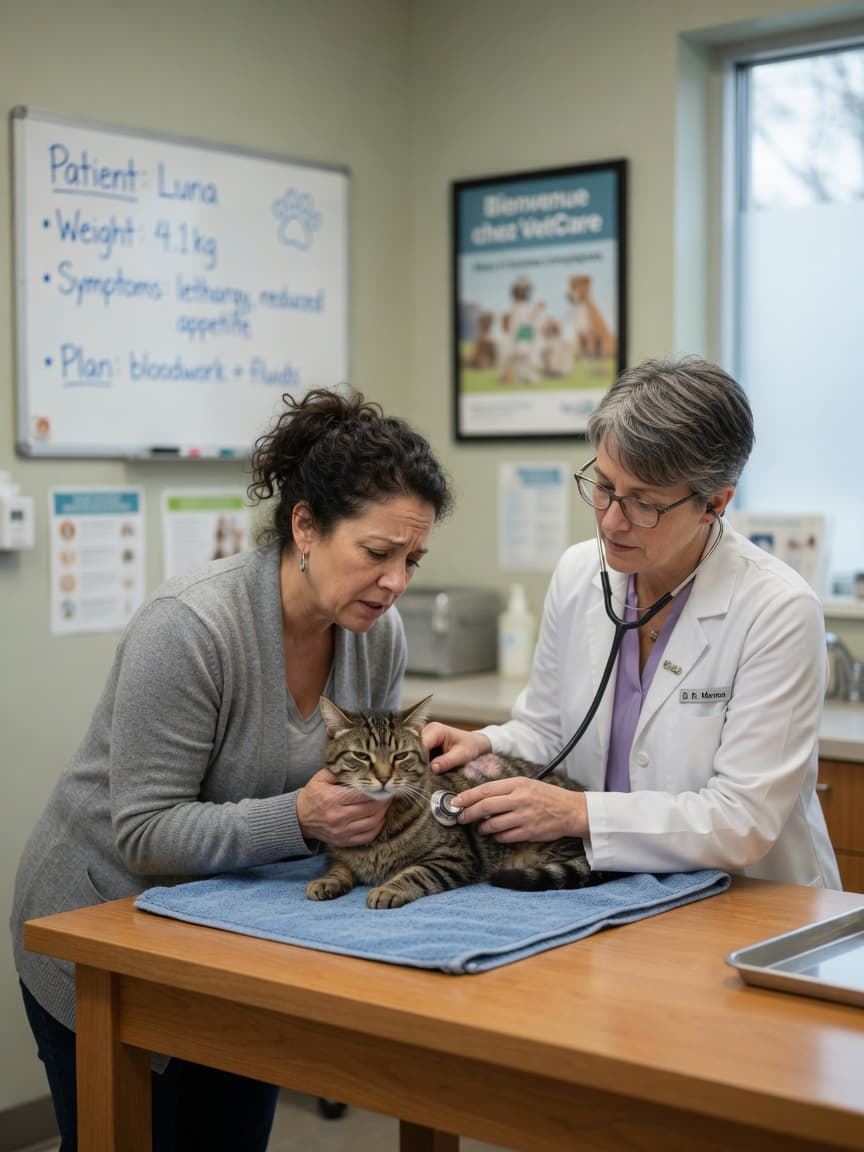
Diagnosing FIP remains one of the most challenging aspects of this disease, as there is no single perfect test. Vets typically build a picture using a combination of approaches.
- The Rivalta test is performed on fluid taken from the abdomen or chest. It is a simple, inexpensive test that can strongly suggest FIP based on the protein content of the fluid.
- PCR testing can detect coronavirus genetic material in fluid or tissue samples, though it cannot always distinguish between FECV and FIPV.
- Alpha-1-acid glycoprotein (AGP) is an inflammatory protein that is typically elevated in FIP. High levels alongside other findings support a diagnosis.
- FCoV antibody levels can be measured in the blood, though positive results only confirm exposure to coronavirus, not necessarily FIP itself.
- Blood tests often show a characteristic pattern: low albumin, high globulins, anaemia, and a low albumin-to-globulin ratio.
In many cases, diagnosis is made based on the combination of clinical signs, fluid analysis, and supportive bloodwork. Biopsy or immunohistochemistry of affected tissue provides the most definitive confirmation but is not always practical.
The Treatment Revolution: GS-441524 and Antiviral Drugs
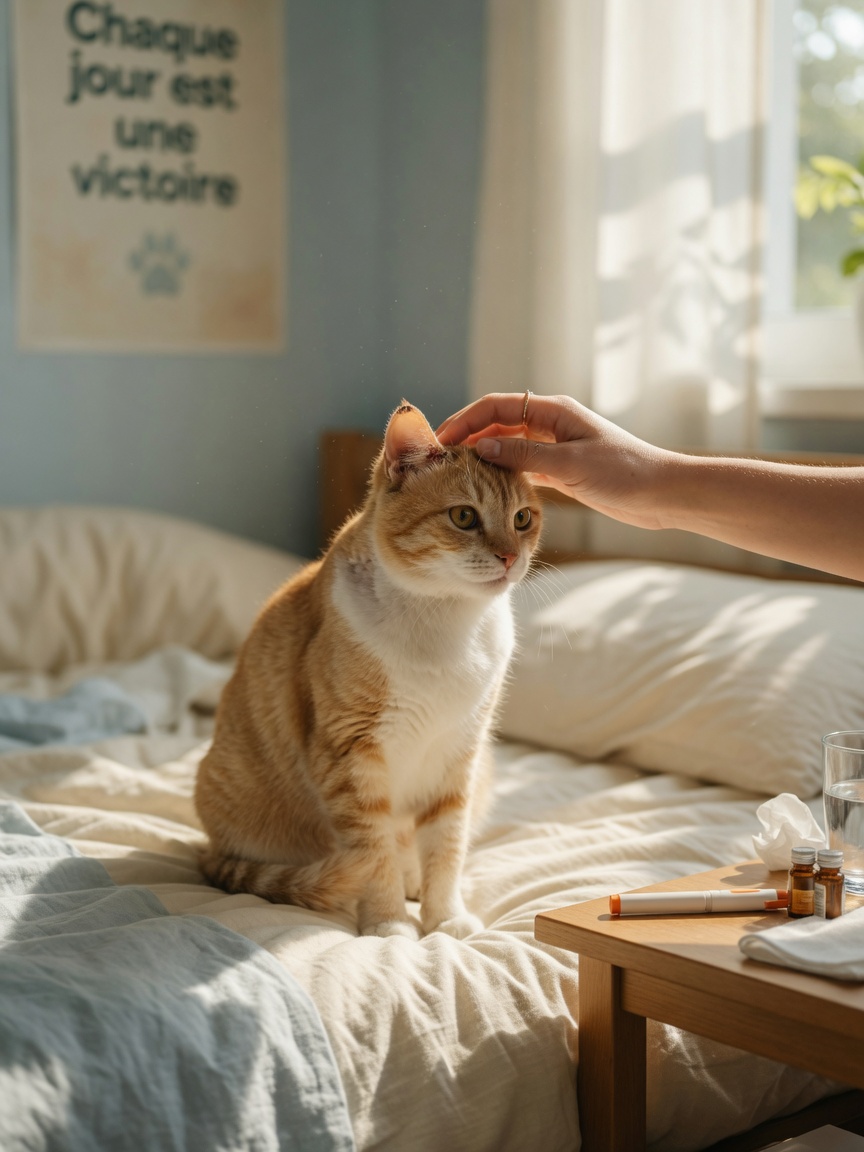
Until recently, a diagnosis of FIP was effectively a death sentence. That has now changed in a remarkable way. Antiviral drugs based on the compound GS-441524 have transformed FIP from a near-universally fatal disease into one that most cats can survive.
GS-441524 is a nucleoside analogue antiviral that works by blocking the coronavirus from replicating inside the cat's body. Clinical trials and real-world use have shown remission rates of over 85 to 90 percent in cats treated with a full 12-week course of treatment. This is an extraordinary turnaround for a disease that previously offered almost no hope.
For a number of years these drugs were not formally licensed in most countries, but cat owners and advocacy organisations — notably SOCK FIP and similar groups across Europe — worked tirelessly to help owners access treatment. In the European Union, the European Medicines Agency (EMA) has now approved licensed treatments for FIP. Xraphconn (remdesivir oral formulation) represents one of the approved options available through veterinary prescription, marking a pivotal moment in feline medicine.
Treatment typically involves daily administration for 12 weeks, with monitoring throughout. Neurological and ocular forms of FIP may require higher doses and longer treatment periods. After completing treatment, cats enter a monitoring period to ensure remission is sustained.
What to Expect During Treatment
Most cats begin responding to treatment within the first one to two weeks. Cats with the wet form often show rapid improvement as fluid is reabsorbed. Appetite and energy typically return early in treatment, which is enormously encouraging for owners who may have watched their cat deteriorate.
Regular monitoring during the 12-week course includes repeat blood tests to track protein levels, white blood cell counts, and other markers. Vet visits every four weeks are typical. After completing treatment, cats are usually monitored for a further 12 weeks before being considered in remission.
Cost and Access
The cost of FIP treatment varies depending on the cat's weight, the form of FIP, and the specific product used. Licensed treatments are now available through vets in the EU, making access more straightforward than it once was. Owners should discuss options with their vet, including the availability of licensed versus unlicensed products. Support organisations such as SOCK FIP can also provide guidance to owners navigating access and costs.
A Realistic Outlook
FIP is no longer the automatic death sentence it once was. With access to antiviral treatment, the majority of cats diagnosed with FIP today can survive and go on to live full, happy lives. Early diagnosis and prompt treatment give the best outcomes. If your cat is showing signs consistent with FIP, speak to your vet as soon as possible — time matters, and the treatments now available offer genuine hope.