
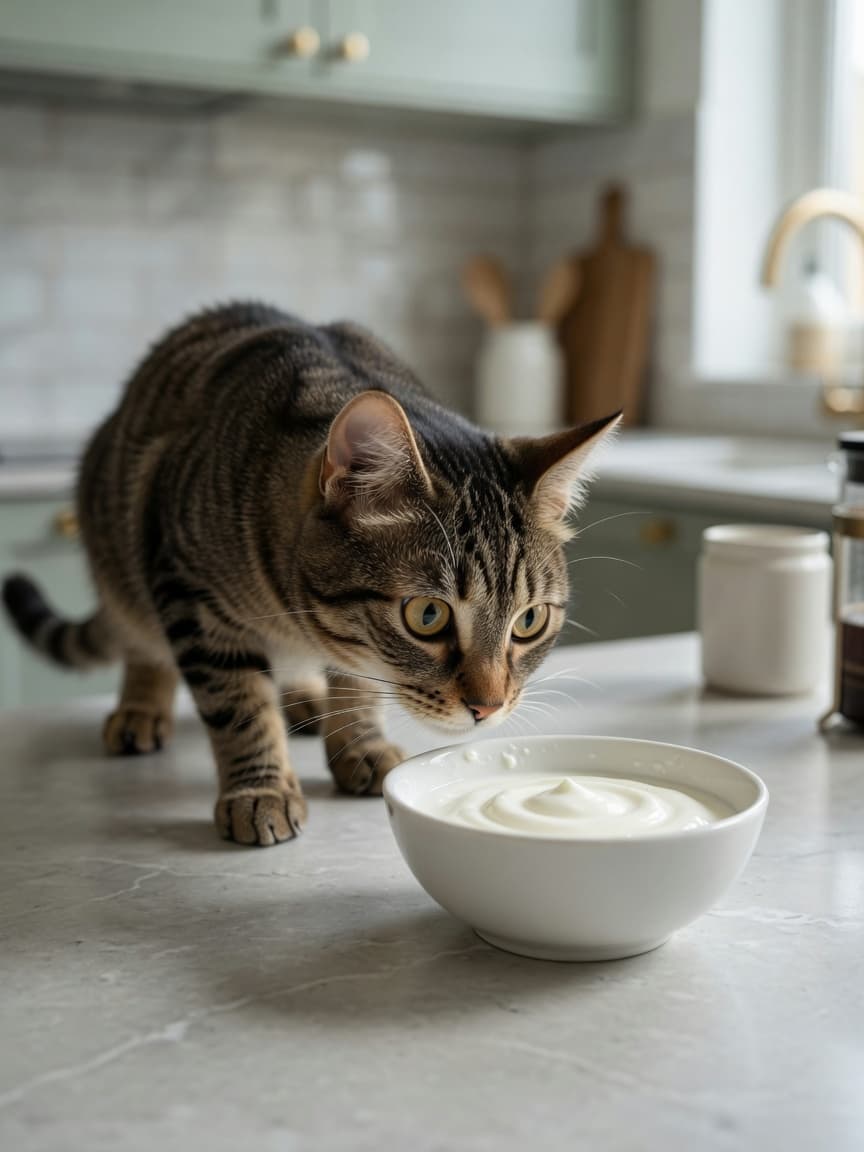
Can Cats Eat Yogurt? What Every Cat Owner Should Know
Why Cats and Dairy Are a Complicated Pair
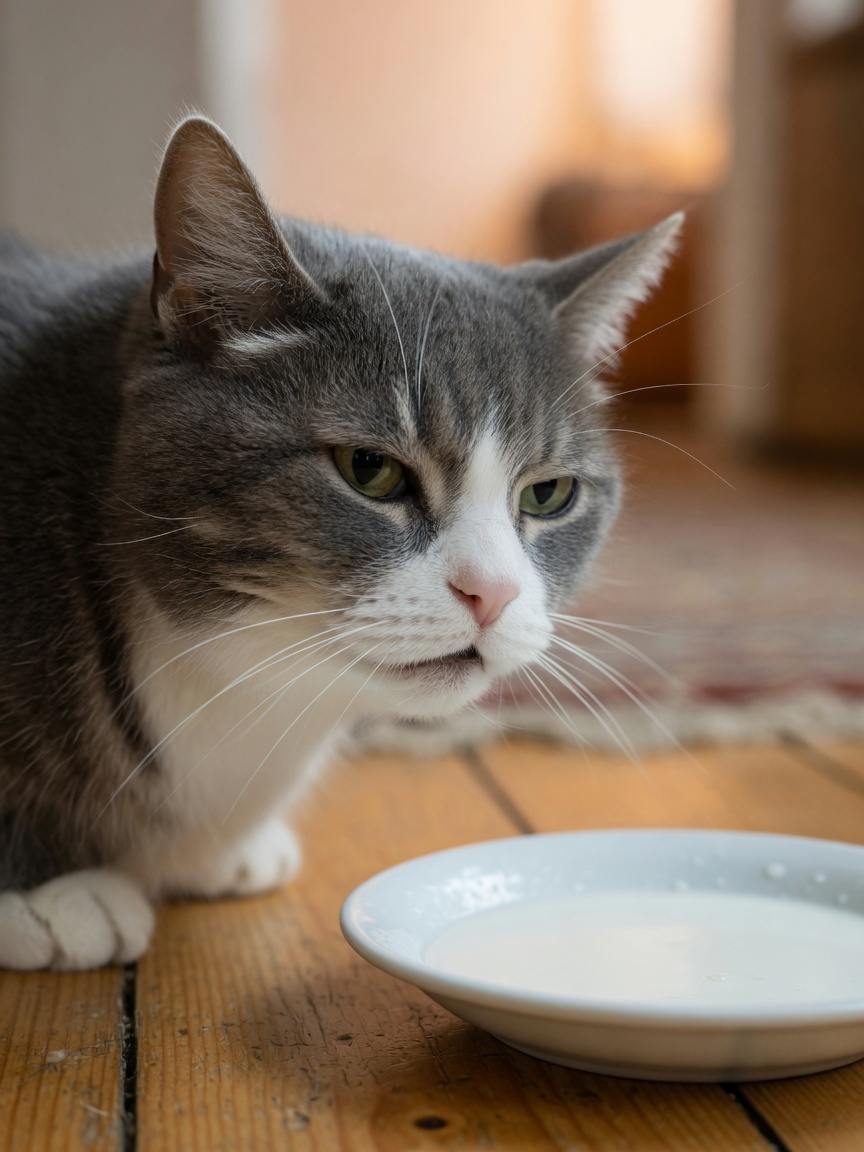
The image of a cat lapping up a bowl of milk is deeply embedded in popular culture, but the reality is far less charming for your pet's digestive system. Most adult cats are lactose intolerant. As kittens, cats produce an enzyme called lactase that helps break down lactose, the natural sugar found in milk and dairy products. Once they are weaned, lactase production drops significantly — and with it, their ability to process dairy.
Yogurt, compared to regular milk, has a somewhat lower lactose content because the fermentation process converts a portion of the lactose into lactic acid. This is why some adult humans who are mildly lactose intolerant can tolerate yogurt better than milk. The same principle applies — to a limited degree — to cats. A small lick of plain yogurt is unlikely to cause serious harm, but it is not without risk for cats with sensitive stomachs.
Are the Live Cultures in Yogurt Beneficial for Cats?
One of the most frequently cited reasons for offering yogurt to cats is the presence of live probiotic cultures, typically Lactobacillus acidophilus and Bifidobacterium strains. These bacteria are associated with improved gut health in humans and have been studied in animals as well.
There is some limited evidence that probiotics can support feline digestive health, particularly during or after antibiotic treatment, or in cats with chronic gastrointestinal issues. However, it is important to note that the probiotic strains most effective for cats are not necessarily the same as those found in commercial human yogurt. Veterinary-formulated probiotic supplements designed specifically for cats are a more targeted and reliable option.
If your cat has been prescribed antibiotics and you are wondering about gut support, speak with your veterinarian rather than reaching for the yogurt container. They can recommend an appropriate feline probiotic that will deliver consistent, species-appropriate bacteria in the correct dosage.
What Types of Yogurt Are Safe — and What to Avoid
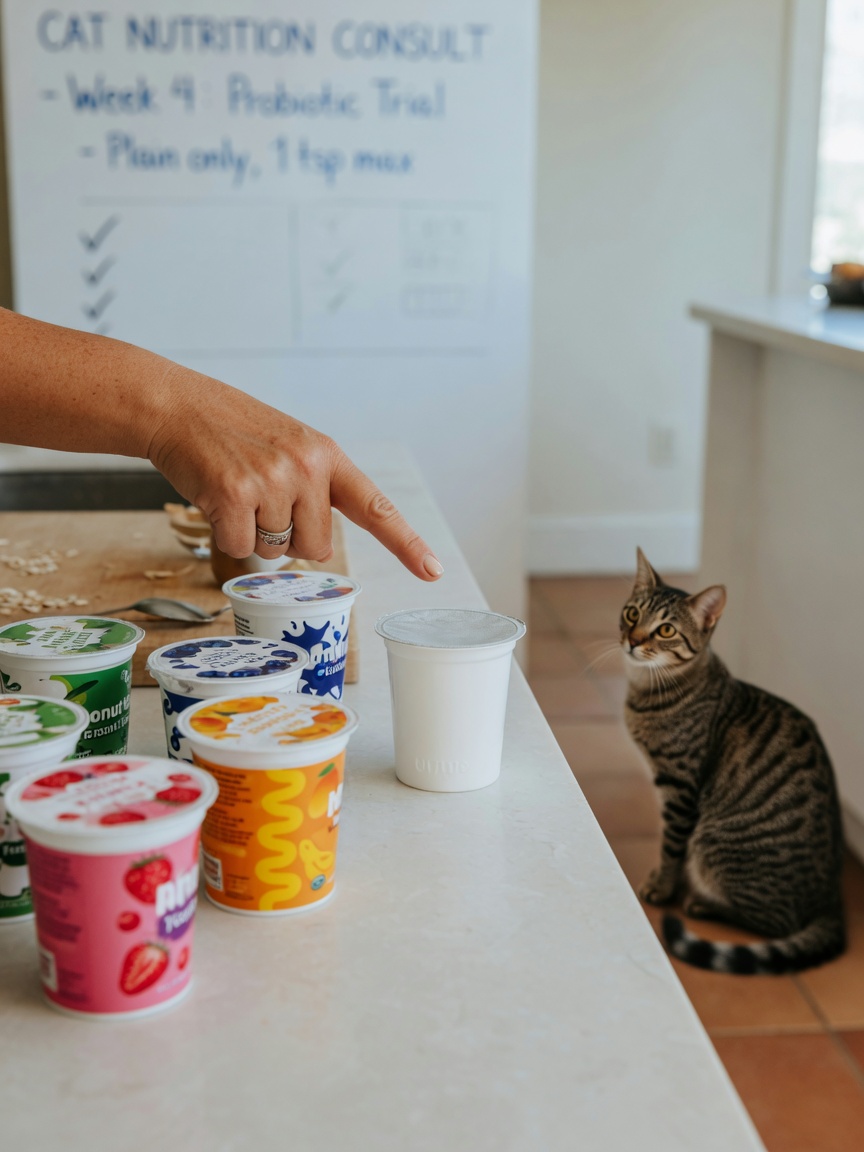
If you decide to offer your cat a tiny taste of yogurt, the type you choose matters enormously.
Plain, full-fat or low-fat yogurt with no added sugars or sweeteners is the safest option. Even then, the portion should be no more than half a teaspoon at a time, and only offered occasionally — not as a daily habit.
The following types of yogurt should never be given to cats:
- Flavored yogurts — these often contain fruit concentrates, artificial flavors, or colorings that provide no benefit and may cause digestive upset.
- Sweetened yogurts — added sugar is unnecessary for cats and contributes to weight gain, dental issues, and metabolic stress over time.
- Yogurts containing xylitol — this artificial sweetener is highly toxic to many animals. Always read the ingredient label before offering any human food.
- Greek yogurt in large quantities — while Greek yogurt is lower in lactose than regular yogurt, it is also much higher in protein. In small amounts it is acceptable, but the concentrated dairy protein load is unnecessary for cats already receiving adequate protein from meat-based food.
- Yogurt with chocolate or raisins — both ingredients are toxic to cats and must always be avoided.
Signs of Lactose Intolerance in Cats
Even a small amount of yogurt can trigger symptoms in a lactose-intolerant cat. Watch for the following signs in the hours after your cat consumes dairy:
- Loose stools or diarrhea
- Vomiting
- Flatulence or bloating
- Decreased appetite
- Lethargy
If your cat displays any of these symptoms after eating yogurt, discontinue dairy immediately and ensure they have access to plenty of fresh water. If symptoms persist beyond 24 hours, consult your veterinarian.
Cats Are Obligate Carnivores — Dairy Is Not a Natural Food
It is worth stepping back to consider yogurt in the context of a cat's biology. Cats are obligate carnivores, meaning their bodies are designed to derive all essential nutrients from animal-based protein and fat. Their digestive systems are short and highly acidic, optimized for processing meat, not plant-based foods or dairy products.
Cats have no nutritional requirement for carbohydrates, and dairy — including yogurt — contributes sugars (lactose) that cats are not well-equipped to handle. A high-quality commercial cat food or a vet-approved raw diet already provides everything a cat needs. Yogurt, at best, is a harmless occasional curiosity treat; at worst, it can cause digestive discomfort and contribute to an imbalanced diet if offered too frequently.
Ver alimentos para gatos en Zooplus →Healthier Alternatives to Yogurt for Digestive Support
If your goal in offering yogurt is digestive support, there are better options. Species-specific probiotic supplements for cats come in powder, paste, or chew formats and contain strains that are more relevant to feline gut health. Some high-quality wet cat foods are also formulated with prebiotics and digestive enzymes.
For hydration — another common reason owners try to offer soft foods like yogurt — plain water or a cat water fountain are far superior. Cats who struggle to drink enough water typically benefit from switching to wet food, which can contain up to 80% moisture, rather than dairy-based additions.
- Plain, unsweetened yogurt is not toxic to cats in very small amounts, but it still contains lactose and can cause digestive upset.
- Live probiotic cultures in yogurt may offer mild gut benefits, but veterinary-formulated feline probiotics are more effective.
- Never offer flavored, sweetened, or xylitol-containing yogurt — these can be harmful or toxic.
- Cats are obligate carnivores and have no nutritional need for dairy of any kind.
- If you want to support your cat's digestive health, ask your vet about a species-appropriate probiotic supplement.
References
- Verbrugghe A, Bakovic M. "Peculiarities of one-carbon metabolism in the strict carnivore, the domestic cat (Felis catus)." Nutrients. 2013;5(7):2811-35. PMID: 23873295
- Plantinga EA, Bosch G, Hendriks WH. "Estimation of the dietary nutrient profile of free-roaming feral cats: possible implications for nutrition of domestic cats." Br J Nutr. 2011;106 Suppl 1:S35-48. PMID: 22005436
- Morris JG. "Cats discriminate between carbohydrate-supplemented and unsupplemented diets." J Nutr. 2002;132(6 Suppl 2):1713S-5S. PMID: 12042485