
How to Toilet Train a Kitten: Everything You Need to Know
One of the great advantages of owning a cat is that they are naturally inclined to bury their waste. Most kittens learn toileting behaviour from their mother within the first few weeks of life, which means that by the time they arrive in your home, the instinct is already in place. Your job is simply to provide the right environment and guide them towards the correct spot. With a little patience and some practical know-how, the vast majority of kittens can be reliably using a litter box within days.
Choosing the Right Litter Box
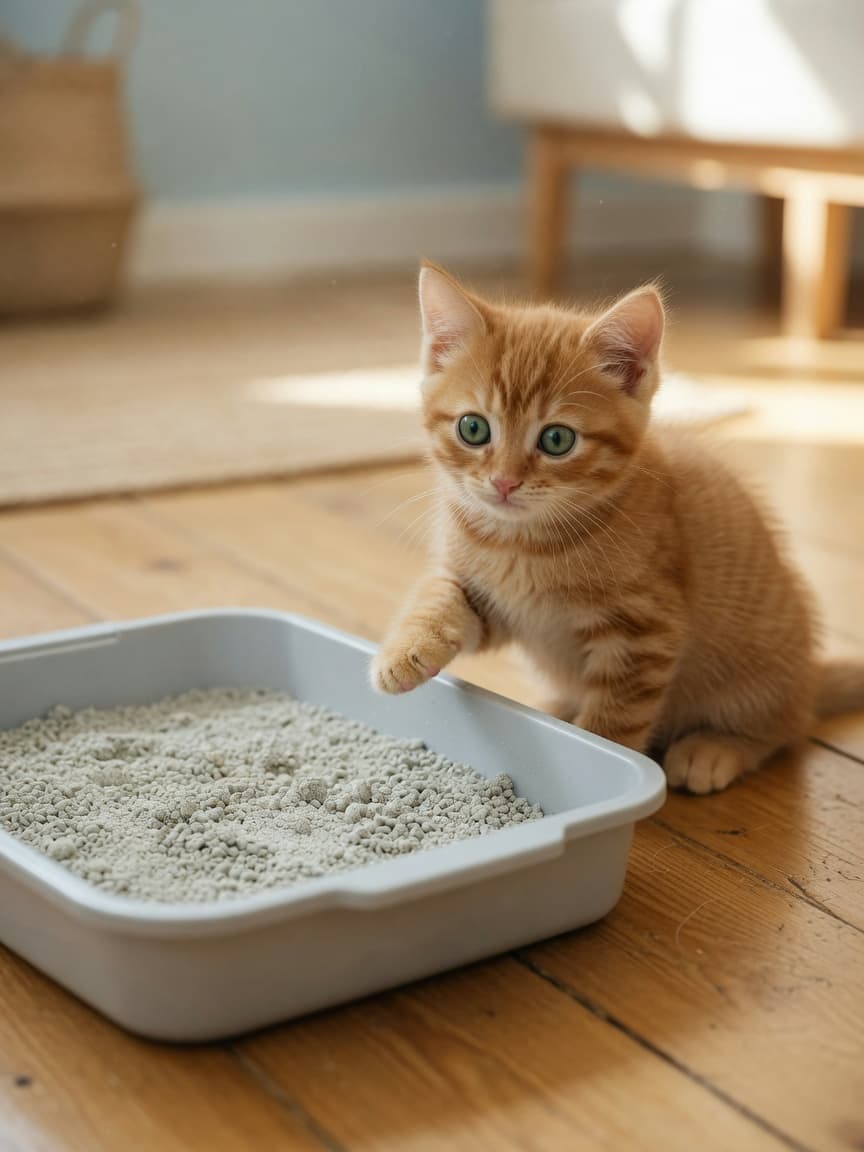
The first step is selecting an appropriate litter tray. For a young kitten, the most important feature is low sides. A kitten between eight and twelve weeks old does not yet have the coordination or leg strength to climb over tall edges, so a shallow tray or one with a cut-out entrance is essential. As your cat grows, you can transition to a larger box with higher sides.
Open trays are generally better for kittens than covered ones. Enclosed boxes can feel threatening to a young cat who is not yet confident in their surroundings. They can also trap odours inside, which cats find unpleasant. Once your kitten is settled and comfortable, you can introduce a covered box if you prefer, but there is no need to rush.
In terms of size, the tray should be at least one and a half times the length of your kitten when fully grown. A tray that is too small is one of the most common reasons cats start toileting elsewhere.
The n+1 Rule for Multiple Litter Boxes
Veterinary behaviourists consistently recommend following the n+1 rule: provide one more litter box than the number of cats in your household. If you have one kitten, you need two trays. If you have two cats, you need three. This rule exists for several important reasons.
Cats are particular about cleanliness. Many will refuse to use a box that has already been soiled, particularly for a second time in a day. Having multiple trays reduces the chance that your kitten will find its preferred box occupied or dirty and choose the corner of your bedroom instead. It also helps in multi-cat households where one cat may try to guard or monopolise a resource.
Spread the trays around the home rather than placing them all in one location. If all the trays are in a single room and your kitten is playing on another floor, the urge to go may arrive before they can reach the toilet area.
Litter Box Placement
Where you position the litter tray matters as much as the tray itself. Cats value privacy and a sense of security when they toilet. Place trays in quiet, low-traffic areas of the home — away from busy hallways, washing machines, and anywhere that produces sudden loud noises. A startled kitten mid-use may associate the tray with something frightening and refuse to return.
Keep litter boxes well away from food and water bowls. Cats are instinctively clean animals and find it aversive to eat near where they eliminate.
Avoid placing trays in locations that are difficult to reach. A kitten exploring a new home may not always remember a tray that is tucked behind a door or up a flight of stairs. Accessibility is key, particularly in the first few weeks.
Choosing the Right Cat Litter
The texture of litter matters a great deal to cats. Research suggests that most cats prefer fine-grained, sandy litter that resembles the loose soil or sand they would naturally choose in the wild. Clumping litters made from bentonite clay are popular for good reason — they are easy for cats to dig in and straightforward for owners to clean.
Avoid heavily scented litters. Manufacturers add fragrance to appeal to human noses, but cats are far more sensitive to smell and often find strongly perfumed products off-putting. An unscented or lightly scented litter is a safer choice.
Silica gel crystals and wood pellet litters are used by many owners, but these can feel unusual to kittens who have not encountered them before. If you want to try an alternative litter, introduce it gradually by mixing it with the original type over the course of a week or two.
Introducing Your Kitten to the Litter Tray
When your kitten arrives home, show them the location of each litter tray before they have a chance to explore elsewhere. Gently place them inside the tray so they can sniff the litter and get a feel for it. Do not force them to stay or move their paws to mimic digging — this can cause stress. Simply allow them to investigate at their own pace.
After meals, naps, and play sessions, place your kitten in the tray. These are the times when a kitten is most likely to need to go. If they use it, give quiet, calm praise. Avoid effusive celebrations that might startle them mid-task.
Handling Accidents
Accidents are a normal part of the learning process. When they happen, clean the area thoroughly with an enzymatic cleaner rather than a standard household product. Cats are drawn back to spots where they can smell previous elimination, and enzymatic cleaners are the only products that fully break down the organic compounds responsible for those odours.
Never punish a kitten for an accident. Scolding, rubbing their nose in the mess, or raising your voice will not teach them anything useful and may make them afraid of you or reluctant to toilet in front of you at all. If you catch them in the act, calmly pick them up and move them to the nearest tray.
If accidents are happening repeatedly in the same spot, consider temporarily placing a litter tray there. Once they are consistently using it, you can gradually move it a few centimetres each day towards the preferred location.
When Can a Kitten Be Fully Trusted?
Most kittens are reliably using a litter tray by twelve to sixteen weeks of age, but full trust — meaning unsupervised access to the whole house without accidents — typically comes later. Between four and six months, kittens are generally well-established in their toileting habits, though individual cats vary.
Sudden regression in a previously trained cat is never normal and should prompt a visit to your vet. Urinary tract infections, kidney issues, and other health conditions can all cause a cat to stop using their tray. Rule out a medical cause before assuming the problem is behavioural.
With consistent cleaning, the right setup, and a calm approach to the inevitable early mistakes, toilet training a kitten is one of the more straightforward aspects of cat ownership — and a well-trained kitten makes for a much more harmonious household for everyone.