
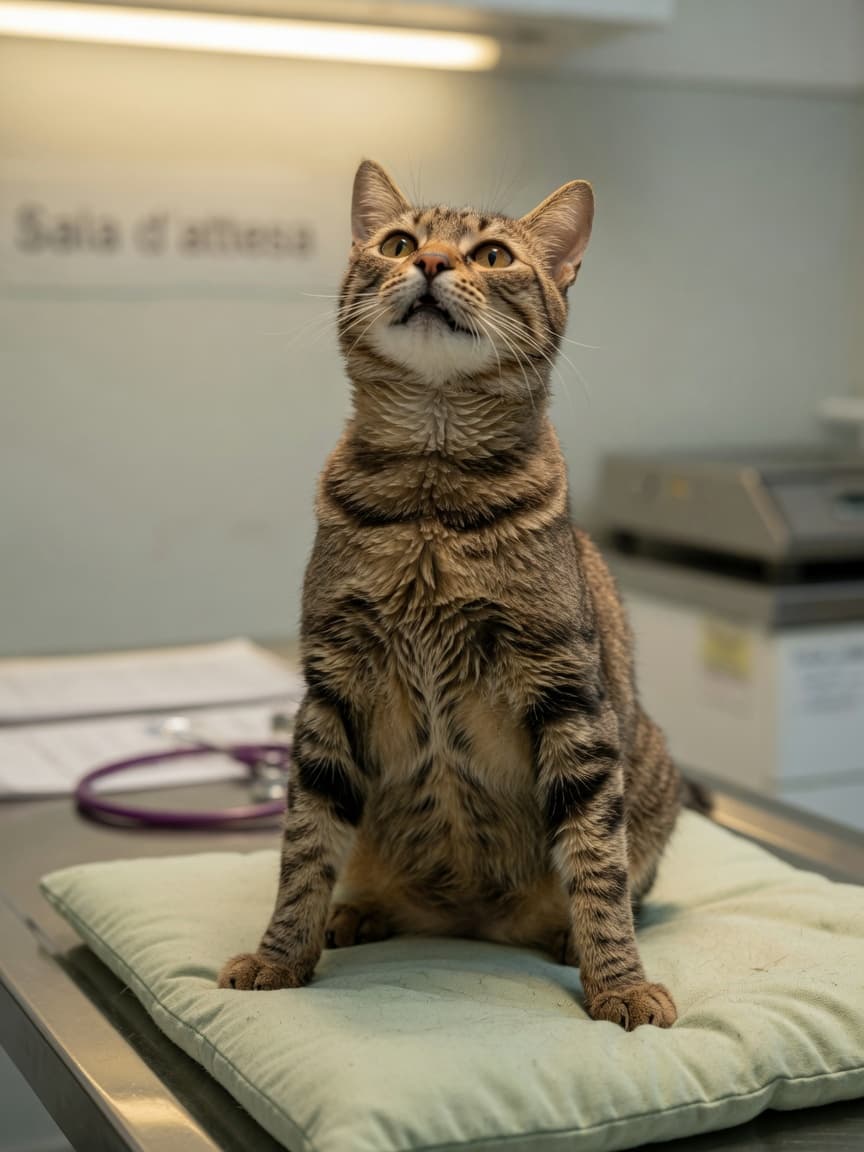
Why Is My Cat Breathing Fast? When It's an Emergency
Updated June 2026
- Resting respiratory rate above 40 breaths per minute sustained for more than 5 minutes
- Open-mouth breathing or panting at rest — always an emergency in cats
- Blue, grey, or white gums — indicates severe oxygen deprivation
- Rapid breathing with neck extended and elbows spread — classic respiratory distress posture
- Any rapid breathing following trauma, a cat fight, or a fall
A cat's normal resting respiratory rate is 15 to 30 breaths per minute — slow, quiet, and barely visible. When that rate climbs above 40 breaths per minute at rest, or when you can visibly see the abdomen heaving with each breath, something is wrong. Rapid breathing (tachypnea) in cats is one of the clearest signs that the respiratory or cardiovascular system is under stress, and it warrants prompt action. Unlike dogs, cats almost never breathe rapidly simply because they are warm — every case deserves evaluation.
How to Count Your Cat's Respiratory Rate
When your cat is sleeping quietly, count each chest rise (inhale) over 30 seconds and multiply by two. That's the resting respiratory rate (RRR). Keep a log — especially if your cat has a known heart or lung condition — because an increase in RRR is often the earliest detectable sign of disease progression, appearing before other symptoms. Some veterinary apps (like Cardalis or VetMeasure) can assist with home RRR monitoring. Normal: 15–30/min. Borderline elevated: 31–40/min. Emergency: above 40/min at rest.
1. Pleural Effusion
Fluid in the chest cavity surrounding the lungs physically compresses them, severely reducing their capacity. Affected cats breathe fast and shallowly, often refuse to lie down, and hold their neck extended. Causes include heart failure, pyothorax (infected fluid), chylothorax (lymphatic fluid), hemothorax (blood), and certain cancers (lymphoma, mesothelioma). Emergency thoracocentesis — draining the fluid with a needle — provides immediate dramatic relief and a diagnostic sample to identify the cause. This is a procedure that must be performed by a veterinarian.
2. Congestive Heart Failure (CHF)
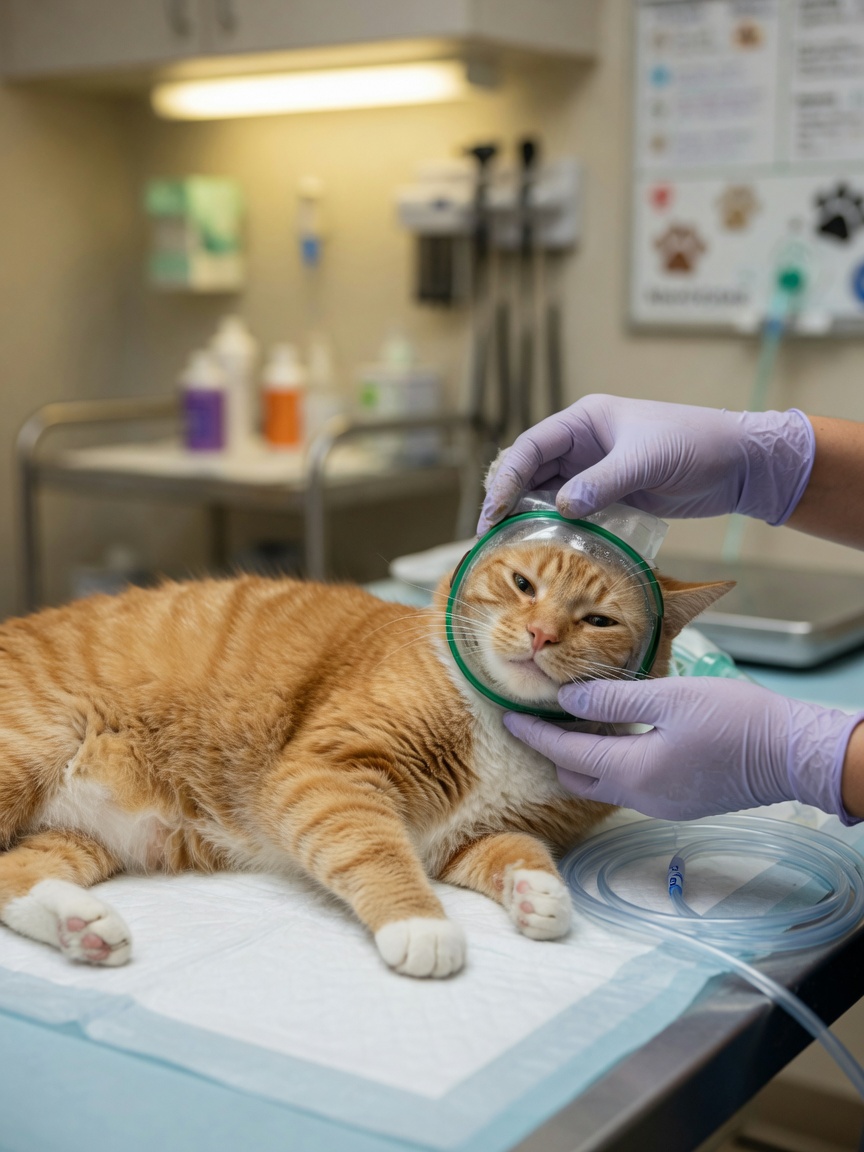
Hypertrophic cardiomyopathy (HCM) is the most common cardiac disease in cats and the most common cause of congestive heart failure. When the thickened heart muscle fails to pump effectively, fluid backs up into the lungs (pulmonary edema). The cat's breathing becomes increasingly rapid and labored, often over hours to days. Emergency treatment with oxygen therapy, injectable diuretics (furosemide), and stress minimization can be life-saving. Long-term management includes oral diuretics, atenolol, and anti-clotting medication to prevent saddle thrombus.
3. Feline Asthma
During an asthma attack, bronchospasm narrows the airways and causes rapid, wheezy, labored breathing. Cats in an asthma crisis crouch low, neck extended, and breathe from the abdomen. Severe asthma can progress to respiratory arrest. Emergency treatment involves a bronchodilator (albuterol inhaler with a spacer) and injectable corticosteroids. Any cat with known asthma should have a rescue inhaler at home, and owners should be trained in its use. Between attacks, inhaled corticosteroids reduce airway inflammation and attack frequency.
4. Pneumonia
Bacterial, viral, or aspiration pneumonia infects and inflames the lung parenchyma, reducing the area available for gas exchange. Affected cats breathe rapidly, may have a fever and nasal discharge, and often appear systemically unwell. Aspiration pneumonia — caused by inhaling vomit — can occur after anesthesia or severe vomiting episodes. Chest radiographs reveal the characteristic lung changes, and treatment involves antibiotics, nebulization, and supportive care including nutrition and fluids.
5. Anemia
When red blood cell numbers fall significantly, the body cannot carry enough oxygen, and the respiratory rate increases to compensate. Causes of severe feline anemia include immune-mediated hemolytic anemia, Mycoplasma haemofelis (a tick-borne bacterial pathogen), chronic blood loss, and bone marrow disease. A pale or white gums alongside rapid breathing in an anemic cat is a hematological emergency requiring blood count evaluation, identification of the cause, and often a blood transfusion.
6. Pneumothorax
Air entering the pleural space (between the lungs and chest wall) causes lung collapse. Pneumothorax most commonly results from trauma — a car accident, a fall, a bite wound — but can also occur spontaneously in cats with lung disease. The cat breathes rapidly and shallowly. Emergency aspiration of the air to re-expand the lungs is required, and the underlying cause must be addressed. Post-trauma cats may look normal initially and then deteriorate — always have a trauma cat examined even if it seems fine.
7. Stress or Pain (Short-Term)
Brief rapid breathing during a vet visit or car ride is often stress-related and resolves within minutes of arriving in a quiet environment. This is the only situational context where transient fast breathing in a cat without other symptoms can be safely observed. If it does not resolve within 5–10 minutes of rest, a physical cause must be investigated.
If your cat has a known diagnosis of HCM or asthma, establish a home resting respiratory rate baseline and measure it 2–3 times weekly. Most veterinary cardiologists recommend going to emergency care if the RRR is consistently above 40/min or increases by more than 10 breaths/min above the established baseline. Keep this log on your phone for quick reference during any emergency visit — it gives the emergency vet critical trend data.
Key Takeaways
- Resting respiratory rate above 40 breaths per minute in a cat is always an emergency — do not wait to see if it resolves.
- Pleural effusion, congestive heart failure, and asthma are the three most common treatable causes of rapid breathing in cats.
- Blue or white gums indicate severe oxygen deprivation and require emergency veterinary care within minutes, not hours.
- Post-trauma cats with rapid breathing should always be evaluated — internal injuries may not be immediately obvious.
- Home RRR monitoring in cats with known cardiac or respiratory disease provides early warning of decompensation.
References
- Lisciandro GR. Abdominal and thoracic focused assessment with sonography for trauma, triage, and monitoring in small animals. J Vet Emerg Crit Care. 2011;21(2):104–122. PMID: 21435071
- Payne JR, Brodbelt DC, Luis Fuentes V. Cardiomyopathy prevalence in 780 apparently healthy cats in rehoming centres (the CatScan study). J Vet Cardiol. 2015;17(Suppl 1):S244–S257. PMID: 26776583