Cats
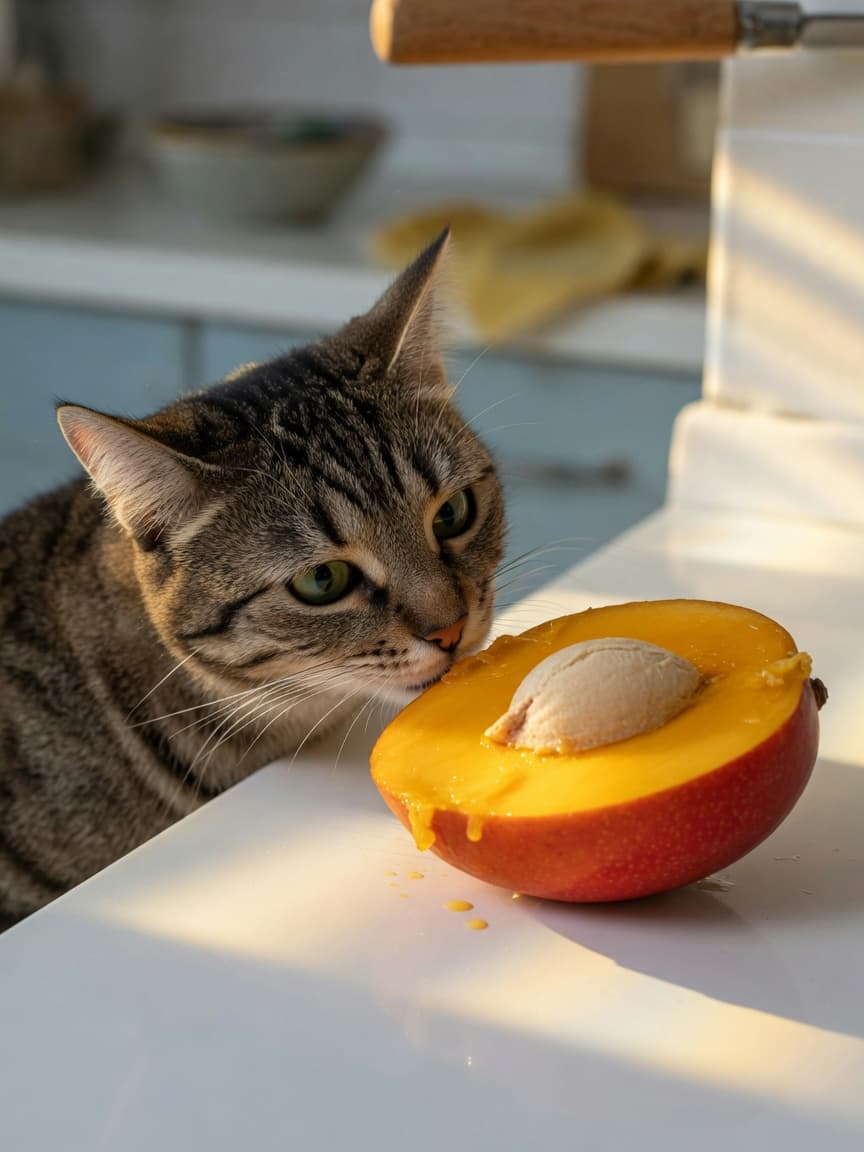
Can Cats Eat Mango?
Mango is beloved by humans for its sweet, rich flavor and impressive nutritional profile — vitamins A, C, B6, and fiber in abundance. But does any of…
Julia WrenfieldJuly 2, 2026

Cat health, behavior, and wellness tips
Mango is beloved by humans for its sweet, rich flavor and impressive nutritional profile — vitamins A, C, B6, and fiber in abundance. But does any of…
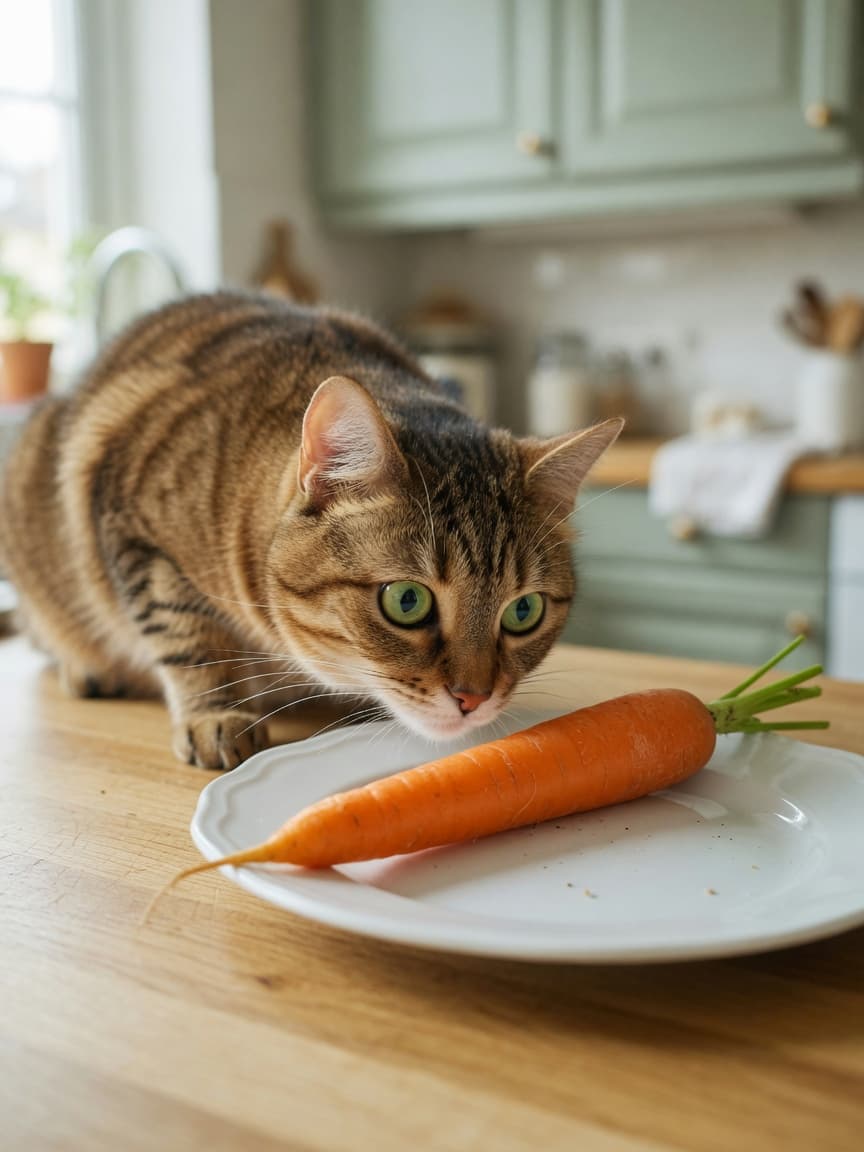
Cooked plain carrots are safe for cats in very small amounts and are not toxic. However, raw carrots present a choking and digestive risk, and the…
You notice your cat squatting repeatedly in the litter tray, producing little or nothing. She may cry out, lick her hindquarters obsessively, or leave…

A panting dog is a picture of healthy, happy exertion. A panting cat is almost always a medical problem. This fundamental difference trips up even…
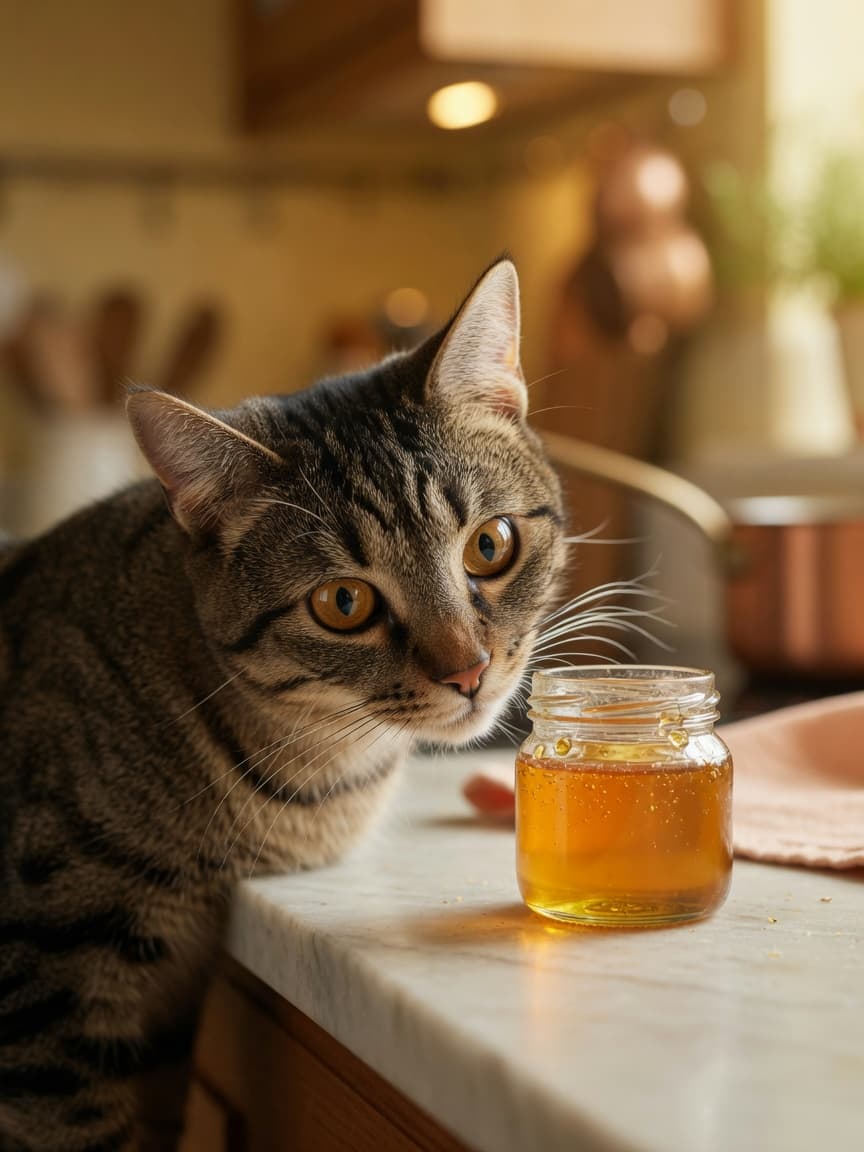
Honey occupies an interesting position in the world of natural foods. It is often associated with health benefits for humans — antimicrobial…
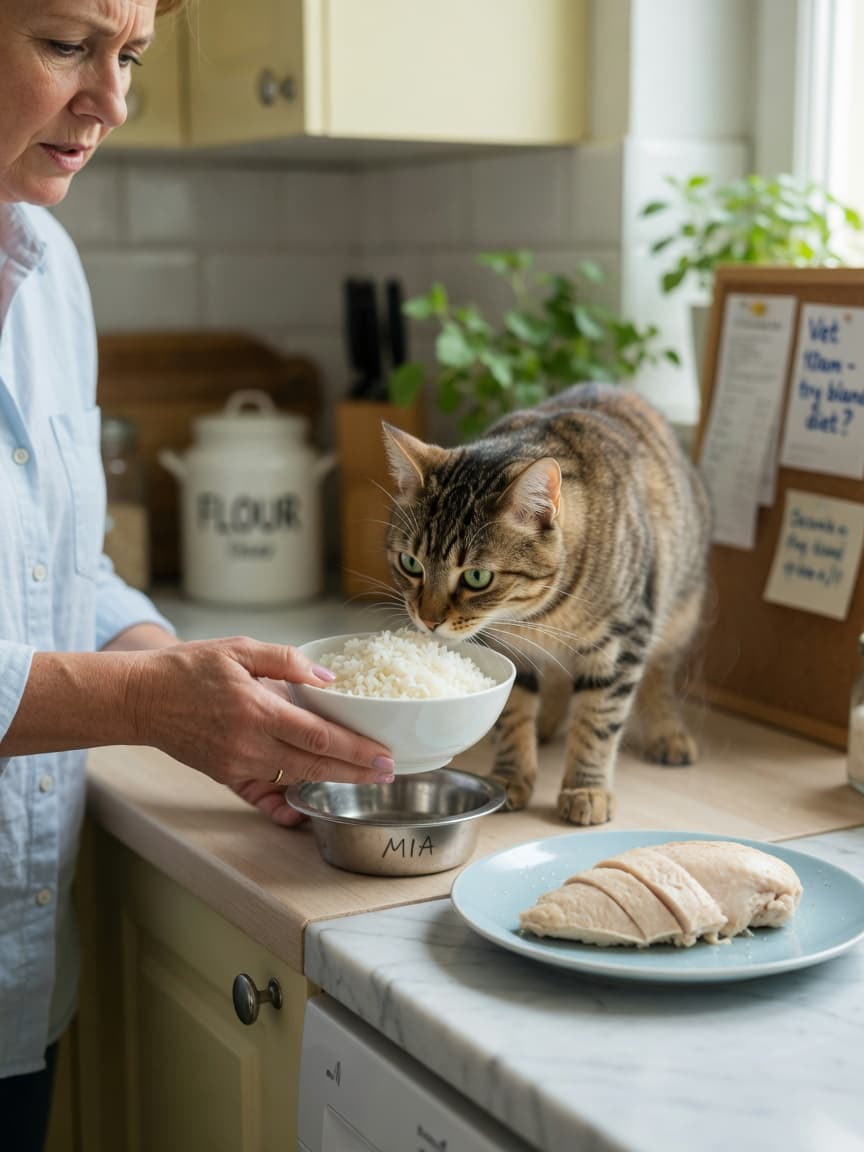
Plain cooked white rice is not toxic to cats and is commonly used by veterinarians as part of a bland diet to help settle an upset stomach. However, rice provides no meaningful nutrition for cats as obligate carnivores, and it should never become a regular part of their diet. It is a short-term dige…

Feline immunodeficiency virus (FIV) is a lentivirus — a slow-acting retrovirus — that progressively weakens the immune system of infected cats. Often…

Cats are obligate carnivores, and seafood sits well within the range of proteins their bodies are built to process. Wild feline ancestors did not hunt…
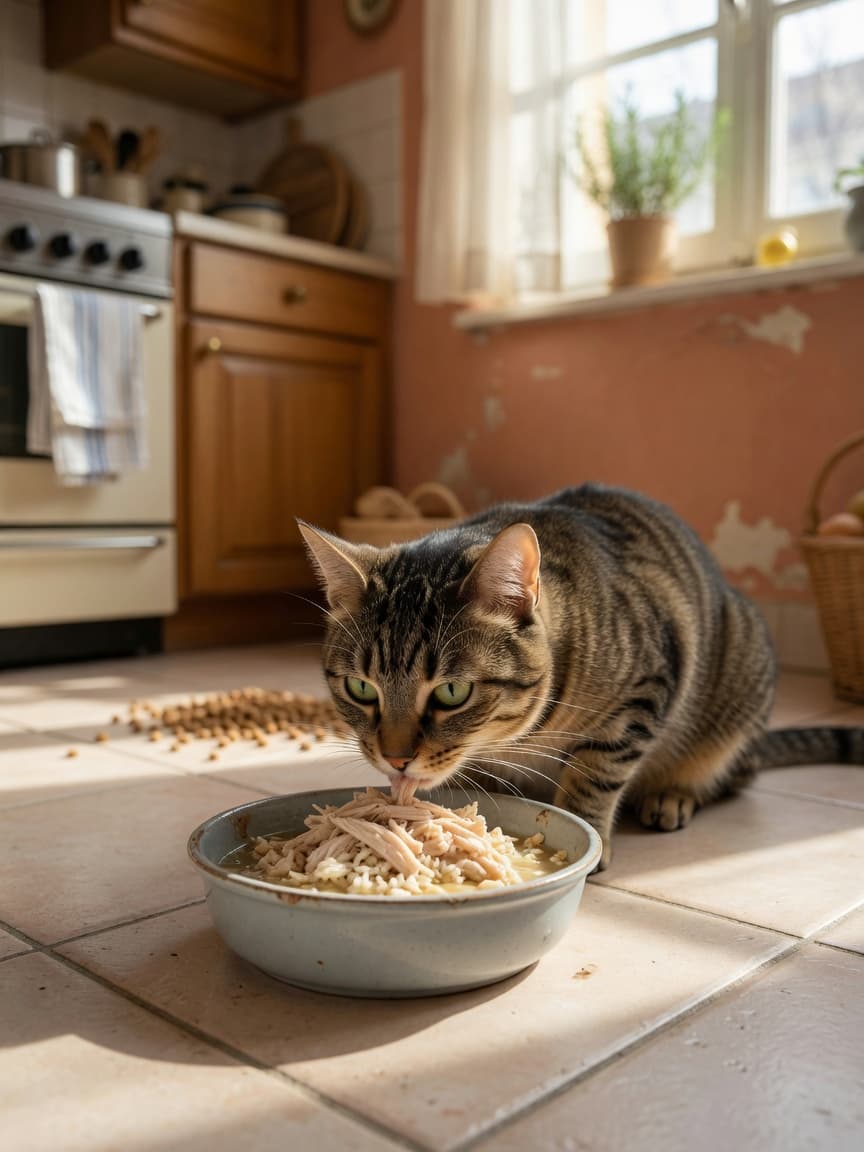
Cats are obligate carnivores, meaning their bodies are evolutionarily designed to derive nutrition almost entirely from animal tissue. Unlike omnivores, cats lack the metabolic pathways to efficiently convert plant-based nutrients into usable forms. Chicken delivers what cats need most: complete ani…
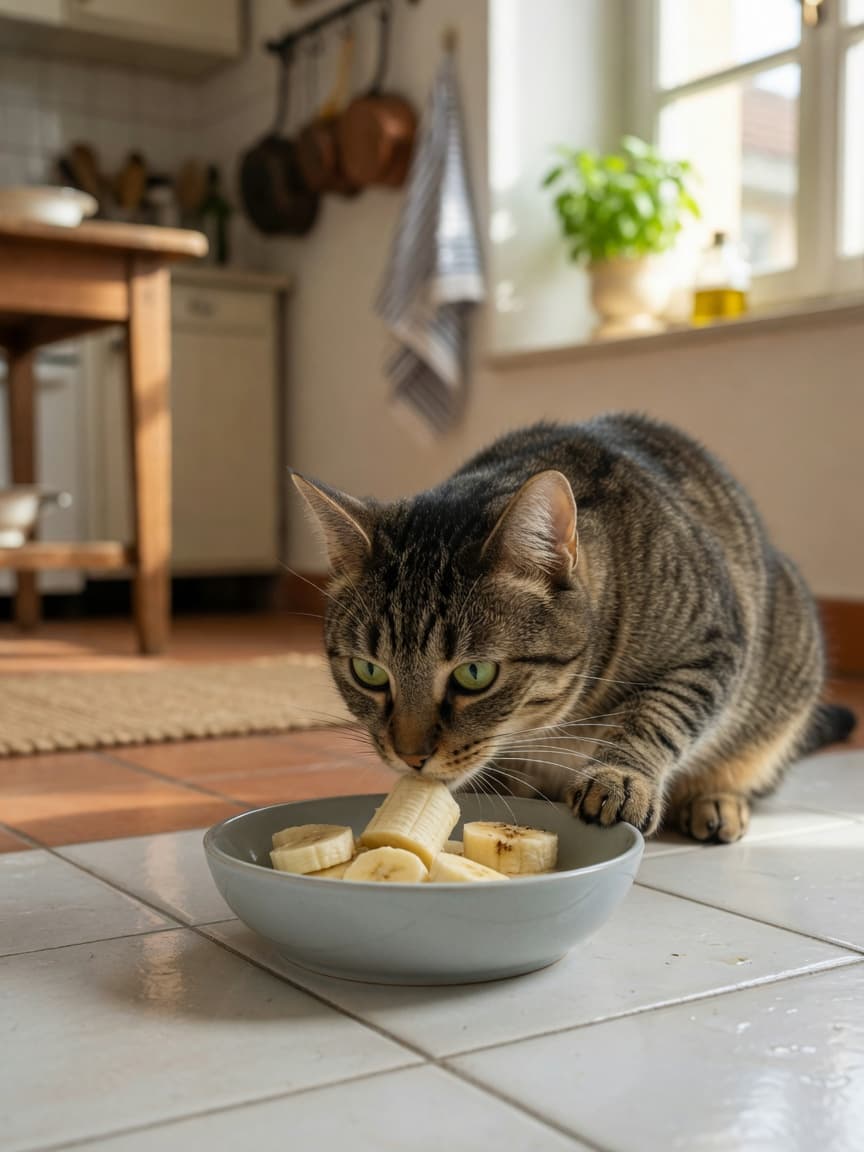
The straightforward answer is no — bananas are not listed as toxic to cats by major veterinary toxicology references. The ASPCA does not classify bananas as poisonous to felines. This makes them safer than many other fruits that cat owners ask about, such as grapes, raisins, or citrus. However, "not…
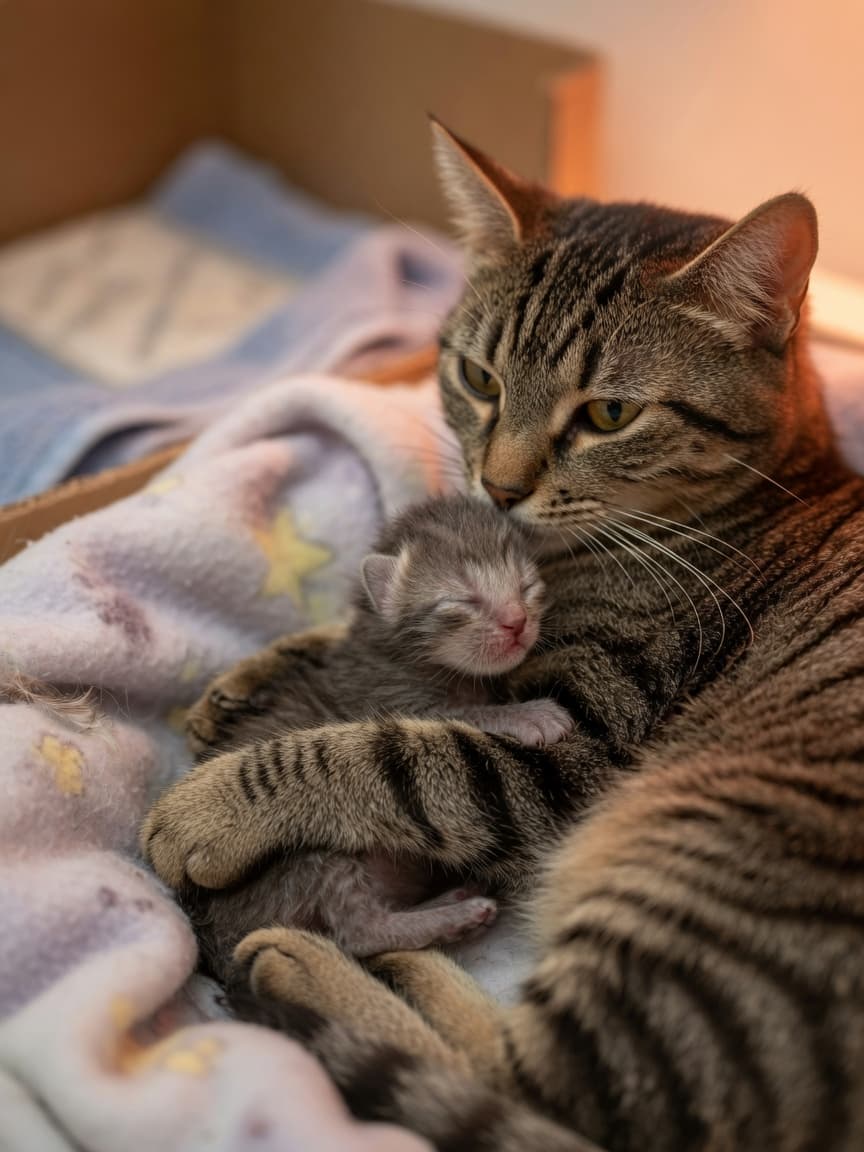
A kitten born today will reach sexual maturity in roughly six months — faster than almost any other domestic companion animal. In that compressed…
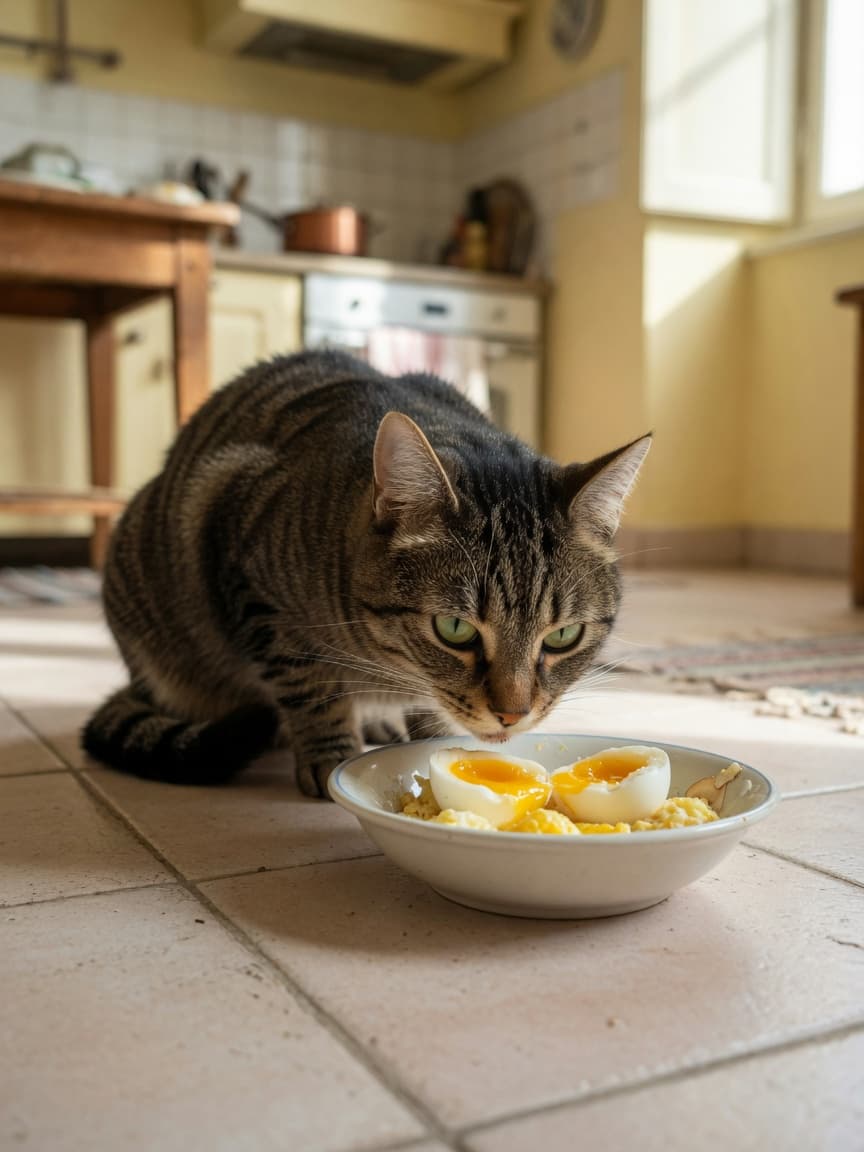
Cats are obligate carnivores — their digestive systems and metabolic pathways are optimized for animal-sourced nutrition. Eggs are one of the most nutritionally complete animal foods available, which is why they can be a valuable occasional addition to a cat's diet. Unlike plant-based protein source…

An estimated one in a hundred cats develops feline asthma at some point in its life — a figure that rises considerably in certain breeds. If you have…
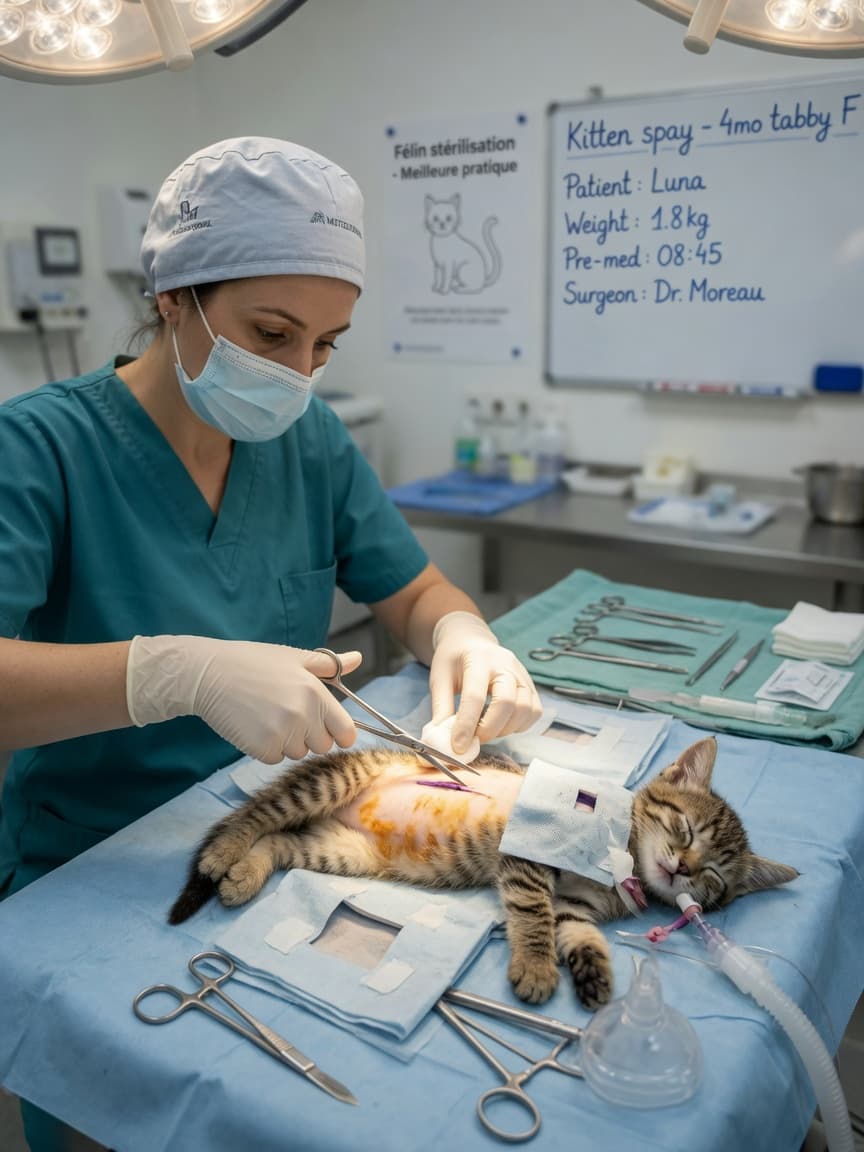
Spaying (ovariohysterectomy — surgical removal of the ovaries and uterus) is one of the most common surgical procedures performed on cats across…
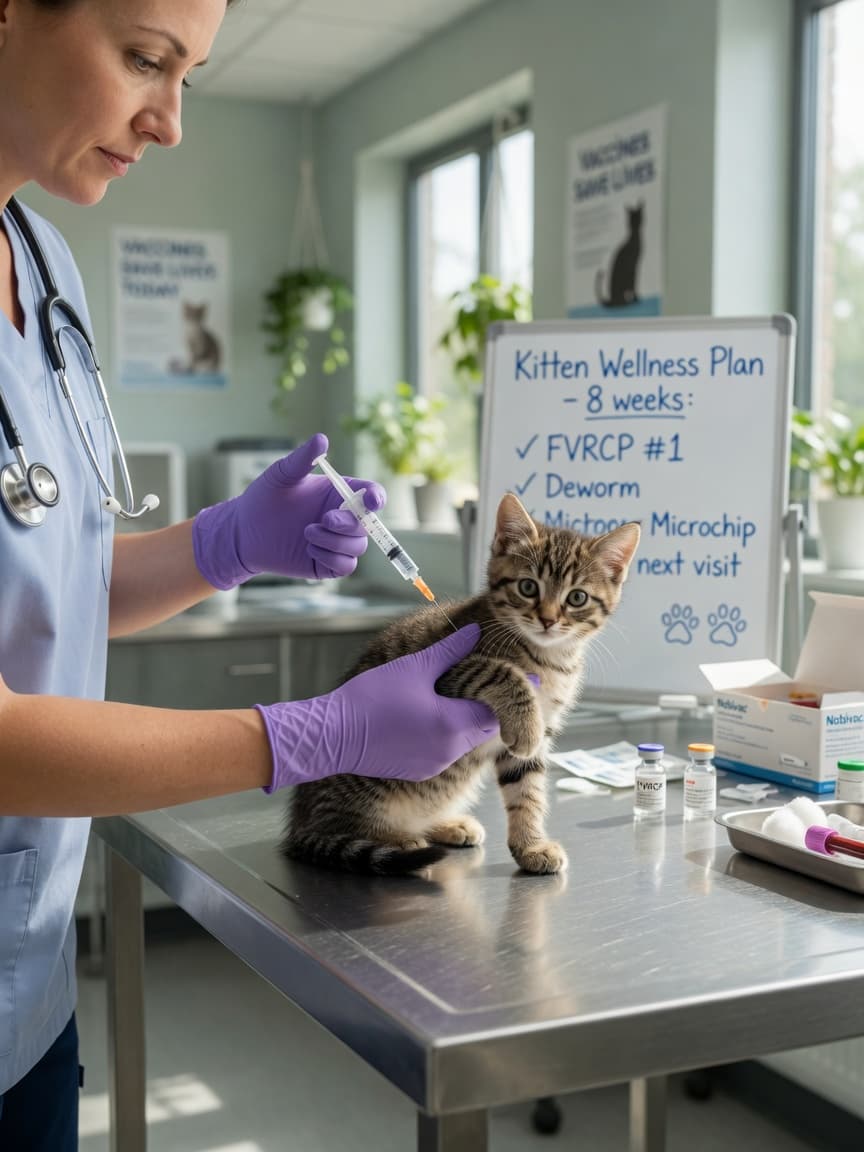
Kittens may appear less fragile than the reputation suggests, but their immune systems are profoundly vulnerable in the first weeks of life. Diseases…
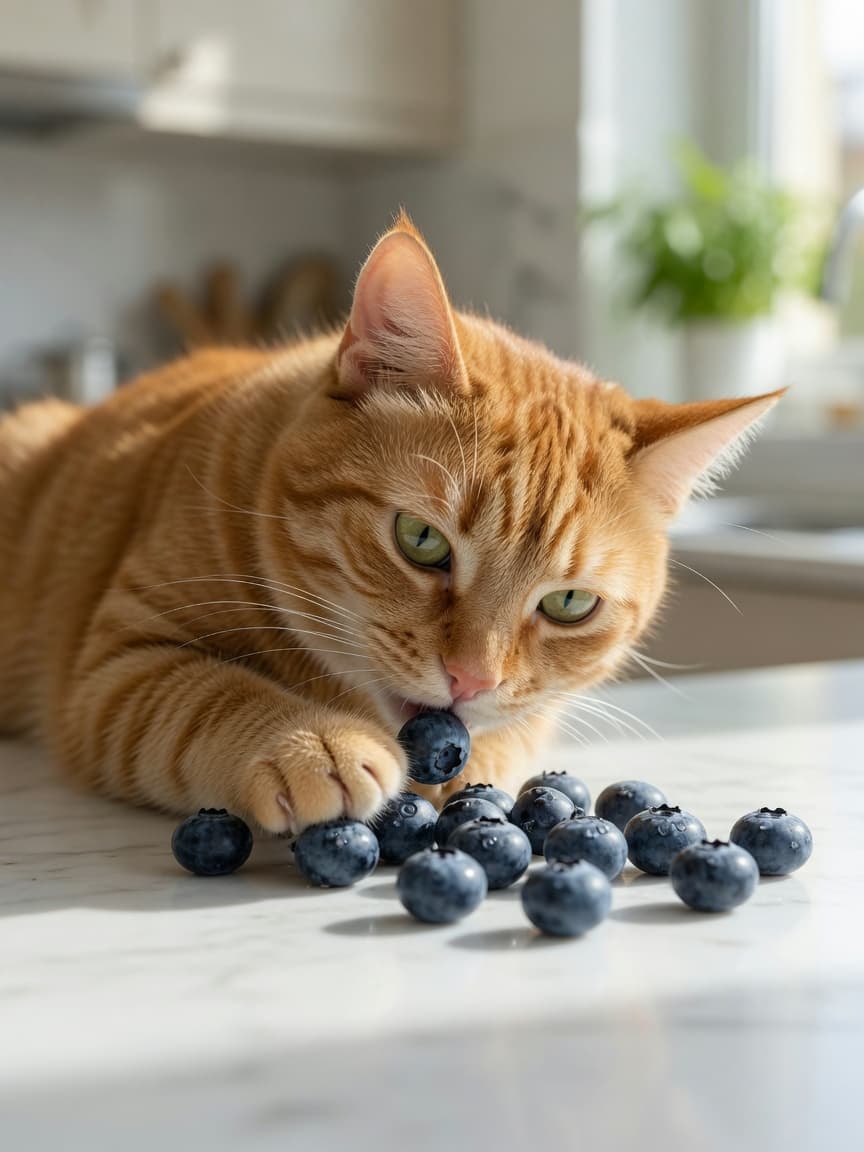
Blueberries do not appear on any major veterinary toxicology lists — they are not toxic to cats. The ASPCA does not classify blueberries as a dangerous food for felines. So if your cat has snatched a blueberry off the counter or shows curiosity about the fruit, you do not need to panic.
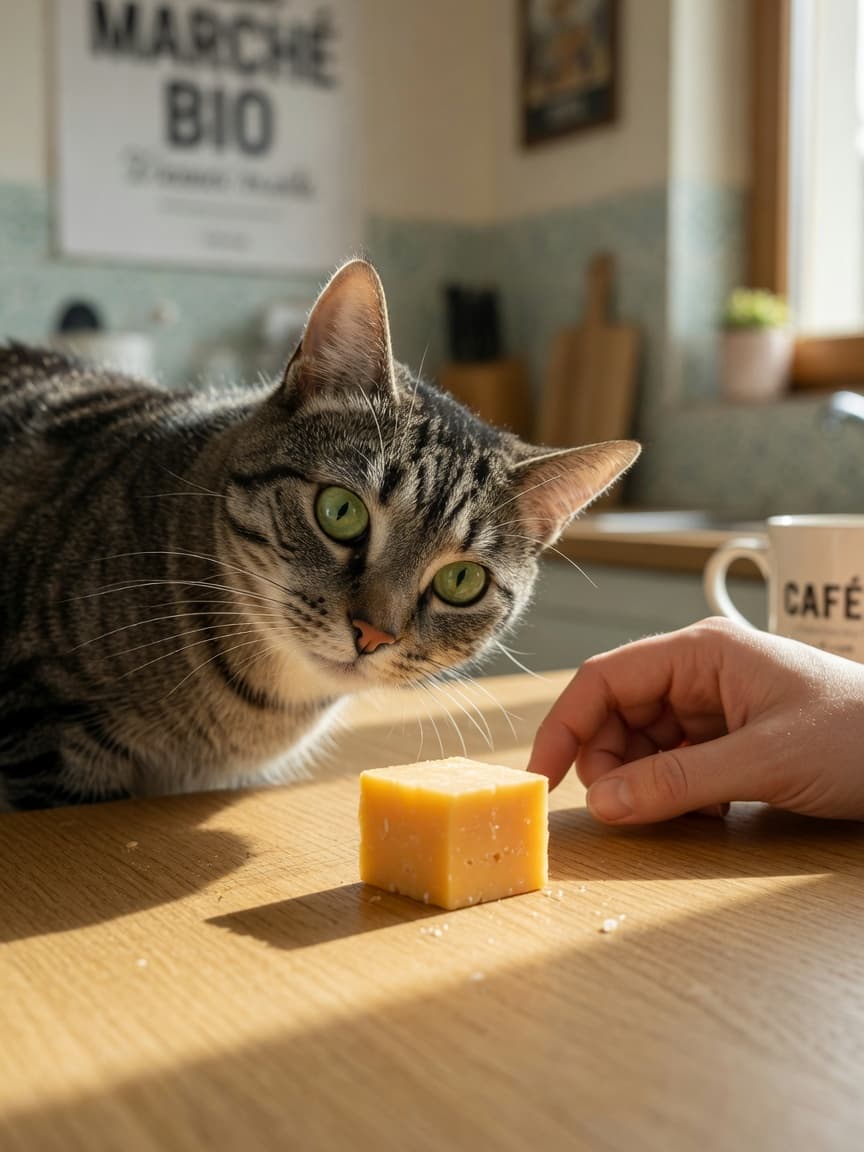
The image of a cat contentedly lapping up milk or nibbling cheese is deeply embedded in popular culture — but it does not reflect feline biology accurately. Cats are obligate carnivores evolved to obtain all their nutrition from animal prey, not dairy products. Dairy is not a natural or necessary pa…
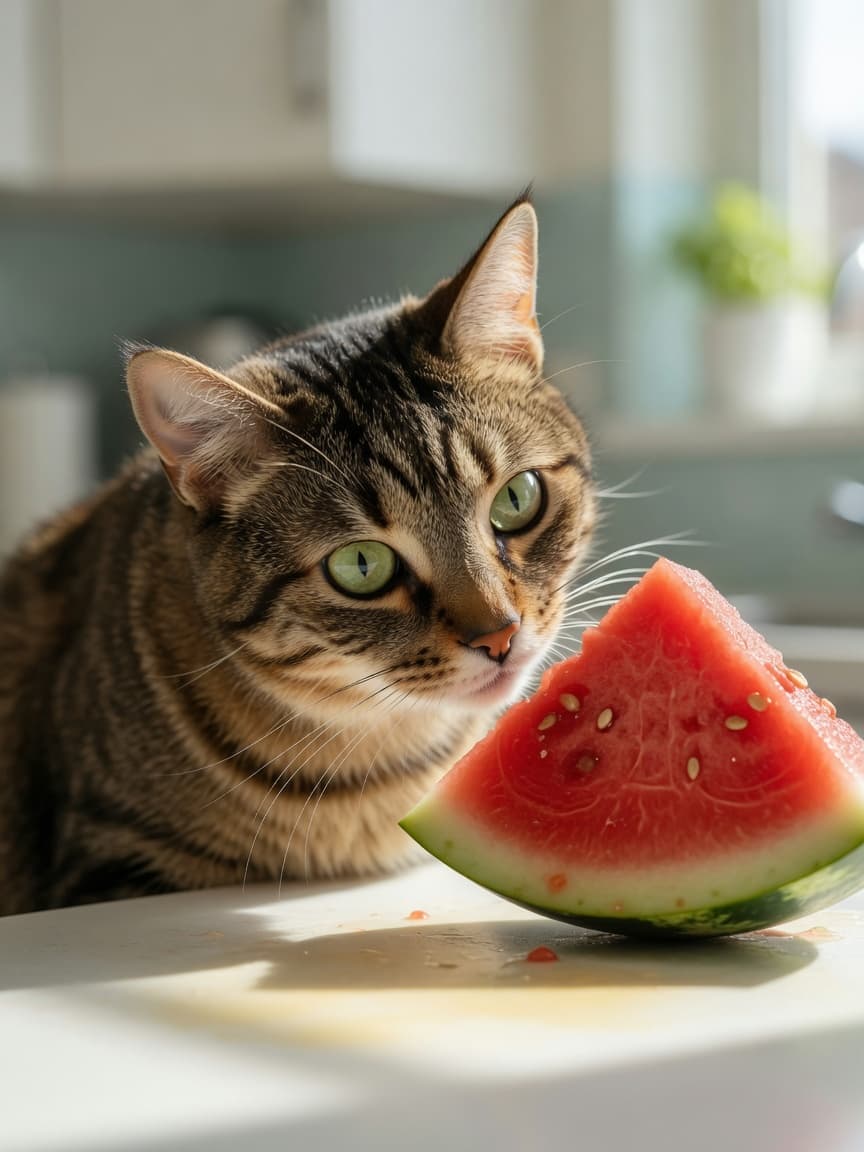
Watermelon flesh is not toxic to cats. The ASPCA does not list watermelon as poisonous to felines, and veterinary nutritionists generally regard the flesh as a harmless occasional treat. Unlike grapes or citrus fruits — which pose genuine health risks to cats — watermelon's main drawback is simply t…
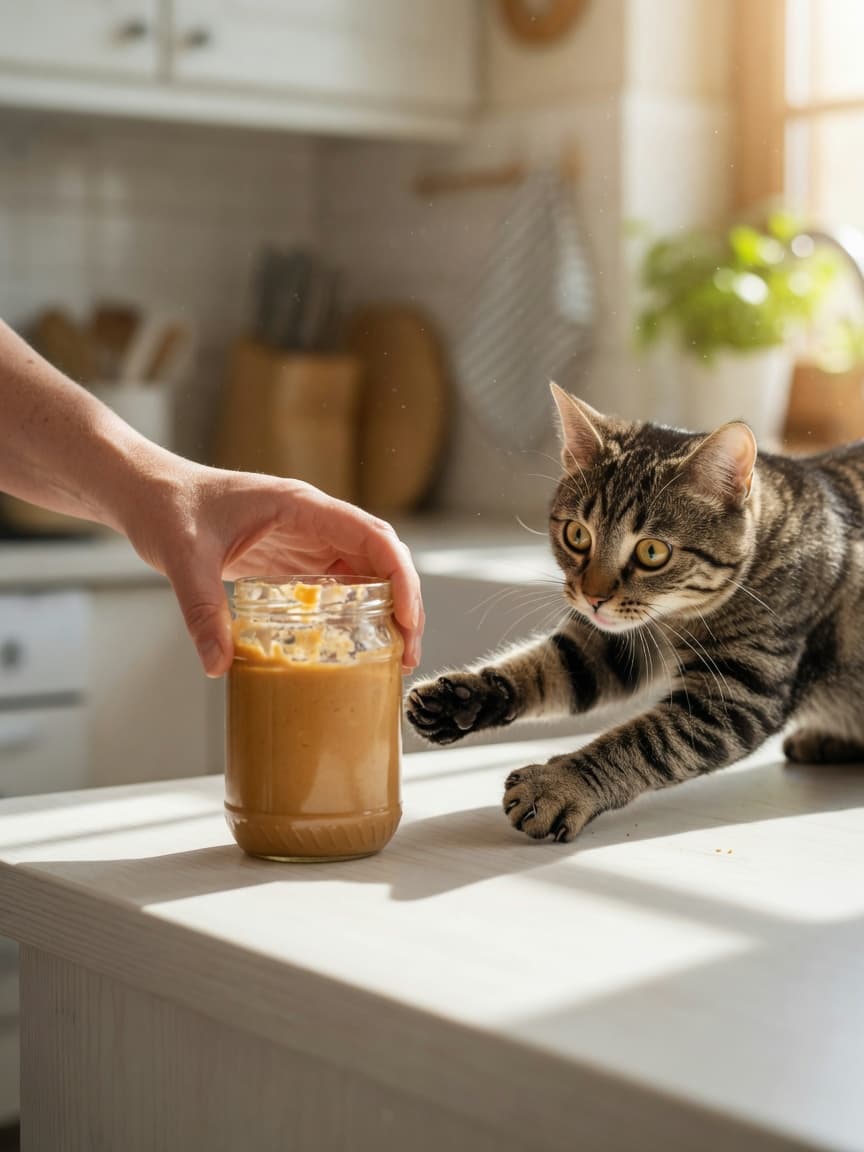
Peanut butter is not recommended for cats. While a very small amount of xylitol-free peanut butter is not immediately life-threatening, the risks consistently outweigh any benefit. The most serious concern is xylitol — an artificial sweetener found in many popular peanut butter brands that is highly…

FLUTD encompasses several distinct conditions that share a common set of symptoms: difficulty urinating, increased frequency, blood in the urine, and…
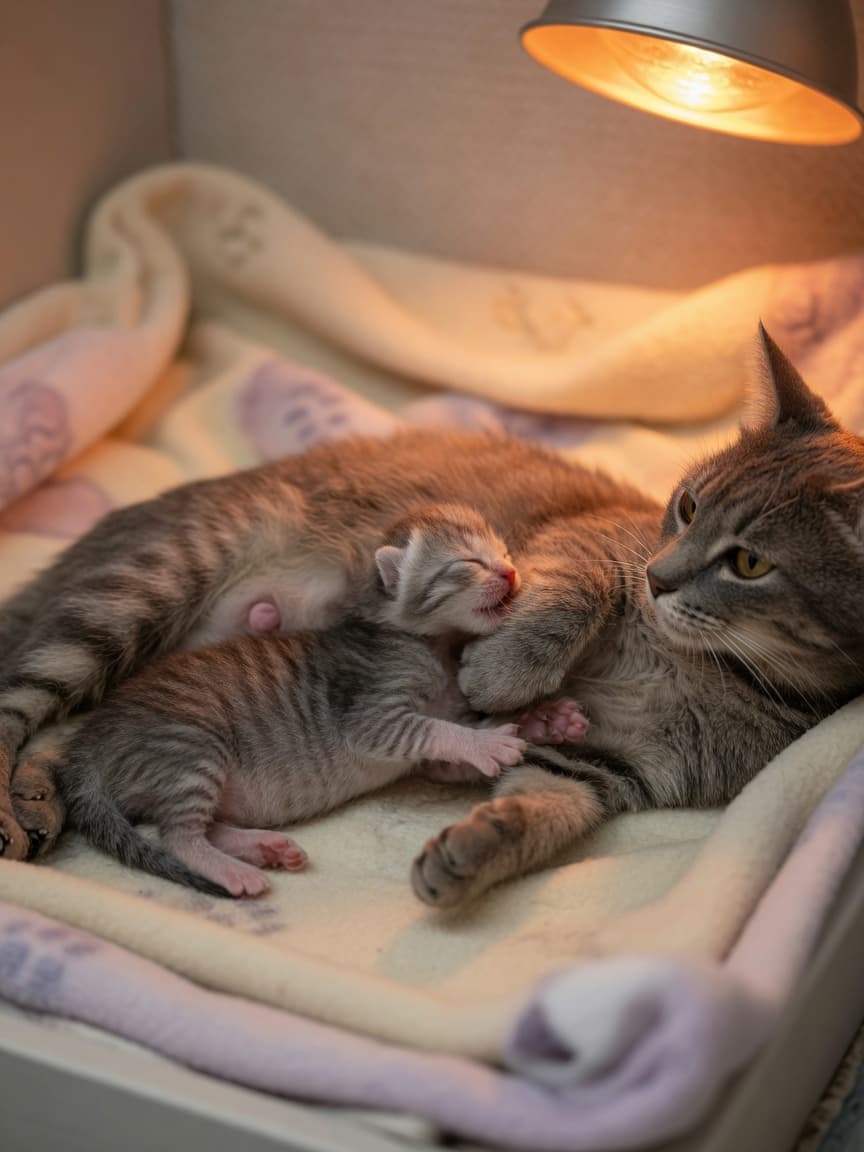
Newborn kittens are among the most fragile of all domestic animal neonates. Born with their eyes and ears sealed shut, unable to walk or regulate their…
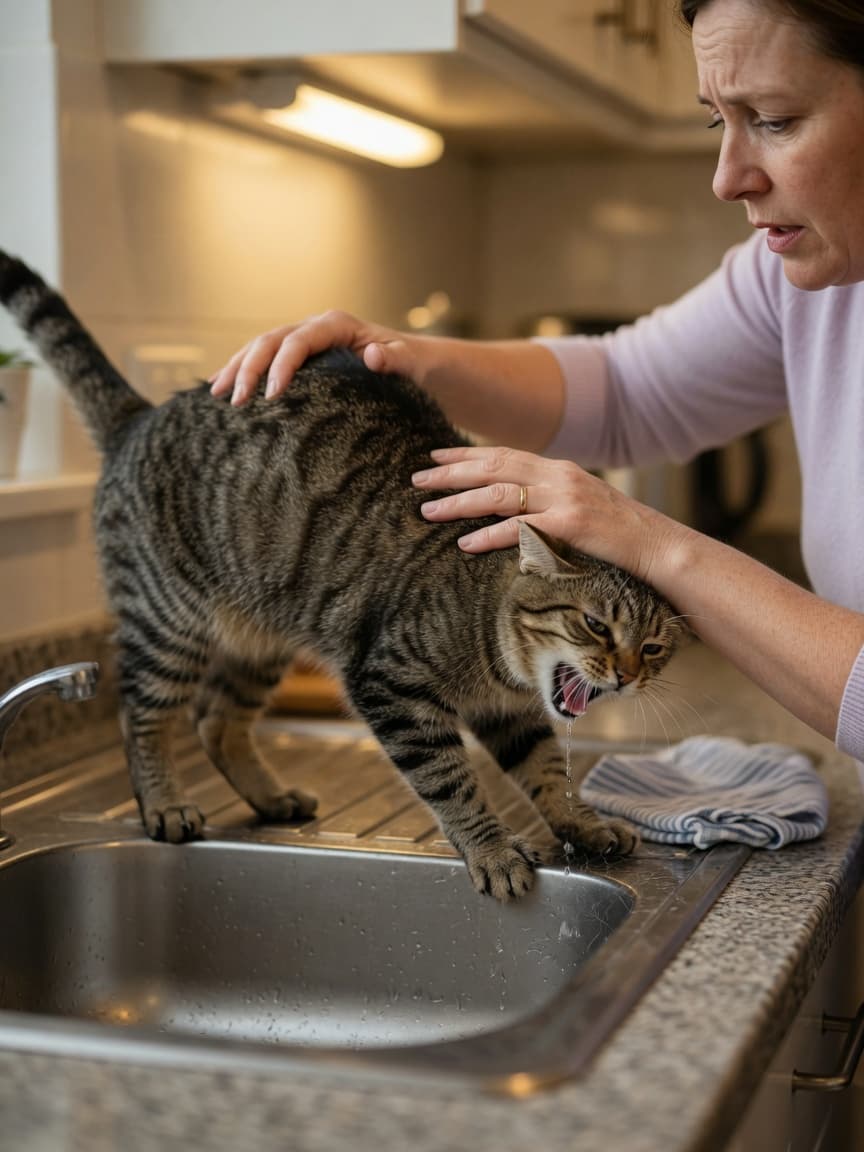
Occasional vomiting is one of the most common complaints cat owners bring to veterinarians — and with good reason. While some vomiting is completely…
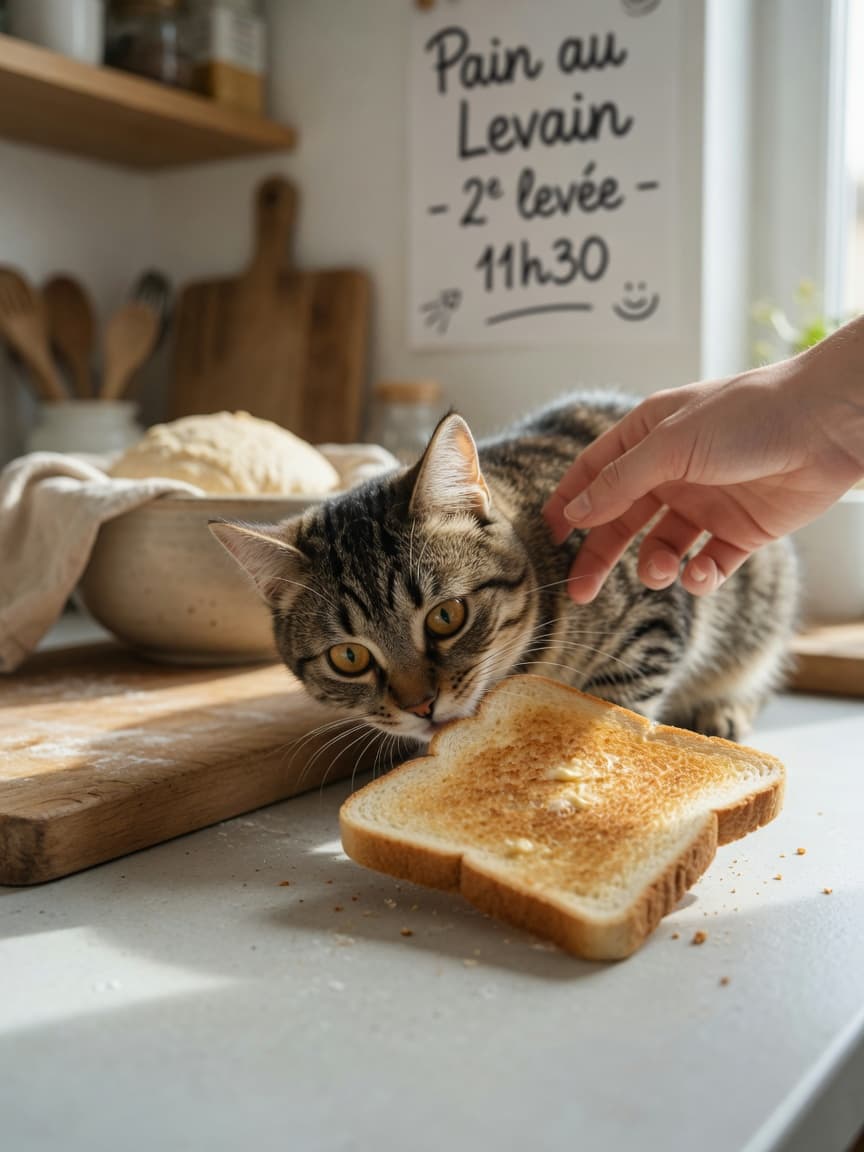
Plain, fully baked white or wheat bread is not toxic to cats in small quantities. An occasional small piece is unlikely to cause harm. However, bread has zero nutritional value for cats as obligate carnivores and contributes nothing but empty carbohydrate calories. More importantly: raw bread dough …
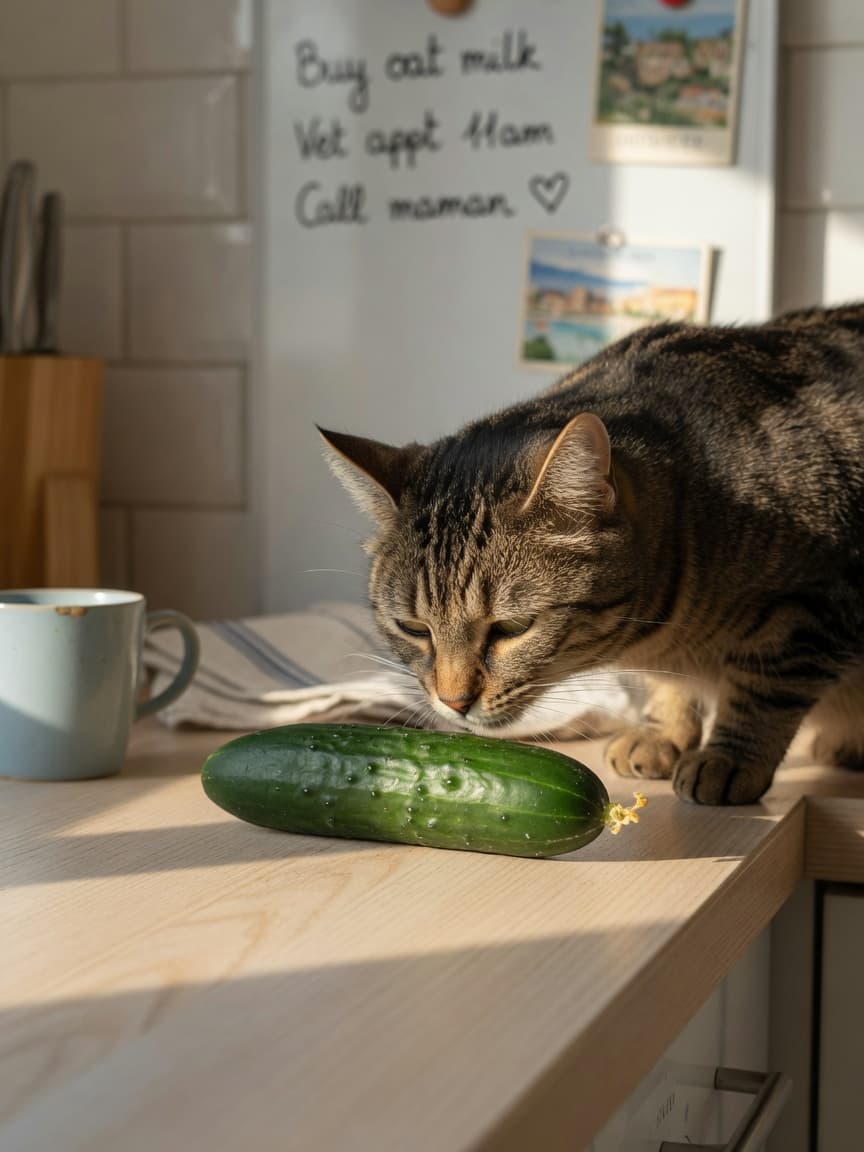
If you have spent any time on the internet, you have almost certainly seen the viral videos: a cat peacefully eating from its bowl, its owner silently…
Free newsletter
Weekly science-backed advice for dog & cat owners. No spam, unsubscribe anytime.