
Six Months That Define a Lifetime
A kitten born today will reach sexual maturity in roughly six months — faster than almost any other domestic companion animal. In that compressed timeframe, your kitten will transition from a blind, deaf, entirely helpless newborn to a socially complex, physically capable young cat. Understanding what is happening at each stage helps you provide the right care at the right moment.
Weeks One to Two: The Neonatal Period
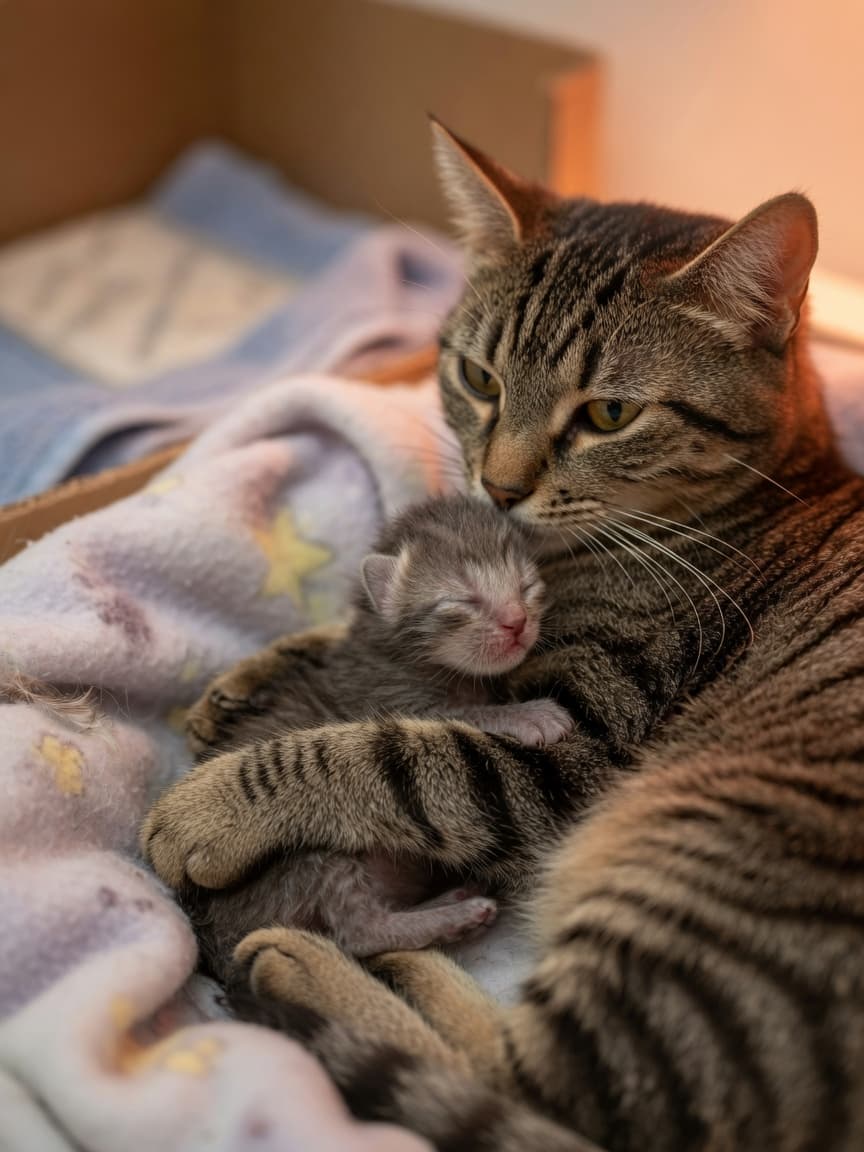
Kittens are born with eyes and ears sealed. They cannot thermoregulate, cannot eliminate without stimulation from the mother, and spend virtually all their time sleeping or nursing. Their world is entirely sensory — warmth, vibration, and smell.
If you are hand-rearing a neonatal kitten, the demands are intense: feeding every two hours, manual stimulation to encourage elimination after each feed, and constant temperature management. Contact a vet or rescue organisation immediately for guidance, as errors at this stage are frequently fatal.
Weeks Two to Seven: The Socialisation Window
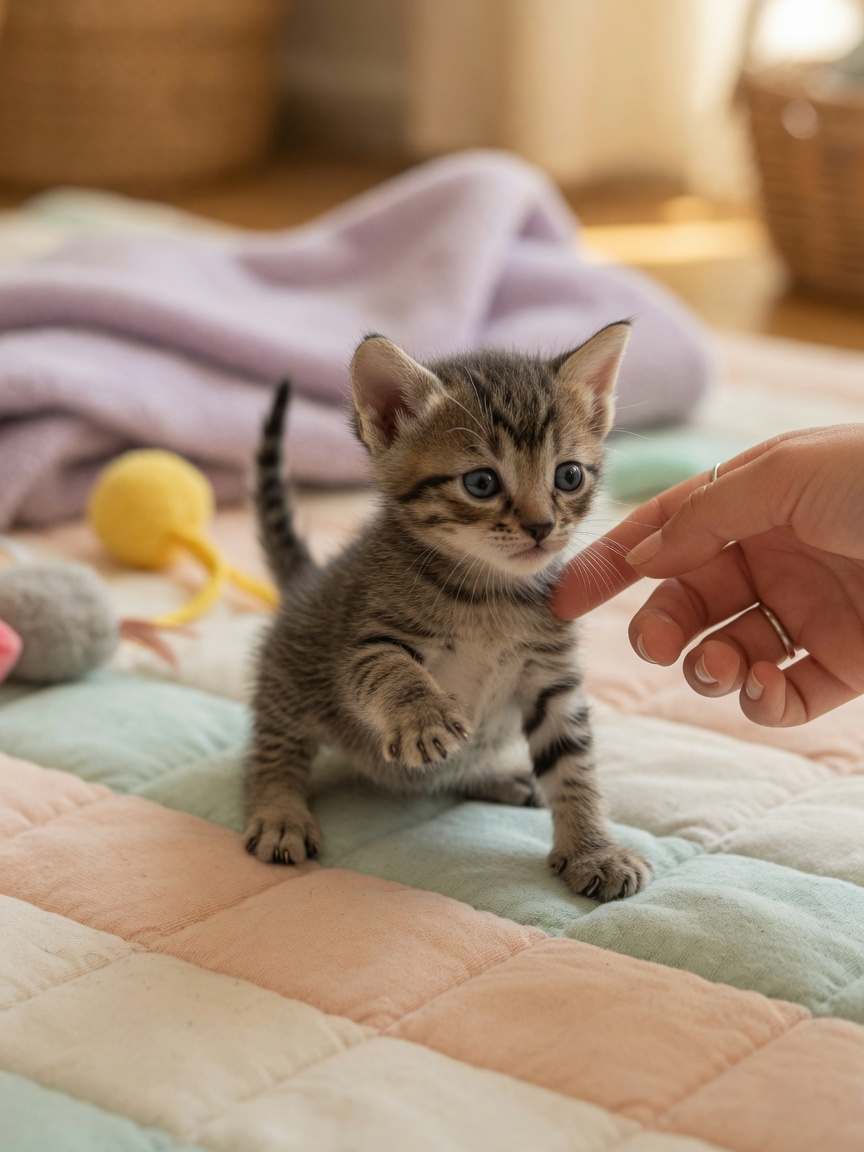
Eyes open around days seven to ten. Hearing follows shortly after. By week three, kittens are beginning to walk — wobbly and exploratory. This is the period that most directly shapes adult temperament.
Human Socialisation
Kittens handled gently and regularly between two and seven weeks consistently show lower stress responses to humans throughout their lives. As little as forty minutes of human handling per day during this period produces measurable differences. Responsible breeders and rescue foster carers begin this handling from week two.
Weaning and Food Introduction
Weaning typically begins around four weeks, with solid food offered alongside continued nursing. By seven weeks, most kittens are eating independently. Exposing kittens to a variety of textures and proteins during weaning may reduce food neophobia — the refusal of novel foods — in adulthood, though individual variation is considerable.
Weeks Seven to Twelve: The Juvenile Period Begins

By seven weeks, a kitten's brain is developed enough to learn through play and observation. This is prime time for litter training, scratch post introduction, and establishing handling routines. Kittens are also entering their primary vaccination schedule — first vaccines are typically given at nine weeks, with boosters at twelve weeks. Discuss the appropriate protocol for your kitten's circumstances with your vet.
Play and Predatory Behaviour
What looks like mischief is actually essential neurological development. Stalking, pouncing, grabbing, and biting are all rehearsal for predatory skills. Redirect biting towards toys rather than hands from the start — a habit of hand-play in kittenhood reliably produces a cat that bites adults.
Three to Six Months: Rapid Growth and Increasing Independence
Kittens grow fastest between weeks four and sixteen, then continue at a slower pace. By three months, most have reached their adult proportions in miniature, though they continue to fill out until twelve to eighteen months for standard breeds, and up to four years in larger breeds such as the Maine Coon.
Neutering Considerations
Current guidance from most feline veterinary organisations suggests neutering between four and six months, before sexual maturity, to prevent unwanted litters and reduce certain health risks. Some evidence supports even earlier neutering at eight weeks in rescue contexts. Discuss timing with your vet based on your kitten's breed and health status.
Dental Development
Baby teeth begin to fall out around eleven weeks, with adult teeth erupting through to around six months. Introduce tooth brushing early — ideally before the permanent teeth arrive — so it becomes an accepted routine rather than a battle.
Behavioural Milestones: A Quick Reference
- Week 2–3: Eyes open, ears open, first steps
- Week 4–5: Weaning begins, play behaviour starts
- Week 7–8: Social play peaks, litter training begins
- Week 9–12: Primary vaccinations, full independent feeding
- Month 4–5: Adolescent behaviour may emerge — increased independence, testing boundaries
- Month 6: Sexual maturity in most breeds; neutering typically recommended before this point
Supporting Development at Every Stage
The first six months are not simply a waiting period before you have a "real" cat. Every week presents a specific developmental task — and your responses to your kitten's behaviour now are forming habits that will persist for fifteen years or more. Stay consistent with handling, play, and environmental enrichment. When anything seems unusual — poor growth, persistent lethargy, abnormal stools, or developmental delays — consult your vet promptly rather than waiting to see if it resolves.