
Why Is My Cat Vomiting? Causes, Types & When to See a Vet
Updated June 2026
- Vomiting more than 3 times in 24 hours or continuously for more than 1 hour
- Blood in vomit (red or dark coffee-ground appearance)
- Cat is lethargic, has a distended abdomen, or seems to be in pain
- Suspected ingestion of a toxin, plant, or foreign object
- No urination for 12+ hours alongside vomiting
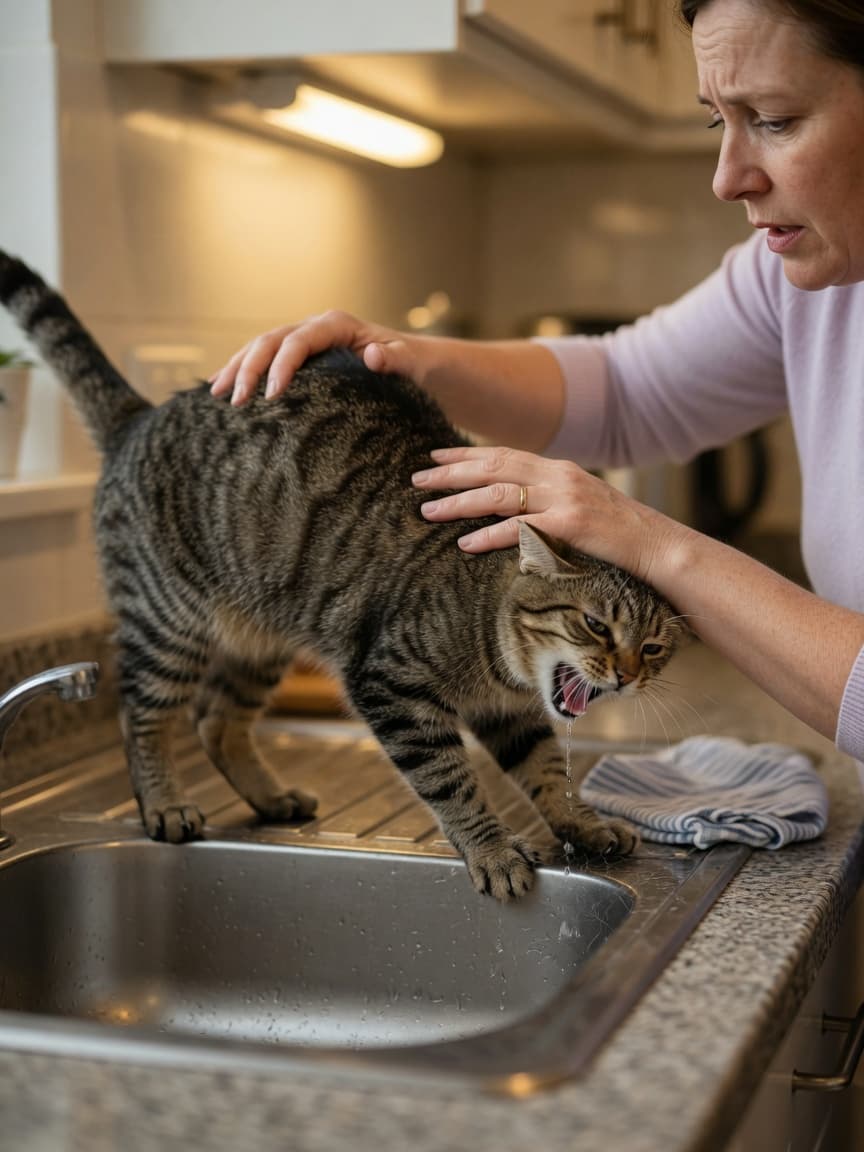
Occasional vomiting is one of the most common complaints cat owners bring to veterinarians — and with good reason. While some vomiting is completely normal for cats, frequent or severe episodes can signal serious underlying disease. Learning to distinguish hairball-related retching from the vomiting of a genuinely sick cat is one of the most valuable skills a cat owner can develop.
Normal vs. Abnormal Vomiting: The Key Distinction
Vomiting occurs when stomach or intestinal contents are forcefully expelled through the mouth. Regurgitation — often confused with vomiting — is passive: food slides back up without abdominal effort, usually shortly after eating, and comes out tube-shaped and undigested. Regurgitation typically signals an esophageal problem rather than a stomach issue. True vomiting involves active heaving, drooling, and abdominal contractions. Frequency and accompanying symptoms determine how serious the episode is.
1. Hairballs (Trichobezoars)
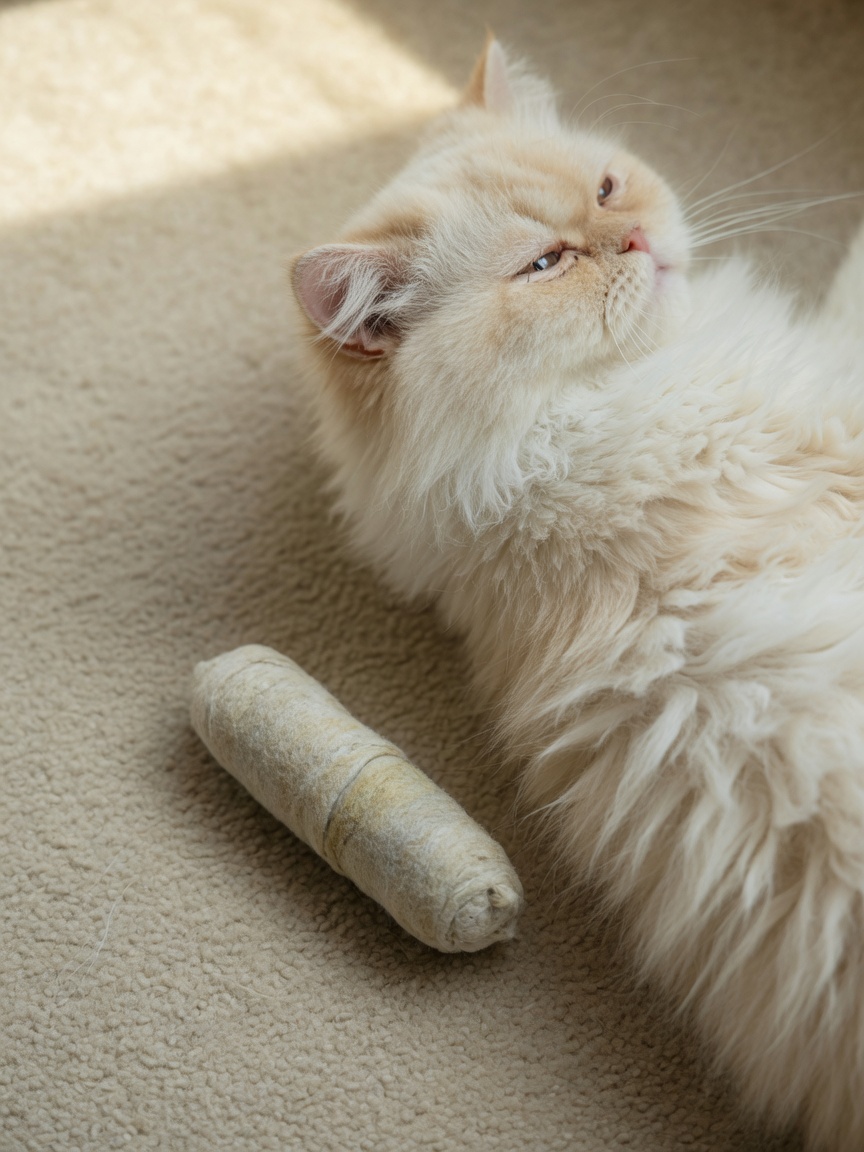
The most benign and common cause of vomiting in cats, especially long-haired breeds. When cats groom, they swallow loose fur. Most passes through the digestive tract normally, but some accumulates in the stomach and is eventually vomited as a cylindrical mass of compacted fur mixed with bile. Hairball vomiting is typically preceded by characteristic retching sounds and produces an unmistakable cigar-shaped clump. Occasional hairballs (once a month or less) are considered normal; more frequent episodes suggest excessive grooming, a skin condition, or a gastrointestinal motility problem.
2. Eating Too Fast or Overeating
Cats that wolf down their food — particularly in multi-cat households where competition exists — often vomit partially digested food within minutes of eating. This is regurgitation more than true vomiting. Solutions include puzzle feeders, flat lick mats, or dividing meals into smaller, more frequent portions. If a cat always eats quickly, a slow-feeder bowl can eliminate this problem entirely.
3. Dietary Indiscretion or Food Intolerance
Sudden diet changes, eating spoiled food, or reacting to an ingredient trigger acute gastritis — inflammation of the stomach lining — that causes vomiting and sometimes diarrhea. Food intolerance (not to be confused with true allergy) can cause chronic, low-grade vomiting that resolves when the offending ingredient is removed. Common culprits include artificial dyes, certain protein sources, and excess fat. Transitioning foods gradually over 7–10 days prevents diet-change vomiting.
4. Parasites
Intestinal parasites — roundworms, tapeworms, and hookworms — are a frequent cause of chronic vomiting, especially in cats with outdoor access or those that hunt. Roundworms may occasionally be visible in vomit. A fecal flotation test at your vet can identify parasites, and treatment is straightforward with appropriate dewormers. Regular parasite prevention is strongly recommended for all cats.
5. Chronic Small Intestinal Disease
Inflammatory bowel disease (IBD) is one of the most common causes of chronic vomiting in middle-aged to older cats. The intestinal lining becomes chronically inflamed, impairing absorption and causing intermittent vomiting, weight loss, and diarrhea. IBD is differentiated from intestinal lymphoma (a related but more serious condition) through biopsy. Both conditions are manageable with medication, dietary modification, and — for IBD — often with a hypoallergenic or hydrolyzed protein diet.
6. Kidney Disease and Other Systemic Illness

Chronic kidney disease (CKD) is extremely common in older cats and causes a buildup of uremic toxins in the bloodstream that directly triggers vomiting — often in the morning or before meals. Hyperthyroidism, liver disease, diabetes, and pancreatitis can all cause vomiting as a secondary symptom. If your cat is vomiting chronically and is over 7 years old, bloodwork is the essential first diagnostic step.
7. Toxin Ingestion or Foreign Body
Cats are curious and sometimes chew plants, eat string, or ingest household chemicals. Many common houseplants (lilies, poinsettia, aloe) are toxic to cats. String, ribbon, and rubber bands can cause life-threatening linear foreign body obstructions in the intestine — vomiting that doesn't stop, despite the cat straining, is a veterinary emergency. If you suspect ingestion of a toxin, call your vet or the ASPCA Animal Poison Control Center immediately.
If your cat vomits once and then acts completely normal — bright eyes, good appetite, normal energy — you can safely monitor at home for 24 hours. Withhold food for 2–4 hours to let the stomach settle, then offer a small amount of bland food (plain cooked chicken or a vet-recommended GI diet). Ensure fresh water is always available. If vomiting recurs within 24 hours or your cat seems unwell, call your vet.
What to Tell Your Vet
To help your vet diagnose the cause efficiently, note the following before your appointment: how often your cat vomits, what the vomit looks like (food, bile, fur, blood), when it occurs relative to meals, whether appetite or weight has changed, any recent dietary changes or possible toxin exposure, and your cat's age and vaccination/deworming history. A video clip of an episode can be surprisingly helpful.
Key Takeaways
- Occasional hairball vomiting (once a month or less) is normal; more frequent episodes warrant investigation.
- Vomiting blood, continuous vomiting, or vomiting alongside lethargy or abdominal pain is always an emergency.
- Chronic intermittent vomiting in middle-aged or older cats often signals IBD, kidney disease, or hyperthyroidism.
- Always transition foods gradually over 7–10 days to avoid diet-change gastritis.
- Keep lilies and other toxic plants completely out of homes with cats — ingestion can be fatal.
References
- Norsworthy GD, Adams VJ, McElhaney MR, Milios JA. Relationship between semi-quantitative thyroid palpation and total thyroxine concentration in cats with and without hyperthyroidism. J Feline Med Surg. 2002;4(3):139–143. PMID: 12435292
- Jergens AE, Crandell J, Morrison JA, et al. Comparison of oral prednisone and prednisone combined with metronidazole for induction therapy of canine inflammatory bowel disease: a randomized-controlled trial. J Vet Intern Med. 2010;24(2):269–277. PMID: 20051020