
Why Is My Cat Constipated? Causes & Safe Relief
Updated June 2026
- No feces in the litter box for more than 48–72 hours
- Cat is straining repeatedly and nothing is produced — distinguish from urinary blockage (male cats especially)
- Vomiting or lethargy alongside constipation
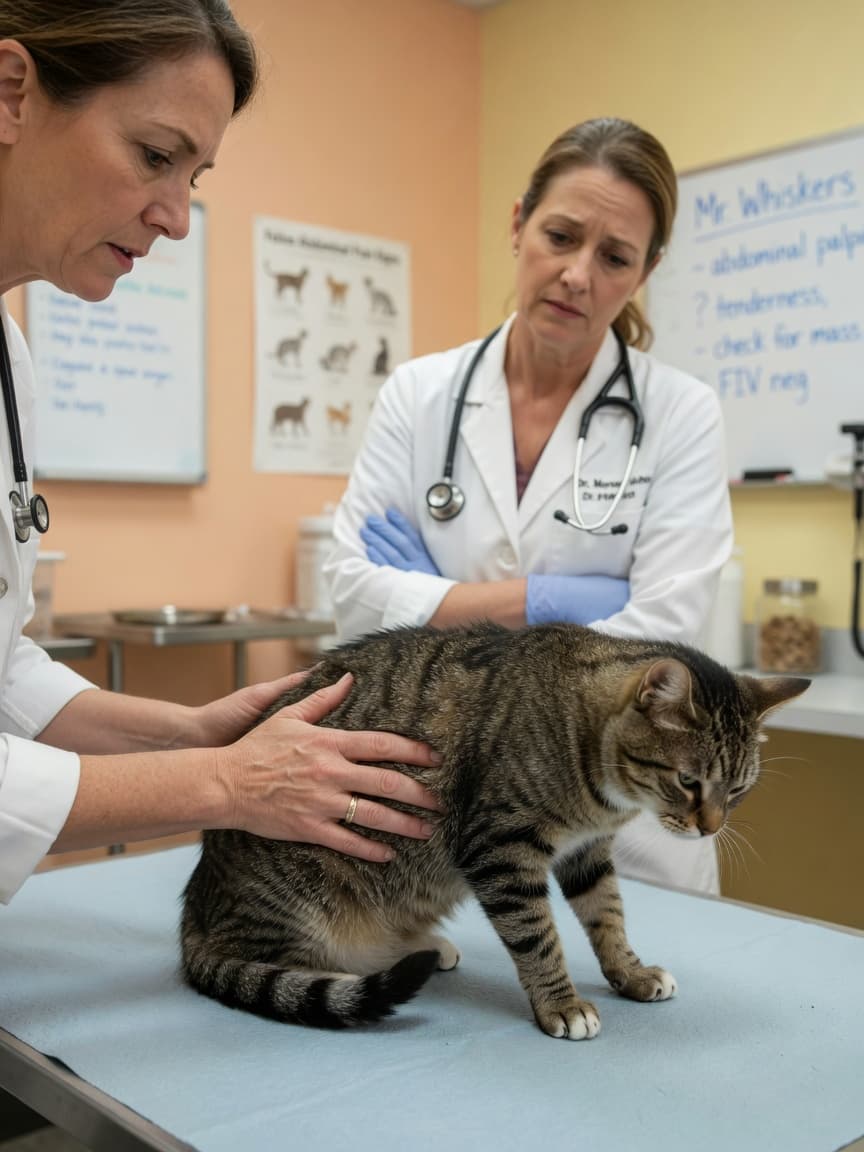
- Distended, hard, or painful abdomen
- Small amounts of liquid or bloody material passed — may indicate obstipation with overflow
Constipation is more than an inconvenience for cats — chronic straining can lead to serious complications, and a severely impacted colon (obstipation) can become life-threatening without veterinary intervention. Cats should produce a stool at least once every 24–36 hours. If your cat is visiting the litter box repeatedly and leaving empty-handed, it's time to understand why and take action.
Important: Constipation vs. Urinary Blockage
This distinction can save your cat's life. Both conditions cause a cat to strain in the litter box without producing anything. However, a urinary blockage — most common in male cats — is a life-threatening emergency, while constipation is serious but generally not immediately life-threatening. If your cat is male and is straining in the litter box with no output at all, cry-vocalizing, or seems distressed, treat it as a urinary emergency until proven otherwise. Call your vet immediately rather than trying home remedies.
1. Dehydration
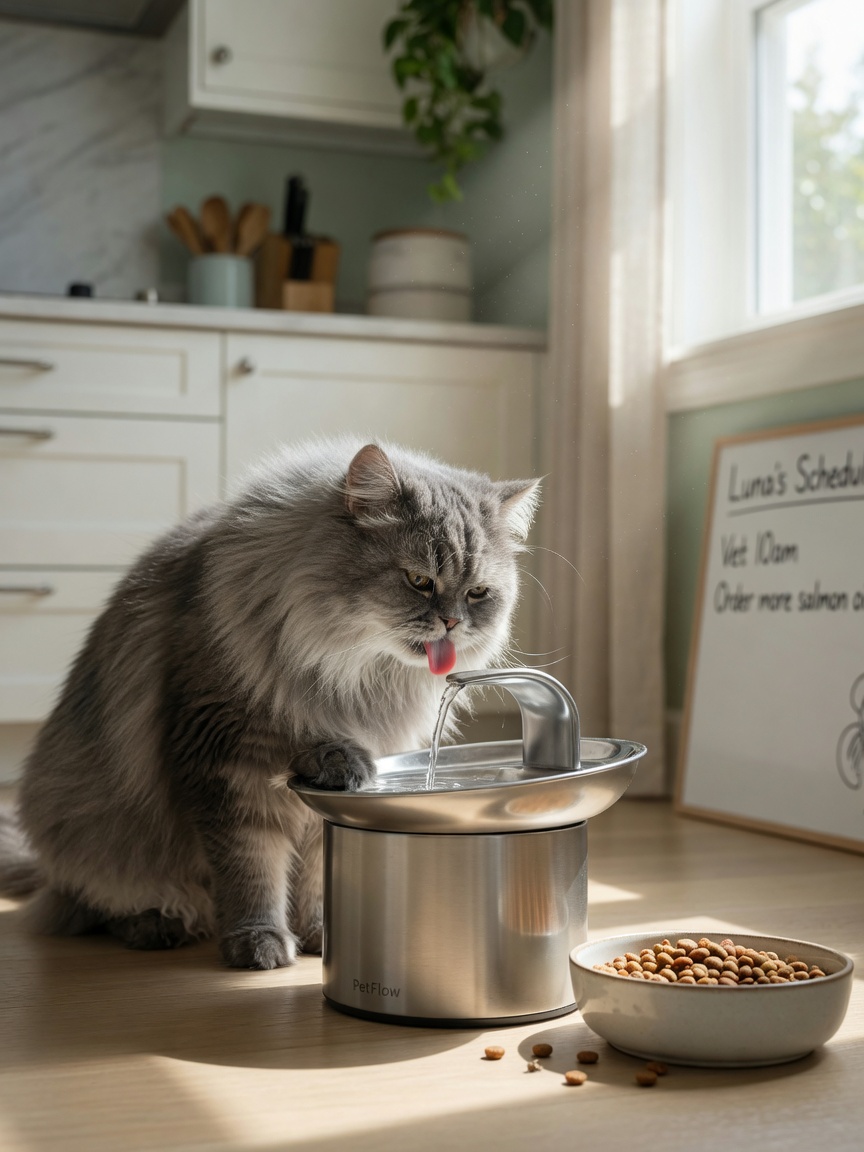
The colon's job includes absorbing water from fecal matter. When a cat is dehydrated — whether from insufficient water intake, illness, or vomiting — the colon extracts more water than usual, producing dry, hard feces that are difficult to pass. Dehydration-related constipation is especially common in cats eating exclusively dry kibble. Transitioning to wet food, adding a water fountain, or mixing water into food significantly increases daily fluid intake and is one of the most effective long-term preventions of constipation.
2. Hairballs and Dietary Fiber Issues
Ingested fur can accumulate in the colon (rather than the stomach) and contribute to constipation, particularly in long-haired breeds or cats that over-groom due to skin conditions. Inadequate dietary fiber also reduces colonic motility. A diet with appropriate fiber content — soluble fiber (psyllium husk, canned pumpkin) supports stool formation — can meaningfully improve motility. Daily brushing reduces the amount of fur ingested.
3. Obesity and Lack of Exercise
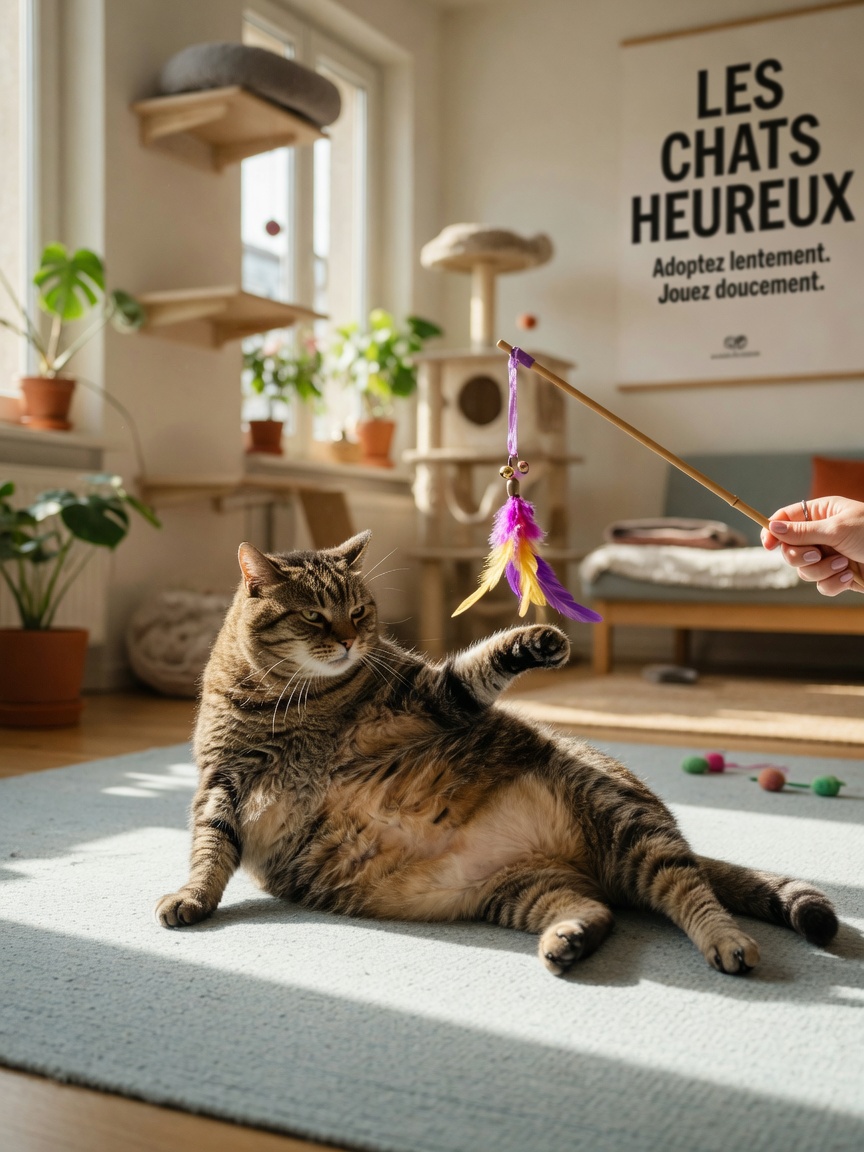
Obese and sedentary cats have reduced colonic motility — the muscular contractions that move fecal matter along. Exercise stimulates intestinal movement, which is why indoor cats with limited activity are at higher risk of constipation. Encouraging play (interactive toys, climbing structures) and working toward a healthy body weight through appropriate diet portion management addresses this cause from both angles.
4. Pelvic or Rectal Obstruction
Old pelvic fractures that healed incorrectly can narrow the pelvic canal, reducing the space available for fecal passage. This is seen in rescue cats with a history of trauma. Rectal strictures, polyps, or tumors can also physically obstruct defecation. If constipation is recurrent and severe, radiographs or endoscopy may be needed to identify structural causes.
5. Pain on Defecation
A cat that associates defecation with pain — from perianal abscesses, anal sacculitis, rectal injuries, or arthritis that makes squatting uncomfortable — may suppress the urge to defecate, leading to fecal accumulation. Identifying and treating the source of pain breaks this cycle. Arthritis management (pain medication, low-sided litter boxes) can make a dramatic difference in cats with mobility-related defecation difficulties.
6. Megacolon
Megacolon is a condition where the colon loses its normal muscular tone and becomes chronically dilated, unable to propel fecal matter effectively. It is the end-stage consequence of repeated severe constipation and represents a significantly more serious condition than simple constipation. Cats with megacolon require aggressive management: manual disimpaction under anesthesia, long-term laxative therapy (lactulose, polyethylene glycol, cisapride to stimulate motility), and dietary management. In refractory cases, surgical removal of the affected colon (subtotal colectomy) can be curative.
7. Neurological and Systemic Causes
Hypothyroidism (rare in cats), dysautonomia (rare nerve condition), spinal cord disease, and certain medications (opioids, antihistamines) can all reduce colonic motility and cause constipation. Addressing the underlying condition or adjusting the medication resolves the secondary constipation in these cases.
For mild, infrequent constipation in an otherwise healthy cat, adding 1–2 teaspoons of plain canned pumpkin (not pie filling — pure pumpkin only) to meals provides soluble fiber that softens stool. A small amount of unflavored psyllium husk (1/4 teaspoon mixed into wet food daily) is another vet-approved option. Petroleum-based hairball remedies (Laxatone) can also help lubricate the passage of stool short-term. Do NOT give human laxatives or enemas at home — some (especially phosphate enemas) are toxic to cats.
Key Takeaways
- Always distinguish constipation from urinary blockage — the latter is a life-threatening emergency, especially in male cats.
- Dehydration from dry-food-only diets is the most common correctable cause — increasing wet food intake often resolves recurrent constipation.
- Repeated severe constipation can permanently damage the colon (megacolon) — early and consistent management matters.
- Plain canned pumpkin and psyllium fiber are safe, vet-approved home remedies for mild constipation in cats.
- Human enemas and laxatives — particularly sodium phosphate enemas — are toxic to cats and must never be used.
References
- Washabau RJ, Hasler AH. Constipation, obstipation, and megacolon. In: August JR, ed. Consultations in Feline Internal Medicine. Vol. 3. WB Saunders; 1997:104–112. PMID: 9369820
- Freiche V, Houston D, Weese H, et al. Uncontrolled study assessing the impact of a psyllium-enriched extruded dry diet on faecal consistency in cats with constipation. J Feline Med Surg. 2011;13(12):903–911. PMID: 21784689