
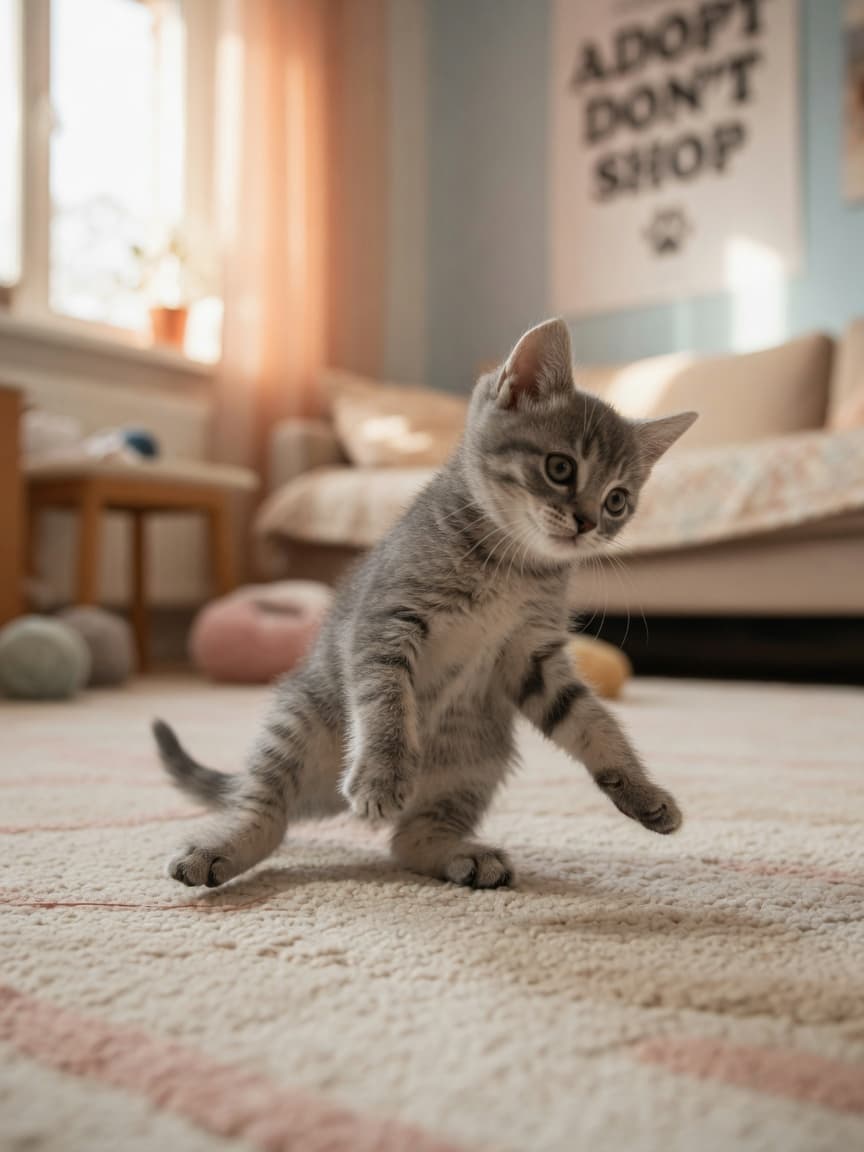
If you've noticed your cat stumbling, swaying, or displaying unusual coordination problems, you may be concerned about a neurological condition. Feline cerebellar hypoplasia (FCH) is a developmental disorder that affects the cerebellum—the part of the brain responsible for balance, coordination, and muscle control. Whilst the diagnosis may sound alarming, understanding this condition can help you provide excellent care for your affected feline companion. Unlike many neurological conditions, cerebellar hypoplasia is non-progressive, meaning it won't worsen over time, and many cats live full, happy lives with proper management.
Understanding the Cerebellum and How It Develops
The cerebellum is a crucial brain structure that processes information about body position, movement, and balance. During normal feline development, particularly in utero and during early kittenhood, the cerebellum grows and matures. In cerebellar hypoplasia, this development is incomplete, resulting in an underdeveloped cerebellum that cannot function optimally.
The most common cause of FCH is exposure to the feline panleukopenia virus (FPV) whilst the kitten is in the womb, typically during the final stages of pregnancy. The virus damages developing cerebellar tissue, leading to permanent underdevelopment. This is why vaccination of pregnant cats is so important for prevention.
Recognising the Signs and Symptoms
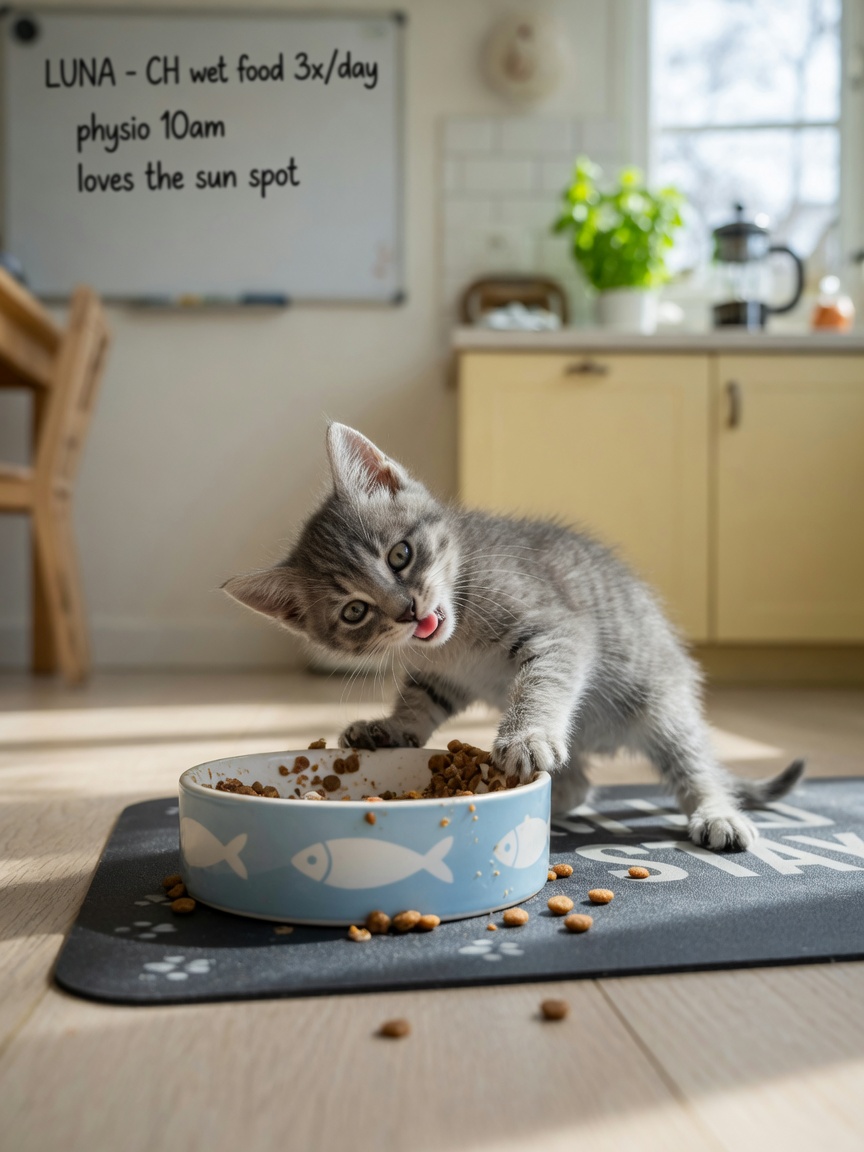
Cerebellar hypoplasia presents with distinctive neurological signs that usually become apparent when kittens begin to move independently, typically between two and four weeks of age. Common symptoms include:
- Intentional tremors (shaking that worsens with purposeful movement)
- Swaying gait or wobbly walking patterns
- Hypermetria (exaggerated high-stepping movements)
- Loss of balance or falling whilst walking or running
- Difficulty with precise movements, such as grooming or eating
- Nystagmus (involuntary eye movements)
- General clumsiness and poor spatial awareness
The severity of symptoms varies considerably. Some cats are only mildly affected and manage nearly normal lives, whilst others experience significant coordination challenges that require environmental modifications.
Diagnosis and Veterinary Confirmation
If you suspect your cat has cerebellar hypoplasia, your veterinary surgeon can typically diagnose the condition through a combination of clinical observation and neurological examination. Your vet will assess your cat's gait, balance, and reflexes.
Advanced imaging techniques such as MRI or CT scans may be recommended to confirm the diagnosis and rule out other neurological conditions. A detailed history about the cat's early development and any known viral exposure during pregnancy is also helpful.
Management and Quality of Life
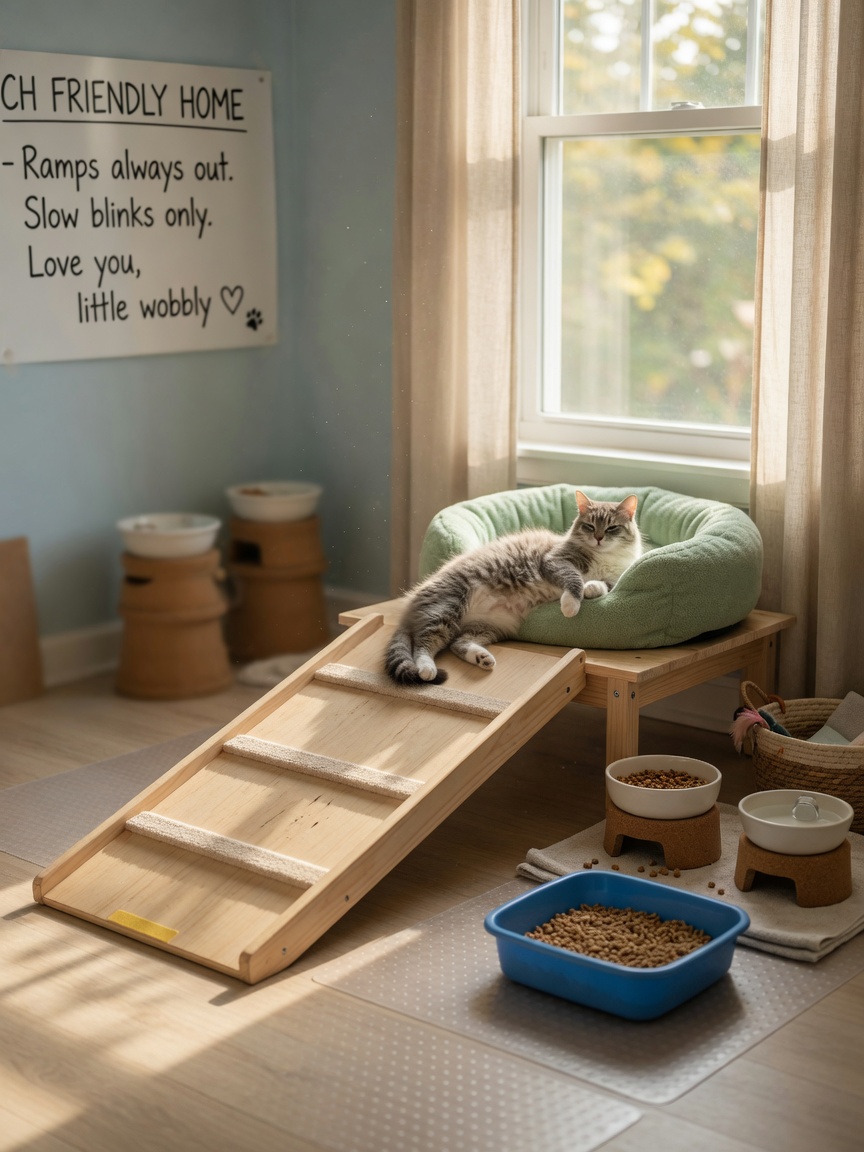
There is no cure for cerebellar hypoplasia, but the good news is that the condition doesn't progress. Your focus should be on creating a supportive environment where your cat can thrive:
- Environmental modifications: Use ramps or steps to reduce jumping heights, provide non-slip flooring, and position litter boxes and food bowls at accessible locations
- Safety measures: Remove hazardous objects and ensure windows are secure to prevent falls
- Supportive care: Maintain regular veterinary check-ups and monitor for secondary issues such as muscle weakness
- Patience and enrichment: Provide gentle play opportunities appropriate to your cat's abilities
- Nutrition: Ensure balanced nutrition to support overall health and muscle function
Prevention for Future Cats
Vaccination is the most effective prevention strategy. Ensure any breeding cats receive full FPV vaccination before pregnancy, and discuss with your veterinary surgeon the appropriate vaccination timeline for kittens born to vaccinated mothers.
Key Takeaways
Feline cerebellar hypoplasia is a non-progressive developmental condition caused primarily by foetal exposure to panleukopenia virus. Whilst affected cats require environmental modifications and careful management, many enjoy excellent quality of life. Early diagnosis, supportive care, and a cat-friendly home environment are essential for helping your feline friend thrive despite this lifelong condition.