
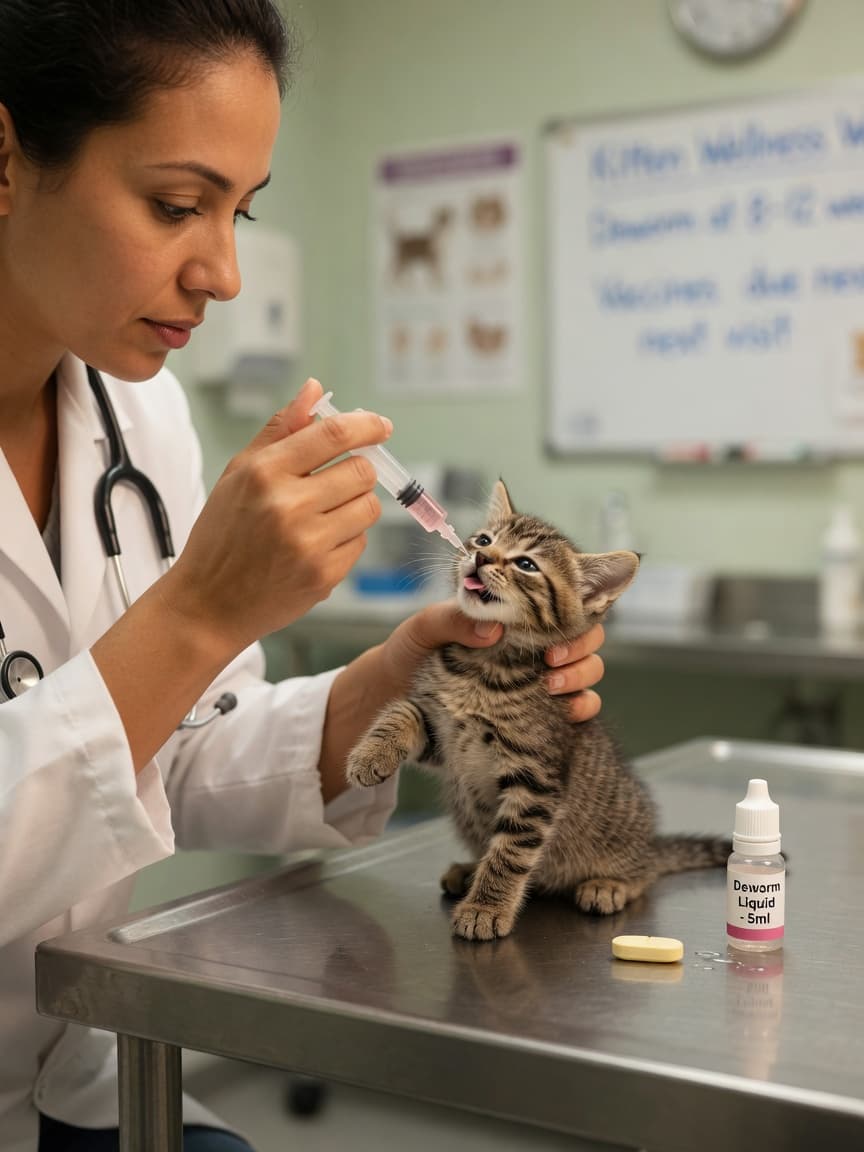
Worm infestations are one of the most common health issues affecting kittens and cats worldwide. Whether your feline friend is a playful kitten exploring the garden or an indoor adult cat, parasitic worms can pose serious health risks ranging from nutritional deficiencies to life-threatening complications. Understanding how to properly deworm your cat is essential for maintaining their wellbeing and protecting your family's health. This comprehensive guide will walk you through everything you need to know about cat deworming, from identifying signs of infestation to choosing the right treatment approach.
Why Deworming Matters for Kittens and Cats
Intestinal worms thrive in cats of all ages, but kittens are particularly vulnerable. Common feline parasites include roundworms, tapeworms, and hookworms, which can be transmitted through contaminated soil, infected prey, or from mother cats to their litters. These parasites compete for nutrients, causing poor growth, digestive upset, and weakened immunity in affected kittens. Left untreated, severe infestations can become life-threatening, especially in young animals.
Recognising Signs of Worm Infestation

Early detection allows for prompt treatment. Watch for these common indicators:
- Visible worms or worm segments in faeces or around the bottom
- A swollen or distended belly, particularly in kittens
- Poor appetite combined with weight loss or failure to gain weight
- Diarrhoea or vomiting
- A dull, unkempt coat
- Excessive scratching or licking around the anal area
- General lethargy or reduced activity levels
If you notice any of these signs, contact your veterinary surgeon promptly for diagnosis and treatment.
Deworming Schedules: When to Treat
Timing is crucial for effective parasite control. Follow this recommended schedule:
- Kittens: Begin deworming at 6 weeks of age, then repeat every 2 weeks until 16 weeks old
- Kittens 16 weeks to 6 months: Deworm monthly
- Adult cats: Deworm at least twice yearly, or four times yearly if they have outdoor access
- Pregnant or nursing cats: Consult your vet for safe deworming options
Outdoor cats and those who hunt require more frequent deworming due to increased exposure to parasites.
Types of Deworming Treatments
Your veterinary surgeon can recommend the most appropriate option for your cat:
- Oral tablets and liquids: These are administered by mouth and work against multiple worm types. Some cats resist tablets, making liquids a practical alternative.
- Spot-on treatments: Applied to the skin at the base of the skull, these provide systemic protection and are easier to administer to resistant cats.
- Injections: Your vet can administer injectable dewormers, which is useful for cats that won't take oral or topical treatments.
- Combination products: Many modern treatments combine deworming with flea and tick prevention, offering comprehensive parasite control.
Administering Deworming Treatment
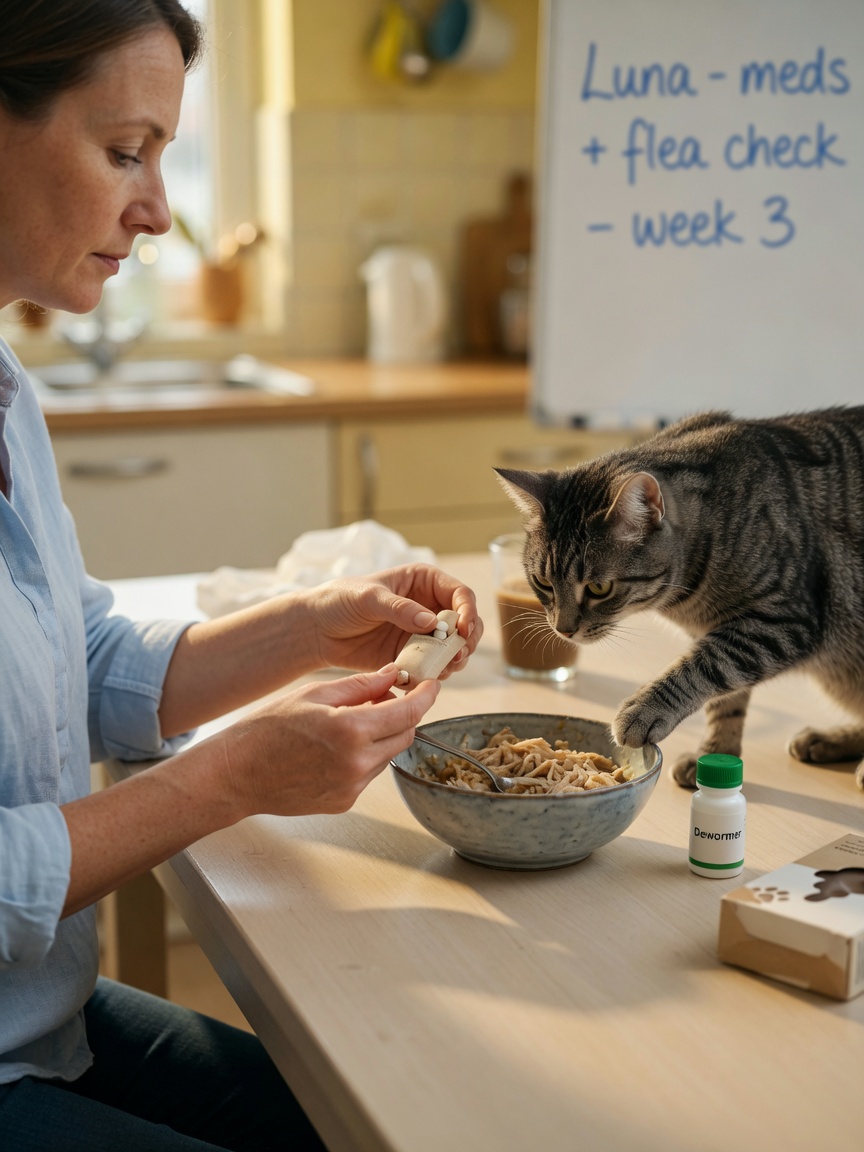
Proper administration ensures maximum effectiveness. If using tablets, hide them in a small amount of wet food or use a pill pocket designed for cats. For liquid treatments, carefully squirt the correct dose into your cat's mouth or mix it with food as directed. Always follow your vet's instructions regarding dosage, which is calculated based on your cat's weight.
Some cats may experience mild side effects including temporary loss of appetite or loose stools. These usually resolve within 24–48 hours. Contact your veterinary surgery if symptoms persist or worsen.
Prevention and Long-Term Management
Deworming is just one part of comprehensive parasite control. Maintain good hygiene by regularly cleaning litter trays, washing your hands after handling your cat, and keeping the home environment clean. For outdoor cats, consider restricting hunting or providing a secure garden enclosure. Regular veterinary check-ups allow your vet to monitor your cat's parasite status and adjust prevention strategies as needed.
Key Takeaways
Effective cat deworming requires a consistent schedule tailored to your cat's age, lifestyle, and individual risk factors. Work closely with your veterinary surgeon to establish an appropriate deworming plan, use treatments correctly, and maintain preventative measures throughout your cat's life. By taking these proactive steps, you'll help ensure your feline companion enjoys a long, healthy, and parasite-free life.