
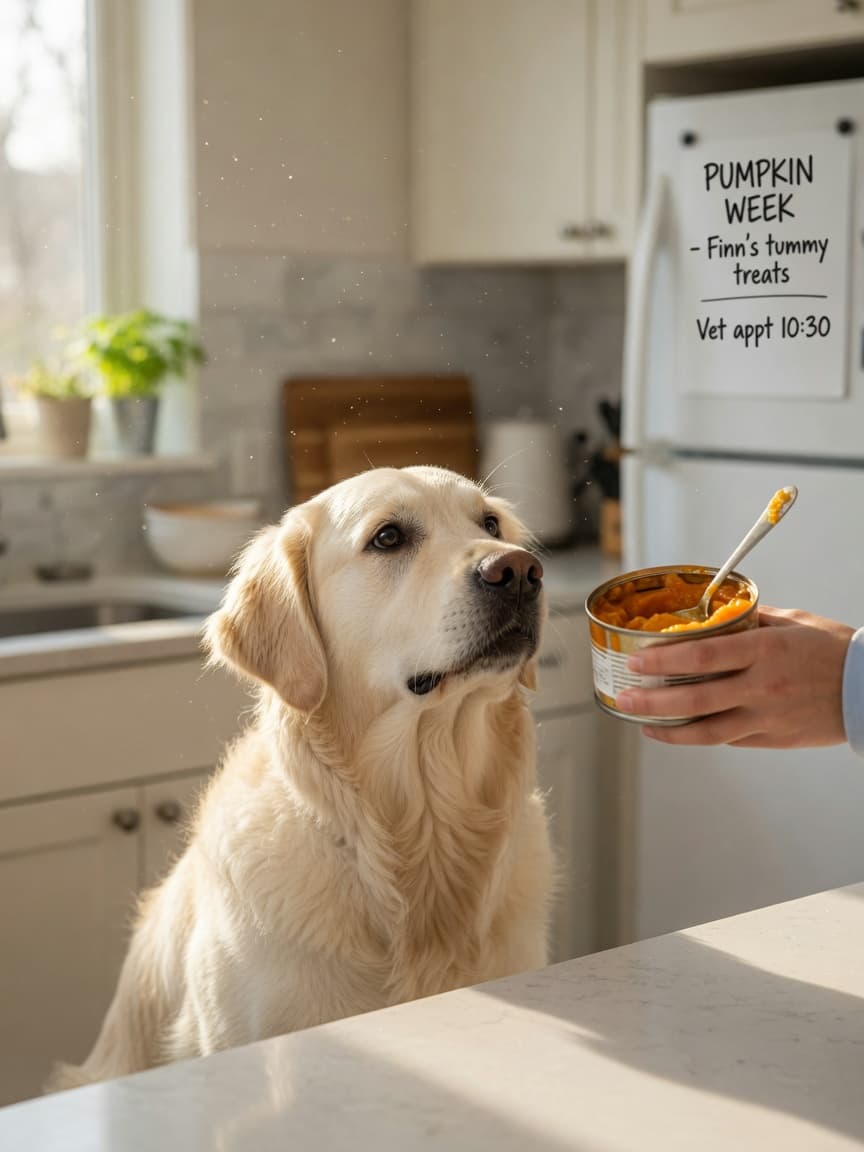
Can Dogs Eat Pumpkin? Yes — It's One of the Best Foods for Their Digestion
By Julia Wrenfield, Pet Wellness Researcher — June 2025
Plain cooked or canned pumpkin is one of the most beneficial foods you can give your dog. It supports digestive health, provides key vitamins and minerals, and is low in calories. Always use plain pumpkin — never pumpkin pie filling, which contains spices, sugar, and potential xylitol.
If there is one human food that veterinarians and animal nutritionists recommend more than almost any other, it is pumpkin. Whether your dog is dealing with an upset stomach, loose stools, or constipation, plain pumpkin is often the first dietary intervention recommended. But its benefits go far beyond digestive support — pumpkin is a genuine nutritional powerhouse that can complement any dog's diet year-round.
In this guide, we cover everything you need to know about feeding pumpkin to your dog safely: the science behind its benefits, how to prepare it, how much to give, and which forms to avoid.
Is Pumpkin Safe for Dogs?
Yes, plain pumpkin is completely safe for dogs and is one of the most vet-recommended supplemental foods available. It is non-toxic, gentle on the digestive system, and well-tolerated by dogs of all sizes and breeds — including puppies and seniors.
The critical distinction is between plain pumpkin and pumpkin pie filling. Plain pumpkin (whether fresh-cooked or canned 100% pure pumpkin) is safe and healthy. Pumpkin pie filling, on the other hand, contains added sugar, spices like nutmeg and cinnamon (which can be toxic to dogs), and sometimes artificial sweeteners including xylitol — a substance that is extremely dangerous for dogs and can cause life-threatening hypoglycemia. Always read the label carefully before serving any canned product.
Raw pumpkin flesh is technically not toxic, but it is harder to digest than cooked pumpkin and provides fewer nutritional benefits. Cooked or canned is always the better choice. Pumpkin seeds, when plain and unsalted, are also safe and may have mild antiparasitic properties, though the evidence on this is largely anecdotal.
Nutritional Benefits of Pumpkin for Dogs
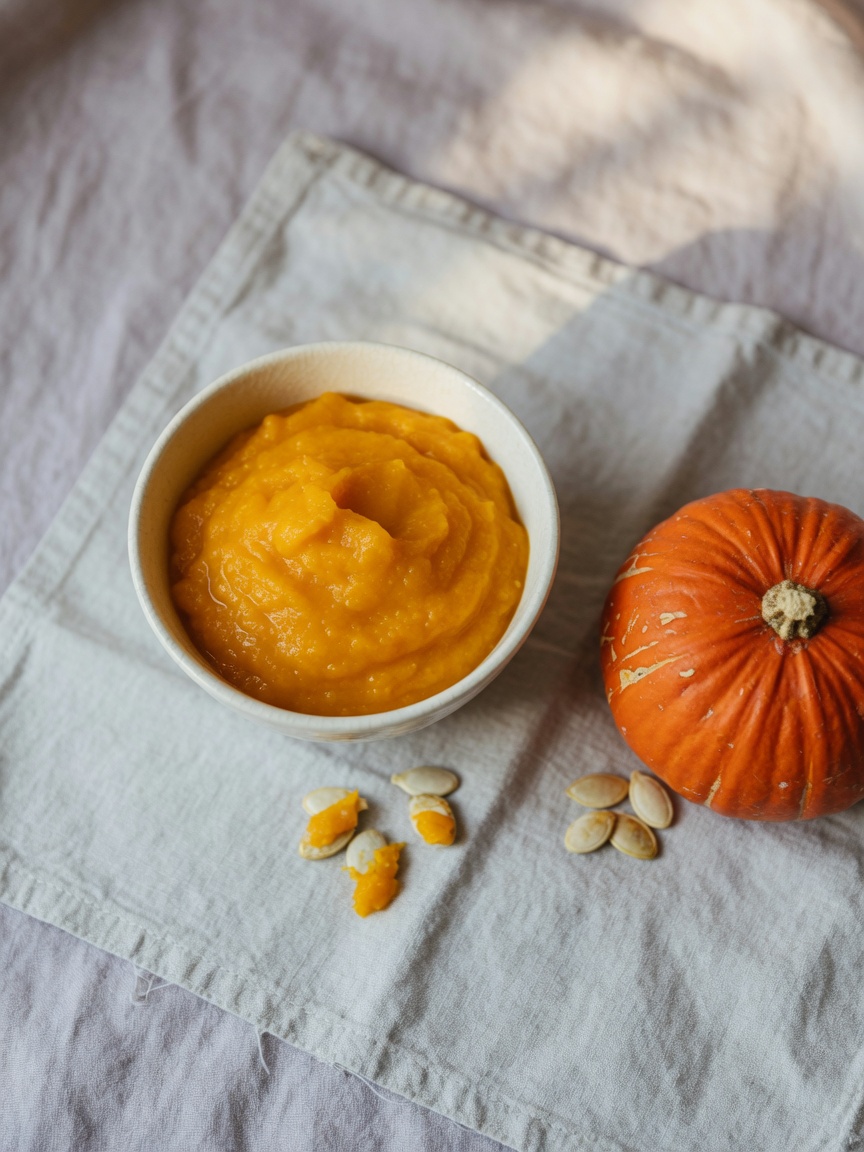
Pumpkin earns its "superfood" reputation through a genuinely impressive nutritional profile. Here is what makes it stand out:
- Soluble and insoluble fiber: This is the star of the show. Soluble fiber absorbs water and forms a gel-like substance that slows digestion — useful for firming up loose stools. Insoluble fiber adds bulk to the stool and speeds transit time, helping with constipation. Pumpkin is one of the few foods that effectively addresses both conditions, making it uniquely versatile for digestive health.
- Beta-carotene: Pumpkin's deep orange color comes from beta-carotene, a powerful antioxidant that the body converts to vitamin A. Vitamin A is essential for eye health, immune function, skin quality, and proper cell growth.
- Vitamin C: An antioxidant that supports the immune system and helps the body repair tissues.
- Vitamin E: A fat-soluble antioxidant that protects cells from oxidative damage and supports skin and coat health.
- Potassium: An electrolyte essential for healthy muscle function, nerve transmission, and fluid balance.
- Low calorie density: Plain pumpkin contains only about 26 calories per 100g, making it an excellent treat or food topper for dogs that need to manage their weight.
- Moisture content: Pumpkin is approximately 90% water, contributing to your dog's daily hydration — especially valuable for dogs that don't drink enough water on their own.
Research published in the Journal of Nutritional Science confirms that dietary fiber from sources like pumpkin positively modulates gut microbiota in dogs, supporting a healthier digestive environment overall.
How to Safely Serve Pumpkin to Your Dog
Serving pumpkin correctly is simple, but a few guidelines will ensure maximum benefit and safety:
- Use plain canned pumpkin or fresh cooked pumpkin. Look for cans labeled "100% pure pumpkin" with no added ingredients. Avoid any product labeled "pumpkin pie filling" or "pumpkin pie mix."
- Cook fresh pumpkin before serving. Steam, bake, or boil it until soft, then remove the skin. Do not add butter, salt, oil, or any spices.
- Serve at room temperature. Straight from the can or cooled after cooking. Some dogs enjoy it frozen in a Kong or silicone mold as a warm-weather treat.
- For digestive issues, even 1–2 teaspoons added to a dog's food can make a noticeable difference within 24–48 hours. Vets commonly recommend pumpkin as a first-line dietary intervention before reaching for medication.
- Pumpkin seeds: If giving seeds, use plain, raw, unsalted seeds. You can grind them and sprinkle a small amount over food. Remove the shells for small dogs.
Portion Guide: How Much Pumpkin to Give Your Dog
| Dog Size | Weight | Daily Serving | Notes |
|---|---|---|---|
| Small | <10 kg | 1 teaspoon | Mixed into food; up to 2 tsp for GI issues |
| Medium | 10–25 kg | 1–2 tablespoons | Up to 3 tbsp during digestive upset |
| Large | >25 kg | 2–4 tablespoons | Can be given daily as a food topper |
As a general rule, treats and food supplements (including pumpkin) should not exceed 10% of your dog's total daily caloric intake. Given pumpkin's very low calorie density, this is rarely a concern in practice.
Ver snacks para perros en Zooplus
- Plain pumpkin is one of the safest and most beneficial foods you can add to your dog's diet.
- Its unique combination of soluble and insoluble fiber makes it effective for both diarrhea and constipation.
- Rich in beta-carotene, vitamins A, C, and E, potassium, and antioxidants.
- Low in calories — an ideal food topper for dogs on a weight management plan.
- Always use plain pumpkin: canned 100% pure pumpkin or fresh cooked. Never use pumpkin pie filling.
- Pumpkin seeds are also safe when plain and unsalted; grind them for small dogs.
References
- Middelbos IS, Fahey GC Jr. "Dietary fiber and the dog: a review." J Nutr. 2008;138(9):1666S–1668S. PMID: 18716185
- Suchodolski JS. "Diagnosis and interpretation of intestinal dysbiosis in dogs and cats." Vet J. 2016;215:30–37. PMID: 27542331
- Hall JA, Tooley KA, Gradin JL, Jewell DE, Wander SA. "Effects of dietary n-6 and n-3 fatty acids and vitamin E on the immune response of healthy geriatric dogs." Am J Vet Res. 2003;64(6):762–772. PMID: 12828249