
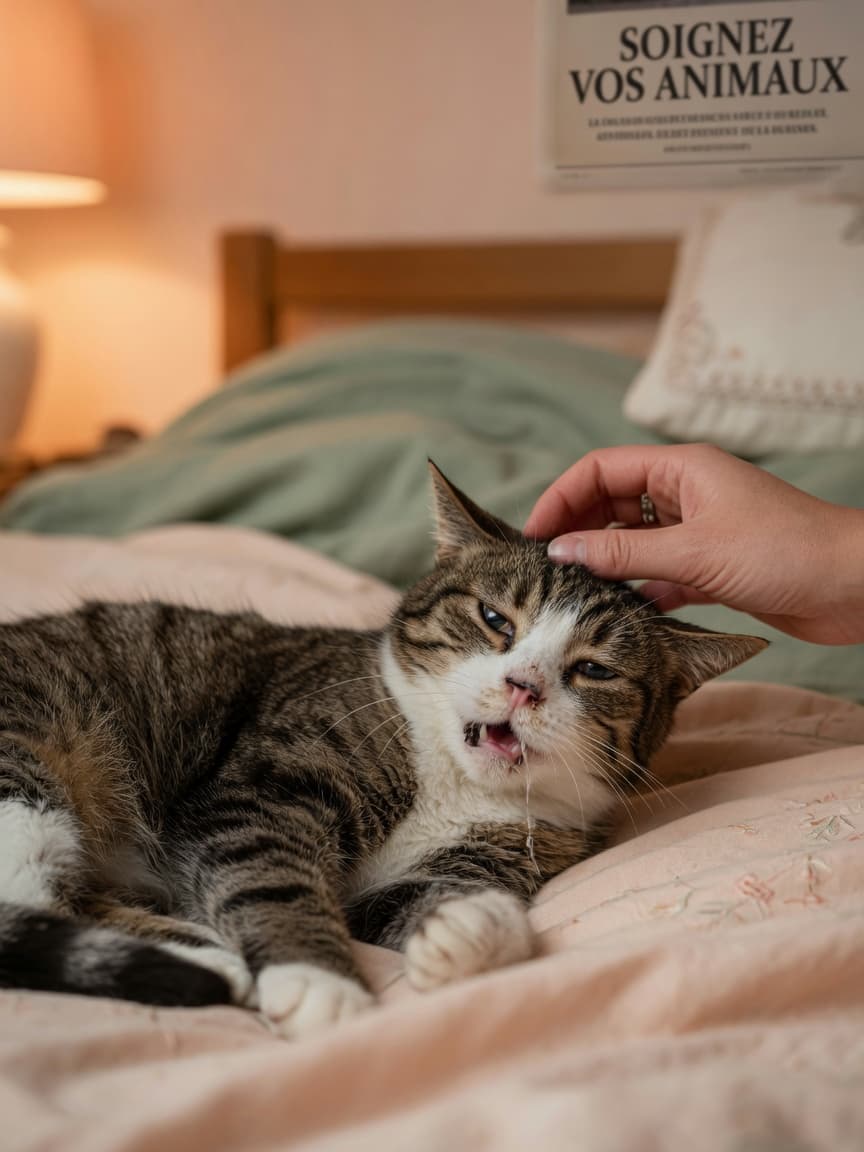
If you've noticed your cat sneezing, coughing, or seeming under the weather, you might be wondering whether cats can actually catch a cold like humans do. The short answer is yes—cats absolutely can get colds, though their "feline cold" isn't quite the same as what we experience. Understanding how cat colds develop, what causes them, and how to help your furry friend recover is essential for any responsible cat owner.
Understanding Feline Upper Respiratory Infections
What we commonly call a "cat cold" is actually an upper respiratory infection (URI). Unlike human colds caused by rhinoviruses, feline colds are typically triggered by different viral pathogens, most commonly feline herpesvirus (FHV-1) and feline calicivirus (FCV). These are highly contagious among cats and can spread rapidly through multi-cat households or shelters.
Cats can also develop secondary bacterial infections following these viral infections, which can complicate recovery and require veterinary treatment.
Common Signs and Symptoms
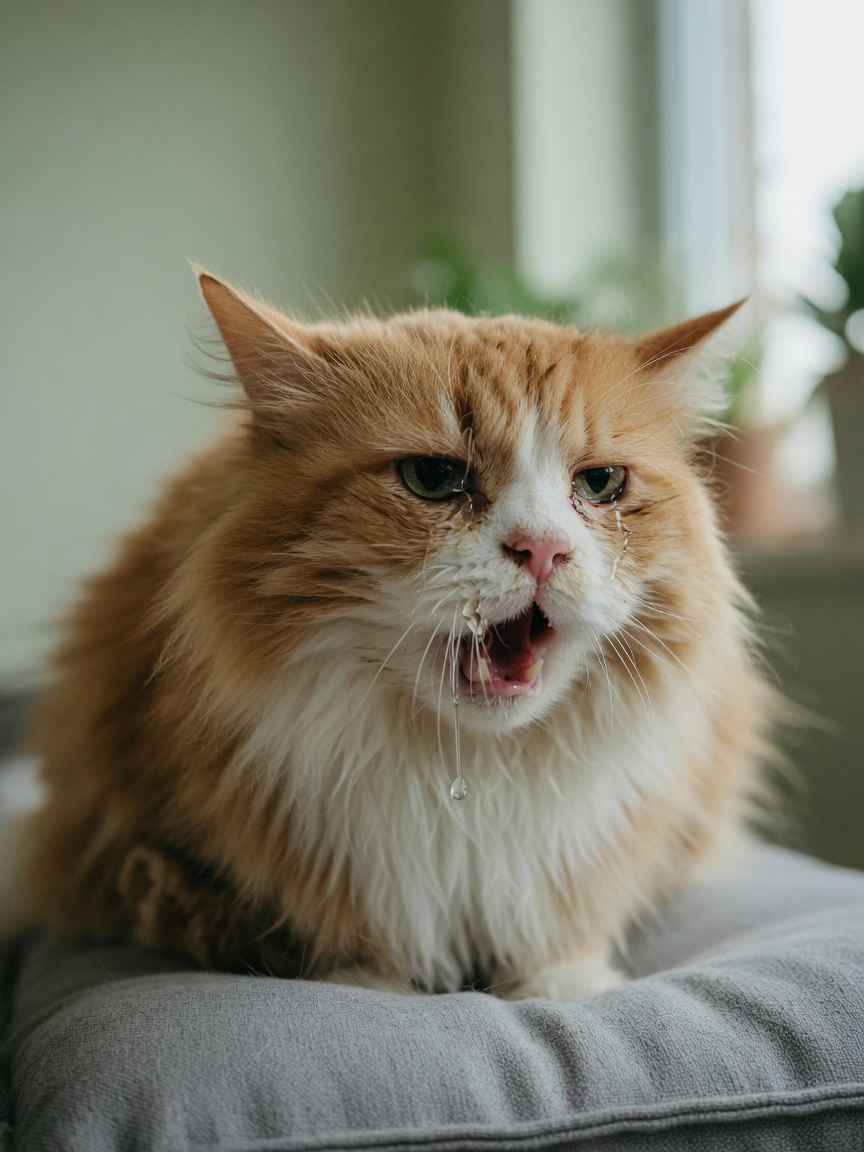
If your cat has caught a cold, you may notice several telltale symptoms:
- Sneezing and nasal congestion
- Watery or discharge from eyes and nose
- Coughing and mild throat discomfort
- Lethargy and decreased appetite
- Fever (though this is difficult to detect without a thermometer)
- Mouth ulcers or sores (particularly with calicivirus)
- Laboured or noisy breathing
Symptoms typically appear within 2-10 days of exposure and can last anywhere from a few days to several weeks, depending on the severity and your cat's immune system.
How Cats Catch Colds
Feline upper respiratory infections spread through direct contact with infected cats or exposure to contaminated surfaces. Your cat might catch a cold through:
- Contact with another infected cat's saliva, nasal secretions, or eye discharge
- Sharing food bowls, water dishes, or litter boxes with infected cats
- Airborne respiratory droplets when an infected cat sneezes or coughs
- Contaminated bedding, toys, or grooming equipment
Even vaccinated cats can contract these infections, though vaccination significantly reduces severity and duration of illness.
When to Visit Your Veterinarian
Whilst many cat colds resolve independently, veterinary consultation is important if:
- Symptoms persist beyond two weeks
- Your cat develops a fever or appears very unwell
- Breathing becomes laboured or you notice wheezing
- Your cat stops eating or drinking
- Eye discharge becomes thick, yellow, or green (suggesting bacterial infection)
- Your kitten, elderly cat, or immunocompromised cat shows any symptoms
Your vet may prescribe antibiotics for secondary bacterial infections or recommend supportive care including fluids, nutritional support, and eye medications if needed.
Supporting Your Cat's Recovery
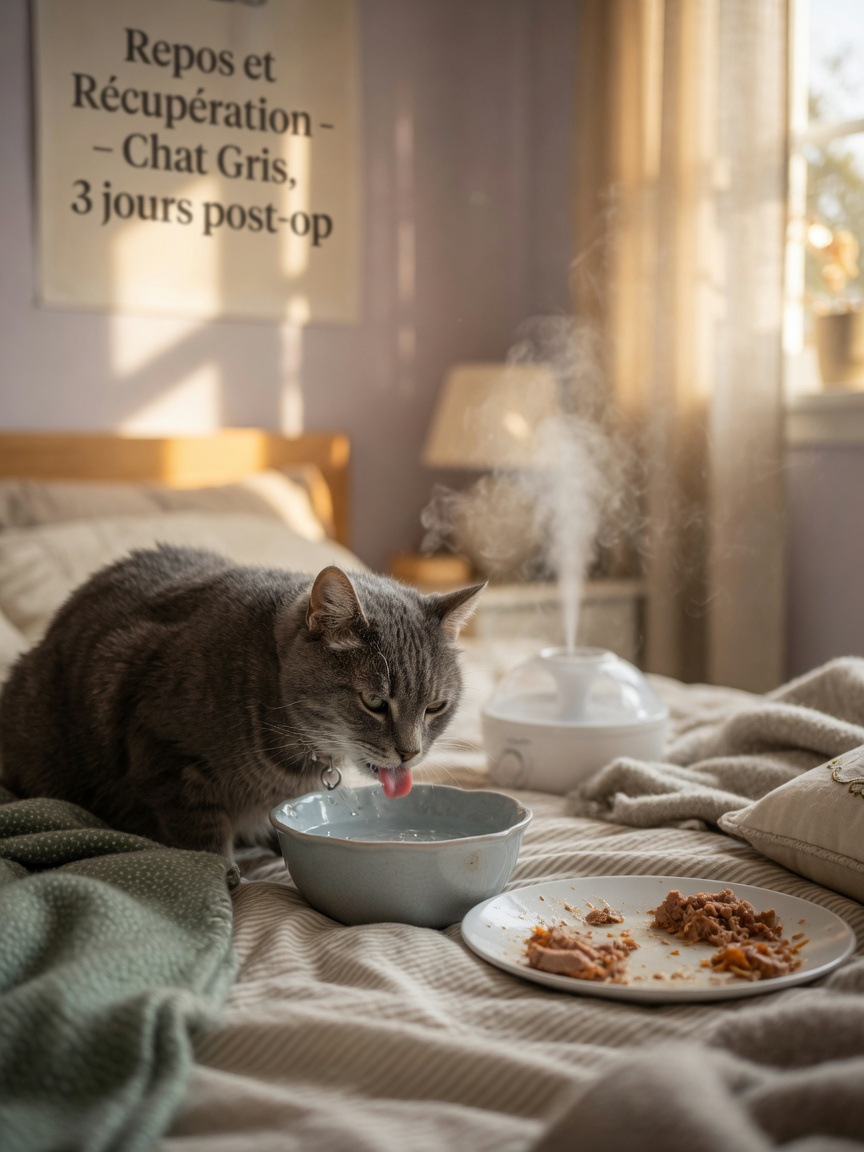
Most cat colds require supportive care rather than specific antiviral treatment. You can help your cat feel more comfortable by:
- Ensuring adequate hydration—offer fresh water frequently and consider wet food
- Using a humidifier to ease congestion and soothe airways
- Keeping your cat in a warm, quiet space away from stress
- Maintaining excellent hygiene to prevent spreading infection to other cats
- Providing easily digestible, appealing food to maintain nutrition
Prevention and Protection
Vaccination is your best defence against feline upper respiratory infections. Core vaccines protect against FHV-1 and FCV and are recommended for all cats. Additionally, minimise exposure to infected cats, maintain clean litter facilities, and isolate any newly adopted or ill cats temporarily from your existing pets.
Key Takeaways
Cats absolutely can get colds—in fact, feline upper respiratory infections are quite common. Whilst most cases resolve naturally with good supportive care, prompt veterinary attention ensures your cat recovers comfortably and helps prevent complications. Keeping your cat's vaccinations current remains the most effective prevention strategy. When in doubt about your cat's symptoms, consulting your veterinarian provides peace of mind and ensures your feline friend receives appropriate care.