
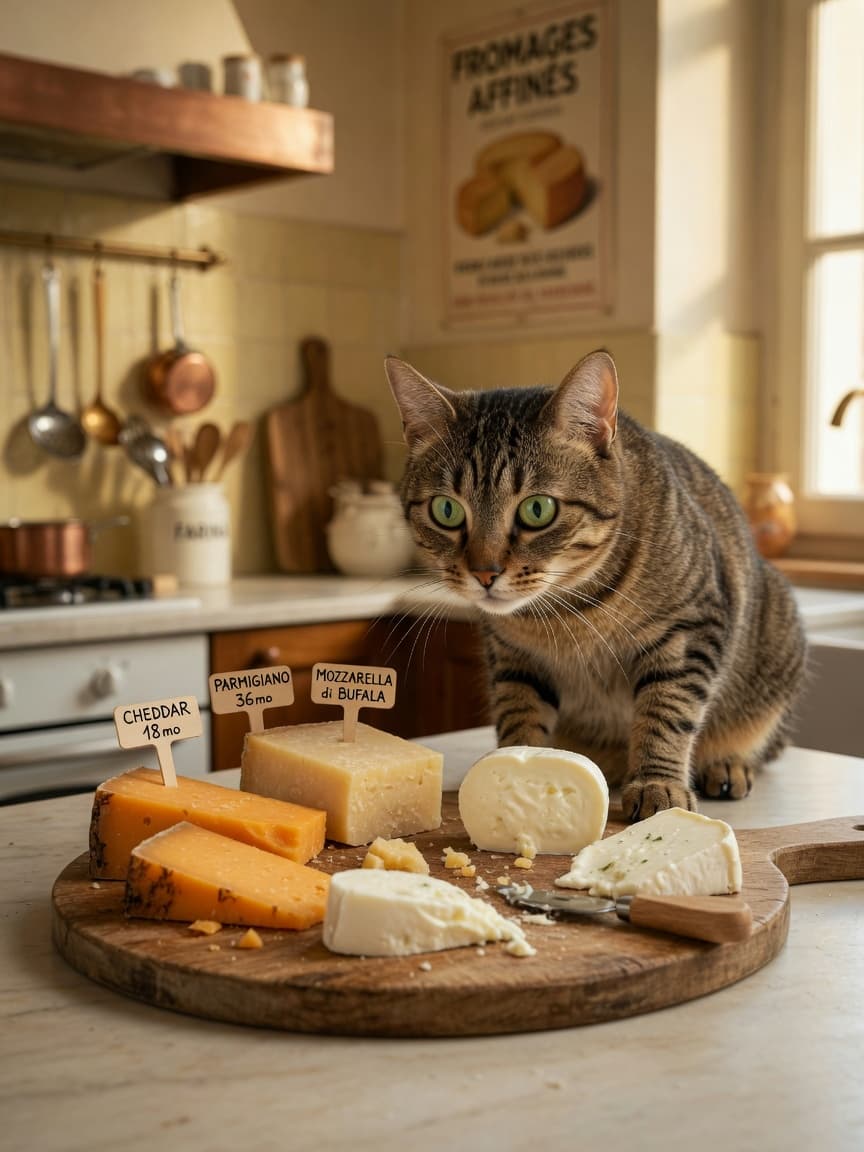
If you've ever enjoyed a cheese board and noticed your cat's curious eyes following each morsel, you're not alone. Many cat owners wonder whether sharing a small piece of cheese with their feline friend is safe. The short answer is: yes, cats can eat cheese in moderation, but there are important considerations to keep in mind. Understanding these factors will help you make informed decisions about your cat's diet and protect their digestive health.
Why Cats Struggle with Cheese
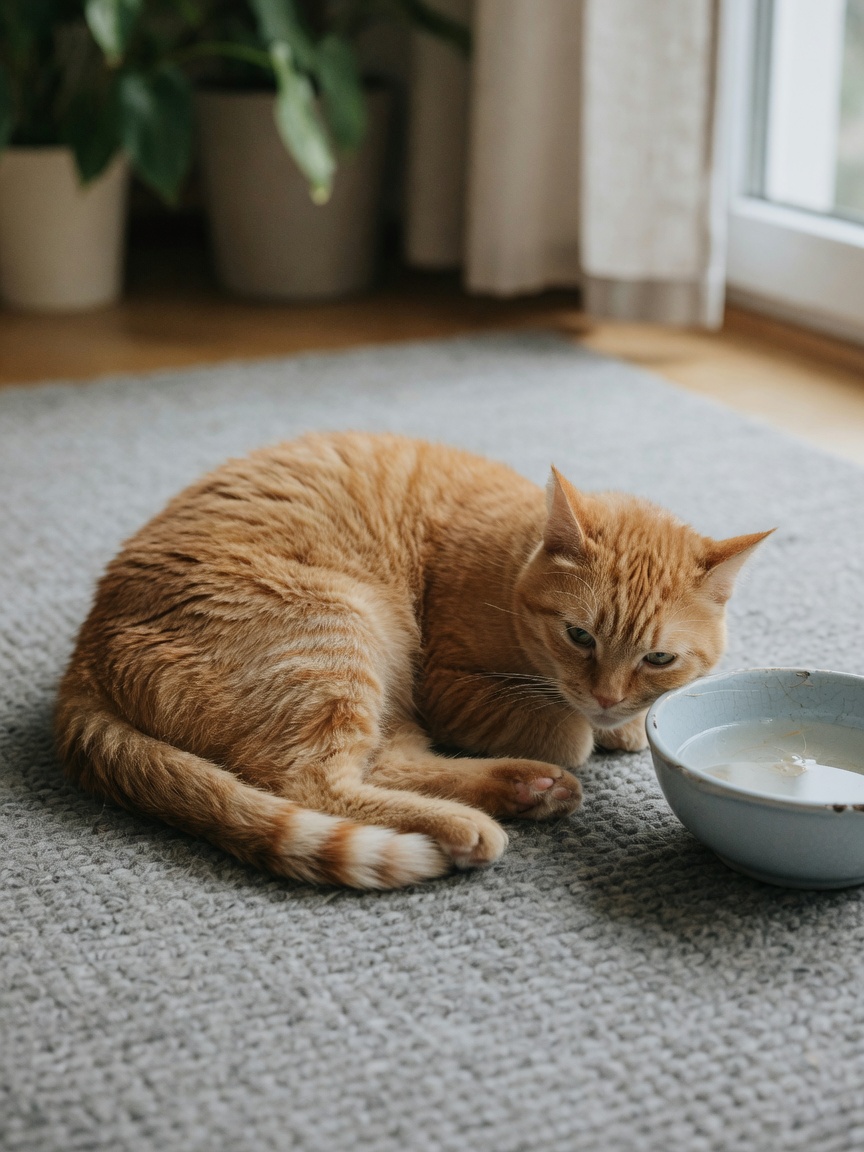
Most adult cats are lactose intolerant, which is the primary concern when it comes to cheese consumption. Unlike humans and some other animals, the majority of cats naturally produce less lactase—the enzyme required to digest lactose, the sugar found in milk products—as they mature beyond kittenhood. This means that whilst kittens can typically tolerate dairy products better than adults, many mature cats will experience digestive upset when consuming dairy.
This lactose intolerance isn't a true allergy but rather a digestive limitation that can cause uncomfortable symptoms such as:
- Diarrhoea or loose stools
- Vomiting
- Stomach cramping and bloating
- Excessive gas
- Loss of appetite
The Cheese Question: Which Types Are Safer?
Not all cheeses are created equal when it comes to feline safety. Hard, mature cheeses like cheddar, Parmesan, and Gruyère contain significantly less lactose than soft, fresh cheeses because lactose is broken down during the ageing process. This means that small amounts of aged cheese are generally better tolerated than cream cheese, mozzarella, or cottage cheese.
If you do offer cheese to your cat, consider these guidelines:
- Choose hard, aged varieties over soft cheeses
- Offer only tiny portions—a piece no larger than a pea
- Select plain cheese without added seasonings, garlic, or onions
- Introduce cheese gradually and observe your cat's reaction
Other Nutritional Concerns
Beyond lactose content, cheese presents additional health considerations for cats. Cheese is typically high in fat and sodium, both of which can be problematic for cats, particularly those with obesity, heart disease, or kidney conditions. Additionally, cats are obligate carnivores with specific nutritional requirements that cheese simply cannot meet. Offering cheese as a treat means fewer calories for essential nutrients your cat truly needs.
Signs Your Cat Is Having Trouble
After offering cheese to your cat, monitor them closely for the next 24 to 48 hours. If you notice any of the digestive symptoms mentioned earlier, or if your cat seems uncomfortable, avoid giving cheese in future. Every cat's tolerance is different, and some may react to even tiny amounts, whilst others handle small portions without issue.
Better Treat Alternatives
Rather than risking digestive upset, consider offering your cat treats specifically formulated for feline nutrition. Excellent alternatives include:
- Cooked, unseasoned chicken or turkey
- Small amounts of cooked salmon (excellent for coat health)
- Commercial cat treats approved by veterinary nutritionists
- Small portions of cooked egg
- Specially formulated cat milk products designed to be lactose-free
Key Takeaways
Cats can technically eat small amounts of hard, aged cheese without serious harm, but it's not recommended as a regular treat. The risk of digestive upset, combined with the high fat and sodium content, makes cheese a less-than-ideal choice for feline nutrition. If you do occasionally offer cheese, stick to tiny portions of cheddar or Parmesan, monitor your cat closely, and watch for any signs of digestive distress. When in doubt, consult your veterinarian about appropriate treat options tailored to your individual cat's health profile. Your cat will be just as happy receiving a treat that's genuinely beneficial for their wellbeing.