
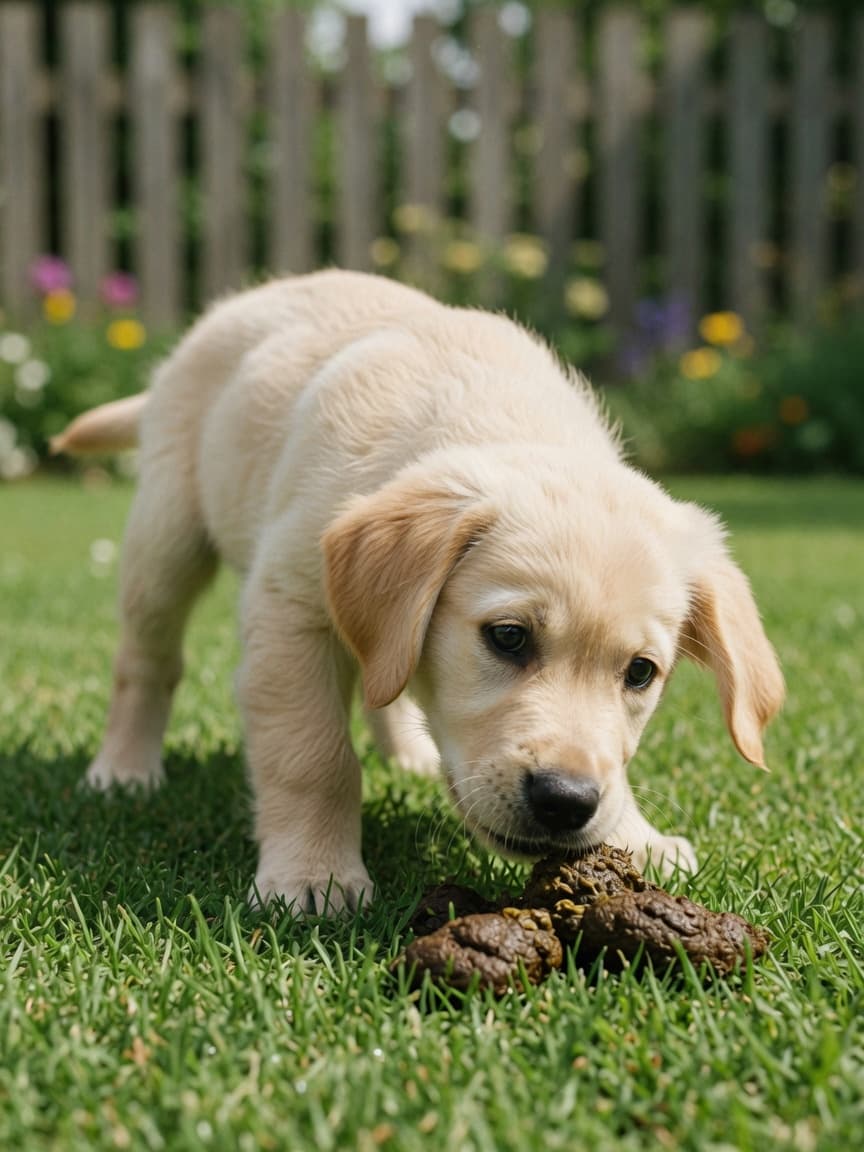
Why Does My Dog Eat Poop?
Few things horrify dog owners quite as much as watching their beloved companion eat faeces — whether it is their own, another dog's, or the deposit left by the resident cat. Known medically as coprophagia, this behaviour is far more common than many people realise. While it is undeniably unpleasant, it is frequently explainable, and in many cases preventable. Understanding why your dog does it is the first step to stopping it.
Causes of Coprophagia, Ranked by Frequency
1. Normal Puppy Behaviour
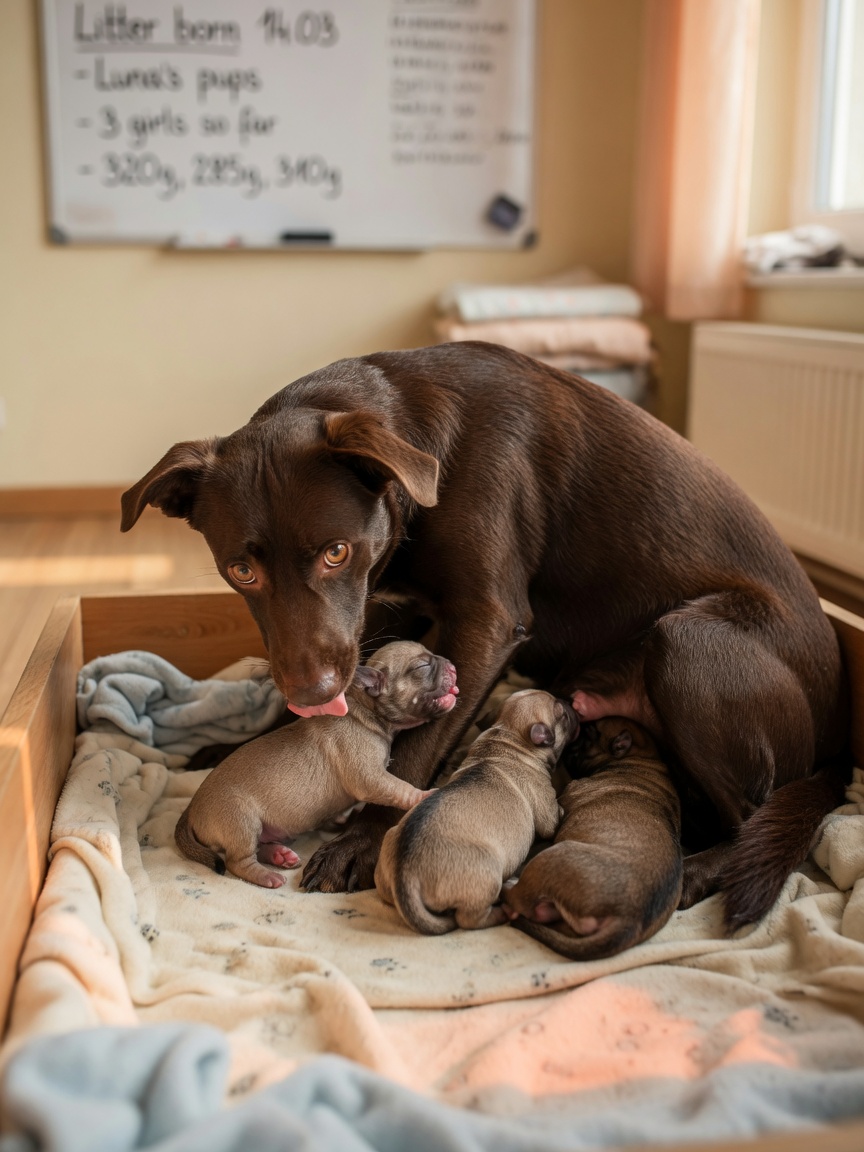
The most important thing to know is that coprophagia is developmentally normal in puppies. Mother dogs routinely lick and ingest the faeces of their young offspring to keep the den clean and to stimulate elimination in newborns. Puppies learn through exploration — and their primary exploratory tool is their mouth. Many puppies go through a phase of eating faeces between the ages of roughly four weeks and six months, and the majority grow out of it entirely without intervention. Consistent tidying of the garden and a firm "leave it" command can help discourage the habit from becoming entrenched.
2. Nutritional Deficiency or Imbalance
One of the more common medical explanations for coprophagia in adult dogs is an underlying nutritional deficiency. If a dog's diet is not meeting their nutritional needs — whether because the food is low quality, is not appropriate for the dog's life stage, or because there is a problem with absorption — the dog may attempt to compensate by eating faeces, which retain some nutritional value. Dogs that eat the faeces of other species (cat poo is a particular favourite) may be attracted to the higher protein or fat content. Reviewing your dog's diet with your vet or a veterinary nutritionist can be revealing.
3. Intestinal Parasites
Intestinal worms compete with their host for nutrients, and a heavily parasitised dog may develop an increased drive to seek out additional nutrition — sometimes through coprophagia. ESCCAP (the European Scientific Counsel Companion Animal Parasites) recommends that dogs be wormed regularly throughout the year, with the frequency depending on individual risk factors such as hunting behaviour, contact with livestock, and the presence of young children in the household. A dog that has suddenly started eating faeces should be assessed for parasites as part of the work-up. Veterinary-strength worming treatments, including those covering roundworms, hookworms, whipworms, and tapeworms, can be discussed with your vet, and a range of preventative products is available from retailers such as Zooplus.
4. Boredom and Attention-Seeking
Dogs that do not receive adequate mental stimulation and physical exercise may engage in a range of undesirable behaviours to entertain themselves — and coprophagia can become one of them. It may also become an attention-seeking behaviour if the owner's response (even a negative one, such as shouting) has consistently followed the action. Dogs that are left alone for long periods without enrichment are at higher risk. Puzzle feeders, interactive toys, nose work activities, and increased exercise often reduce or eliminate the behaviour.
5. Learned Behaviour
Dogs are social learners, and a puppy or young dog that sees another dog engaging in coprophagia may imitate the behaviour. Similarly, a dog that is scolded for soiling indoors may eat the evidence to avoid punishment — a learnt avoidance strategy that has unfortunate consequences. If indoor accidents are happening, a return to basics in toilet training (without punishment) is more effective than any deterrent.
6. Underlying Medical Conditions
Several medical conditions can drive coprophagia by interfering with nutrient absorption or increasing appetite. Exocrine pancreatic insufficiency (EPI) is one of the most significant — the pancreas fails to produce sufficient digestive enzymes, meaning food passes through largely undigested, and the dog is effectively starving despite eating. Other causes include malabsorption syndromes, inflammatory bowel disease, diabetes, Cushing's disease, and thyroid disorders. If your dog has suddenly developed coprophagia in adult life or alongside other symptoms such as weight loss, a change in stool quality, or increased appetite, veterinary investigation is essential.
Prevention Strategies and Home Management
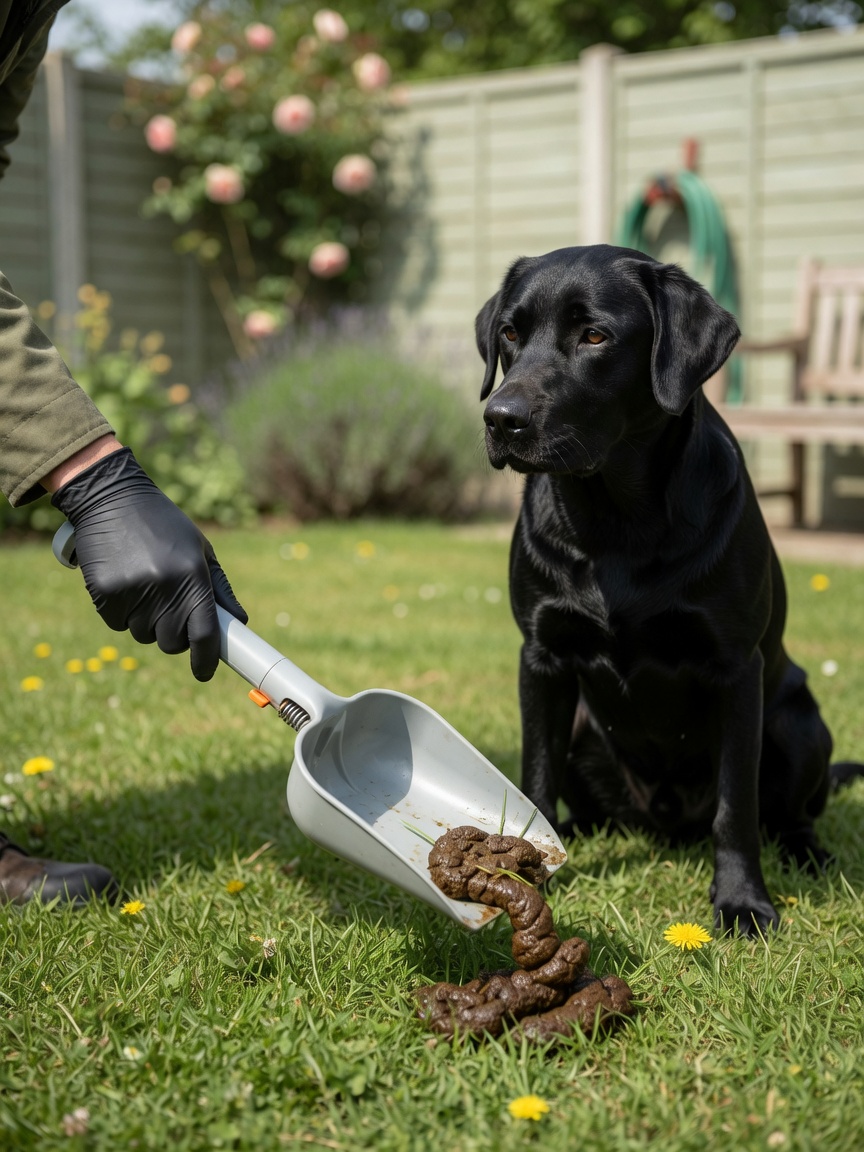
- Pick up faeces immediately and consistently — in the garden, on walks, and anywhere your dog has access. Removing the opportunity is the most reliable strategy.
- Ensure your dog's diet is nutritionally complete and appropriate for their age, size, and activity level. If in doubt, ask your vet for a dietary review.
- Keep your dog up to date with ESCCAP-aligned parasite control. Regular faecal examinations can detect subclinical worm burdens.
- If your cat's litter tray is the target, place it in a location the cat can access but the dog cannot — a room with a cat flap, or a baby gate with a small cat-sized opening.
- Increase daily exercise and mental enrichment. A tired, stimulated dog is far less likely to seek out unsavoury entertainment.
- Train a reliable "leave it" cue and reward heavily for compliance.
Deterrent Products
A number of products are marketed to discourage coprophagia by making faeces taste unpleasant — ironic as that may sound. These typically contain ingredients such as monosodium glutamate, chamomile, or yucca, and are added to the dog's food. Results are mixed, and they only address one dog's output. Zooplus stocks a selection of these dietary supplements, which some owners find helpful as part of a broader management strategy. They are unlikely to be effective alone, but may assist alongside environmental management and training.
When to See a Vet
Coprophagia is not always a medical emergency, but you should book a veterinary appointment if:
- The behaviour has appeared suddenly in an adult dog with no history of it.
- It is accompanied by weight loss, changes in appetite, vomiting, or diarrhoea.
- Your dog's faeces appear greasy, pale, or have an unusually foul odour — signs that may indicate malabsorption or EPI.
- The behaviour has persisted despite management strategies and is affecting your dog's health (for example, causing repeated gastrointestinal upsets).
- Your dog is eating the faeces of other animals and you are concerned about parasite transmission — this is a real risk, as ESCCAP guidelines note that some parasites, including Toxocara, can be transmitted via this route.
Most cases of coprophagia can be managed effectively with a combination of good nutrition, regular parasite control, environmental management, and training. It is unpleasant, but it is rarely a sign of a deeply troubled dog — and with consistency, it is a behaviour that most owners can successfully address.