
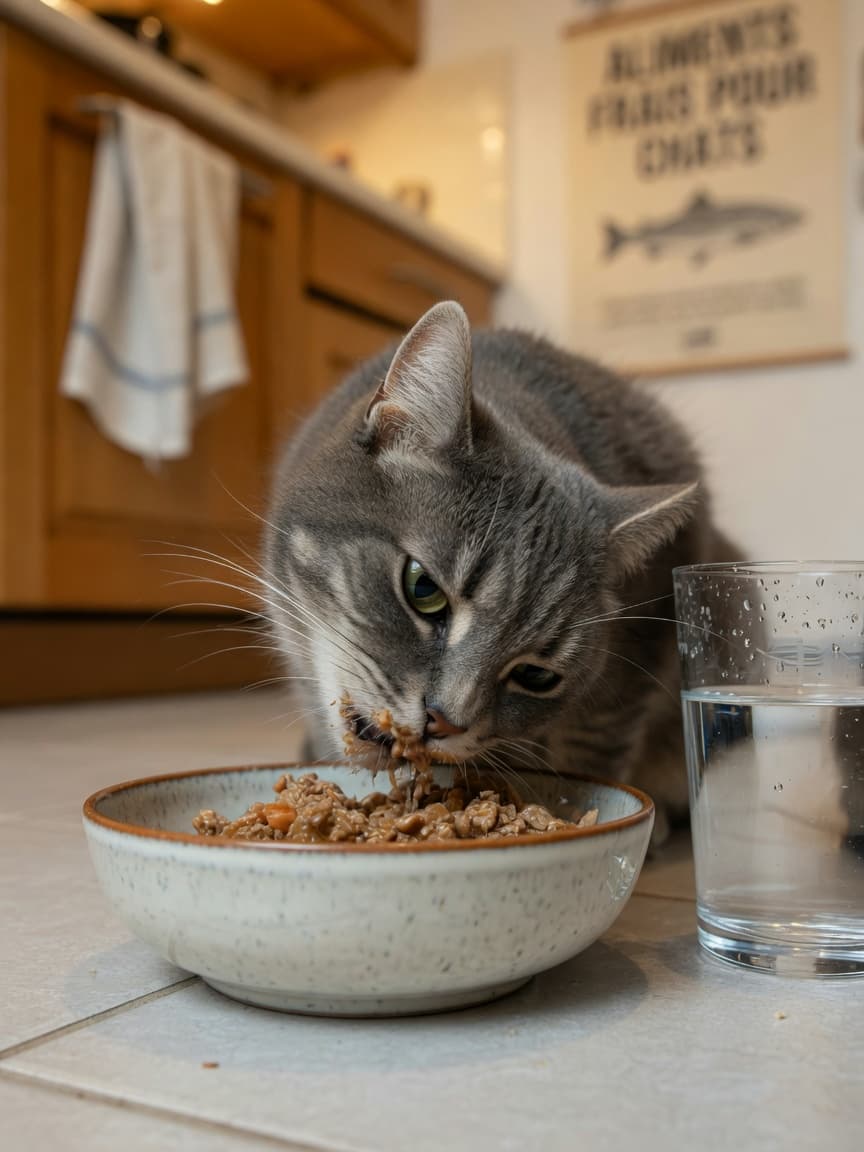
Why Wet Food Matters for Your Cat's Health
Cats evolved in arid desert environments and developed a low thirst drive as a result. Unlike dogs or humans, cats do not instinctively seek out water to compensate for a dry diet. This biological quirk makes the moisture content of their food critically important. Wet food typically contains between 70 and 80 per cent water, compared to just 8 to 10 per cent in most dry kibble. For a species that obtains the majority of its hydration through prey, this difference is significant.
Feeding wet food is one of the most practical steps a cat owner can take to support long-term health. Vets across Europe increasingly recommend it, particularly for cats with a history of urinary tract issues, kidney disease, or those who simply refuse to drink enough water from a bowl.
Hydration and Urinary Health
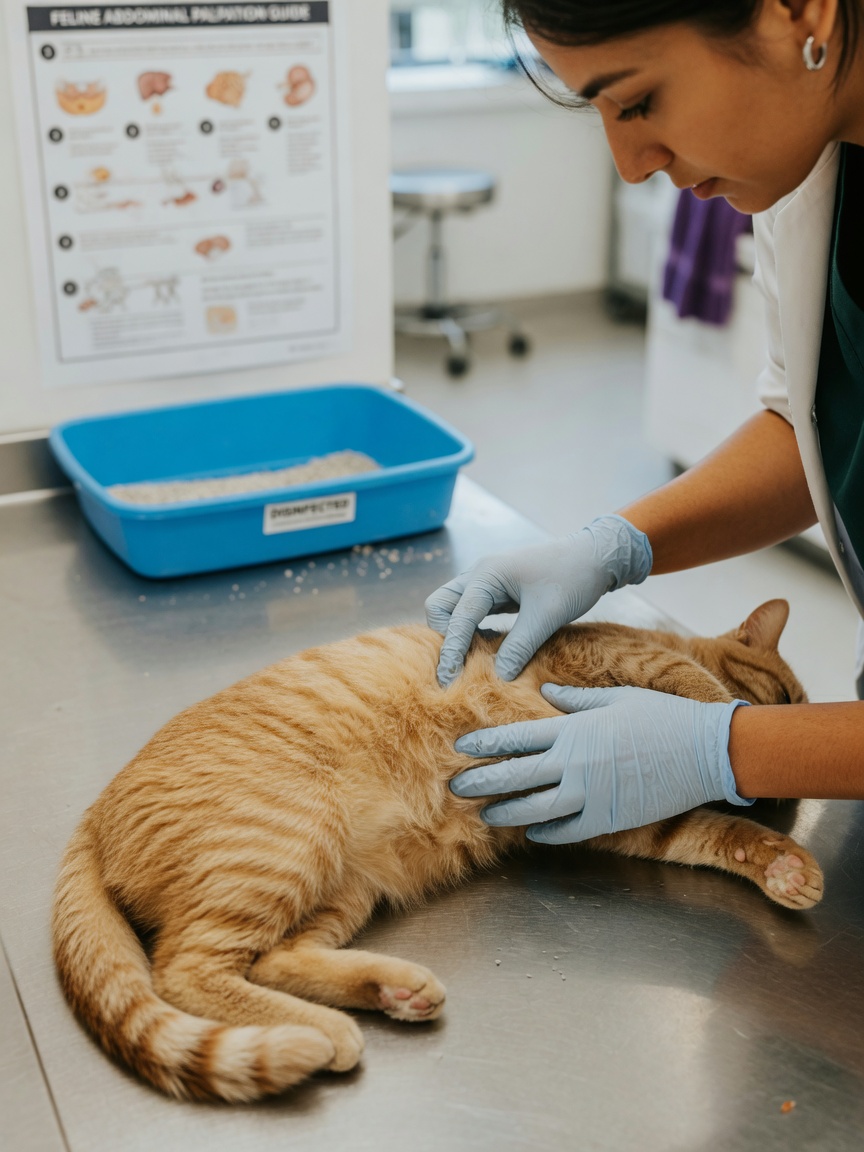
Chronic dehydration in cats is directly linked to a range of urinary conditions, including feline idiopathic cystitis (FIC), urolithiasis (bladder stones), and urethral blockages — the latter being life-threatening in male cats. Increasing dietary moisture helps dilute urine, reducing the concentration of minerals that form crystals and stones.
Studies have shown that cats fed wet food produce significantly more dilute urine and urinate more frequently than those on dry-only diets. This flushing effect helps keep the urinary tract clear and reduces the risk of painful and potentially fatal obstructions. If your cat has already experienced a urinary episode, your vet will almost certainly recommend transitioning to a wet-food-based diet as part of ongoing management.
Cats Are Obligate Carnivores: What That Means for Diet
Cats are obligate carnivores, meaning they require nutrients found exclusively in animal tissue to survive. Unlike omnivores, they cannot synthesise taurine, arachidonic acid, or sufficient vitamin A from plant-based sources. They also have limited capacity to digest carbohydrates — a macronutrient that dominates many dry kibble formulas.
High-quality wet food is generally better aligned with these biological requirements. A good wet cat food will list a named meat or fish as the first ingredient and will have a high overall protein content derived from animal sources. Under EU Regulation EC 767/2009 on the placing on the market of pet food, manufacturers must clearly label the percentage of each ingredient category and the analytical constituents — including crude protein, fat, fibre, and moisture. This transparency allows owners to make informed comparisons between products.
EU Brands Worth Considering
The European pet food market is well-supplied with quality wet cat food options. Here are some brands widely available across the EU:
- Royal Canin — offers breed-specific and health-condition wet foods, including formulas designed for urinary support and indoor cats. Produced in France and widely respected by European vets.
- Hill's Science Plan — another veterinary-endorsed brand with prescription and everyday wet food lines. Their c/d Urinary Care range is frequently recommended for cats prone to urinary issues.
- Purina Pro Plan — a high-protein wet food range that uses real meat as the primary ingredient. The Delicate and Sensitive lines cater to cats with digestive sensitivities.
- Animonda — a German brand offering a wide variety of grain-free wet foods under the Carny and vom Feinsten labels. Popular in Germany, Austria, and increasingly across Europe.
All of the above comply with EU Regulation EC 767/2009 labelling requirements. You can find the full range of these brands on Zooplus, which ships across Europe and regularly stocks all four at competitive prices.
How to Transition from Dry to Wet Food
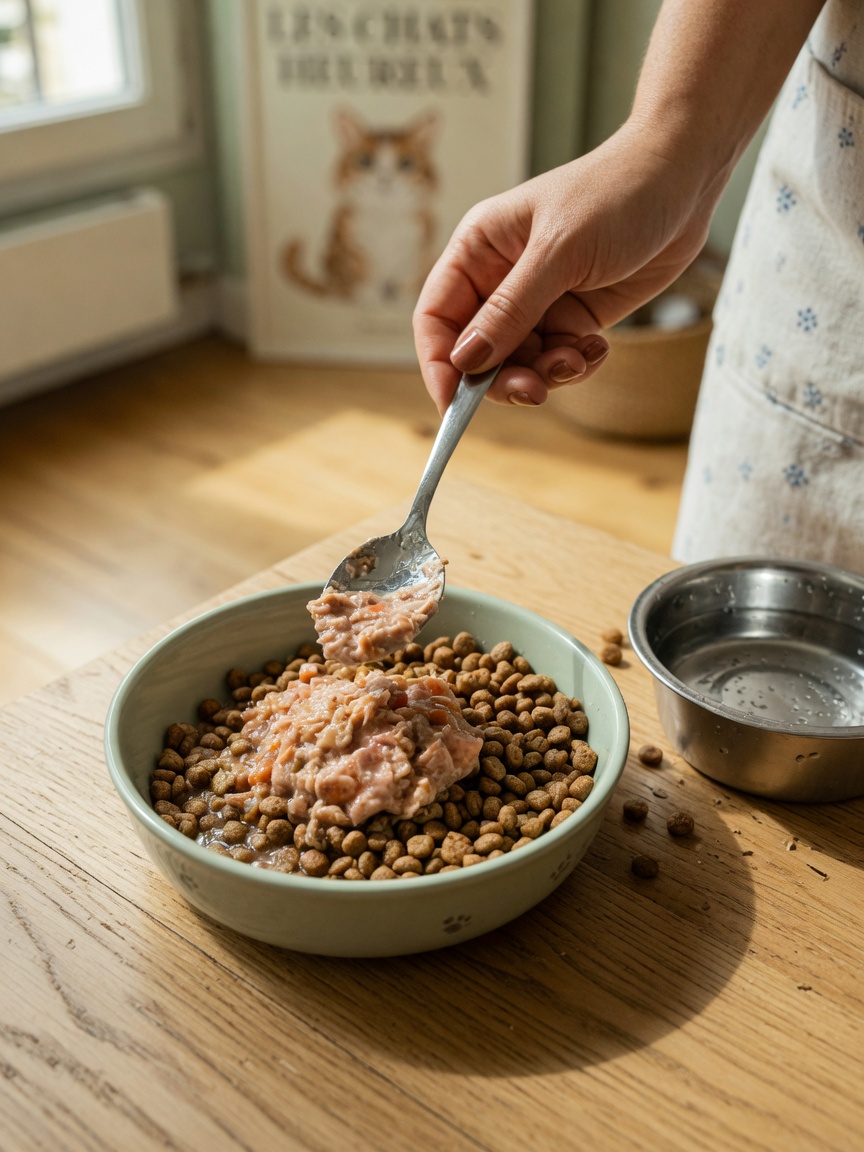
Switching a cat from dry to wet food requires patience. Cats are creatures of habit, and many will initially reject a new food texture or smell — particularly if they have been eating kibble exclusively for years. A gradual transition over 10 to 14 days is recommended to avoid digestive upset and to allow your cat to accept the change.
Begin by mixing a small amount of wet food into the usual dry portion — roughly 10 to 20 per cent wet to start. Every two or three days, increase the proportion of wet food while reducing the dry. By the end of two weeks, most cats can be transitioned fully to wet food without issue. If your cat is particularly stubborn, try warming the wet food slightly to enhance its aroma, or choose a variety with a familiar protein source such as chicken or tuna.
Some cats may experience loose stools during the transition due to the higher moisture content. This usually resolves within a few days. If digestive upset persists beyond a week, consult your vet.
The Mixed Feeding Approach
A full switch to wet food is not always necessary or practical. Many owners and vets advocate for a mixed feeding approach — providing wet food once or twice a day while leaving dry kibble available for grazing. This method balances the hydration benefits of wet food with the convenience and dental benefits sometimes associated with dry food.
It is worth noting that the dental benefit of dry food is often overstated. Cats do not chew kibble in a way that provides significant tartar removal. Purpose-made dental treats or veterinary dental chews are far more effective for oral hygiene if that is a concern.
When combining wet and dry food, be careful not to overfeed. Calculate total daily caloric intake across both food types to avoid weight gain. Many wet food tins and pouches sold in the EU include feeding guides based on body weight, and tools on your vet's website can help you calculate appropriate portions.
Reading Labels and Choosing Quality
Under EU Regulation EC 767/2009, all complete pet foods must contain adequate levels of essential nutrients. Look for products labelled as "complete" rather than "complementary" — the latter are intended as supplements, not sole diets. Check the ingredient list for named meat sources (e.g., chicken, salmon, beef) rather than vague terms like "meat and animal derivatives," which can include lower-quality by-products.
Avoid wet foods with artificial colours, flavours, or excessive fillers. A short, recognisable ingredient list is generally a positive sign. Online retailers such as Zooplus provide full ingredient breakdowns and customer reviews, making it easier to compare products before committing to a bulk purchase.
Final Thoughts
Wet food is not a luxury — for most cats, it is a meaningful contribution to their long-term health. By supporting adequate hydration, aligning with their carnivore biology, and reducing urinary tract risk, it addresses some of the most common feline health concerns in a straightforward way. Whether you opt for a full switch or a mixed feeding routine, incorporating good-quality wet food into your cat's diet is a decision backed by solid veterinary science.