
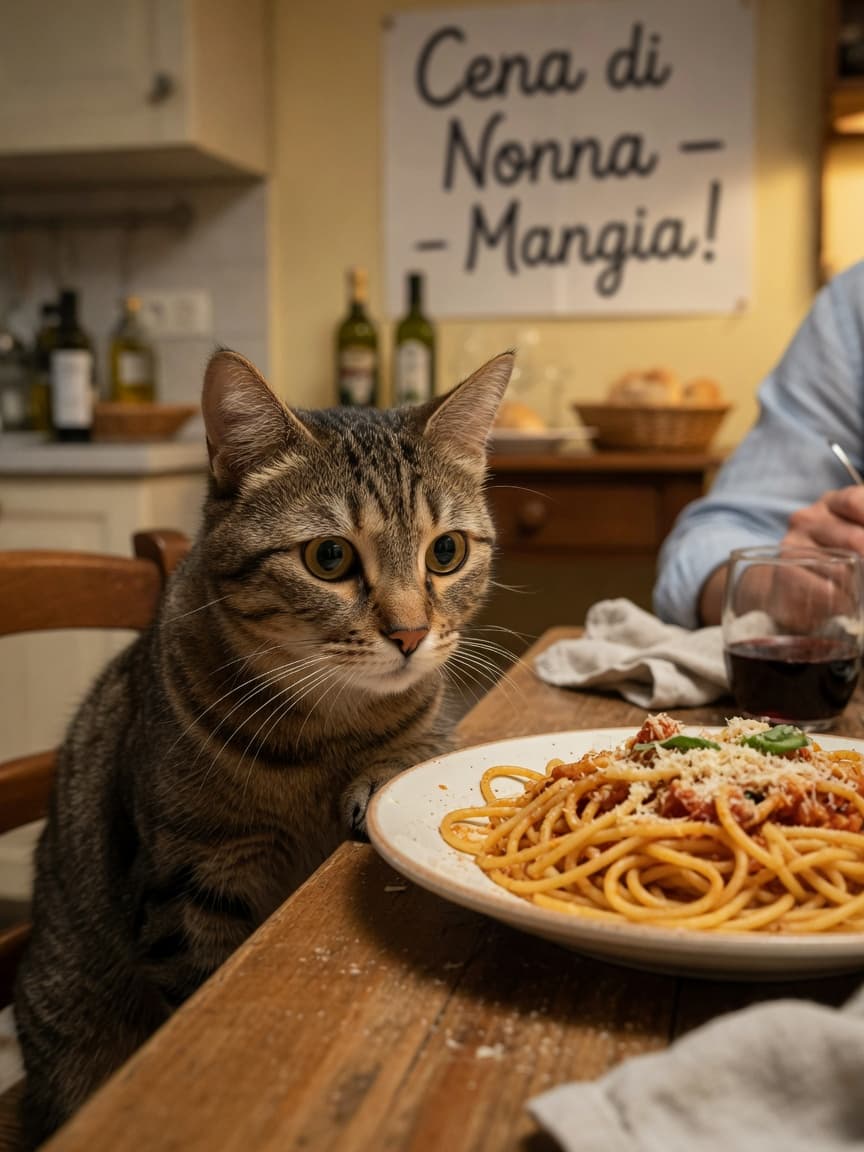
If you've ever sat down to a steaming bowl of spaghetti or penne whilst your cat watched intently from across the table, you've probably wondered whether sharing a small portion would cause any harm. The short answer is: plain, cooked pasta is generally safe for cats in small quantities, but it offers little nutritional value and shouldn't become part of their regular diet. Let's explore what you need to know about feeding pasta to your feline companion.
Is Plain Pasta Safe for Cats?
Yes, plain, cooked pasta made from wheat, rice, or other grains is non-toxic to cats. Unlike some human foods that are genuinely dangerous (such as chocolate, onions, or grapes), pasta doesn't contain compounds that will poison your cat. However, safety and nutritional appropriateness are two different matters.
Plain pasta contains minimal nutritional benefit for cats, who are obligate carnivores requiring meat-based proteins and specific amino acids like taurine to thrive. A small amount of plain pasta won't cause immediate harm, but it shouldn't replace their balanced commercial cat food.
Types of Pasta to Avoid
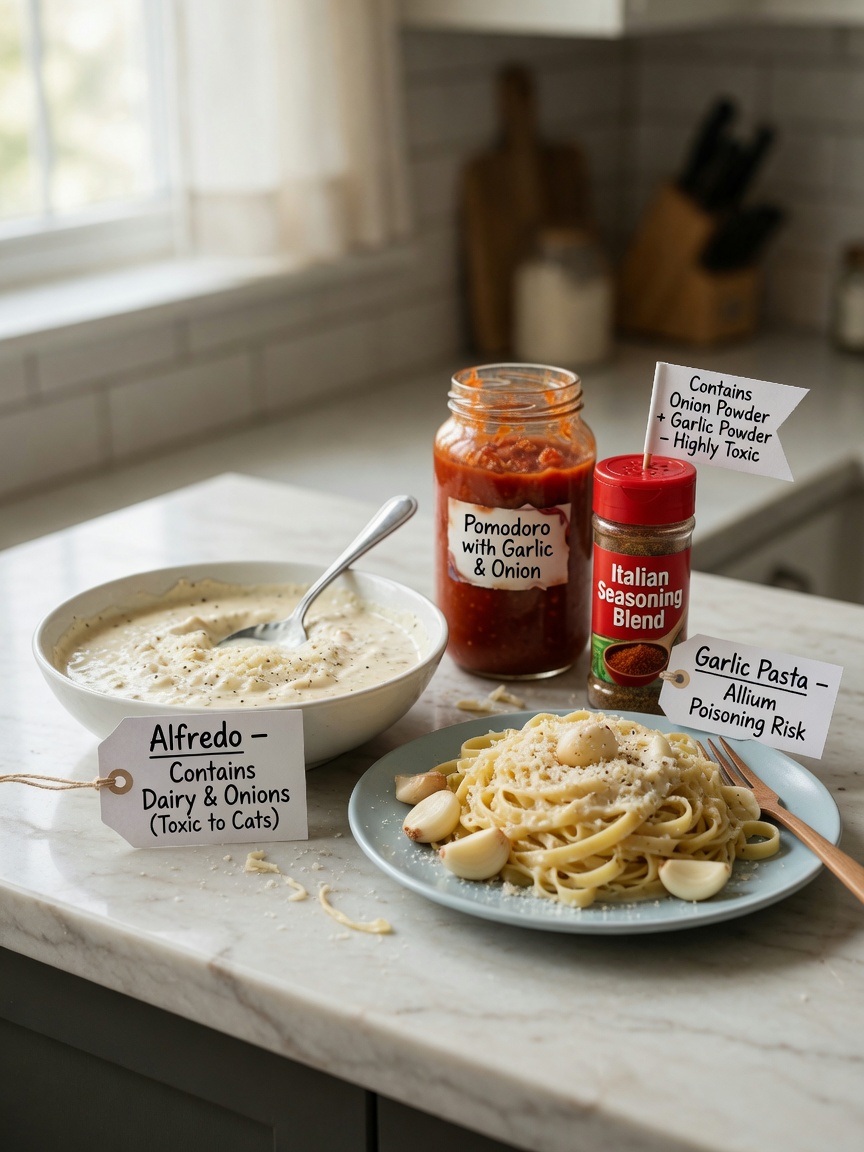
Whilst plain pasta is relatively harmless, certain preparations are problematic:
- Pasta with garlic or onion: Both are toxic to cats and can damage their red blood cells
- Creamy sauces: Often high in fat and lactose, which many cats struggle to digest
- Tomato-based sauces: Acidic and potentially irritating to sensitive digestive systems
- Salted or heavily seasoned pasta: Excessive sodium can be harmful to cats
- Pasta with artificial sweeteners: Xylitol is extremely toxic to cats
Nutritional Considerations
Cats have very specific dietary requirements that pasta simply doesn't meet. Your cat needs:
- High-quality animal proteins (at least 30-40% of their diet)
- Taurine, an essential amino acid found primarily in meat
- Vitamins A, D, and B12 in forms their bodies can utilise
- Minimal carbohydrates (unlike humans, cats have no dietary requirement for grains)
Pasta is predominantly carbohydrates, which can contribute to weight gain and metabolic issues in cats. Feeding excessive carbohydrates may increase the risk of feline obesity and diabetes, particularly in sedentary indoor cats.
When Might Pasta Be Appropriate?
There are limited scenarios where pasta might be acceptable:
- As an occasional treat (once or twice monthly) in very small portions
- During recovery from certain gastrointestinal conditions, under veterinary guidance
- Mixed with prescribed therapeutic food as directed by your vet
If your cat is recovering from digestive upset, consult your veterinarian before introducing any new foods, even bland ones like plain pasta.
Better Treat Alternatives
Rather than pasta, consider these nutritionally superior options:
- Small pieces of cooked chicken or turkey (no seasoning)
- Cooked, flaked fish (salmon or tuna occasionally)
- Commercial cat treats designed for feline nutrition
- Small amounts of cooked pumpkin or sweet potato
Key Takeaways
Plain, cooked pasta won't harm your cat if they steal a small piece from your plate, but it shouldn't be intentionally fed as part of their diet. Cats evolved as obligate carnivores and thrive on meat-based nutrition, not grains and carbohydrates. Always ensure your cat's primary diet consists of complete and balanced commercial cat food formulated to meet their specific nutritional needs. If you're concerned about your cat's diet or they've consumed large quantities of pasta, contact your veterinary surgeon for guidance. When it comes to treats, choose options that genuinely benefit your cat's health rather than simply filling their stomach with empty calories.