
Dogs
Dog Ownership Germany Guide
Germany has approximately 10.6 million dogs — a number that has grown significantly in recent years. As a federal republic, Germany's dog laws are…
Julia WrenfieldJuly 2, 2026

Germany has approximately 10.6 million dogs — a number that has grown significantly in recent years. As a federal republic, Germany's dog laws are…

Few images in Western culture are as persistent as a cat contentedly drinking from a saucer of milk. This image appears in children's books, cartoons, and popular sayings — yet it is one of the most misleading ideas in pet nutrition. The truth is that cow's milk is poorly suited to the biology of ad…

By the time a dog shows obvious signs of kidney disease — increased thirst, weight loss, lethargy — up to 75 per cent of kidney function may already be…

Mange is one of those words that causes immediate alarm in dog owners, and understandably so. Hair loss, thickened skin, and relentless scratching are…
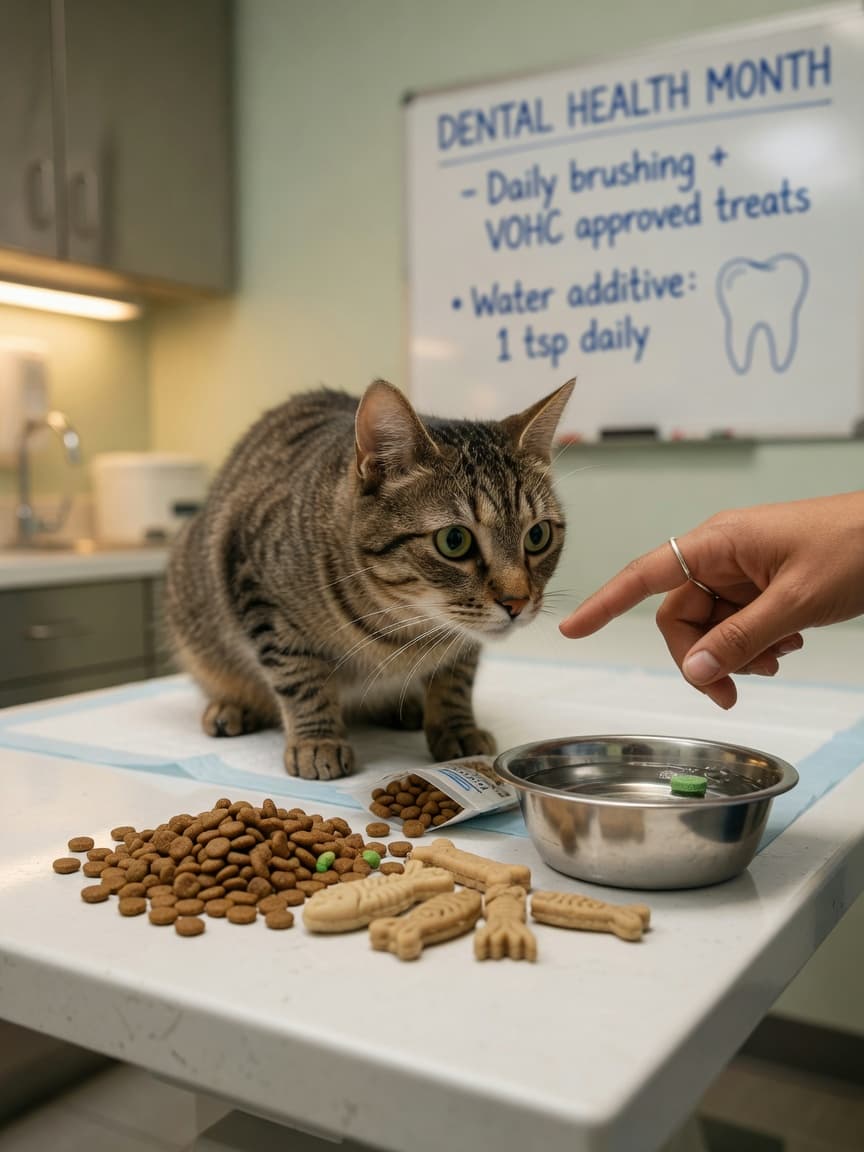
Dental disease affects the majority of cats over three years of age, yet managing feline oral health at home is considerably more challenging than it…

Kiwi is safe for most dogs to eat in modest quantities. The flesh is packed with vitamins and fibre, making it a more nutritious treat than many…
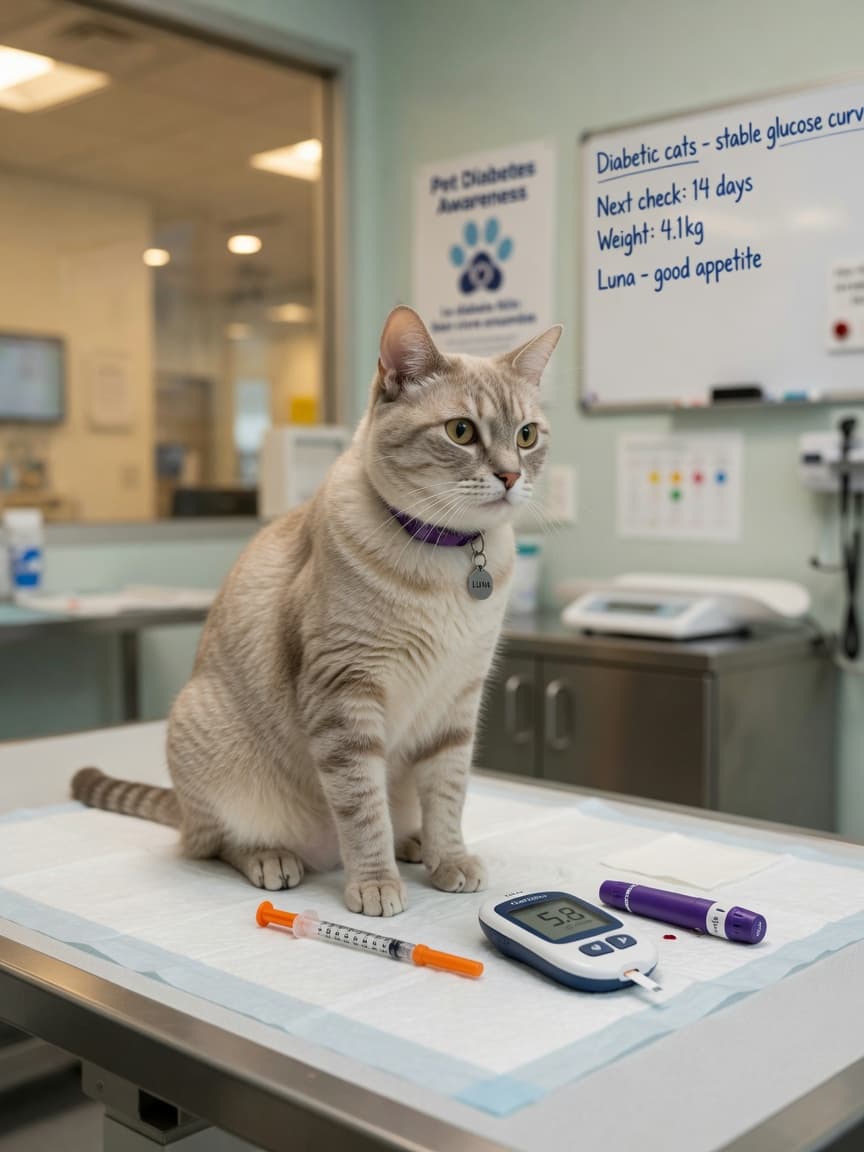
Feline diabetes mellitus is a growing concern in cats across Europe, with prevalence estimated at between one in 50 and one in 200 cats, depending on…

VERDICT: NO — Do not give aspirin to your dog without explicit veterinary direction. Aspirin causes gastrointestinal ulceration and bleeding in dogs at…

A kitten losing fluid through severe diarrhoea can deteriorate to a critical state within hours. The young, the small, and the not-yet-fully-immunised…

Every dog has off days. A dog that slept more than usual after a long walk, or seems quieter after a change in routine, may simply be tired. But…
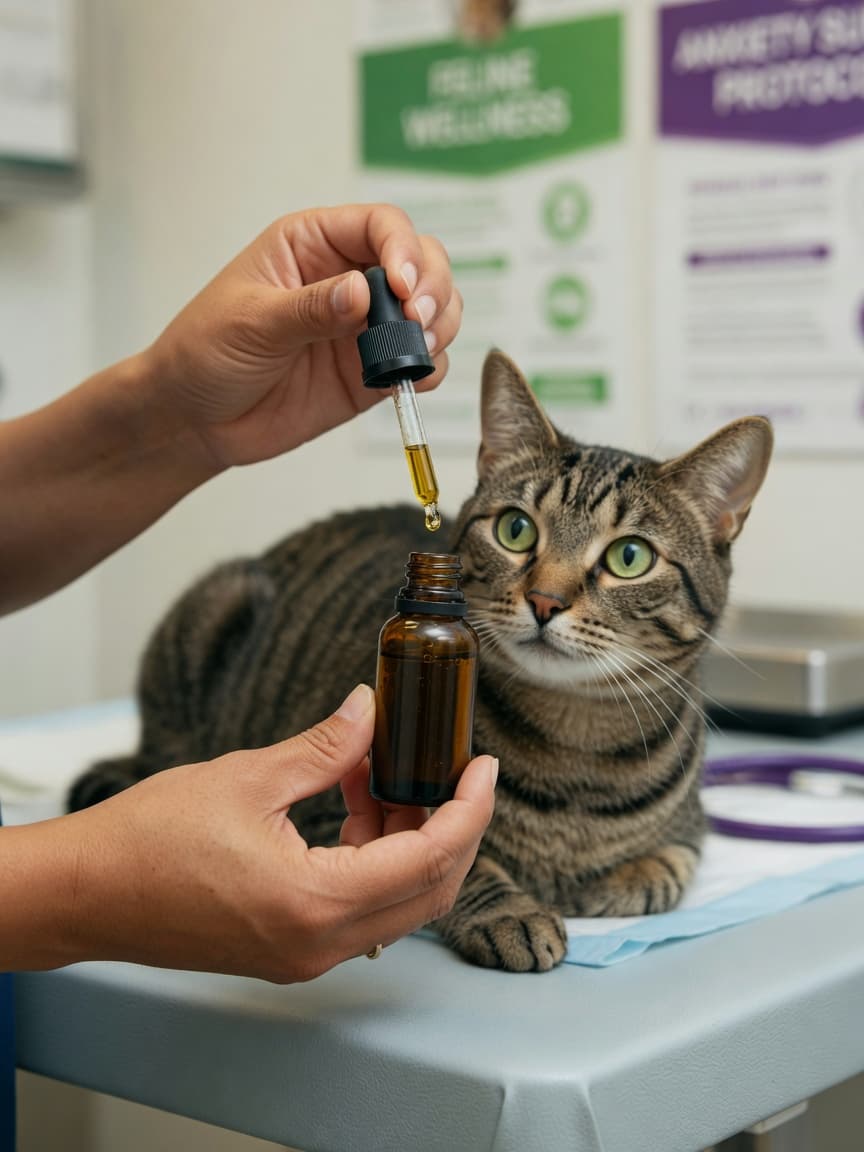
Cats are not small dogs. Their liver metabolism is fundamentally different from dogs and humans — they lack adequate levels of glucuronosyltransferase…

The Dangerous Dogs Act 1991 (DDA) is the primary piece of UK legislation governing dangerous dogs and breed restrictions. Passed in response to a…

Watermelon flesh is not toxic to cats. The ASPCA does not list watermelon as poisonous to felines, and veterinary nutritionists generally regard the flesh as a harmless occasional treat. Unlike grapes or citrus fruits — which pose genuine health risks to cats — watermelon's main drawback is simply t…

Quick Summary: Ultrasound (sonography) uses high-frequency sound waves to create real-time images of your dog's internal organs. It is painless,…

Not every health concern in a dog needs an immediate emergency appointment — but some absolutely do. The challenge for owners is knowing the…

Spain is one of the most popular destinations for UK travellers, and many people want to bring their dogs and cats with them — whether for a family…

Intervertebral disc disease is the most common neurological condition seen in dogs, and for owners of Dachshunds, French Bulldogs, Beagles, Shih Tzus,…

Slug pellets are one of the most frequently used pesticides in UK gardens. They are cheap, widely available, and effective at controlling the slugs and…
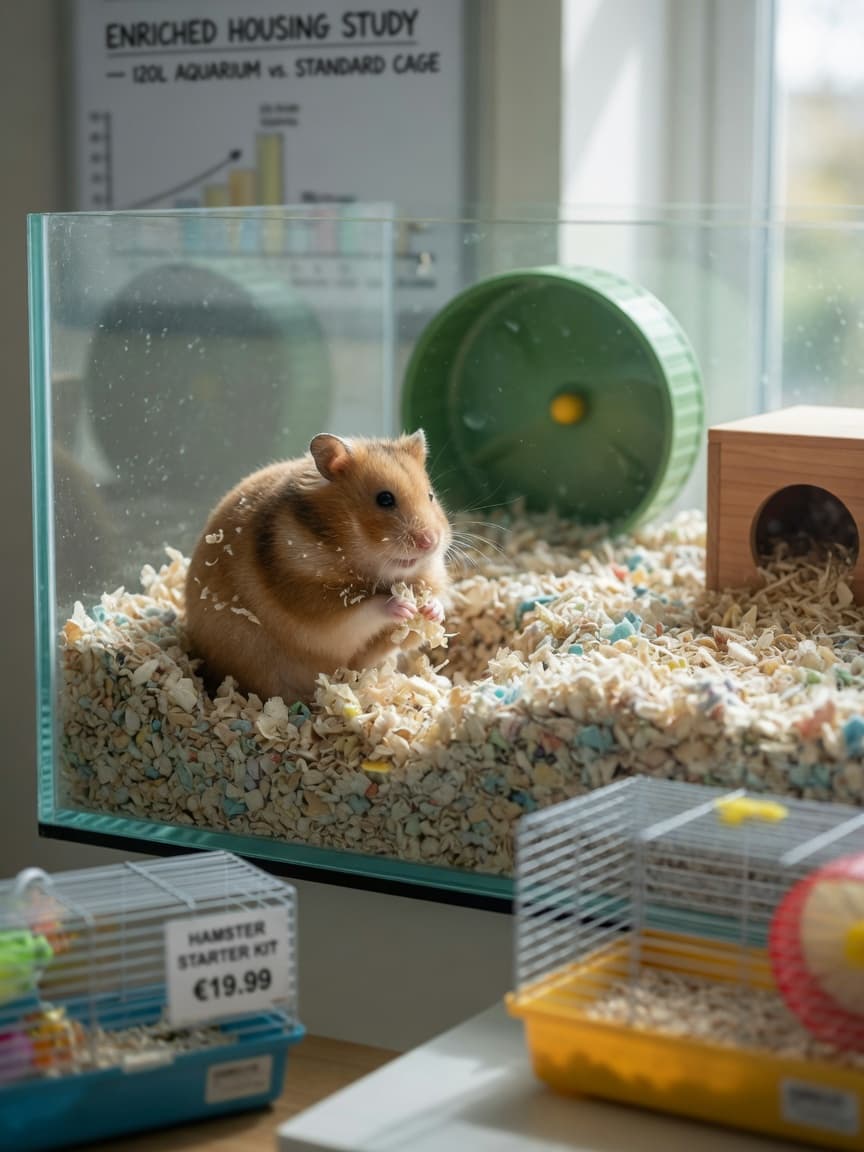
The term "hamster" covers several species with distinct care requirements. Understanding which species you're getting — and why it matters — is the…

Canine physiotherapy is the application of physical assessment and treatment techniques to manage musculoskeletal, neurological and post-surgical…

Barking is a completely normal and natural behaviour for dogs. It is one of their primary means of communication. The problem arises when barking…
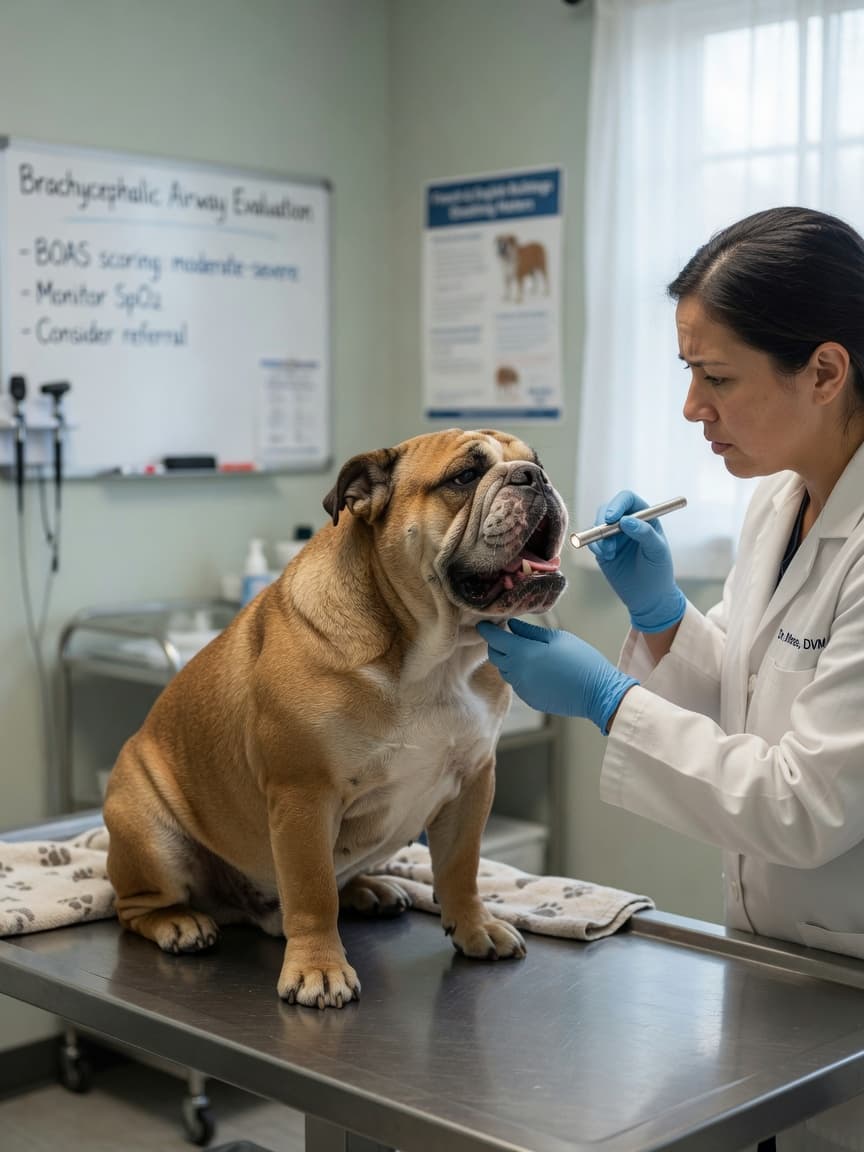
The English Bulldog is one of the most iconic dog breeds in the world, instantly recognised by its wrinkled face, stocky frame, and shuffling gait. Yet…

Clicker training is a reward-based training method that uses a small handheld device — the clicker — to mark the precise moment a dog performs a…

Feline lower urinary tract disease, commonly known as FLUTD, is not a single condition but rather an umbrella term covering several disorders that…
Free newsletter
Weekly science-backed advice for dog & cat owners. No spam, unsubscribe anytime.