
Hamster Care Guide: Syrian vs Dwarf & What Pet Stores Don't Tell You
Syrian vs Dwarf Hamsters: Choosing the Right Species
The term "hamster" covers several species with distinct care requirements. Understanding which species you're getting — and why it matters — is the first step to good ownership.
Syrian Hamsters (Mesocricetus auratus)
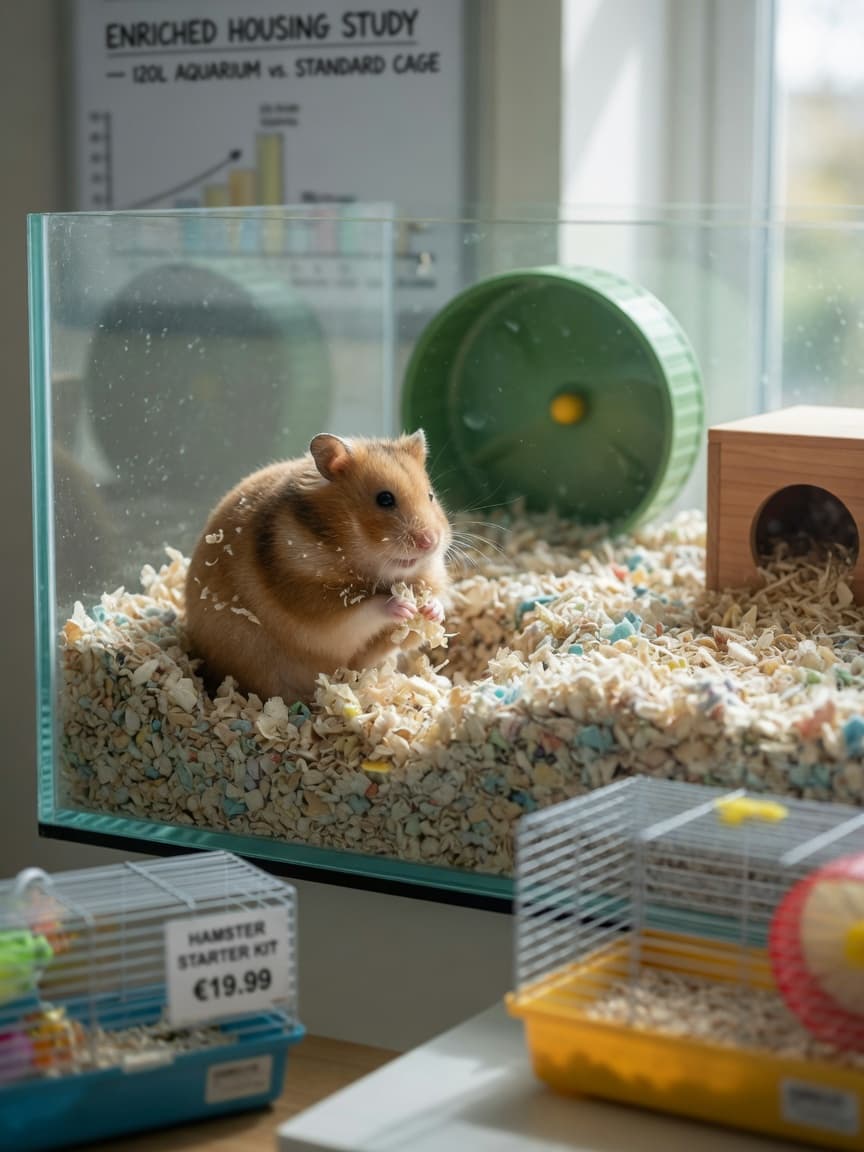
The largest and most commonly kept hamster, Syrians grow to 13–18cm and live 2–3 years. They are strictly solitary — housing two Syrians together, even briefly, will result in serious fighting and often fatal injury. Syrian hamsters are popular for their docile temperament once tamed, and their size makes them easier to handle than smaller species. They are primarily nocturnal, though domesticated individuals often become active in the early evening.
Dwarf Hamsters
The dwarf hamster group includes several distinct species:
- Campbell's Dwarf (Phodopus campbelli): Most commonly sold in pet shops, often mislabelled as "Russian Dwarf." Can sometimes be kept in same-sex pairs if bonded from youth, but fighting is common. Prone to diabetes — commercial seed mixes often contain far too much sugar for this species.
- Winter White / Djungarian (Phodopus sungorus): Similar to Campbell's but slightly more robust. Often hybridised in captivity with Campbell's, which can cause health complications.
- Roborovski Dwarf (Phodopus roborovskii): The smallest hamster species. Fast, skittish, and better as observation pets than handleable companions. Can be kept in pairs or small groups. Live slightly longer than Syrians at 3–3.5 years.
- Chinese Hamster (Cricetulus griseus): Not a true dwarf but often grouped with them. Longer, mouse-like tail, more climbing ability. Requires separate consideration.
The Cage Size Problem: What the Science Actually Says
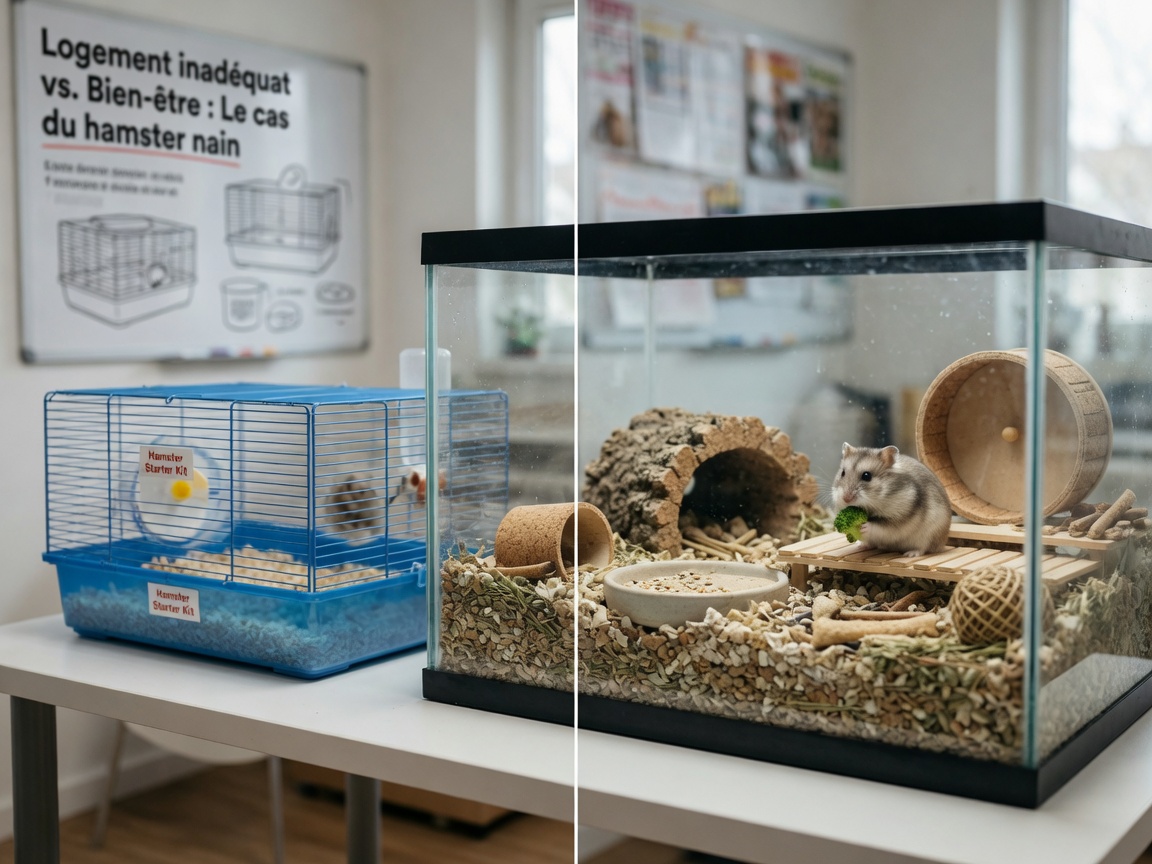
This is where most pet owners — and most pet stores — get it badly wrong. Research published in Science Daily (2019) based on work from the University of Guelph showed that hamsters in smaller enclosures display significantly higher rates of stereotypic behaviour (repetitive bar-chewing, route tracing) — a recognised indicator of chronic psychological stress.
The German Society for the Protection of Animals recommends a minimum floor area of 1,800 cm² (roughly 60cm × 30cm) as an absolute minimum, with 5,000 cm² or more considered appropriate. The UK-based RSPCA recommends a minimum of 80cm × 50cm. Most pet store "hamster homes" fall between 40cm × 25cm — half the minimum scientific recommendation.
The best enclosure options are:
- Large glass tanks (aquariums): 100L+ tanks repurposed as hamster enclosures offer excellent ventilation, no bar-chewing, and deep bedding capacity. Most popular choice among informed owners.
- Large bin cages (DIY): 110L+ storage boxes with ventilation cut into the lid. Inexpensive and effective.
- Approved IKEA hacks: The IKEA DETOLF glass cabinet, modified with a mesh lid, is a community favourite for Syrian hamsters.
Bedding: Deep Substrate Is Non-Negotiable
Hamsters are burrowing animals. In the wild, Syrian hamsters dig burrows up to 1 metre deep. In captivity, providing a minimum of 20–30cm of deep substrate allows them to express this natural behaviour and dramatically reduces stress. Paper-based bedding (Carefresh, Back 2 Nature, or plain white paper strips) is the safest option. Avoid cedar or pine shavings — the aromatic oils are toxic to small rodents and can cause respiratory damage and liver problems.
The enclosure should also include:
- A wheel of at least 28cm diameter for Syrians (smaller for dwarfs) — solid surface, no rungs that trap feet
- A hide/nest box with nesting material (plain tissue or hay)
- Sand bath (chinchilla-style sand, not dust) for natural grooming
- Digging area with deeper substrate
- Foraging opportunities — scatter feeding rather than bowl-feeding
Diet: The Seed Mix Trap
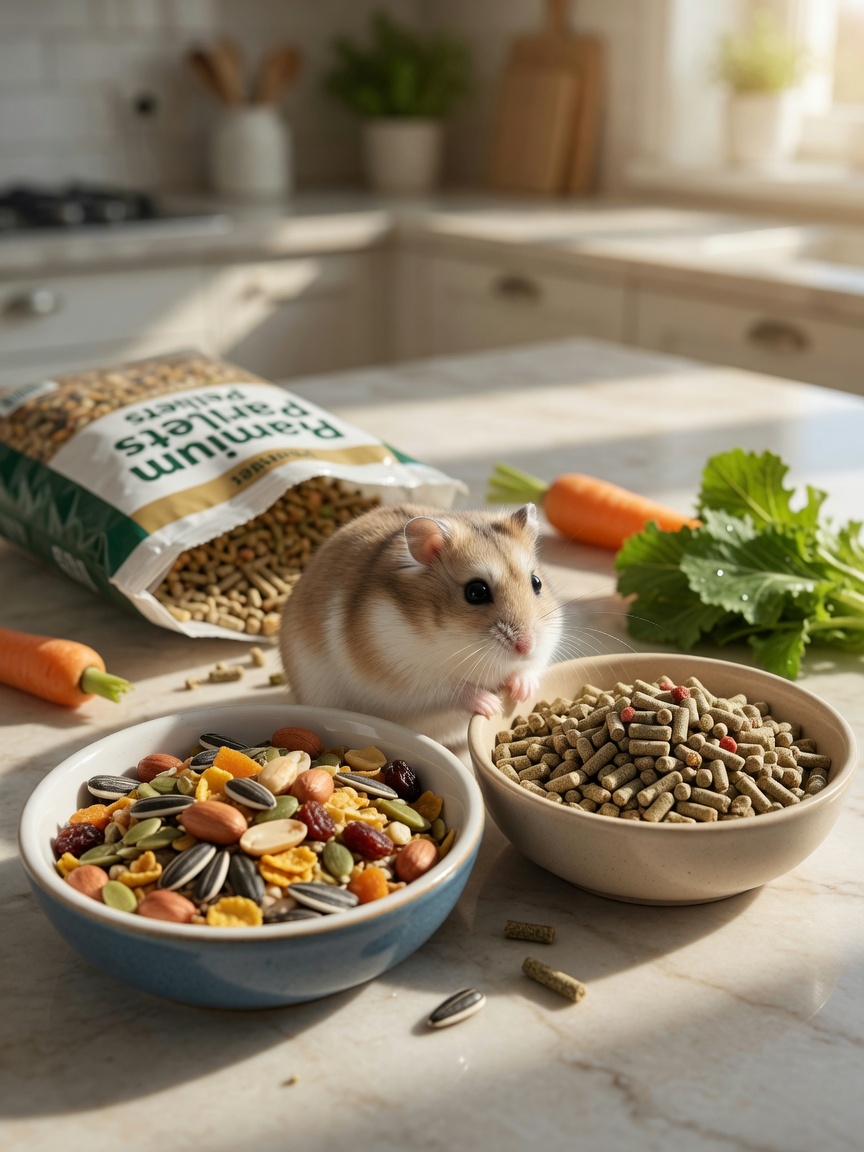
Commercially available hamster seed mixes are a marketing success and a nutritional disaster. They are typically high in sunflower seeds and peanuts, which are high in fat, and often contain sugary dried fruit and artificial colours. Hamsters, particularly Campbell's dwarfs, are extremely prone to diabetes when fed sugar-rich diets. Research on Phodopus campbelli demonstrates genetic susceptibility to diabetes that is exacerbated by carbohydrate-rich feeding.
A species-appropriate hamster diet includes:
- Base: High-quality hamster pellet or lab block (Oxbow Healthy Handfuls, Harry Hamster pellet) — complete nutrition without selective feeding
- Fresh vegetables (small amounts daily): Broccoli, carrot (in moderation), cucumber, courgette, plain cooked chicken or egg (protein source)
- Occasional treats: Plain mealworms (excellent protein source), a small piece of unseasoned cooked meat, plain unsalted nuts
- Avoid: Citrus fruits (too acidic), onion, garlic, grapes, raisins, sugary treats, iceberg lettuce (too high in water)
Hamsters have cheek pouches and will hoard food — check and remove fresh food from the enclosure regularly to prevent mould.
Taming and Handling
Hamsters are prey animals, and an untamed hamster will bite defensively. Taming requires patience. Start by letting the hamster smell your hand through the bars. Progress to placing your hand in the enclosure without reaching. Then allow them to crawl onto your palm voluntarily — never grab from above (mimics a predatory attack). Sessions should be short (5–10 minutes), in the early evening when they're naturally active, and always close to the floor to prevent fall injuries.
Biting is communication, not malice. A hamster that bites is telling you it's frightened. Never punish — simply put them down, wash your hands (blood smell can trigger further biting), and try again another day. Most hamsters can be reliably handled within 2–4 weeks of consistent, gentle effort.
Health Issues to Watch For
Hamsters are short-lived and age quickly. At 18 months, a hamster is entering middle age; at 2 years, they are geriatric. Common health problems include:
- Wet tail (proliferative ileitis): A bacterial infection causing severe diarrhoea, most common in recently weaned hamsters under stress. Fatal within 24–72 hours without treatment. A veterinary emergency.
- Diabetes: Particularly in Campbell's dwarfs. Signs include excessive drinking, urination, and weight loss despite eating. Managed with diet changes.
- Tumours: Extremely common in older hamsters, particularly mammary tumours in females and adrenal tumours. Surgical removal is possible depending on age and condition.
- Respiratory infection: Often from cedar/pine bedding, cold drafts, or bacterial infection. Symptoms include wheezing, lethargy, and discharge.
- Cheek pouch impaction or eversion: Caused by sticky foods (peanut butter, soft sweets) that get trapped or cause the pouch to evert. Requires veterinary correction.
Find an exotic vet before you need one. Not all vets are comfortable treating small rodents; a practice with rabbit and small mammal experience is preferable. The PDSA hamster health guide is a useful reference for monitoring signs of illness.
Recommended Supplies
Getting the right setup from day one makes hamster care significantly easier and prevents the most common welfare mistakes. Look for deep bedding options, appropriately sized wheels, and enclosures with the space your hamster actually needs.
Shop hamster supplies at Zooplus → — enclosures, bedding, wheels, and food at competitive prices, often stocking brands unavailable in physical pet stores.
Key Takeaways
- Syrian hamsters are solitary — never house two together under any circumstances.
- Minimum cage size is 1,800 cm² floor space; aim for 5,000 cm² or more for good welfare.
- Provide 20–30cm of deep paper-based bedding — burrowing is a biological need, not a preference.
- Avoid seed mixes and sugary treats, particularly for Campbell's dwarfs prone to diabetes.
- Wet tail is a same-day veterinary emergency — diarrhoea in a hamster is never "wait and see."
- Find an exotic vet before your hamster needs one; many general practices have limited small rodent experience.
References
- PubMed: Evaluation of enclosure size and enrichment on stereotypic behaviour in Syrian hamsters. Applied Animal Behaviour Science, 2011.
- PubMed: Diabetes mellitus in Phodopus campbelli: effects of diet. Laboratory Animal Science, 1991.