
How Common Is Diabetes in Cats?
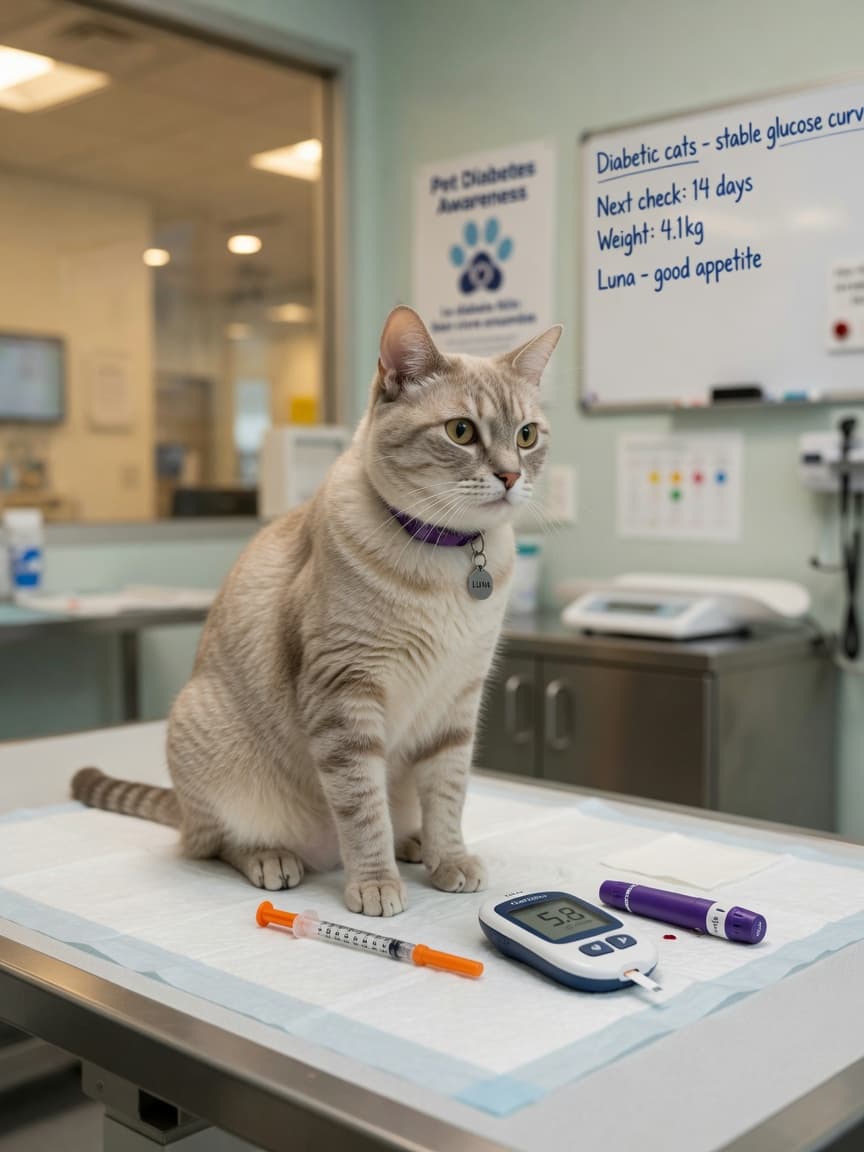
Feline diabetes mellitus is a growing concern in cats across Europe, with prevalence estimated at between one in 50 and one in 200 cats, depending on the population studied. The condition has become more common over recent decades, a trend linked to increasing rates of obesity, reduced physical activity, and diets high in carbohydrates — particularly in indoor cats fed predominantly dry kibble. Neutered male cats and older cats are at highest risk, with most diagnoses occurring in cats over eight years of age.
Unlike the situation in dogs, feline diabetes shares many characteristics with human type 2 diabetes, in which insulin resistance plays a significant role alongside progressive beta-cell dysfunction. This distinction is important because it opens the possibility of diabetic remission — something rarely achievable in dogs — when the condition is identified and managed early and aggressively.
Recognising the Signs of Feline Diabetes
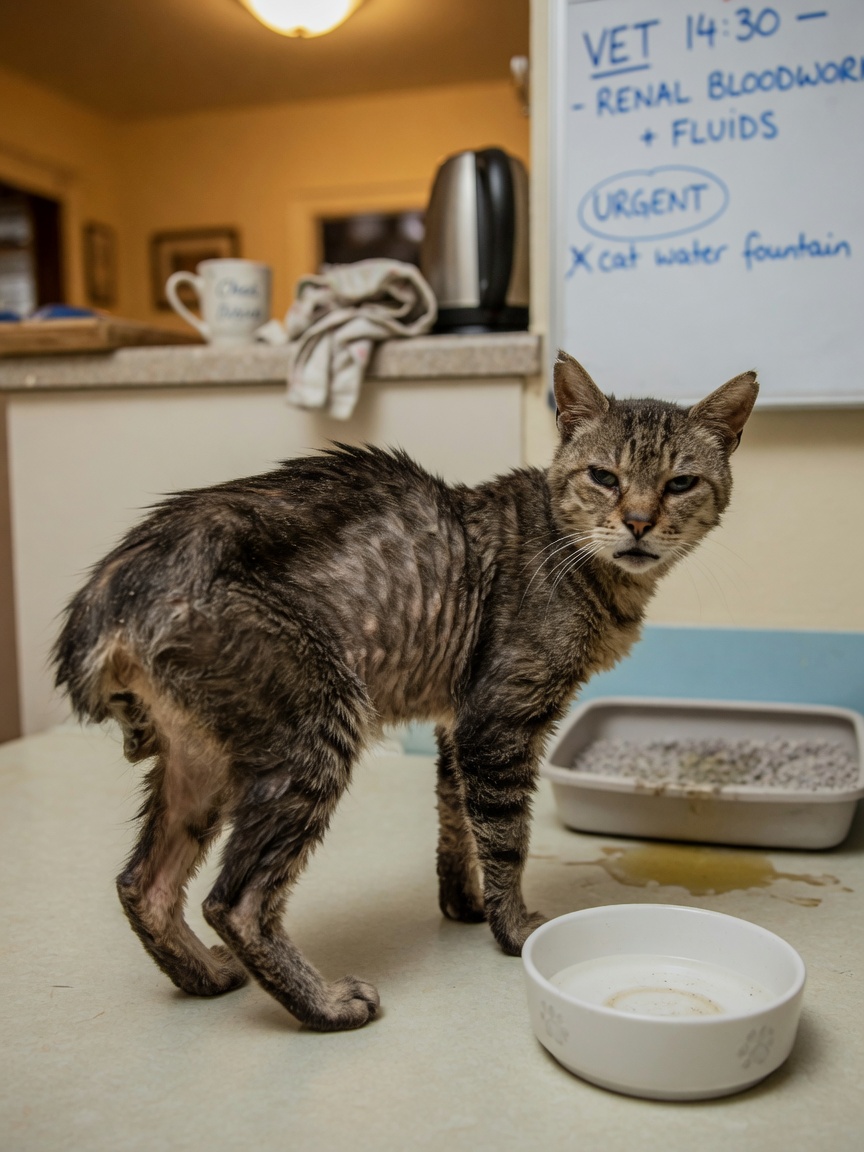
The signs of diabetes in cats develop gradually and can be easy to overlook or attribute to ageing or other causes. The classic presentation involves four key features, sometimes described by the acronym PU/PD/PP/PW — polyuria (excessive urination), polydipsia (excessive thirst), polyphagia (increased appetite), and weight loss.
You may notice the litter tray becoming much wetter than usual, or that your cat is visiting the water bowl far more frequently. Despite eating well or even more than usual, the cat loses weight — often first noticeable as muscle wasting over the spine and hindquarters. As the condition progresses, energy levels decline, and the coat may become dull and poorly groomed.
One sign particular to feline diabetes is plantigrade stance — a weakness in the hind legs that causes the cat to walk on the hocks rather than the pads of the feet. This occurs due to peripheral neuropathy, nerve damage caused by prolonged high blood glucose levels. It is an important sign to be aware of, as it indicates the diabetes has been present and uncontrolled for some time. With effective treatment, many cats recover partial or full hindlimb strength, particularly when intervention begins promptly.
Diagnosis and Initial Assessment
Diagnosis is based on finding persistent hyperglycaemia (elevated blood glucose) alongside glucosuria (glucose in the urine). In cats, this requires some care, as stress alone — such as the stress of a veterinary visit — can cause a transient rise in blood glucose known as stress hyperglycaemia. Measuring fructosamine levels, which reflect average blood glucose over the preceding two to three weeks, helps confirm that hyperglycaemia is genuine rather than stress-related.
Your vet will run a full blood panel and urinalysis to assess for concurrent conditions commonly associated with feline diabetes, including urinary tract infections, pancreatitis, hepatic lipidosis, and hyperthyroidism. Identifying and treating these concurrent problems is important for achieving good diabetic control.
Insulin Therapy in Cats
Most diabetic cats require twice-daily insulin injections. Insulin types and doses suitable for cats differ from those used in dogs and humans, and your vet will select the most appropriate preparation. Glargine and ProZinc (protamine zinc insulin) are among the long-acting insulins commonly used in cats across Europe and are associated with better outcomes and higher rates of remission than older preparations.
The goal of insulin therapy is to maintain blood glucose within a target range that minimises both hyperglycaemia and the risk of hypoglycaemia. Home glucose monitoring — using a glucometer on small blood samples from the ear or paw pad, or increasingly using continuous glucose monitoring devices — provides vital data to guide dose adjustments. Most diabetic cat owners become adept at this within a few weeks and find that a structured monitoring routine greatly improves their confidence in managing the condition.
The Role of Diet in Feline Diabetes
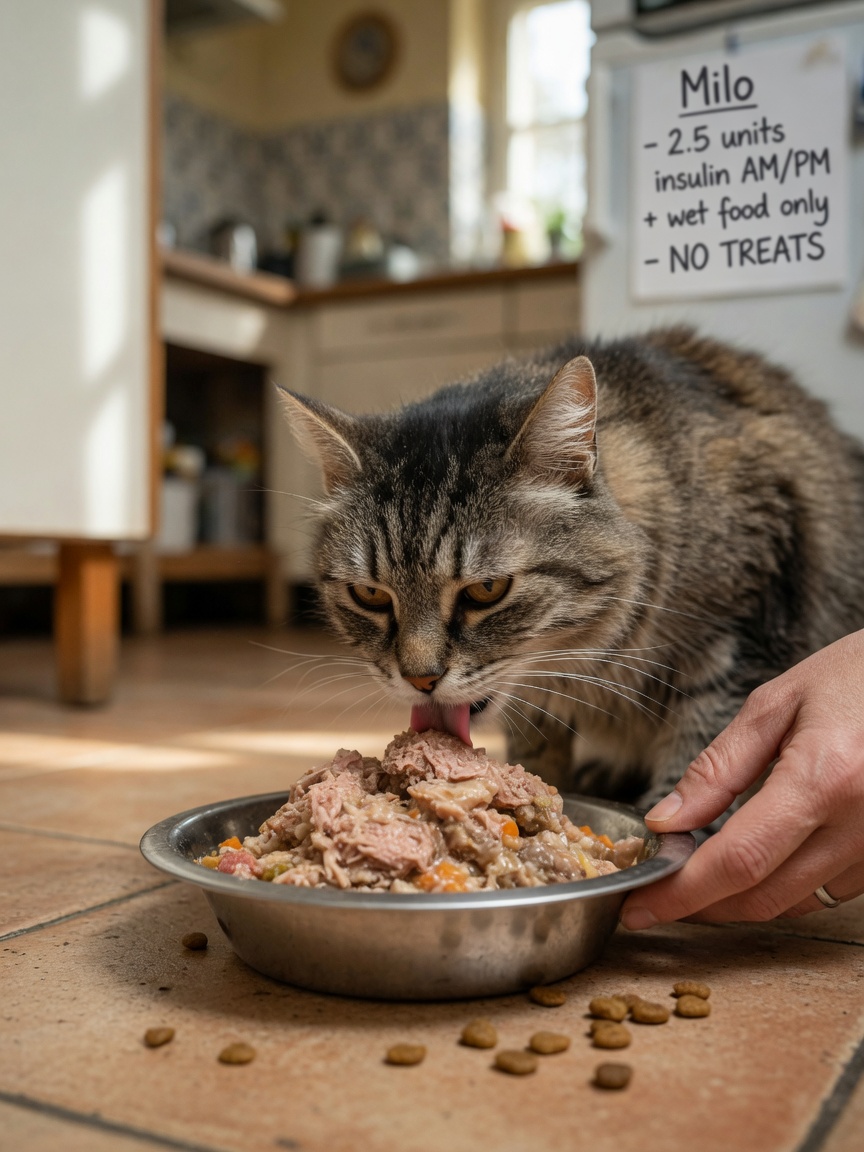
Diet is a critically important component of feline diabetes management, arguably more so than in dogs. Cats are obligate carnivores whose metabolism is poorly adapted to processing large amounts of dietary carbohydrate. High-carbohydrate diets — particularly dry kibble — contribute to post-meal glucose spikes that make diabetic control more difficult.
A low-carbohydrate, high-protein diet — typically a wet food or prescription diabetic diet — is strongly recommended by most feline diabetes specialists. This dietary approach reduces glucose spikes, improves insulin sensitivity, and is associated with significantly higher rates of diabetic remission. The transition to a new diet should be gradual and supervised by your vet, particularly if the cat is receiving insulin, as dietary changes affect glucose levels and may necessitate dose adjustments. Zooplus stocks a range of high-protein, low-carbohydrate wet cat foods and veterinary prescription diets suitable for diabetic cats.
Diabetic Remission in Cats
One of the most encouraging aspects of feline diabetes is the possibility of remission, in which blood glucose returns to normal and insulin injections can be discontinued. Remission occurs in an estimated 25 to 100 per cent of cats, depending on how early treatment begins, the insulin preparation used, dietary management, and whether concurrent conditions have been addressed.
The highest rates of remission are seen in cats treated promptly after diagnosis with a long-acting insulin and a low-carbohydrate diet, with tight glucose control from the outset. Remission typically occurs within the first three to six months of treatment. Even in remission, regular monitoring is essential, as many cats relapse at some point, particularly following periods of illness, stress, or dietary change.
Living with a Diabetic Cat
Managing a diabetic cat requires commitment and routine, but the rewards — a comfortable, active, and well cat — are substantial. Keep feeding times, insulin injections, and glucose checks at consistent intervals every day. Watch for signs of hypoglycaemia (weakness, wobbling, disorientation), which require immediate intervention with a small amount of glucose or honey rubbed onto the gums followed by urgent veterinary contact.
Most diabetic cats are managed successfully in the home environment with minimal impact on their quality of life. Regular check-ups every three to six months — or more frequently during the adjustment phase — allow your vet to refine the management plan as the cat's needs evolve.