
What Is FLUTD and Why Does It Matter?
Feline lower urinary tract disease, commonly known as FLUTD, is not a single condition but rather an umbrella term covering several disorders that affect the bladder and urethra in cats. It is one of the most frequently diagnosed problems in domestic cats, particularly those kept indoors, and it accounts for a significant proportion of feline veterinary visits each year.
Understanding FLUTD properly requires looking beyond the label. The causes vary enormously from one cat to the next, which means that two cats presenting with nearly identical symptoms may need entirely different treatments. Getting to the root cause is essential for any meaningful long-term management.
The Main Causes Behind FLUTD
Veterinary research consistently identifies feline idiopathic cystitis (FIC) as the most common underlying cause of FLUTD, accounting for roughly 55 to 65 percent of cases. The term "idiopathic" means there is no identifiable physical cause — no infection, no stones, no structural abnormality. Instead, FIC is strongly linked to stress, environmental factors, and the complex interplay between the nervous system and the bladder wall.
Beyond FIC, other established causes include:
- Urolithiasis — the formation of mineral crystals or stones in the bladder
- Urethral plugs — soft accumulations of debris, mucus, and crystals that can block the urethra
- Bacterial urinary tract infections, which are far more common in older cats and those with underlying conditions such as diabetes or kidney disease
- Urethral strictures or anatomical abnormalities
- Neoplasia, though this is relatively rare
In cats under ten years old, bacterial infections alone are actually quite uncommon, representing fewer than 5 percent of FLUTD cases in that age group. This is an important distinction, because it means antibiotics are frequently overprescribed for younger cats presenting with urinary symptoms.
Recognising the Symptoms
The clinical signs of FLUTD can range from mildly inconvenient to genuinely life-threatening, depending on the underlying cause and whether a blockage is involved. Common symptoms include:
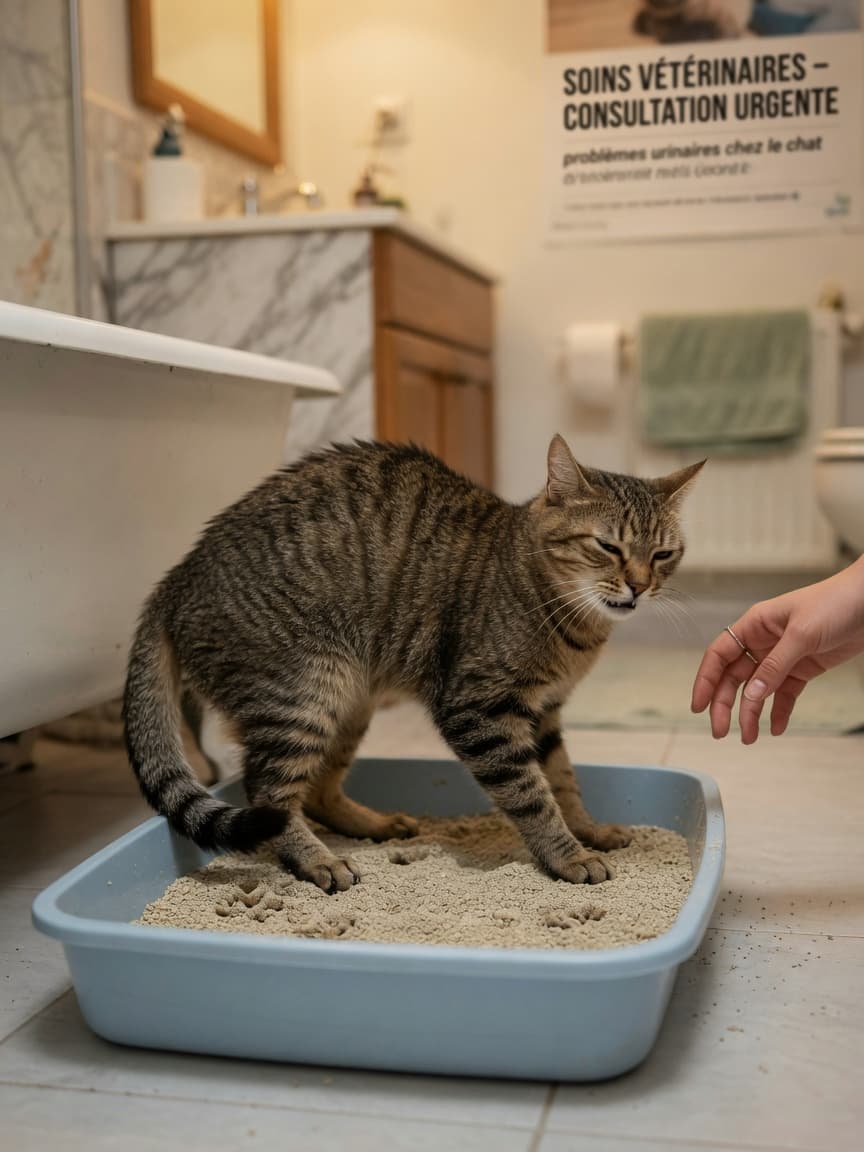
- Straining to urinate, often producing only small amounts or nothing at all
- Frequent trips to the litter tray with little success
- Vocalising or showing visible discomfort during urination
- Blood in the urine, which may appear as pink or red discolouration
- Excessive licking of the genital area
- Urinating outside the litter box, sometimes on cool surfaces such as tiles or baths
A cat that is straining but producing no urine at all is a medical emergency. A complete urethral blockage can lead to a ruptured bladder or fatal kidney failure within 24 to 48 hours if left untreated. Any cat showing this sign needs immediate veterinary attention — do not wait and see.
Diagnosis: Why It Cannot Be Guesswork
Because so many different conditions fall under the FLUTD umbrella, a proper diagnosis is not optional. Your vet will typically begin with a detailed history, including diet, water intake, household dynamics, and any recent changes in the cat's environment. This is followed by a physical examination and, in most cases, urinalysis.
Urinalysis evaluates the pH of the urine, the presence of crystals, red or white blood cells, and bacteria. Urine culture confirms or rules out infection. Imaging — whether X-ray or ultrasound — helps identify stones, structural abnormalities, or thickening of the bladder wall consistent with FIC. This combination of tests is what separates effective treatment from educated guessing.
Long-Term Management Strategies
Dietary Modification
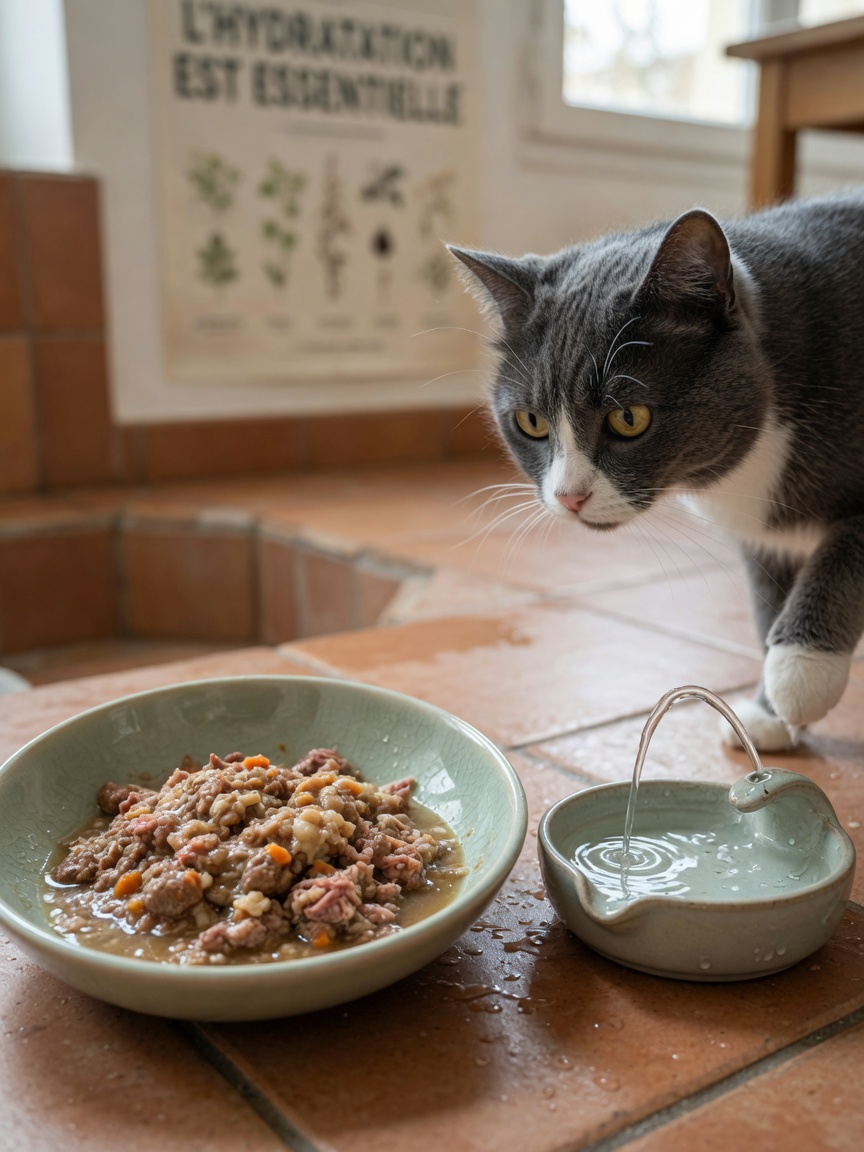
Diet plays a central role in managing virtually every form of FLUTD. Increasing moisture intake is one of the most consistently recommended interventions across the board. Wet food increases daily fluid consumption substantially compared to dry kibble, helping to dilute the urine and reduce the concentration of minerals that form crystals or stones. Prescription urinary diets are available for cats with confirmed struvite or oxalate stones and are formulated to shift urinary pH and mineral levels accordingly.
Environmental Enrichment for FIC
Since stress is a primary driver of feline idiopathic cystitis, environmental modifications are a cornerstone of FIC management. The multimodal environmental modification protocol, often abbreviated as MEMO, is a structured approach developed by researchers at the Ohio State University College of Veterinary Medicine. It focuses on reducing conflict between cats in multi-cat households, providing adequate hiding spaces, vertical territory, regular interactive play, and consistent routines.
Even subtle stressors — a new piece of furniture, a neighbour's cat visible through a window, or a change in the owner's work schedule — can trigger recurrence. Identifying and minimising these triggers over time significantly reduces flare-up frequency.
Increasing Water Intake
Beyond switching to wet food, other practical strategies to encourage drinking include water fountains (many cats prefer moving water), multiple water stations placed away from food bowls, and using wide, shallow bowls to avoid whisker fatigue. Some cats will drink more when water is offered at room temperature rather than refrigerated.
Medication and Supplements
In acute FIC episodes, short-term pain relief using veterinary-prescribed NSAIDs or other analgesics can help manage discomfort while the episode resolves. Long-term pharmaceutical interventions are generally reserved for cats with frequent, severe episodes. Amitriptyline, a tricyclic antidepressant, has shown some benefit in reducing FIC recurrence in cats with particularly severe or frequent episodes, though it is not a first-line treatment.
Glycosaminoglycan supplements, which aim to support the protective mucus lining of the bladder, are used in some practices, though the evidence base is still developing. Nutritional supplements containing L-tryptophan or alpha-casozepine have shown some promise as mild anxiolytics to support stress management in cats prone to FIC.
The Importance of Follow-Up
FLUTD is rarely a one-and-done diagnosis. Many cats experience recurring episodes, particularly those with FIC or a predisposition to crystal formation. Regular follow-up urinalysis, monitoring of body weight, and ongoing assessment of environmental factors are all part of responsible long-term management. Owners who understand the chronic nature of the condition and work closely with their vet are far better placed to catch early warning signs and intervene before a minor flare becomes a serious crisis.