
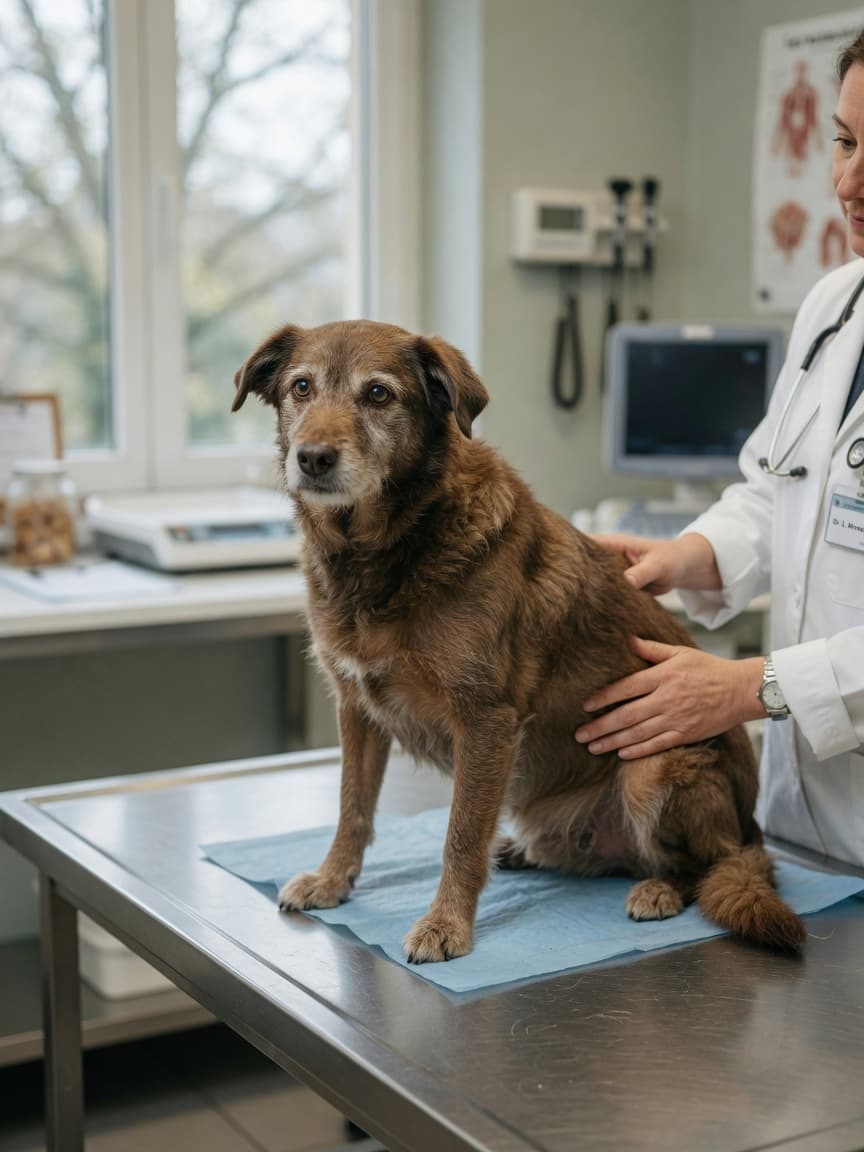
When Is a Dog Considered Senior?
There is no single age at which all dogs cross the threshold into their senior years — this varies considerably depending on breed and body size. As a general guide, small and toy breeds are often considered senior from around 10 to 12 years of age, medium breeds from around 8 to 10 years, and large and giant breeds — such as German Shepherds and Labrador Retrievers — may be considered senior from as early as 6 to 7 years of age. Giant breeds have particularly shortened lifespans relative to smaller dogs, and their health needs shift earlier accordingly.
Understanding when your dog is entering their senior life stage is important because it allows you to adapt their care, increase veterinary monitoring, and catch age-related conditions early — when intervention is most effective. Think of this not as a sad milestone but as an opportunity to give your dog the attentive, tailored care they deserve in their later years.
Key Health Checks for Senior Dogs
Dental Health
Dental disease is extremely common in older dogs and is frequently underestimated by owners. Periodontal disease — involving the gums, tooth roots, and supporting bone — causes pain, difficulty eating, and can contribute to systemic health problems affecting the heart and kidneys. Signs to watch for include bad breath, reluctance to eat hard food, drooling, pawing at the mouth, or visible tartar and inflamed gums. Your vet should assess your dog's teeth at every check-up, and professional dental cleaning under anaesthesia may be recommended periodically. Daily tooth brushing at home, ideally using a dog-specific toothpaste, remains the most effective preventive measure.
Joints and Mobility
Osteoarthritis is one of the most prevalent conditions in senior dogs. It develops gradually and dogs are often very good at compensating for discomfort, which means owners may not notice the problem until it is quite advanced. Watch for subtle early signs: reluctance to jump into the car or onto furniture, stiffness when getting up after rest, a shorter stride, or reduced enthusiasm for walks. Breeds such as the Labrador Retriever and Golden Retriever are particularly prone to hip and elbow dysplasia, which can accelerate arthritis. Maintaining a healthy body weight is one of the most powerful ways to slow joint deterioration and reduce pain.
Weight and Body Condition
Both obesity and unexplained weight loss are significant concerns in senior dogs. Older dogs often become less active, and if calorie intake is not adjusted, weight gain is common. Excess weight worsens arthritis, strains the heart, and reduces quality of life. Conversely, unexplained weight loss in a senior dog should always prompt a veterinary investigation, as it can indicate conditions such as kidney disease, cancer, diabetes, or gastrointestinal problems. Check your dog's body condition monthly by feeling their ribs — you should be able to feel them easily but they should not be visibly prominent.
Cognitive Function
Canine cognitive dysfunction syndrome (CDS) — sometimes compared to dementia in humans — affects a significant proportion of older dogs. Signs include disorientation, getting stuck in corners, changes in sleep patterns (waking at night, sleeping more during the day), loss of house training, reduced interaction with family members, and apparent loss of learned commands. CDS cannot be cured, but early diagnosis allows for management strategies including dietary supplements containing antioxidants and medium-chain triglycerides, environmental enrichment, and in some cases medication. If you notice any of these signs, mention them to your vet.
Vision and Hearing
A degree of vision and hearing loss is a normal part of ageing in dogs. Nuclear sclerosis — a bluish haziness of the lens — is often mistaken for cataracts and does not significantly impair vision. True cataracts, however, can cause blindness and may be treatable surgically in appropriate cases. Reduced hearing may become apparent if your dog stops responding to their name or to sounds they previously reacted to. Dogs adapt remarkably well to sensory losses with patience and gentle adjustments at home — using hand signals instead of vocal commands, for example, or ensuring a partially sighted dog's environment remains consistent and predictable.
Recommended Vet Visit Frequency
WSAVA recommends that senior dogs are seen by a vet at least every six months rather than the annual visits that may have been sufficient when they were younger. Age-related conditions can progress rapidly, and six-monthly health assessments allow for earlier detection and intervention. These visits should include a full physical examination, discussion of any changes in behaviour or appetite, blood pressure measurement, and in most cases blood and urine tests to assess organ function and screen for conditions such as diabetes, kidney disease, and thyroid abnormalities. Early detection makes a genuine difference to outcomes.
Common Senior Conditions to Watch For
- Arthritis and joint disease
- Chronic kidney disease
- Heart disease (particularly in certain breeds)
- Diabetes mellitus
- Hypothyroidism
- Cancer (the most common cause of death in older dogs)
- Canine cognitive dysfunction syndrome
- Cushing's disease (hyperadrenocorticism)
- Dental and periodontal disease
Diet and Nutrition for Senior Dogs
Nutritional needs change as dogs age. Senior dogs often benefit from diets that are moderately reduced in calories to account for their lower activity levels, but this varies depending on the individual dog's condition. Some senior dogs actually require higher protein intake to maintain muscle mass. Diets specifically formulated for senior dogs typically take these changing requirements into account, and some are designed to support joint health with added omega-3 fatty acids, glucosamine, and chondroitin.
If your senior dog has a specific health condition such as kidney disease, heart disease, or diabetes, a prescription diet tailored to that condition is often recommended by your vet. Do not make significant dietary changes without discussing them with your vet first, as what is appropriate varies enormously between individuals. Zooplus offers a good selection of senior dog food and joint health supplements that can complement a veterinary nutrition plan, with a range of options across different brands and formats to suit even fussy older dogs.
Exercise and Enrichment in Later Life
Senior dogs still need regular exercise, but the type and intensity should be adapted to their capabilities. Shorter, more frequent walks are often better than one long outing, particularly for dogs with joint disease. Swimming is an excellent low-impact option if your dog enjoys water. Mental stimulation remains important throughout life — puzzle feeders, gentle training sessions, and sensory enrichment such as sniff walks can keep an older dog's mind engaged without placing undue physical demands on them.
Be led by your dog. Some days they may be full of energy; on others they may prefer a gentle potter around the garden. Respecting their pace and capacity is a kindness, and maintaining whatever level of activity they can comfortably manage is one of the greatest gifts you can give them in their senior years.