
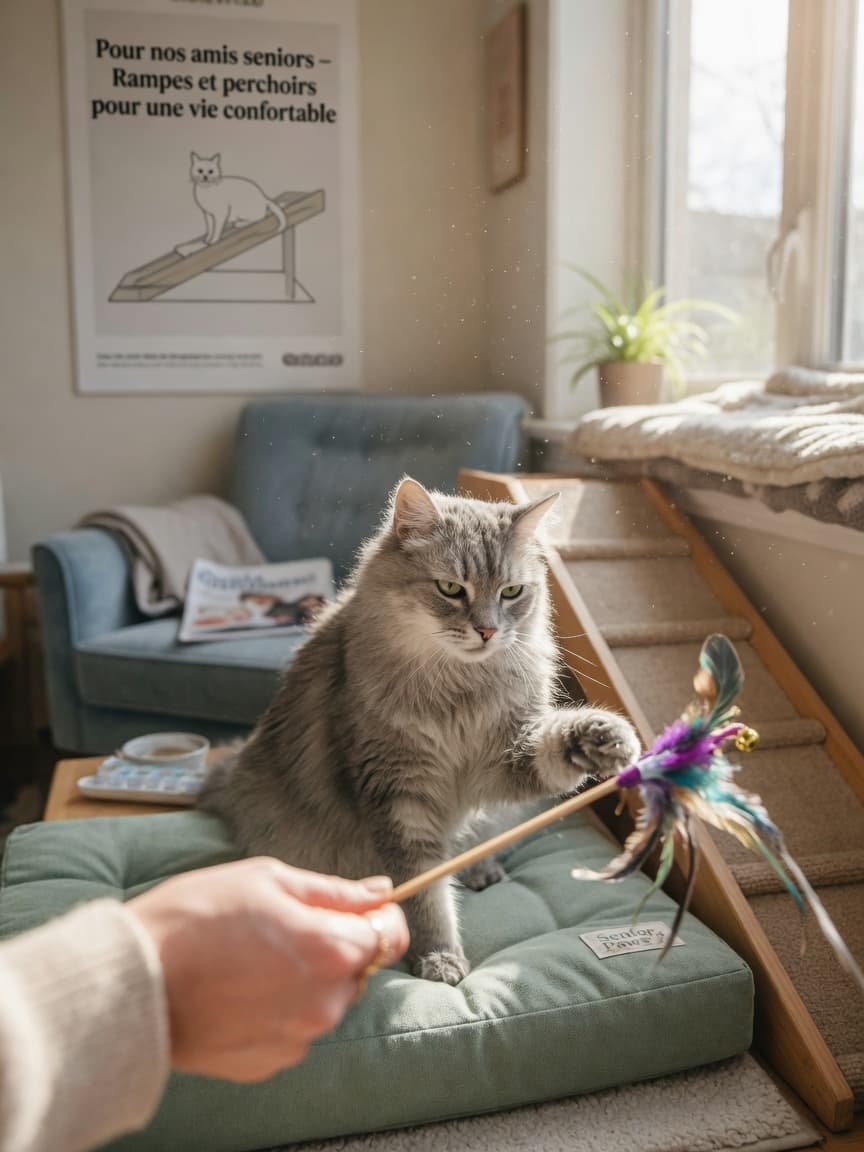
As our feline companions enter their golden years, many pet owners notice a gradual decline in activity levels. However, keeping your senior cat mentally and physically stimulated is crucial for maintaining muscle tone, cognitive function, and overall quality of life. The good news? With a few thoughtful adjustments to your routine and environment, you can help your older cat stay engaged and active well into their senior years.
Understanding Age-Related Changes in Senior Cats
Cats are typically considered senior from around age 11 onwards, though this varies by individual. During this stage, your cat may experience reduced flexibility, slower metabolism, and decreased energy levels. However, these changes don't mean your cat wants to do nothing but sleep. Research shows that mental and physical activity helps senior cats maintain healthier body weight, preserve muscle mass, and support cognitive health.
Adapt the Environment for Easy Movement
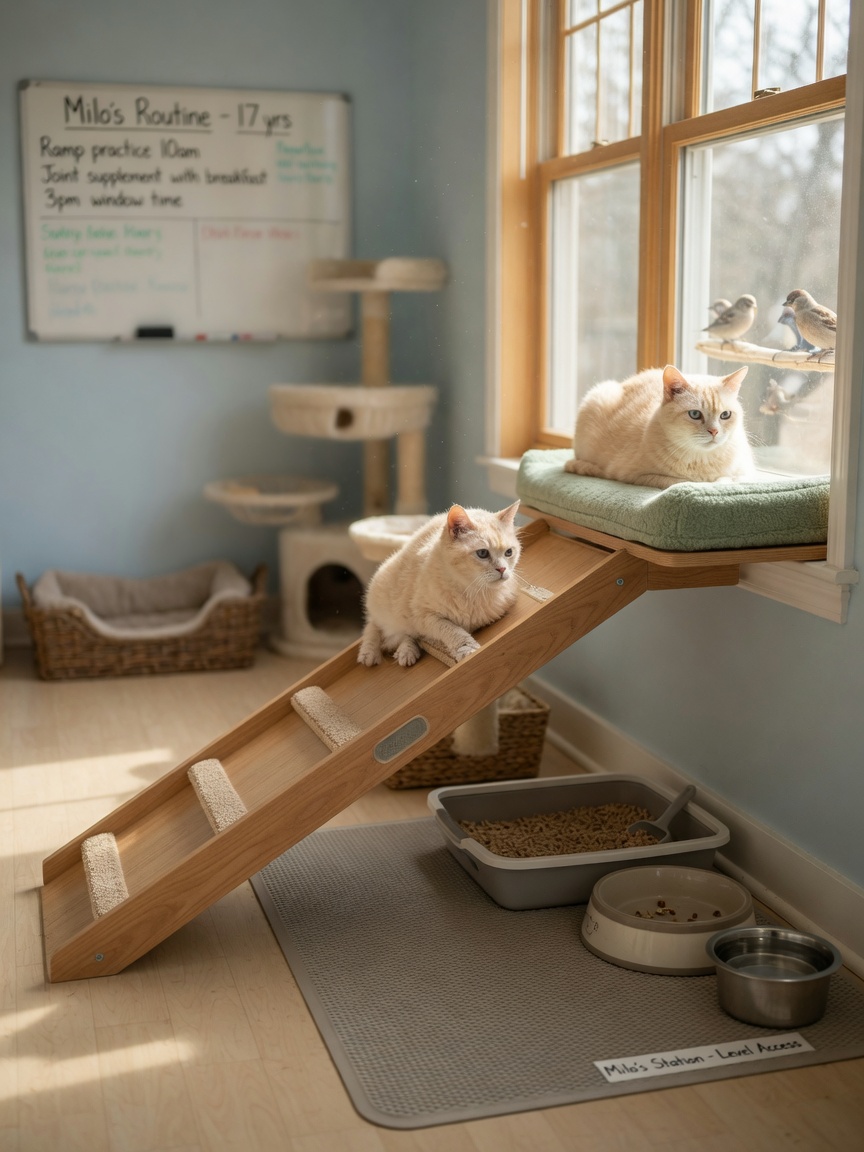
Your home should work with your senior cat, not against them. Simple environmental modifications can make a significant difference:
- Place litter boxes, food bowls, and water dishes on the same level to minimise climbing
- Use ramps or steps leading to favourite perches and windows
- Ensure pathways are clear and free from hazards
- Position cat furniture at lower heights or create a stepped approach to higher areas
- Use non-slip mats on smooth flooring to prevent slipping
Choose Low-Impact Play and Exercise
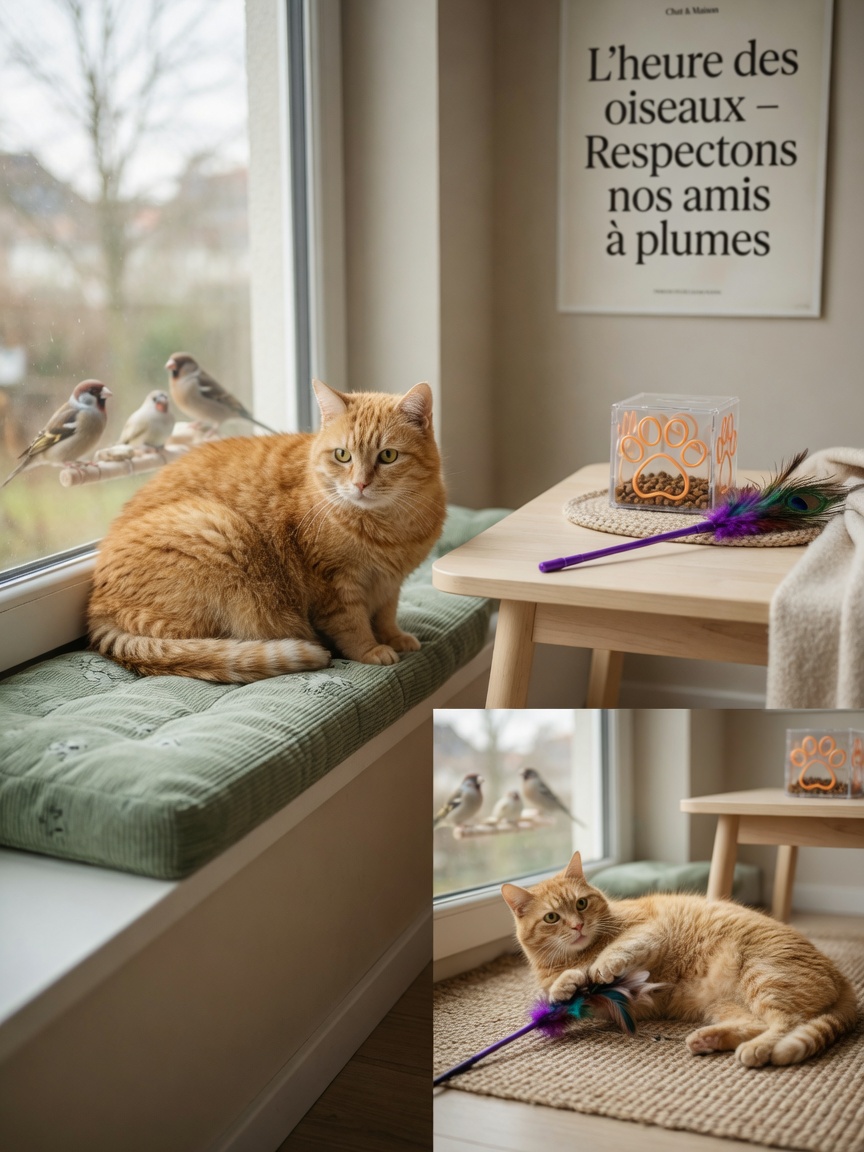
Senior cats need activity, but it should be gentle and engaging rather than intense. The key is short, frequent play sessions rather than marathon activities. Consider these options:
- Feather wands and strings: These allow cats to engage their hunting instincts without excessive jumping. Keep sessions to 5-10 minutes, twice daily.
- Puzzle feeders: Mental stimulation through food-dispensing toys encourages movement and problem-solving.
- Window perches: Bird watching from a comfortable, accessible window provides entertainment without physical exertion.
- Interactive laser pointers: Use these sparingly, as they can frustrate cats when they can't "catch" anything.
Encourage Natural Behaviours
The most effective way to keep senior cats active is through activities that tap into their natural instincts. Cats are curious creatures, so provide opportunities for gentle exploration and hunting play. Rotating toys weekly helps maintain interest, and placing treats in different locations around your home encourages exploration and movement throughout the day.
Maintain Proper Nutrition and Weight
A healthy weight directly impacts your senior cat's mobility and willingness to move. Feed high-quality, age-appropriate food that supports muscle maintenance without excessive calories. Consult your veterinarian about the right portion sizes for your cat's individual needs. Proper hydration is equally important, so ensure fresh water is readily available throughout your home.
Monitor Health and Adjust Accordingly
Pain from arthritis, dental disease, or other conditions can make your cat reluctant to move. Regular veterinary check-ups become increasingly important with age. If your cat seems less active than usual, discuss this with your vet—pain management or targeted treatments might be beneficial. Some senior cats benefit from supplements supporting joint health, though always consult your veterinarian first.
Key Takeaways for an Active Senior Cat
- Keep play sessions short but frequent—quality over quantity
- Modify your home to reduce physical barriers and effort required for movement
- Provide mental stimulation through interactive toys and puzzle feeders
- Maintain a healthy weight through proper nutrition
- Schedule regular veterinary check-ups to identify and manage age-related issues
- Be patient and celebrate small victories in keeping your senior cat engaged
Your senior cat may move a bit slower these days, but with patience, creativity, and care, you can help them remain an active, engaged, and happy member of your household throughout their golden years.