
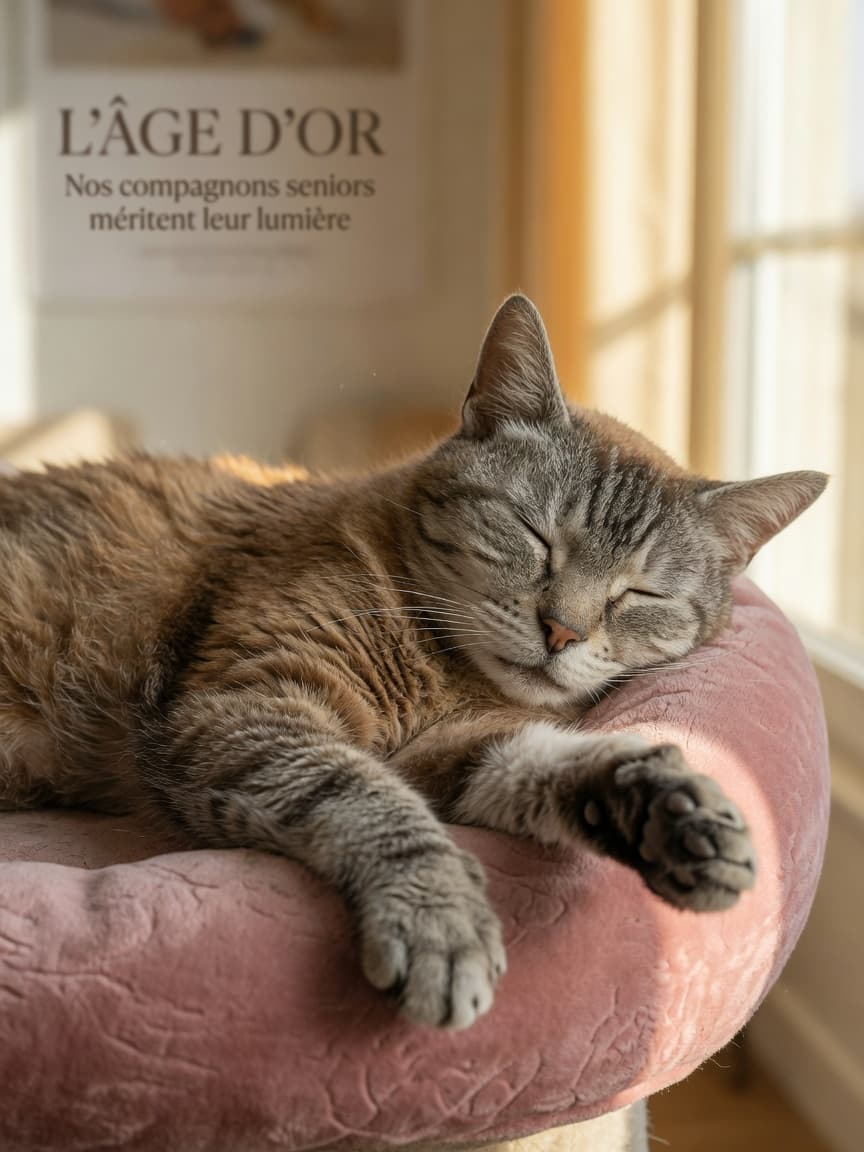
Our feline companions seem to age gracefully, but there comes a time when we notice our once-energetic cat moving a bit slower, sleeping more, or becoming pickier about food. Understanding when your cat enters their senior years and what changes to expect is crucial for providing the best possible care during this special life stage. Senior cats deserve tailored healthcare, nutrition, and attention to ensure their golden years are comfortable and fulfilling.
At What Age Does a Cat Become Senior?
The traditional belief that one cat year equals seven human years is largely a myth. Modern feline medicine recognises that cats age differently than dogs, and individual variation is significant. Most veterinarians consider a cat to be senior when they reach approximately 11-12 years of age. However, some cats are classified as "geriatric" once they reach 15 years or older.
That said, your cat's breed, genetics, lifestyle, and overall health significantly influence when they enter their senior phase. Some cats may show signs of ageing earlier, whilst others remain youthful well into their teenage years. Rather than relying solely on chronological age, it's helpful to observe behavioural and physical changes that indicate your cat is transitioning into their senior years.
Physical Changes to Expect
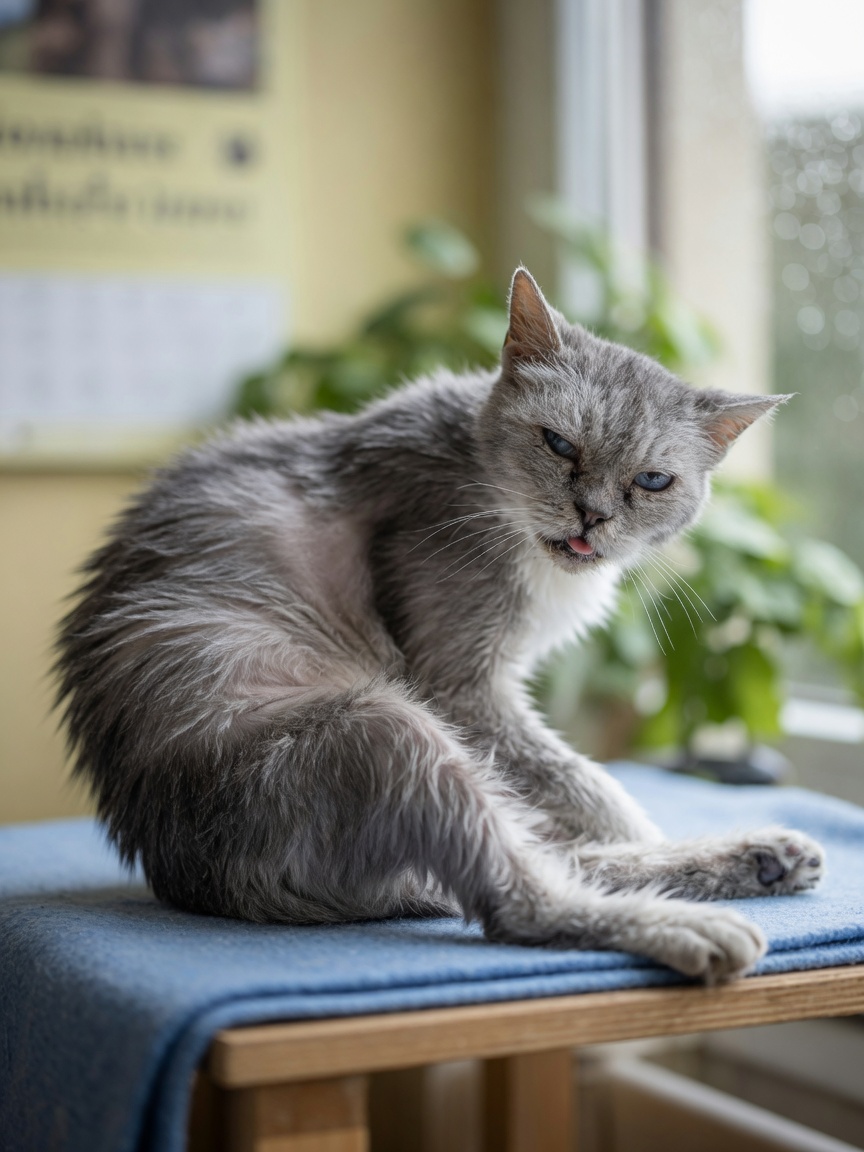
As cats age, several physical changes typically become apparent:
- Reduced mobility: Arthritis becomes more common, affecting joints and making jumping, climbing, and grooming more challenging
- Weight fluctuations: Senior cats often lose muscle mass and may become either underweight or overweight
- Coat changes: The fur may become duller, thinner, or greyer, particularly around the face and ears
- Dental issues: Tooth decay and gum disease increase in frequency, affecting eating habits
- Eye changes: Cataracts or lens cloudiness may develop, though this doesn't necessarily impair vision significantly
- Sensory decline: Vision and hearing may diminish, though cats often compensate remarkably well
Behavioural Changes in Senior Cats
Beyond physical signs, you'll likely notice shifts in how your cat behaves and interacts:
- Increased sleeping (up to 20 hours daily, compared to the typical 12-16)
- Reduced activity levels and reluctance to play
- Changes in litter box habits, including increased frequency or accidents outside the box
- Altered appetite and food preferences
- Increased vocalization or, conversely, becoming quieter
- Decreased social interaction or, in some cases, increased clinginess
Health Screening and Veterinary Care
Senior cats require more frequent veterinary attention than younger adults. Most vets recommend semi-annual check-ups for cats over 11 years old, compared to annual visits for younger cats. During these appointments, your vet may recommend:
- Blood work and urinalysis to screen for kidney disease, hyperthyroidism, and diabetes
- Blood pressure monitoring
- Dental evaluations and cleanings when necessary
- Dietary adjustments tailored to age and health status
Nutrition and Lifestyle Adjustments
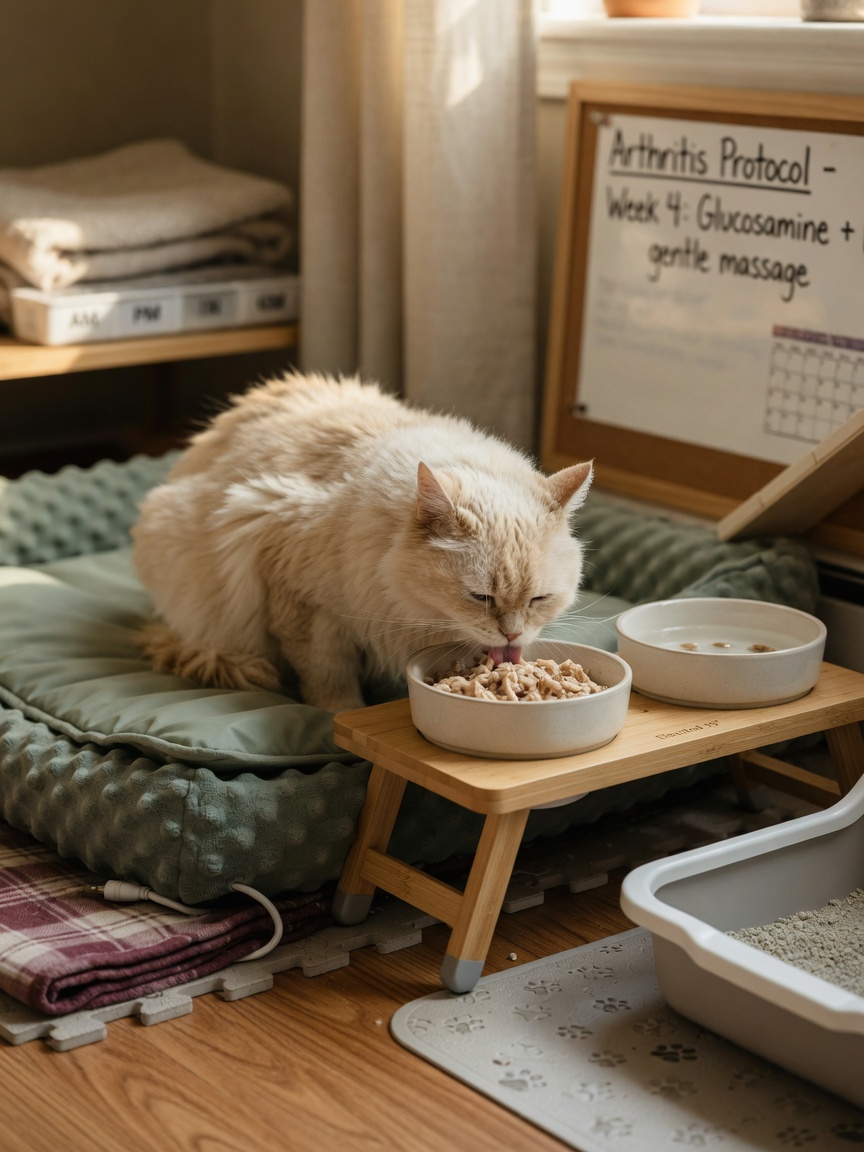
Senior cats benefit from thoughtfully adjusted care routines. Provide easily accessible litter boxes, raised food and water bowls to reduce strain on joints, and soft bedding for comfort. Consider warming their food slightly to enhance flavour and aroma, which can help stimulate appetites that diminish with age. Many senior cats benefit from diets specifically formulated for their life stage, with adjusted protein, fat, and micronutrient levels.
Gentle play and environmental enrichment remain important, even if your cat's activity level has decreased significantly. Mental stimulation helps maintain cognitive function as cats age.
Key Takeaways
Your cat becomes senior around 11-12 years of age, though individual variation is considerable. Watch for physical changes like reduced mobility and coat quality, alongside behavioural shifts such as increased sleeping and litter box changes. Semi-annual veterinary visits, tailored nutrition, and thoughtful home adjustments ensure your senior cat's comfort and wellbeing during their wonderful later years. With proper care and attention, your aging feline friend can enjoy a high quality of life well into their golden years.