
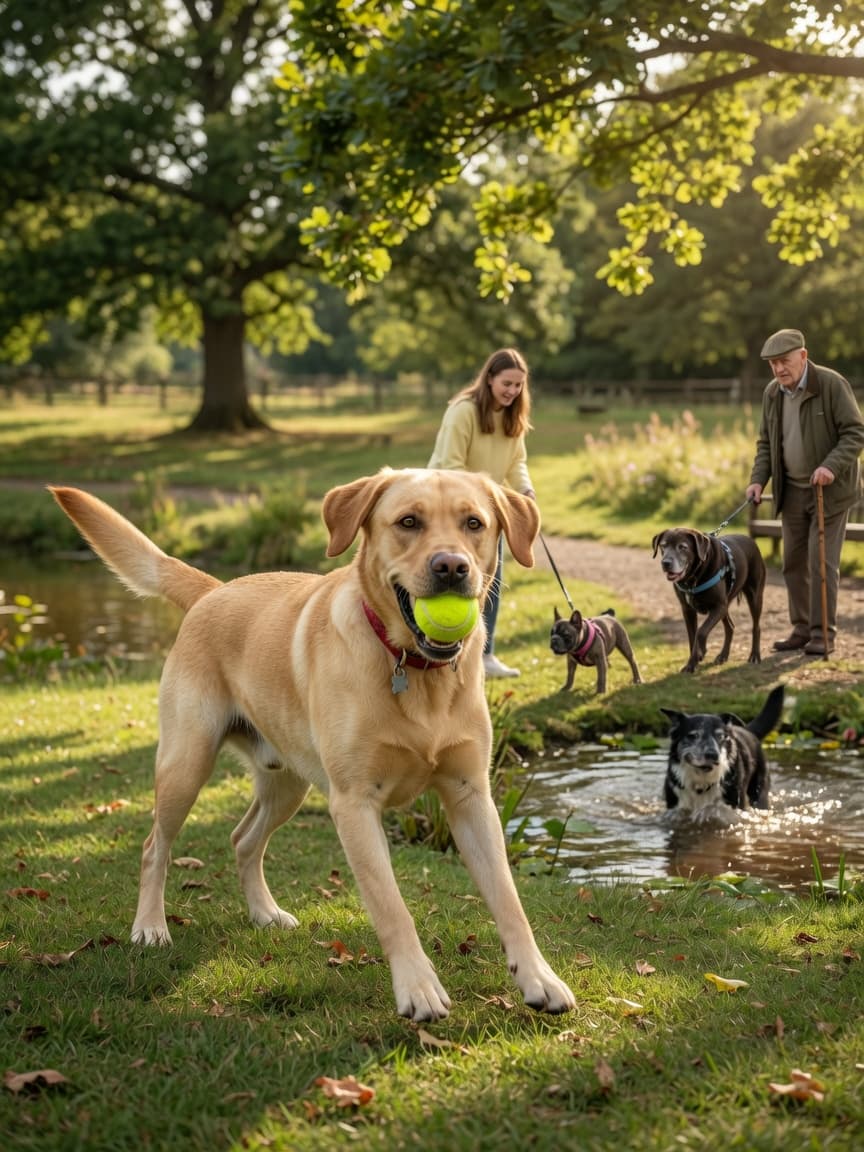
Exercise is one of the most important pillars of canine health, yet many dog owners struggle to find the right balance for their furry companions. Whether you're raising an energetic puppy, managing an adult dog's fitness, or caring for a senior who's slowing down, understanding your dog's specific exercise requirements is crucial for preventing obesity, behavioural problems, and age-related health issues. In this comprehensive guide, we'll explore exactly how much activity your dog needs at each life stage.
Understanding Your Dog's Exercise Needs
Exercise requirements vary significantly based on age, breed, size, and individual temperament. A Border Collie's exercise needs differ dramatically from a Bulldog's, and a young Labrador will have vastly different energy levels than a ten-year-old Poodle. Rather than following a one-size-fits-all approach, it's essential to assess your own dog's unique characteristics and adjust activity levels accordingly.
The general guideline many vets recommend is that dogs should engage in physical activity for at least 30 minutes to 2 hours daily, but this varies considerably. High-energy breeds may need considerably more, whilst smaller or flat-faced breeds may need less.
Puppies: Building a Strong Foundation (8 Weeks to 12 Months)
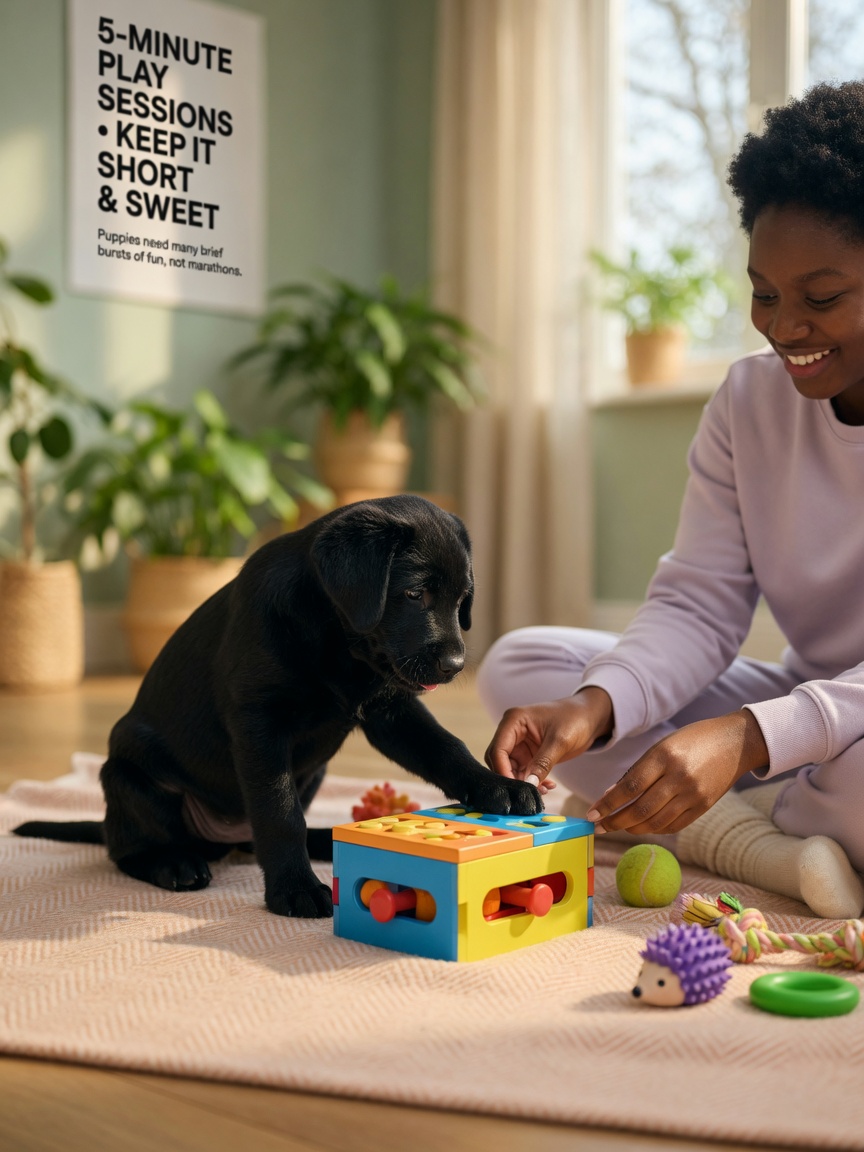
Puppies seem to have boundless energy, but their developing bones and joints require careful management. Growing puppies shouldn't engage in excessive high-impact exercise, as this can damage developing cartilage and cause long-term joint problems.
- Young puppies (8-12 weeks): Multiple short play sessions throughout the day (5-10 minutes each) rather than one long walk
- 3-6 months old: Gradually increase to 5 minutes of exercise per month of age, twice daily (e.g., a four-month-old puppy could handle about 8-minute walks)
- 6-12 months old: Continue building up to adult levels, introducing varied terrain and gentle training games
- Avoid: Jumping, excessive running on hard surfaces, and repetitive fetch until growth plates have closed (typically 12-18 months depending on breed)
Puppies also need plenty of mental stimulation through play, socialisation, and training. Puzzle toys, sniff games, and supervised play with other puppies provide crucial developmental benefits alongside physical exercise.
Adult Dogs: Maintaining Peak Fitness (1-7 Years)
Most adult dogs thrive with 30 minutes to 2 hours of exercise daily, depending on their breed classification:
- Low-energy breeds (Bulldogs, Basset Hounds, Cavalier King Charles Spaniels): 30-45 minutes daily, mostly gentle walking
- Moderate-energy breeds (Beagles, Cocker Spaniels, Standard Poodles): 45 minutes to 1.5 hours daily, combining walks with play
- High-energy breeds (Border Collies, Australian Shepherds, Jack Russell Terriers): 1.5-2+ hours daily, including running, fetch, agility, or similar activities
Mix different types of exercise to keep your dog mentally and physically stimulated. Combine steady-state walking with fetch, swimming, training classes, or canine sports. Mental enrichment is just as important as physical activity—a mentally stimulated dog is often a well-behaved, happy dog.
Senior Dogs: Adjusting for Golden Years (7+ Years)
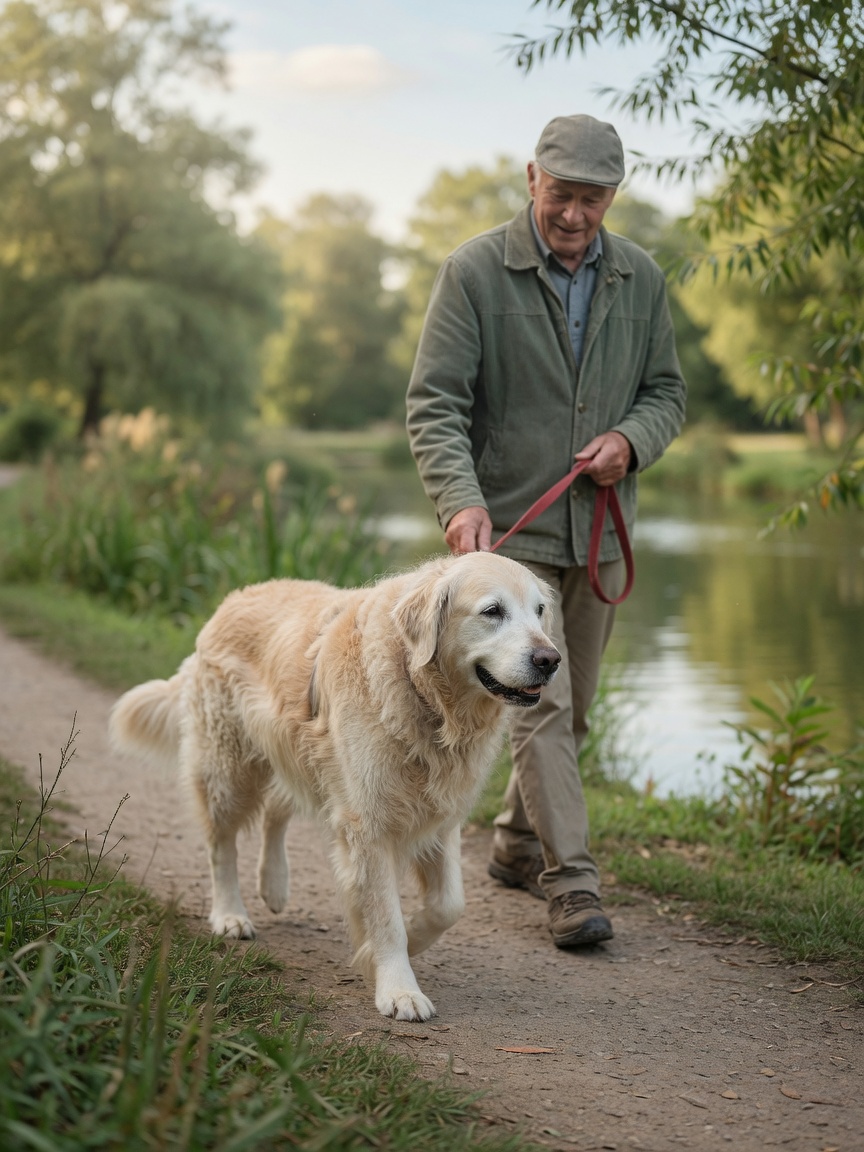
As dogs age, their exercise needs decrease, but staying active remains vital for maintaining muscle mass, joint health, and cognitive function.
- Frequency: Multiple shorter walks (3-4 daily) are often better than one long outing
- Duration: 20-30 minutes total daily exercise, adjusting based on fitness level and any health conditions
- Type: Gentle, low-impact activities such as leisurely walking, swimming, or casual play
- Watch for: Signs of pain, excessive panting, or reluctance to exercise, which may indicate arthritis or other age-related conditions
Many senior dogs benefit from physiotherapy, hydrotherapy, or orthopaedic supplements to support joint health during their golden years.
Signs Your Dog Isn't Getting Enough Exercise
Insufficient exercise often manifests as destructive behaviour, excessive barking, weight gain, and anxiety. Dogs may also develop behavioural issues such as jumping on guests or inappropriate chewing. Conversely, over-exercise—particularly in puppies or senior dogs—can cause lameness, excessive fatigue, or joint problems.
Key Takeaways
Remember that every dog is unique. Start with breed and age guidelines, then observe your individual dog's response. A healthy, well-exercised dog should have good muscle tone, maintain a healthy weight, and display a calm, content demeanour at home. If you're uncertain about appropriate exercise levels for your dog—particularly if they have health conditions—consult your veterinarian for personalised recommendations.