
When Seven Becomes a Turning Point
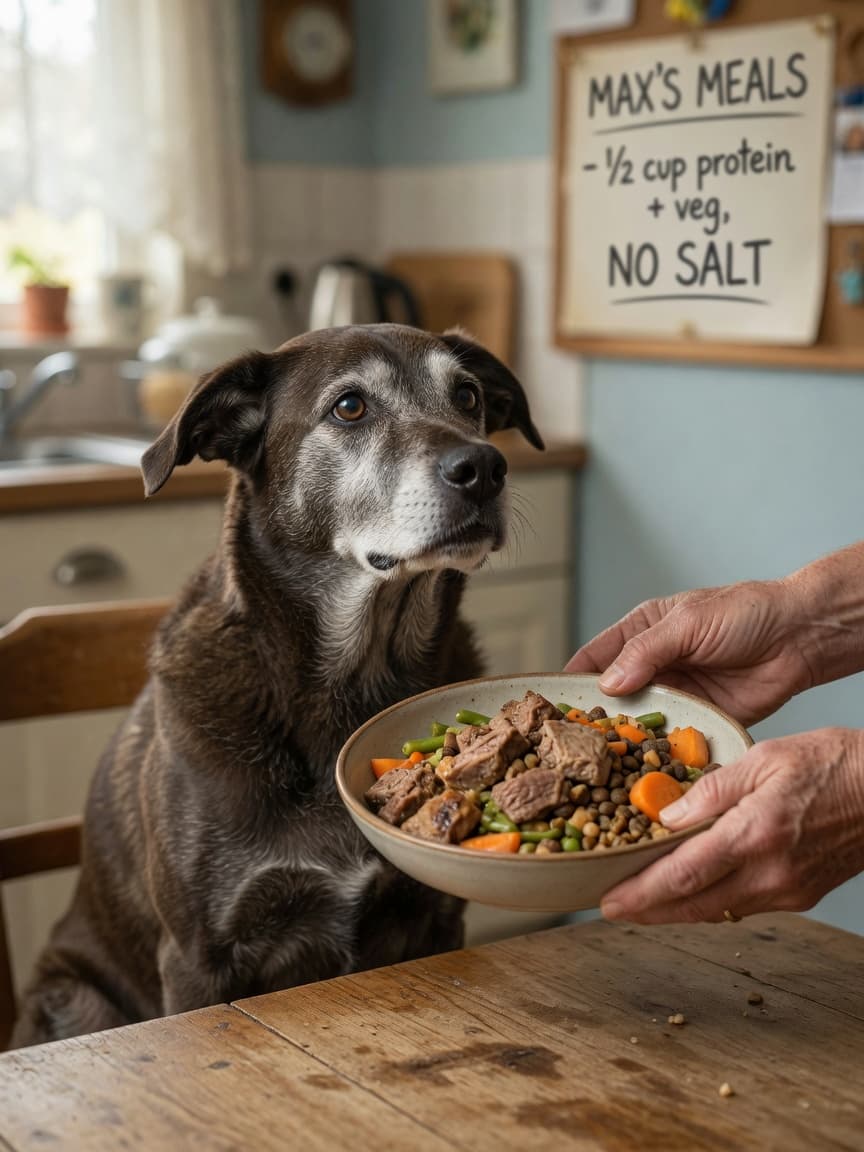
Studies suggest that dogs entering their senior years — broadly defined as seven and older for most breeds — experience measurable shifts in metabolism, organ function, and lean muscle mass. Yet a significant proportion of pet owners continue feeding their older dogs the same food they received at two or three years old. The result is often slow-creeping malnutrition, unnecessary weight gain, or accelerated kidney stress. Getting nutrition right in these years is one of the most impactful things you can do for a dog's quality of life.
Protein: More, Not Less
For decades, the veterinary community operated under the assumption that reducing protein in senior dogs protected the kidneys. Current evidence has largely overturned this view. Healthy senior dogs actually require higher-quality protein — and often more of it — to counteract the natural loss of lean muscle mass, a process called sarcopenia.
Why Muscle Loss Accelerates With Age
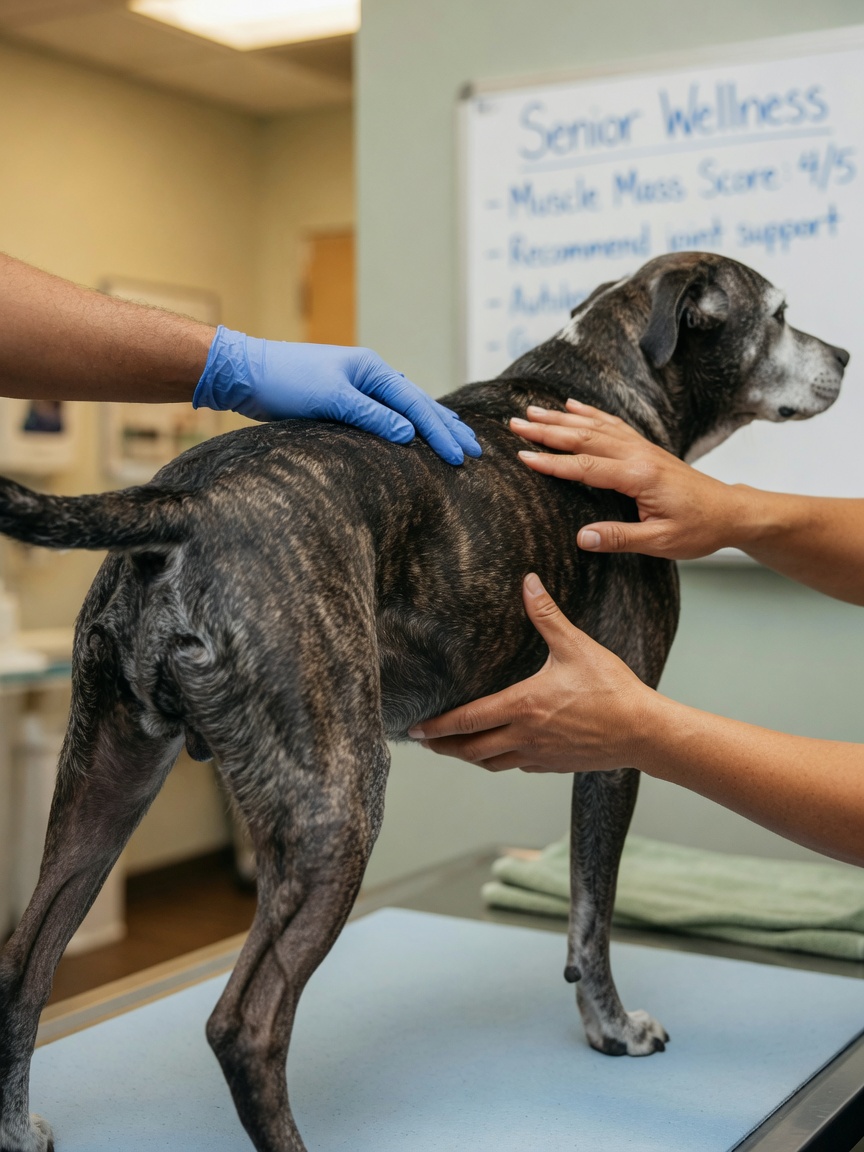
Older dogs absorb and utilise dietary protein less efficiently than younger animals. Without adequate intake, the body draws on skeletal muscle to meet metabolic demands. The visible outcome is a dog who appears thin across the back and haunches even while carrying abdominal fat — a pattern sometimes called "skinny fat" and one that is frequently missed at routine weigh-ins.
The Kidney Exception
Protein restriction remains relevant in dogs with confirmed chronic kidney disease (CKD), where reduced phosphorus and protein help slow disease progression. However, imposing these restrictions on a dog with healthy kidneys is counterproductive. Always ask your vet for a baseline kidney panel before adjusting protein levels in any senior dog.
Phosphorus: The Number Worth Watching
Phosphorus is the nutrient most directly implicated in kidney decline in aging dogs. The kidneys filter excess phosphorus, and as renal function naturally diminishes with age, even moderate dietary phosphorus loads can accelerate damage.
Commercial foods marketed for senior dogs often — though not always — contain reduced phosphorus levels. Reading the guaranteed analysis panel matters here. Look for foods listing phosphorus between 0.4% and 0.8% dry matter for a dog with early-stage kidney concerns, and consult your vet for specific targets if a diagnosis is already in place. Foods with organ meats, bone meal, or fish as primary ingredients tend to run higher in phosphorus, which is worth factoring into homemade or mixed-feeding approaches.
Calorie Needs: Downward Adjustment Required

A senior dog's resting energy requirement typically drops by 20–30% compared to adulthood. Reduced activity, hormonal changes, and a slower metabolic rate all contribute. Continuing to feed adult maintenance portions without adjustment is the single most common driver of obesity in older dogs.
Calculating a More Accurate Target
Rather than relying solely on the feeding guide on the bag — which is often calibrated for average adult dogs — use your dog's current body condition score (BCS) to guide intake. A score of five on a nine-point scale is ideal. Dogs scoring six or above should move to a controlled-calorie diet, whilst those scoring three or below may need increased intake with a focus on digestible, protein-rich foods rather than fillers.
Fat Versus Fibre Trade-offs
Reducing calories does not mean simply reducing food volume. Lower-fat diets with increased dietary fibre help maintain satiety, support gut motility (which slows with age), and assist with weight management without leaving the dog hungry. Soluble fibres such as chicory root and psyllium also offer prebiotic benefits that support the microbiome shifts common in senior animals.
Nutrients That Deserve Extra Attention
Beyond the macronutrient picture, a handful of micronutrients become particularly relevant in older dogs.
- Omega-3 fatty acids (EPA and DHA): Support joint health, reduce systemic inflammation, and have emerging evidence for cognitive benefits. Fish oil is the most bioavailable source.
- Vitamin E and selenium: Antioxidant demands increase in aging tissue. Ensure the diet meets AAFCO minimums, as deficiency can manifest as immune suppression and muscle weakness.
- B vitamins: Water-soluble and easily depleted, especially in dogs on lower-calorie diets or those with gastrointestinal changes. B12 in particular is worth monitoring via blood work.
- Joint-support compounds: Glucosamine and chondroitin are not essential nutrients under AAFCO definitions, but sufficient evidence supports their inclusion for dogs showing early mobility changes.
Practical Steps for Transitioning a Senior Dog's Diet
Sudden dietary changes in older dogs frequently trigger gastrointestinal upset, as the aging gut adapts more slowly than in younger animals. Any transition should span a minimum of ten to fourteen days, moving gradually from the existing food to the new formulation in increasing proportions.
Schedule a full senior wellness screen — including a biochemistry panel covering kidney and liver values, urinalysis, and thyroid function — before making significant dietary adjustments. This baseline shapes every decision that follows. Recheck values at six months after a diet change to confirm the kidneys are responding appropriately to any phosphorus reduction.
Monitor body weight monthly at home using the same scale, and reassess body condition every three months. Weight loss in a senior dog is not automatically a positive sign — it must be investigated to distinguish intentional progress from muscle wasting or underlying disease.
Key Takeaways
- Healthy senior dogs need more high-quality protein, not less — save restriction for confirmed kidney disease.
- Monitor dietary phosphorus and consider reducing it as a preventive measure after age seven.
- Reduce calorie intake by roughly 20–30% unless body condition score indicates otherwise.
- Supplement with omega-3 fatty acids for joint and cognitive support.
- Transition diet changes slowly and anchor all decisions to blood work and body condition assessment.
- Consult your vet before making any changes if your dog has an existing health condition.