
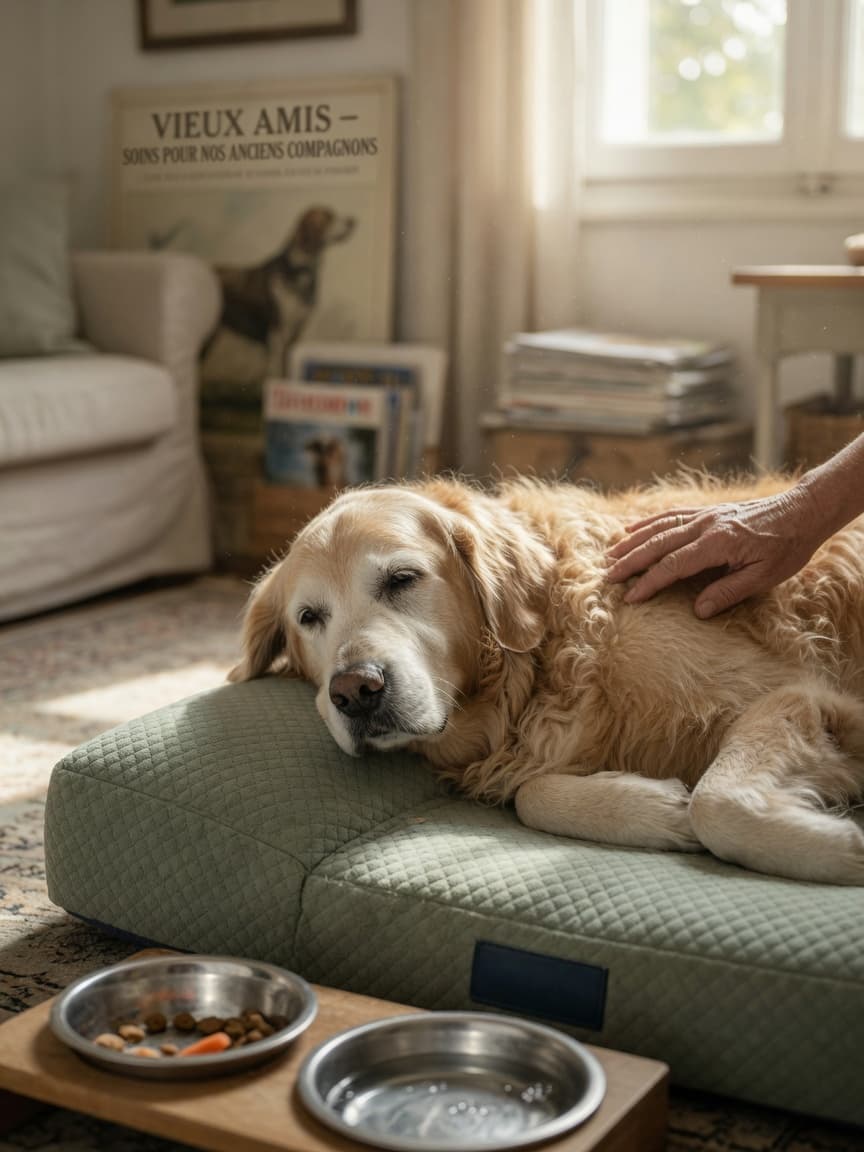
If you've noticed your faithful companion moving a bit more slowly or spending extra time napping, you might be wondering whether your dog has entered their senior years. Understanding when your dog transitions into old age isn't just about numbers—it's about recognising the physical and behavioural changes that come with advancing years, so you can provide the best possible care. The answer to "when is a dog a senior?" isn't one-size-fits-all, and knowing the signs can help you make informed decisions about their health and wellbeing.
Age Guidelines: What the Experts Say
Most veterinary professionals and breed clubs consider dogs to be seniors between 7 and 10 years of age, depending on their size. This is an important distinction because larger breeds age differently than smaller ones.
- Small breeds (under 10 kg): typically considered senior around 10-12 years old
- Medium breeds (10-25 kg): typically considered senior around 8-9 years old
- Large breeds (25-45 kg): typically considered senior around 6-7 years old
- Giant breeds (over 45 kg): typically considered senior around 5-6 years old
This variance exists because larger dogs experience faster cellular ageing compared to their smaller counterparts, which is why a Great Dane may be considered senior earlier than a Chihuahua.
Physical Signs Your Dog is Ageing
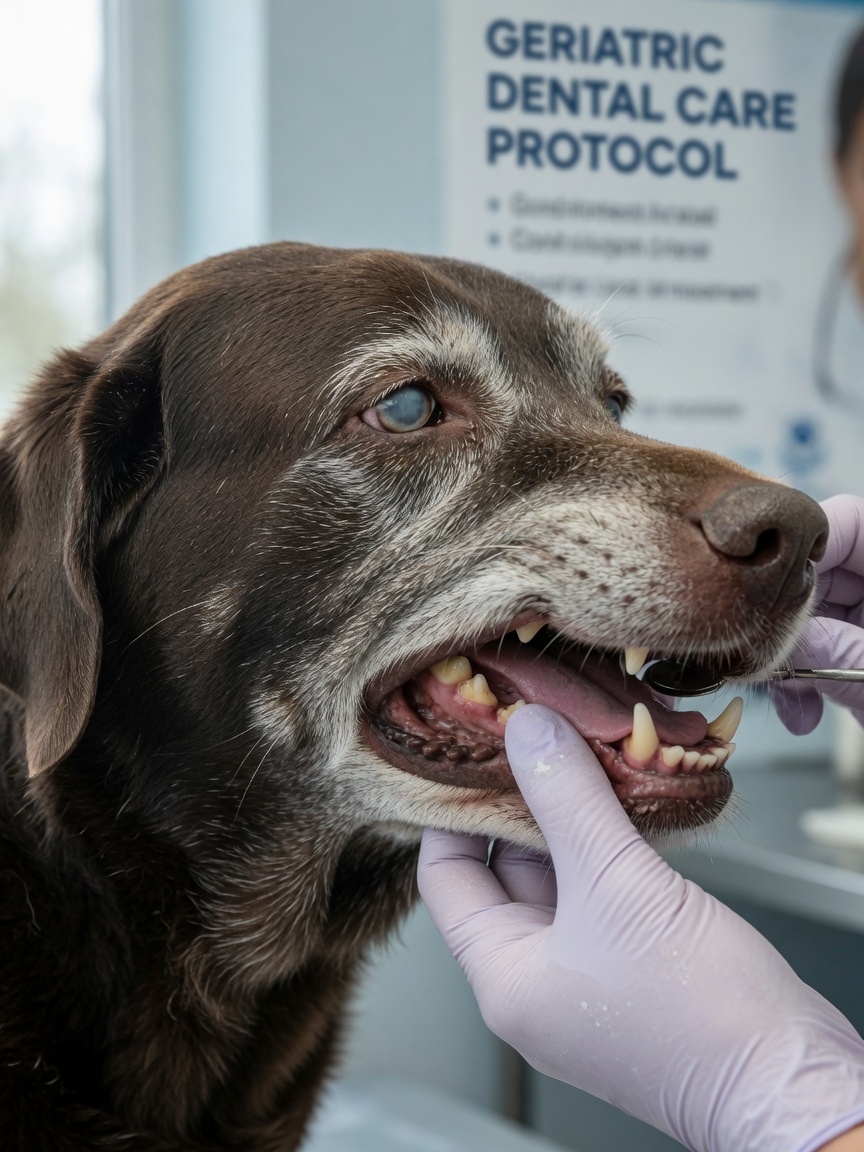
Beyond the calendar, your dog's body will send clear signals that they're entering their senior phase. These physical changes often appear gradually, so paying close attention to your pet helps you catch them early.
- Greying hair: Silver or white hair around the muzzle, ears, and eyes is one of the most visible signs
- Reduced mobility: Stiffness after rest, reluctance to jump, or difficulty climbing stairs
- Changes in coat quality: Duller, thinner, or drier fur than before
- Weight changes: Either unexplained weight loss or difficulty maintaining weight despite normal eating
- Dental issues: Bad breath, loose teeth, or reluctance to eat hard foods
- Vision and hearing decline: Bumping into objects or not responding to sounds as quickly
Behavioural Changes to Monitor
Senior dogs often exhibit behavioural shifts that reflect their changing physical capabilities and mental state. These changes are completely normal but warrant attention.
You may notice your dog sleeping more—sometimes significantly more—as they conserve energy. Some senior dogs become less interested in play or lengthy walks, preferring shorter, gentler outings. House training accidents can occur due to weaker bladder control, not stubbornness. Additionally, some older dogs experience confusion or disorientation, occasionally called "canine cognitive dysfunction," which may manifest as getting lost in familiar spaces or appearing startled by sudden noises.
Health Screening for Senior Dogs
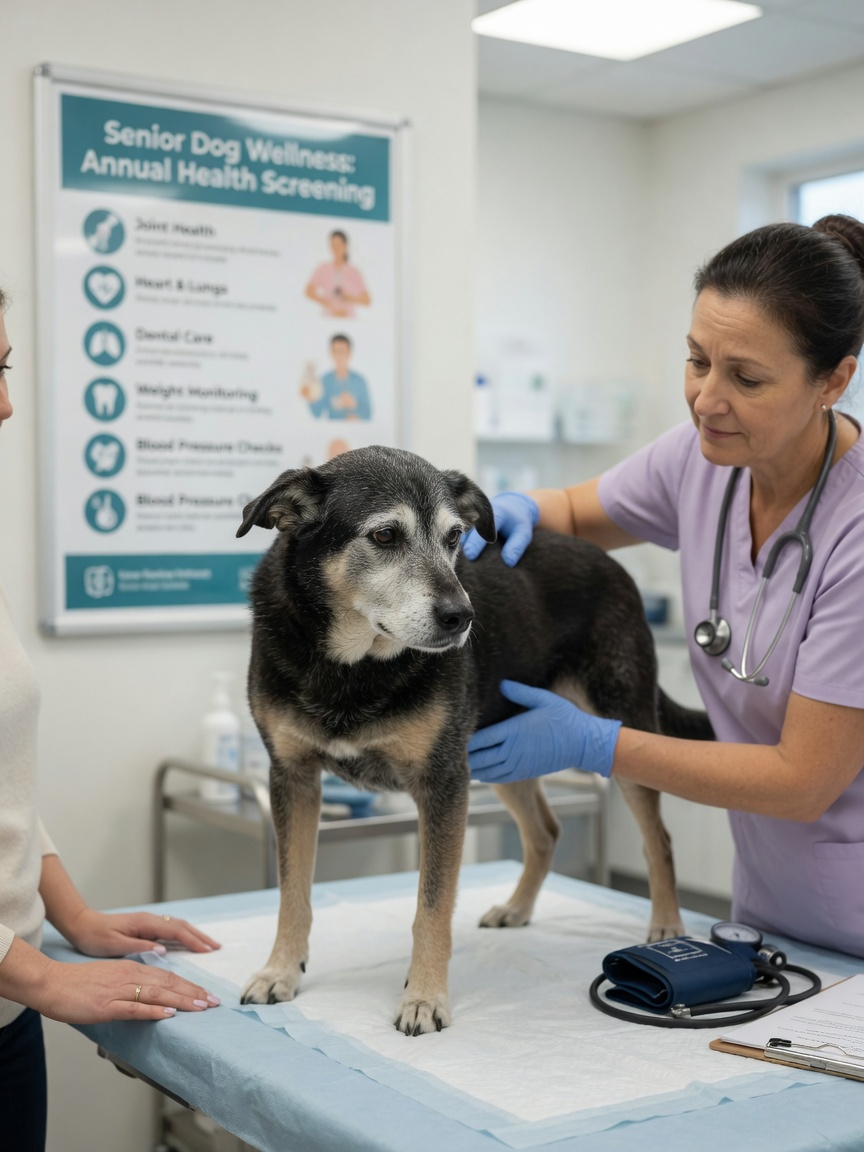
Once your dog reaches senior status, veterinary care becomes increasingly important. Your vet may recommend more frequent check-ups—typically twice yearly rather than annually. Regular health screenings for senior dogs typically include:
- Blood tests to check organ function and detect diseases early
- Urinalysis to assess kidney and urinary health
- Blood pressure monitoring
- Dental assessment and cleaning if necessary
- Weight and body condition evaluation
- Cancer screening, particularly for certain breeds
Adapting Your Dog's Lifestyle
Supporting your senior dog doesn't require dramatic changes, but thoughtful adjustments can significantly enhance their quality of life. Provide orthopedic bedding to ease joint discomfort, ensure food and water bowls are easily accessible, and consider ramps or steps for furniture access. Maintain gentle exercise through short, frequent walks rather than one long outing, and keep their mind active with low-impact puzzle toys.
Nutrition becomes increasingly important in the senior years. Many vets recommend senior-specific diets formulated with appropriate protein levels, joint-supporting supplements, and adjusted calorie content to prevent weight gain from reduced activity.
Key Takeaways
Your dog becomes a senior anywhere between 5 and 12 years of age, depending on their size and breed. Rather than focusing solely on age, observe your individual dog's physical and behavioural changes. Greying fur, reduced mobility, and altered sleep patterns are normal signs of ageing. The most important step is scheduling regular veterinary check-ups once your dog enters their senior years, staying alert to health changes, and making gentle lifestyle adjustments that support their comfort and wellbeing. With attentive care and love, you can help your senior companion enjoy their golden years to the fullest.