
Understanding Kitten Development: A Stage-by-Stage Overview
Kittens are among the most altricial (helpless at birth) of domestic companion animals. A newborn kitten is blind, deaf, and entirely dependent on its mother for warmth, nutrition, and even the ability to eliminate waste. Within weeks, this same animal transforms into an increasingly capable, curious, and socially complex being. Each developmental stage brings specific biological milestones and specific windows of opportunity — and vulnerability — that informed owners and carers can use to set kittens up for a lifetime of health and confident behaviour.
Stage 1: Neonatal Period (0 to 2 Weeks)
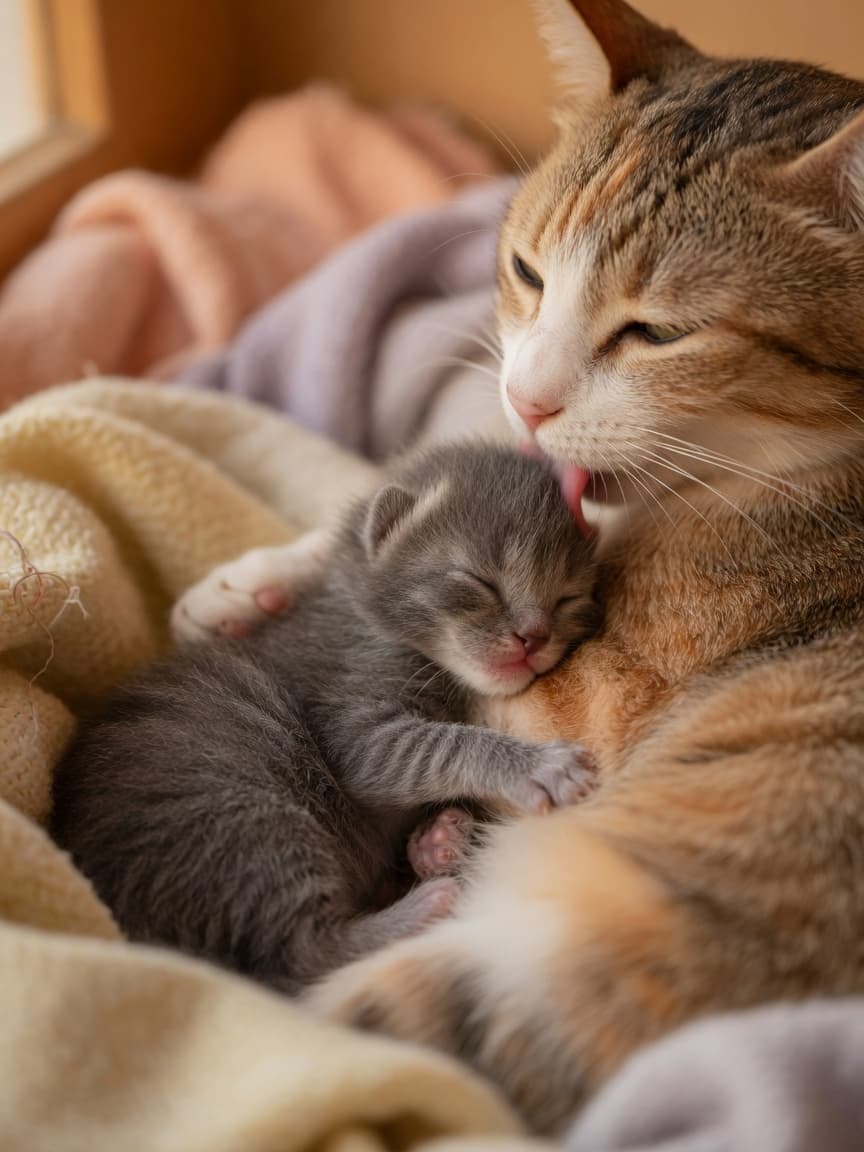
At birth, a healthy kitten weighs between 85 and 115 grams and is covered in fine fur. Its eyes and ear canals are sealed shut, and its nervous system is capable only of rudimentary reflexes: rooting, suckling, and avoiding cold. Thermoregulation is absent — the kitten cannot maintain its own body temperature and relies entirely on its mother and littermates for warmth. In the absence of a queen (mother cat), a foil-lined nest box maintained at 29 to 32°C is essential for single orphaned kittens.
Colostrum — the antibody-rich first milk — is consumed during the first 24 to 48 hours and provides passive maternal immunity that protects the kitten until its own immune system matures. Kittens that do not receive colostrum are significantly more vulnerable to infectious disease during the first weeks of life.
Weight gain is the primary indicator of health at this stage. A healthy neonatal kitten gains roughly 7 to 10 grams per day. Any kitten that fails to regain its birth weight within 24 hours, or that loses weight on subsequent days, requires urgent veterinary assessment. The risk of fading kitten syndrome — rapid deterioration in otherwise apparently normal neonates — is highest in the first two weeks of life.
Stage 2: Transitional Period (2 to 4 Weeks)
The transitional period is defined by the rapid opening of the senses. Eyes begin to open between 9 and 14 days, though vision at this point is still very limited — kittens are functionally far-sighted and sensitive to light. The ear canals open between 14 and 17 days, bringing the world of sound into a kitten's experience for the first time. The startle response to loud noises appears shortly after.
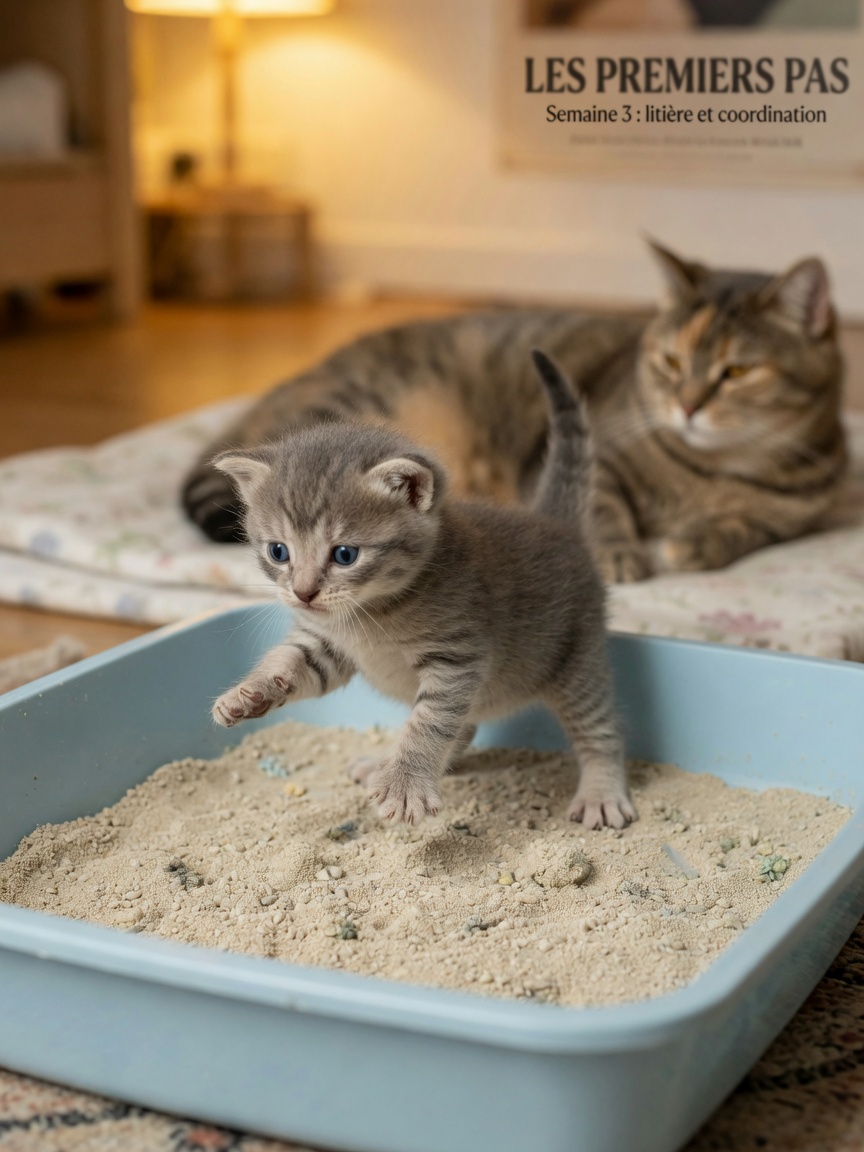
The kitten begins to stand and walk — initially with a characteristic wobbly gait — around 15 to 17 days. By three weeks, it is actively crawling, interacting with littermates, and beginning to play. The first deciduous teeth (milk teeth) appear around three weeks. The queen begins to encourage independence around this time, and weaning can be initiated with tiny amounts of kitten milk replacer mixed with finely mashed wet kitten food.
Elimination remains partially reliant on the queen's stimulation in early transitional kittens, but voluntary toileting gradually takes over. Provision of a shallow litter tray — low enough for tiny legs to step over — is appropriate from around three weeks, and most kittens learn to use it naturally by observing their mother.
Stage 3: Socialisation Period (2 to 7 Weeks)
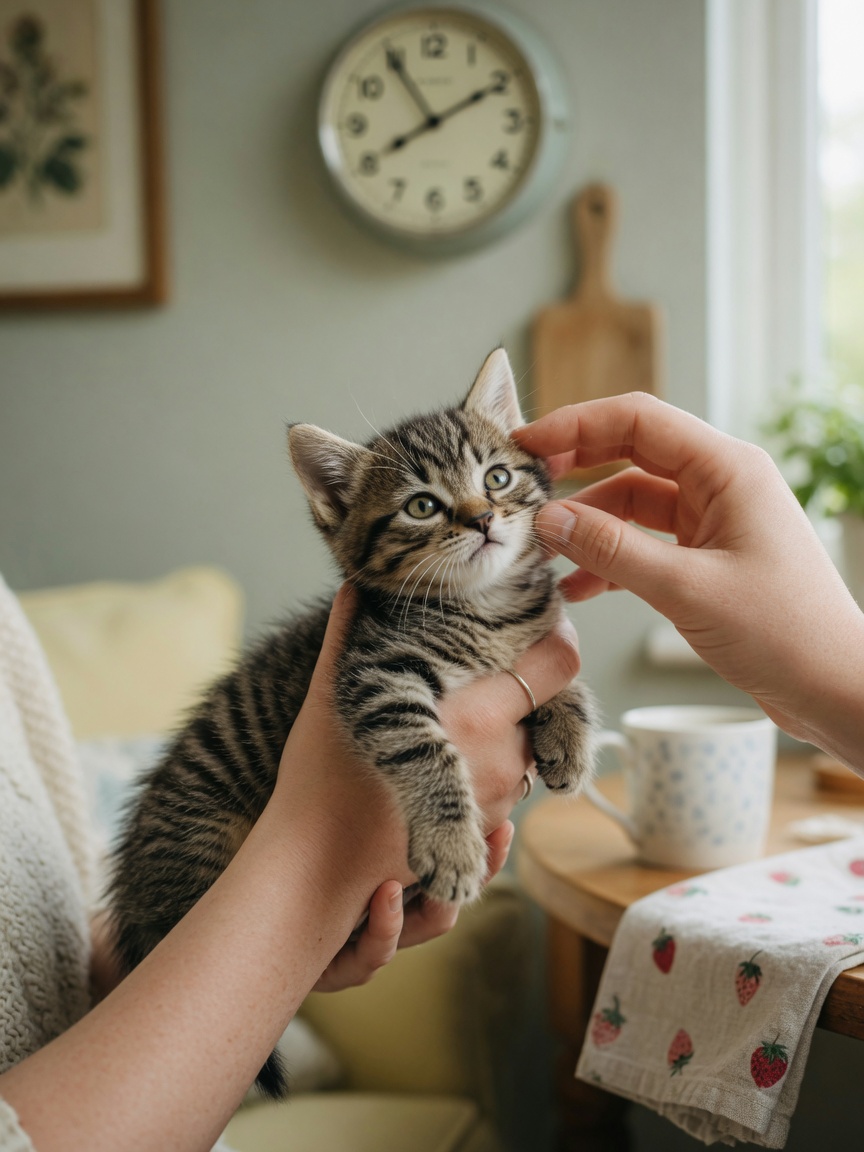
The feline socialisation window is narrower and earlier than the canine equivalent, running from approximately two to seven weeks of age, with the peak period of sensitivity between three and six weeks. During this window, positive experiences with humans, other animals, handling, varied environments, and novel stimuli form lasting neural templates for what is safe and non-threatening. Kittens that receive regular, gentle human contact during this window are significantly more likely to be confident, sociable, and handleable throughout their lives.
Kittens raised without human handling during this critical window — feral litters discovered after seven weeks, for instance — are exponentially harder to socialise, and some never become comfortable with close human contact. This is not a matter of individual personality but of neurodevelopmental biology.
Breeders and owners should expose kittens to a variety of sounds (household appliances, children's voices, traffic noise at a low level), textures, carriers, and gentle handling by different people during this window. Each positive experience builds a richer, more resilient behavioural foundation.
Stage 4: Juvenile Period (2 to 6 Months)
The juvenile period sees explosive physical growth and the full emergence of predatory play behaviour. Kittens at this stage are intensely active, playful, and curious. They develop the stalking, pouncing, and batting movements that form the feline hunting sequence. Providing appropriate outlets for this drive — wand toys, feather lures, crinkle balls — is important both for physical development and for preventing the kitten from directing predatory behaviour at hands and feet.
Nutritional requirements are at their highest during this phase. Growing kittens need roughly two to three times the caloric density per kilogram of body weight as adult maintenance diets. Kitten-specific foods formulated to the FEDIAF (European Pet Food Industry Federation) guidelines provide the protein levels, amino acid profiles (including taurine, which cats cannot synthesise themselves), and fatty acid ratios that support this rapid growth. Feeding adult food to kittens is a common error that can result in nutritional deficiencies.
Vaccination is typically initiated at eight to nine weeks across EU member states. Core feline vaccines — covering feline herpesvirus, calicivirus, and panleukopenia — form the basis of the European primary vaccination protocol. A second dose is administered at 12 weeks, with a booster at 16 weeks in many countries. Rabies vaccination is required in several EU countries. Your veterinarian will advise on the protocol appropriate for your kitten's circumstances, including whether vaccines for feline leukaemia virus (FeLV) are indicated based on lifestyle and risk.
Stage 5: Adolescence (6 to 12 Months)
Sexual maturity arrives during this stage. Queens (female cats) can come into season as early as four to five months, though six months is more typical. Intact males begin exhibiting territorial spraying and roaming behaviour. The practical and welfare implications of uncontrolled reproduction make this the stage at which neutering discussions become urgent.
Current European veterinary consensus generally recommends neutering at around five to six months for most cats — before the first season for females if possible. Some practitioners advocate for early neutering at eight to twelve weeks, a practice more common in shelter medicine. Evidence does not support significant health risks from neutering at five to six months, and for females it substantially reduces the risk of mammary tumours (especially if neutered before the first season) and eliminates the risks of pyometra (a life-threatening uterine infection) entirely.
Behavioural changes during adolescence can include increased independence, reduced tolerance for handling, and — in intact animals — dramatic hormonal behaviour. Neutered adolescents tend to retain more of their sociable, playful kitten behaviour into adulthood.
When Do Kittens Reach Adult Size?
- Small to medium breeds (Domestic Shorthair, Russian Blue, Abyssinian): adult size typically reached at 9 to 12 months
- Medium to large breeds (British Shorthair, Bengal, Norwegian Forest Cat): full size usually by 12 to 18 months
- Large and slow-maturing breeds (Maine Coon, Ragdoll, Siberian): skeletal and muscular maturity may not be complete until 3 to 4 years of age
Transitioning from kitten food to adult food should be based on physical maturity rather than calendar age alone. For Maine Coons and Ragdolls in particular, remaining on a kitten or all-life-stages formula past 12 months is often appropriate.
Nutritional Needs Across All Stages
The foundational nutritional distinction across all kitten growth stages is the need for higher protein, higher fat, and specific micronutrients not required in the same quantities by adult cats. Taurine deficiency — still occasionally seen in cats fed nutritionally incomplete homemade diets — causes irreversible cardiac disease (dilated cardiomyopathy) and retinal degeneration. Choosing a complete kitten food that meets FEDIAF nutritional standards, as stated on the packaging, provides assurance that minimum requirements are met.
Wet food from an early age helps establish lifelong hydration habits, which is significant for long-term urinary tract health. Offering a variety of textures and proteins during the socialisation and juvenile periods also reduces the risk of neophobia — the refusal to eat unfamiliar foods — in adult life, a behavioural quirk that can complicate dietary management during illness.
The Adult Cat: What Kitten Development Shapes
The experiences, nutrition, veterinary care, and social contact provided during a kitten's developmental stages cast a long shadow over its adult life. A kitten that was well handled, appropriately vaccinated, gradually weaned, fed a nutritionally complete diet, and exposed to a varied, stimulating environment during its sensitive periods is far more likely to be a confident, healthy, sociable adult cat. Investment in the early months is, quite simply, the most effective thing an owner can do for their cat's lifetime wellbeing.