ForPetsHealthcare
Cats

Why Is My Cat Vomiting Blood?

By Julia WrenfieldUpdated August 4, 20263 min read
Evidence-based · Sources checked
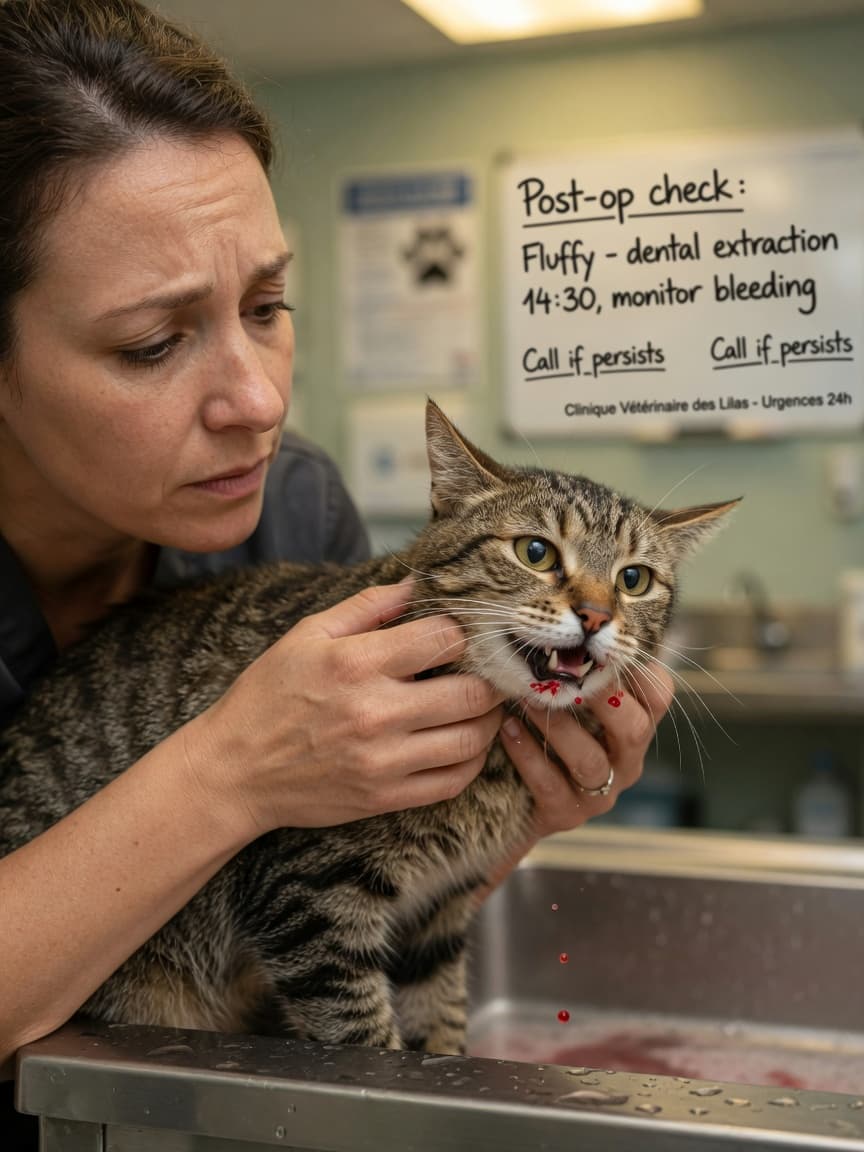
{"en": "Cat appearing unwell and vomiting, showing signs of distress and nausea requiring veterinary attention", "es": "Gato enfermo vomitando, mostrando signos de malestar y n\u00e1useas que requieren atenci\u00f3n veterinaria", "fr": "Chat malade vomissant, montrant des signes de malaise et de naus\u00e9es n\u00e9cessitant une attention v\u00e9t\u00e9rinaire", "de": "Kranke Katze erbricht und zeigt Zeichen von Unwohlsein und \u00dcbelkeit, die tier\u00e4rztliche Hilfe erfordern", "nl": "Zieke kat die braakt en tekenen van onwel voelen en misselijkheid vertoont die dierenartsenhelp vereist", "pt": "Gato doente vomitando, mostrando sinais de mal-estar e n\u00e1usea que requerem aten\u00e7\u00e3o veterin\u00e1ria", "it": "Gatto malato che vomita, mostrando segni di malessere e nausea che richiedono cure veterinarie"}

Discovering blood in your cat's vomit is understandably alarming. This symptom, known as haematemesis, warrants immediate attention as it can indicate anything from minor digestive irritation to serious underlying conditions. Whilst some causes are manageable with veterinary care, others require urgent intervention. Understanding what might be causing this distressing symptom will help you take appropriate action and provide your vet with valuable information during examination.

Common Causes of Blood in Cat Vomit

Blood in vomit typically originates from the mouth, throat, or stomach lining. The appearance and colour of the blood can offer clues about its source:

  • Bright red blood: Usually indicates recent bleeding from the mouth or upper throat
  • Dark red or "coffee ground" appearance: Suggests stomach bleeding that has been partially digested

Common causes include:

  1. Gastritis and ulcers: Inflammation of the stomach lining, often triggered by stress, NSAIDs, or certain medications
  2. Hairballs: When swallowed fur accumulates, it can irritate the stomach and cause bleeding
  3. Foreign objects: Ingested items like string, plastic, or small toys can lacerate the digestive tract
  4. Dental disease: Infected teeth and gums can lead to bleeding when swallowed
  5. Coagulopathy: Blood clotting disorders that prevent proper wound healing
  6. Severe vomiting: Repeated or forceful vomiting can rupture small blood vessels
  7. Poisoning: Toxins like rat poison can interfere with blood clotting
  8. Kidney disease: Can damage the stomach lining and cause bleeding
  9. Liver disease: May result in clotting problems and digestive bleeding
  10. Gastrointestinal tumours: Less common but possible in older cats

When to Seek Emergency Veterinary Care
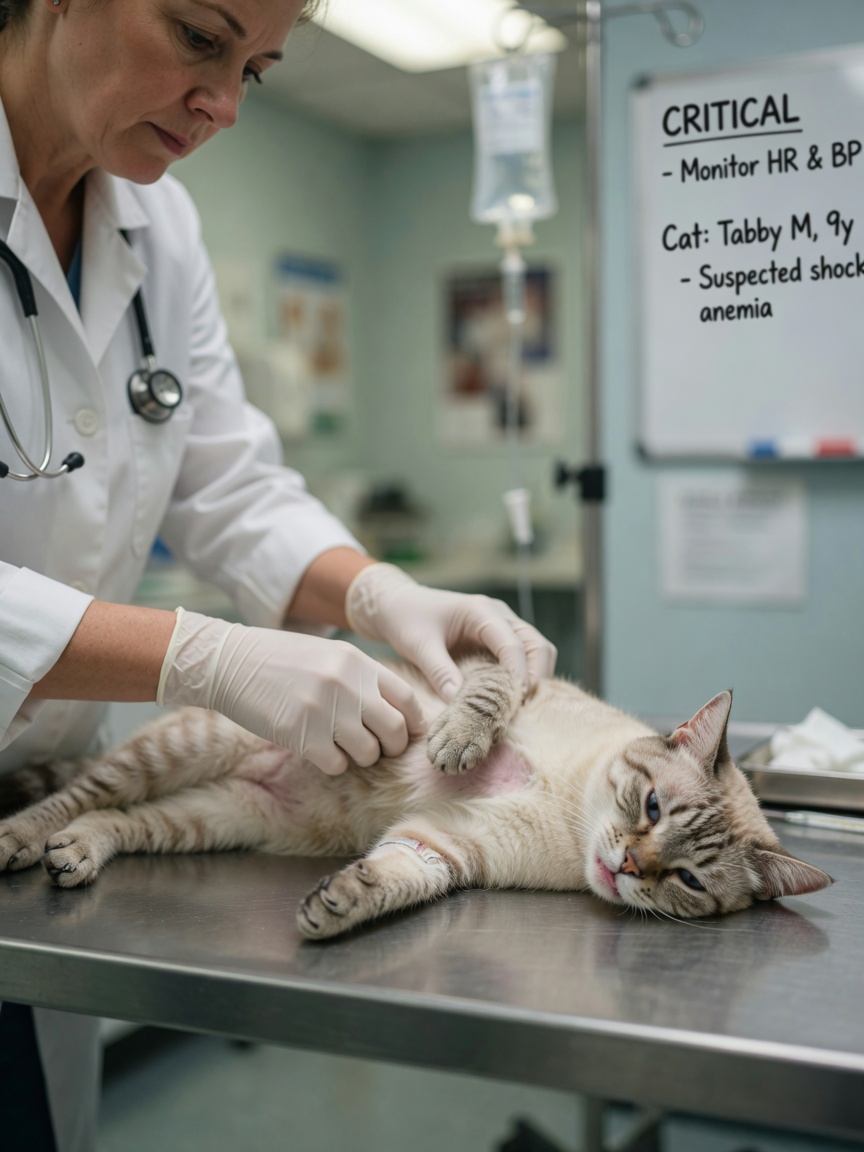
Veterinarian performing urgent emergency examination on a weak, pale tabby cat

Contact your vet immediately if your cat:

  • Vomits blood repeatedly or continuously
  • Shows signs of shock (pale gums, weakness, rapid breathing)
  • Vomits blood alongside diarrhoea or black, tarry stools
  • Is lethargic or unresponsive
  • Has ingested a known toxin
  • Has not eaten for more than 12 hours alongside vomiting

Veterinary Diagnosis Process

Your vet will conduct a thorough examination, which typically includes:

  • Detailed health history and recent medication review
  • Physical examination of mouth, throat, and abdomen
  • Blood tests to assess clotting ability and organ function
  • Imaging studies (X-rays or ultrasound) to identify foreign objects or structural abnormalities
  • Faecal examination to rule out parasites

Treatment Options

Treatment depends entirely on the underlying cause. Your vet may recommend:

  • Temporary dietary modifications (soft, bland foods)
  • Anti-nausea medications
  • Stomach protectants to reduce gastric acid
  • Surgery for foreign body removal
  • Blood transfusions in severe cases
  • Antibiotics if infection is present
  • Treatment for underlying conditions like kidney or liver disease

Home Care and Prevention

Whilst awaiting or following veterinary treatment:

  • Offer small, frequent meals of bland food
  • Ensure constant access to fresh water
  • Monitor all subsequent vomit for blood presence
  • Keep your cat calm and stress-free
  • Remove potential hazards and choking risks
  • Maintain regular dental check-ups
  • Use regular parasite prevention as directed by your vet

Key Takeaways

Blood in your cat's vomit is never normal and always requires professional evaluation. Whilst some causes are straightforward to manage, others indicate serious health concerns. The colour and frequency of blood, alongside other symptoms, help your vet determine urgency. Don't delay—contact your veterinarian promptly to ensure your cat receives the appropriate care and relief from this distressing symptom.

#why is my cat vomiting blood#cat health#feline nutrition#forpetshealthcare

Sources & further reading

This article is based on peer-reviewed veterinary research and reputable animal-health sources. Explore the underlying science in our Research Library.

Related articles

Can Cats Be Allergic to Dogs?

Many multi-pet households wonder whether their feline companions can develop allergies to their canine housemates. The simple answer is yes—cats can indeed be allergic to dogs, though it's far less common than you might think. Understanding the nature of these allergies and how to manage them is cru…

Read more →

What Vaccinations Does My Kitten Need?

Bringing a new kitten into your home is an exciting time, but it also comes with important responsibilities—and vaccination is one of the most critical decisions you'll make for their health. Kittens are particularly vulnerable to infectious diseases during their early weeks, which is why a proper v…

Read more →

What Can Cats Eat? Safe Human Foods & Toxic Ingredients

As a cat owner, you've probably wondered whether it's safe to share your meals with your feline friend. While cats are obligate carnivores with specific nutritional needs, several human foods can be offered as occasional treats—and just as importantly, many common household items can cause serious h…

Read more →

How to Kitten Proof Your Home

Bringing a new kitten into your home is an exciting time, but it also comes with significant responsibilities. Kittens are naturally curious, energetic, and prone to getting into trouble as they explore their new environment. Unlike adult cats, kittens lack the experience to recognise genuine danger…

Read more →

How to Care for a Sick Kitten

Caring for a sick kitten can be stressful, especially if you're a first-time cat parent. Young kittens are vulnerable to various illnesses, from viral infections to parasites, and recognising the signs early is crucial for their recovery. This guide will help you understand the essentials of kitten …

Read more →

Can Cats Have Blueberries? Is It Safe?

If you've ever wondered whether your feline friend can enjoy the same healthy snacks you do, you're not alone. Blueberries are a nutritional powerhouse for humans, packed with antioxidants and vitamins. But when it comes to our cats, the rules are quite different. The good news is that yes, cats can…

Read more →
Disclaimer:This article is for informational purposes only and does not constitute veterinary advice. Always consult a qualified veterinarian for your pet's health concerns.

Free newsletter

Pet health tips, straight to your inbox

Weekly science-backed advice for dog & cat owners. No spam, unsubscribe anytime.