
Two Conditions That Are Easy to Confuse
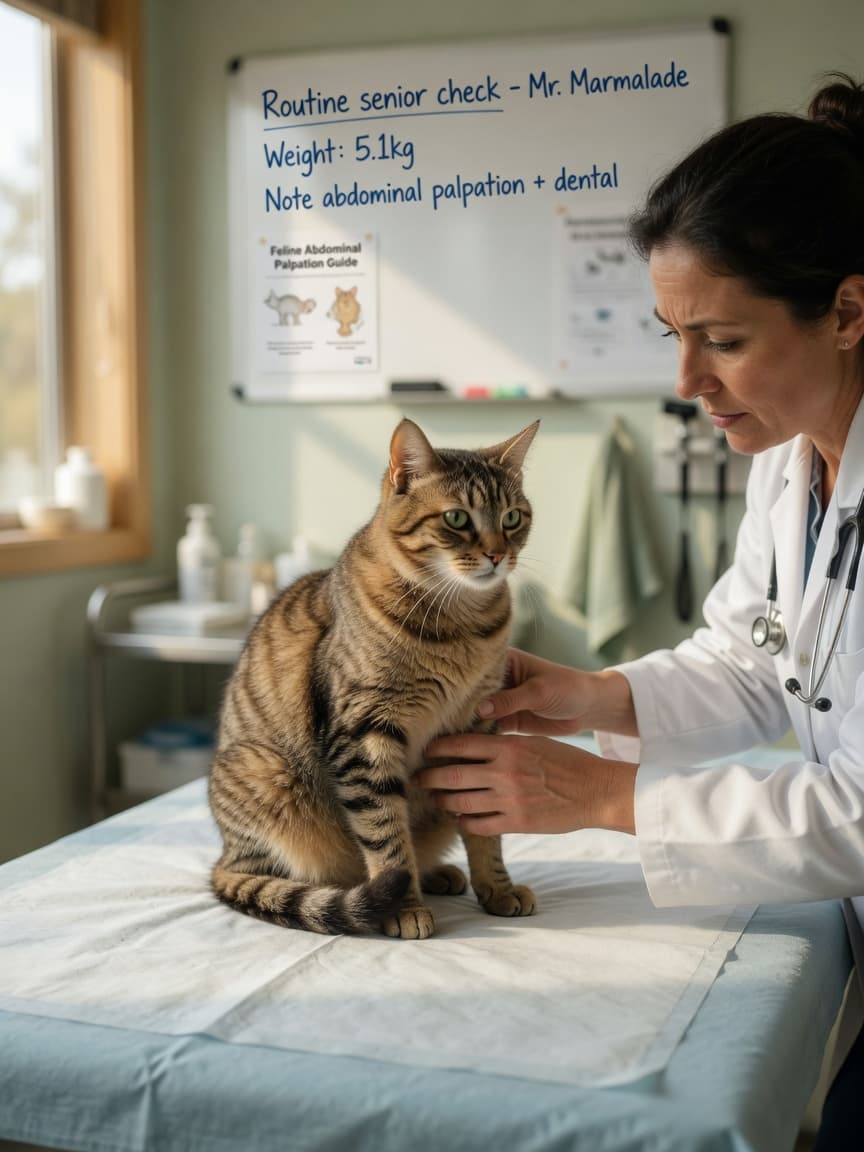
Feline inflammatory bowel disease and gastrointestinal lymphoma sit at opposite ends of what is, clinically, a frustrating continuum. They share symptoms, they can look identical on imaging, and they sometimes share the same intestinal tissue — yet their treatment approaches and long-term outlooks differ considerably. For owners navigating a diagnosis, understanding the distinction between these two conditions is not merely academic. It directly shapes the decisions you will need to make about your cat's care.
What Is Feline Inflammatory Bowel Disease?
Inflammatory bowel disease in cats is not a single disease but a group of chronic gastrointestinal disorders characterised by the abnormal accumulation of inflammatory cells in the walls of the stomach, small intestine, or large intestine. The type and location of these cells define the specific form of IBD — lymphoplasmacytic enteritis being the most common, followed by eosinophilic and neutrophilic variants.
The underlying cause is not fully understood. Current thinking points toward an abnormal immune response to intestinal contents — bacteria, food antigens, or other environmental triggers — in cats with a genetic predisposition. It is a disease of chronic, low-grade inflammation that gradually damages the intestinal mucosa and impairs nutrient absorption.
What Is Gastrointestinal Lymphoma in Cats?
Lymphoma is a cancer of lymphocytes — a type of white blood cell integral to immune function. In cats, the gastrointestinal tract is the most common site of lymphoma, accounting for approximately 50 to 70 percent of all feline lymphoma cases. The low-grade form, known as small cell or lymphocytic lymphoma, is by far the most prevalent and also the most clinically deceptive.
Small cell gastrointestinal lymphoma involves a clonal proliferation of small, well-differentiated lymphocytes in the intestinal wall. Under a microscope, these cells can appear almost identical to the lymphocytes seen in lymphoplasmacytic IBD. This is not a minor diagnostic inconvenience — it is one of the genuine challenges in feline internal medicine.
Shared Symptoms
Both conditions affect middle-aged to older cats most commonly, with Siamese and related Oriental breeds showing some increased predisposition to IBD. The presenting signs are strikingly similar and include:
- Chronic or intermittent vomiting, sometimes daily
- Weight loss that continues despite a normal or even increased appetite
- Changes in stool consistency — diarrhoea, constipation, or alternating between the two
- Reduced appetite in more advanced cases
- Poor coat condition
- Lethargy and progressive loss of muscle mass
Both conditions often progress slowly enough that owners normalise the changes, attributing them to ageing rather than disease. By the time the diagnosis is sought, the cat may have been quietly deteriorating for months or even years.
Why Diagnosis Is So Challenging
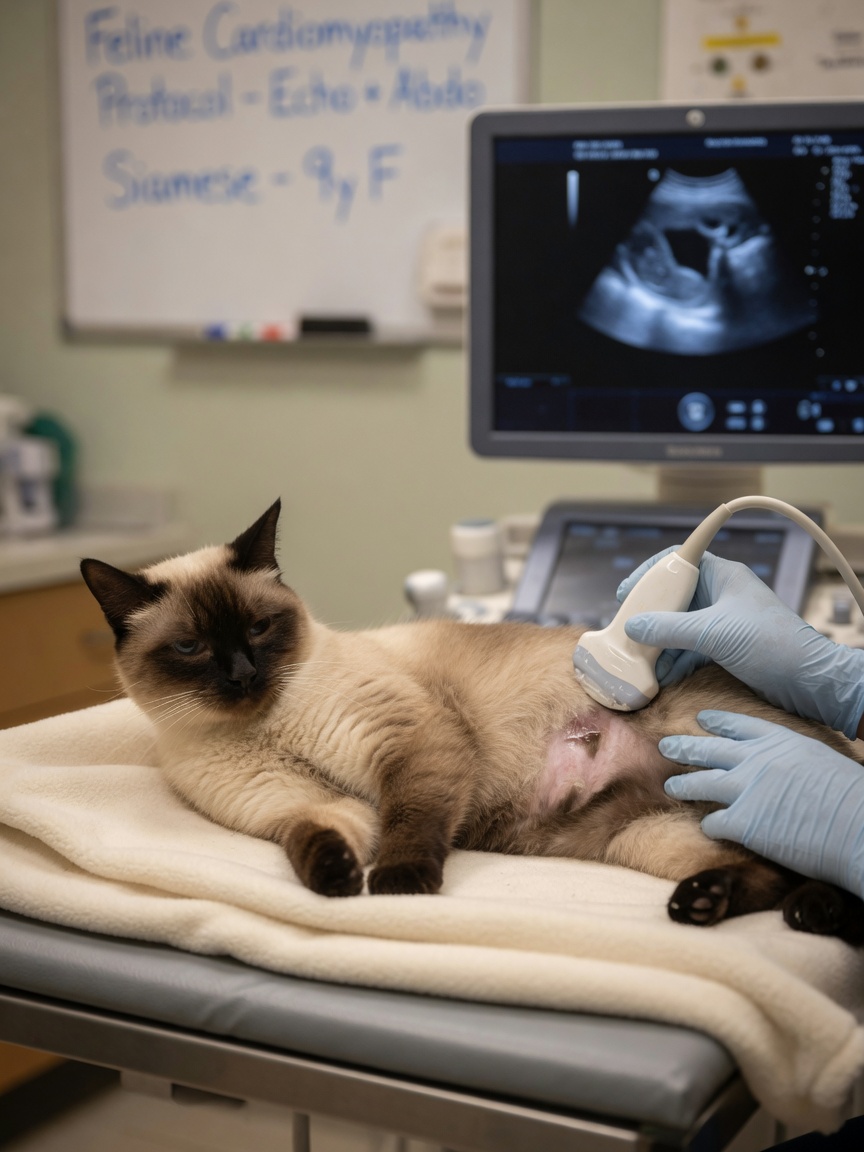
Standard diagnostic tools — blood tests, urinalysis, abdominal ultrasound — can support a clinical suspicion but cannot definitively distinguish between IBD and small cell lymphoma. Ultrasound findings such as intestinal wall thickening and changes to the mucosal layer are common to both. Even the pattern of thickening has limited discriminatory value.
The definitive diagnostic step is tissue biopsy with histopathology. Samples can be obtained either via endoscopy or through surgical full-thickness biopsy, and each approach has trade-offs. Endoscopic biopsies are less invasive but sample only the mucosal surface, which can miss deeper infiltration. Full-thickness surgical biopsies provide more information but carry greater anaesthetic risk in a cat that may already be debilitated.
Even with histopathology, cases exist where pathologists cannot definitively distinguish advanced IBD from early small cell lymphoma. In these situations, a technique called PARR — polymerase chain reaction for antigen receptor rearrangement — can determine whether the lymphocyte population is clonal (suggesting lymphoma) or polyclonal (suggesting IBD). This test is not available everywhere, but referral to a specialist centre is worthwhile when the distinction genuinely cannot be made on histology alone.
Treatment Differences
This is where the distinction between the two conditions becomes practically important. Feline IBD is typically managed with a combination of dietary modification and immunosuppressive medication. A novel protein or hydrolysed protein diet eliminates potential dietary triggers. Prednisolone is the standard first-line immunosuppressant, sometimes combined with chlorambucil in refractory cases or when GI absorption of oral prednisolone is poor.
Small cell gastrointestinal lymphoma is treated with chlorambucil and prednisolone — the same drugs used in severe IBD, but in somewhat different dose protocols. This overlap in treatment partially explains why some cases that are managed empirically appear to respond to treatment regardless of whether the correct diagnosis has been established.
Large cell lymphoma, a more aggressive form, requires a different chemotherapy protocol (typically CHOP-based), but it presents far more dramatically and is less likely to be confused with IBD.
Prognosis
The prognostic difference between well-managed IBD and small cell lymphoma is meaningful but perhaps more reassuring than many owners expect. Cats with IBD who respond well to dietary and medical management can live comfortably for years. Cats with small cell gastrointestinal lymphoma treated with chlorambucil and prednisolone have median survival times reported in multiple studies of approximately two years, with some individuals living considerably longer. It is, in feline oncology terms, one of the more manageable cancers.
Large cell lymphoma carries a much grimmer prognosis regardless of treatment, which reinforces the importance of accurate diagnosis when possible.
What to Do If Your Cat Has These Symptoms
Persistent vomiting, unexplained weight loss, and changes in appetite in a middle-aged or older cat should always prompt veterinary assessment rather than a wait-and-see approach. Early investigation allows more treatment options, better nutritional status at the start of therapy, and a more informed conversation about what lies ahead.
Ask specifically about the difference between endoscopic and surgical biopsy options, and whether PARR testing is available or can be arranged if standard histopathology is inconclusive. Specialist internal medicine or oncology referral is appropriate in complex cases and gives you access to both diagnostic expertise and the full range of treatment options. Your cat's quality of life with either diagnosis is very much worth fighting for.