
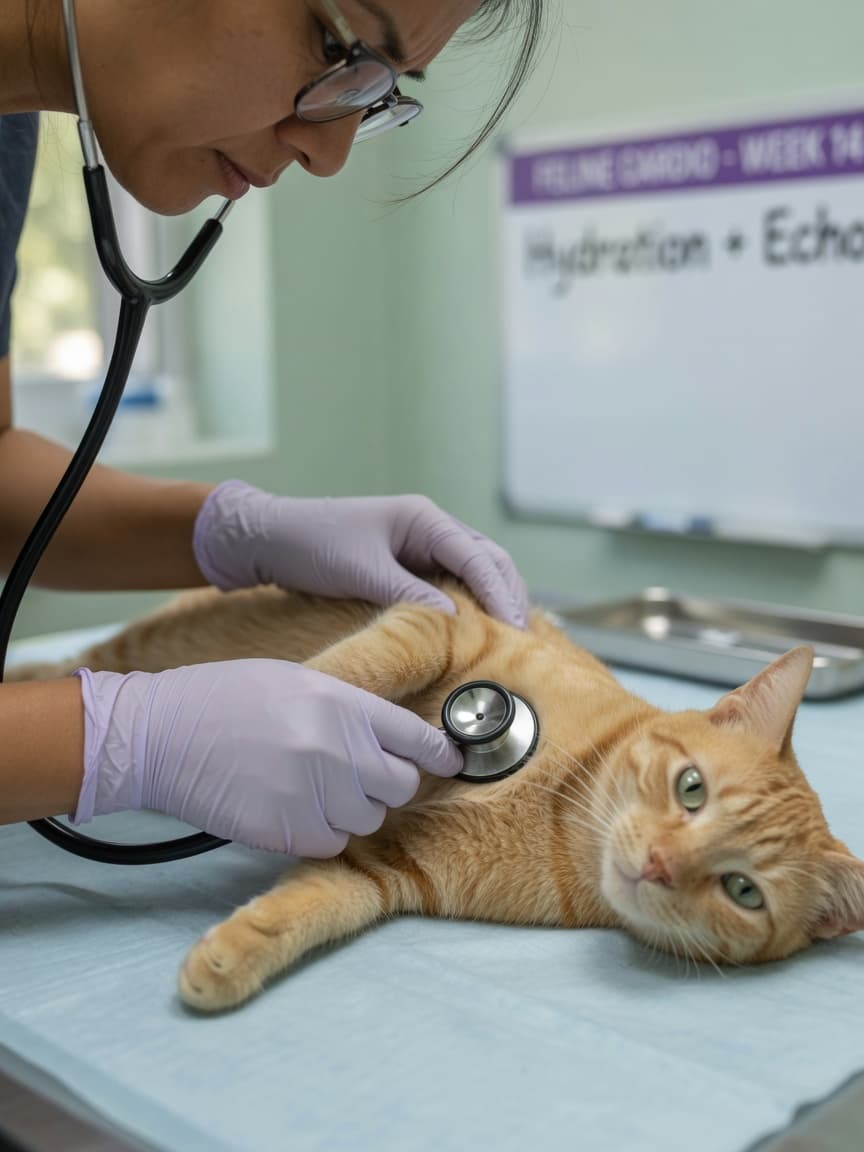
Taurine Deficiency in Cats: Why It's Non-Negotiable
By Julia Wrenfield, Pet Wellness Researcher
If you own a cat, there is one nutrient you need to understand better than any other: taurine. Most pet owners have heard the word, but very few grasp just how catastrophically important it is. Taurine deficiency is not merely a health inconvenience — it is a slow-moving emergency that silently destroys a cat's heart and eyes before most owners notice anything is wrong. By the time clinical signs appear, permanent damage has often already occurred.
This article explains exactly what taurine does, why cats cannot make their own, what happens when they don't get enough, and how to ensure your cat is protected.
Cats Are Obligate Carnivores — And That Changes Everything
Cats are classified as obligate carnivores, meaning their physiology is built around a diet of animal-based protein. Unlike dogs and humans, who are omnivores and possess metabolic flexibility, cats have evolved to rely entirely on prey animals for a wide range of nutrients — including taurine.
Most mammals, including dogs, can synthesize taurine internally from two sulfur-containing amino acids: methionine and cysteine. This conversion happens in the liver via a well-established enzymatic pathway. Cats, however, have extremely limited activity of the enzymes responsible for this conversion — specifically cysteine sulfinic acid decarboxylase (CSAD). The result is that cats produce essentially no usable taurine from dietary precursors. They must consume preformed taurine directly from animal tissue.
In the wild, this is not a problem. Prey animals — rodents, birds, fish — all contain abundant taurine, particularly in the heart and brain. A cat eating a whole prey diet is naturally protected. The crisis emerges with modern, highly processed pet foods and, paradoxically, with some raw diets that are not properly formulated.
What Does Taurine Actually Do?
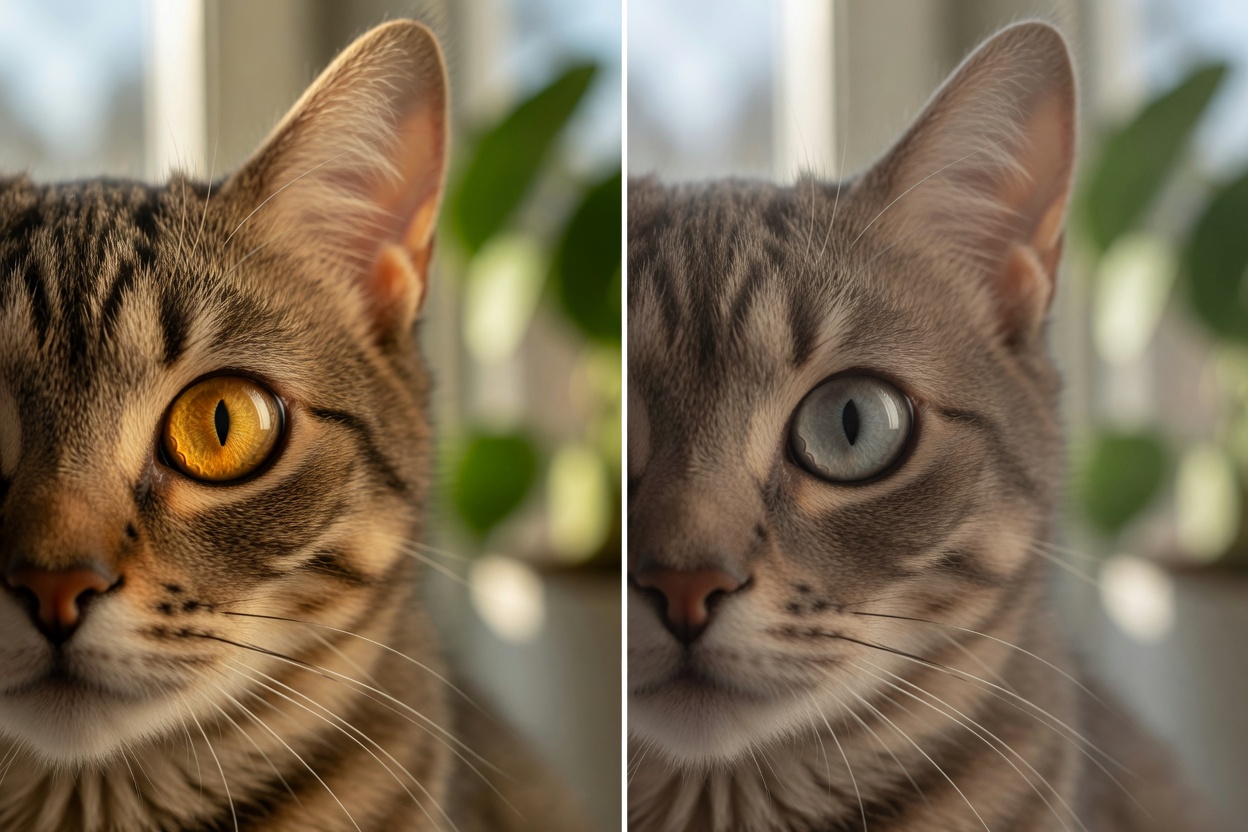
Taurine is not a structural protein. It is a sulfonic amino acid with diverse and critical functions across multiple organ systems. Understanding what it does helps explain why deficiency is so devastating.
Cardiac Function: Taurine is the most abundant amino acid in cardiac muscle. It plays a central role in regulating calcium movement within heart cells, protecting against oxidative stress, and maintaining the electrical stability of the heart. Without adequate taurine, the heart muscle weakens and the chambers dilate — a condition called dilated cardiomyopathy (DCM).
Retinal Health: The retina of the eye has the highest concentration of taurine of any tissue in the body. Taurine protects photoreceptor cells (rods and cones) from oxidative damage and light-induced degeneration. Deficiency causes a condition called feline central retinal degeneration (FCRD), in which photoreceptors die off progressively. Once destroyed, these cells do not regenerate.
Reproduction: Taurine is essential for fetal development. Queens (female cats) who are taurine-deficient produce smaller litters, experience higher rates of stillbirth and neonatal death, and give birth to kittens with developmental abnormalities including skeletal and neurological defects.
Immune Function: Taurine modulates immune cell activity, acts as an antioxidant in neutrophils (immune cells that fight infection), and helps regulate inflammatory responses. Low taurine status is associated with impaired immune competence.
Dilated Cardiomyopathy: The Cardiac Consequence
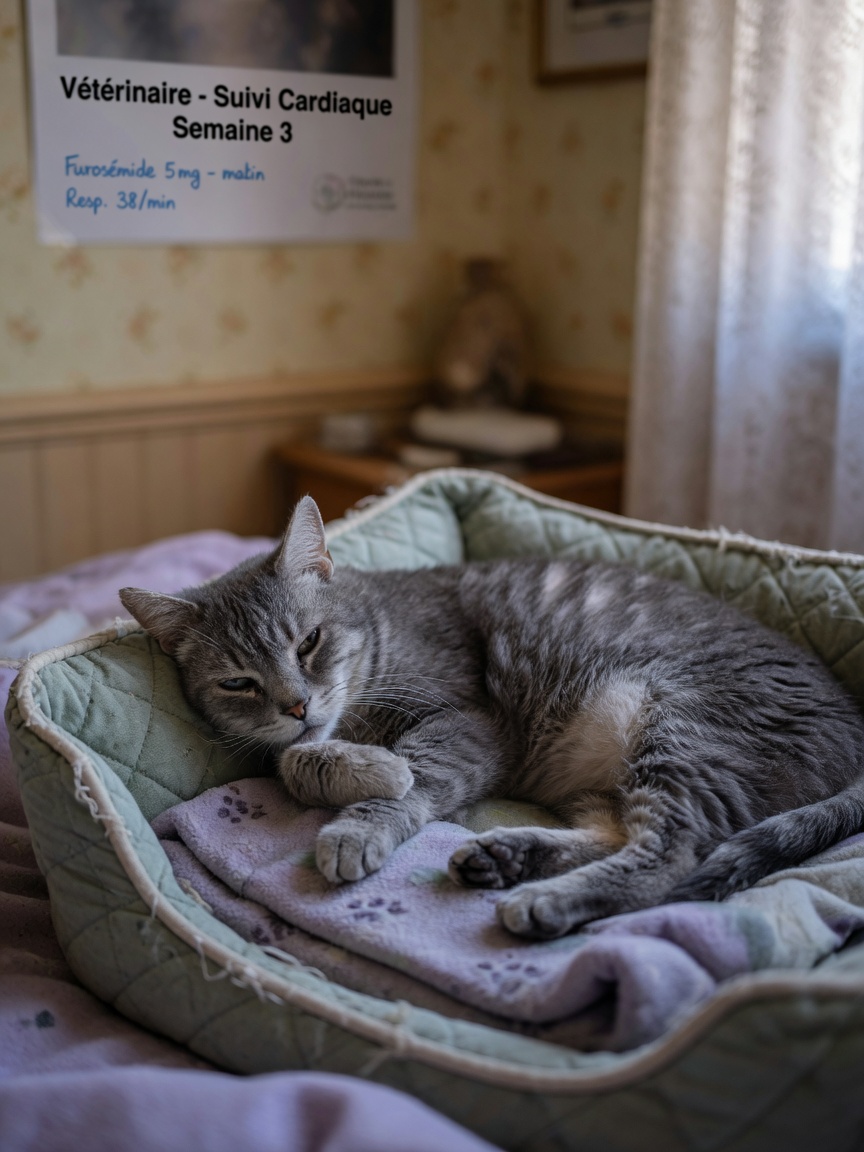
Dilated cardiomyopathy (DCM) is the most life-threatening consequence of taurine deficiency. In this condition, the heart muscle loses its ability to contract effectively. The chambers — most critically the left ventricle — dilate and thin. The heart becomes a weak, enlarged pump that cannot sustain adequate circulation.
Cats with DCM present with exercise intolerance, labored breathing, open-mouth breathing (a serious sign in cats), cold extremities, collapse, and sudden death. Pleural effusion — fluid accumulating around the lungs — is common and causes severe respiratory distress.
DCM related to taurine deficiency is partially reversible if caught early and taurine supplementation is initiated promptly. However, if the condition has progressed significantly, cardiac damage may be permanent despite supplementation.
Retinal Degeneration: The Blinding Consequence
Feline central retinal degeneration develops more slowly than DCM, which makes it even more insidious. Cats are highly adaptable and will function seemingly normally even as vision declines. Owners often do not notice until the cat is bumping into furniture in low light or failing to track moving objects.
Unlike DCM, retinal degeneration caused by taurine deficiency is largely irreversible. Photoreceptor cells, once destroyed, are gone permanently. Supplementation can halt progression but cannot restore lost vision. This makes prevention — not treatment — the only viable strategy.
Signs of Taurine Deficiency to Watch For
Early deficiency is clinically silent. By the time visible signs appear, significant damage has already occurred. That said, warning signs include:
- Gradual vision loss, particularly in dim light (bumping into objects, reluctance to move in low light)
- Dilated pupils that respond poorly to light
- Labored or rapid breathing
- Exercise intolerance or unusual lethargy
- Weight loss and muscle wasting
- Poor coat condition
- Reproductive failure in breeding queens
If you observe any combination of these signs, a veterinary evaluation including an echocardiogram and ophthalmologic examination is warranted urgently.
Why Commercial Cat Food Must Be Supplemented
The pet food industry learned about taurine's critical role in cats the hard way. In the 1980s, a wave of DCM and retinal degeneration cases in cats was traced back to commercial diets that contained insufficient taurine — partly because taurine is destroyed by high-heat processing. Since then, AAFCO (Association of American Feed Control Officials) has established minimum taurine requirements for cat food: 0.1% in dry food and 0.2% in wet food on a dry-matter basis.
Reputable commercial cat foods are supplemented to meet or exceed these levels. When choosing a cat food, look for "complete and balanced" on the label, indicating it meets AAFCO nutrient profiles. For cats with cardiac history or those eating non-standard diets, additional taurine supplementation may be appropriate under veterinary guidance.
The Raw Food Risk
Raw feeding advocates often assume that a prey-based diet is inherently taurine-sufficient. This can be true for whole-prey diets that include organ meats, particularly heart muscle, which is exceptionally rich in taurine. However, many home-prepared raw diets rely heavily on muscle meat, which contains far less taurine than heart, brain, or seafood. Boiling or cooking further destroys taurine. Raw diets without careful formulation can be just as deficient as poor-quality kibble.
If you feed a home-prepared diet — raw or cooked — work with a board-certified veterinary nutritionist to ensure taurine targets are met. Supplementation with pharmaceutical-grade taurine powder is often advisable.
For owners looking for a high-quality commercial option that takes feline amino acid requirements seriously, the complete cat food range at Zooplus includes a broad selection of wet and dry diets specifically formulated for obligate carnivore needs, with verified taurine content.
Key Takeaways
- Cats cannot synthesize taurine and must obtain it entirely from dietary animal protein.
- Taurine is essential for heart muscle function, retinal health, reproduction, and immune competence.
- Deficiency leads to dilated cardiomyopathy (potentially fatal) and retinal degeneration (irreversible blindness).
- Commercial cat foods are required to be supplemented with taurine — verify "complete and balanced" labeling.
- Home-prepared and raw diets carry a real risk of taurine deficiency without careful formulation.
- Early deficiency is clinically silent; annual veterinary check-ups help catch problems before they become irreversible.
- If your cat is on a non-standard diet, consult a veterinary nutritionist about taurine supplementation.
References
- Pion PD, Kittleson MD, Rogers QR, Morris JG. Myocardial failure in cats associated with low plasma taurine: a reversible cardiomyopathy. Science. 1987;237(4816):764-768. PMID: 3616607. doi:10.1126/science.3616607
- Sturman JA. Taurine in development. Physiological Reviews. 1993;73(1):119-147. PMID: 8419966. doi:10.1152/physrev.1993.73.1.119