
Why Is My Cat Drinking So Much Water? (Polydipsia)
Updated June 2026
- Dramatic increase in water intake paired with vomiting or lethargy
- Cat is drinking excessively but not urinating, or straining to urinate
- Signs of dehydration: sunken eyes, dry gums, skin that doesn't snap back when gently pinched
- Sudden onset of excessive thirst in an older cat — warrants same-week bloodwork
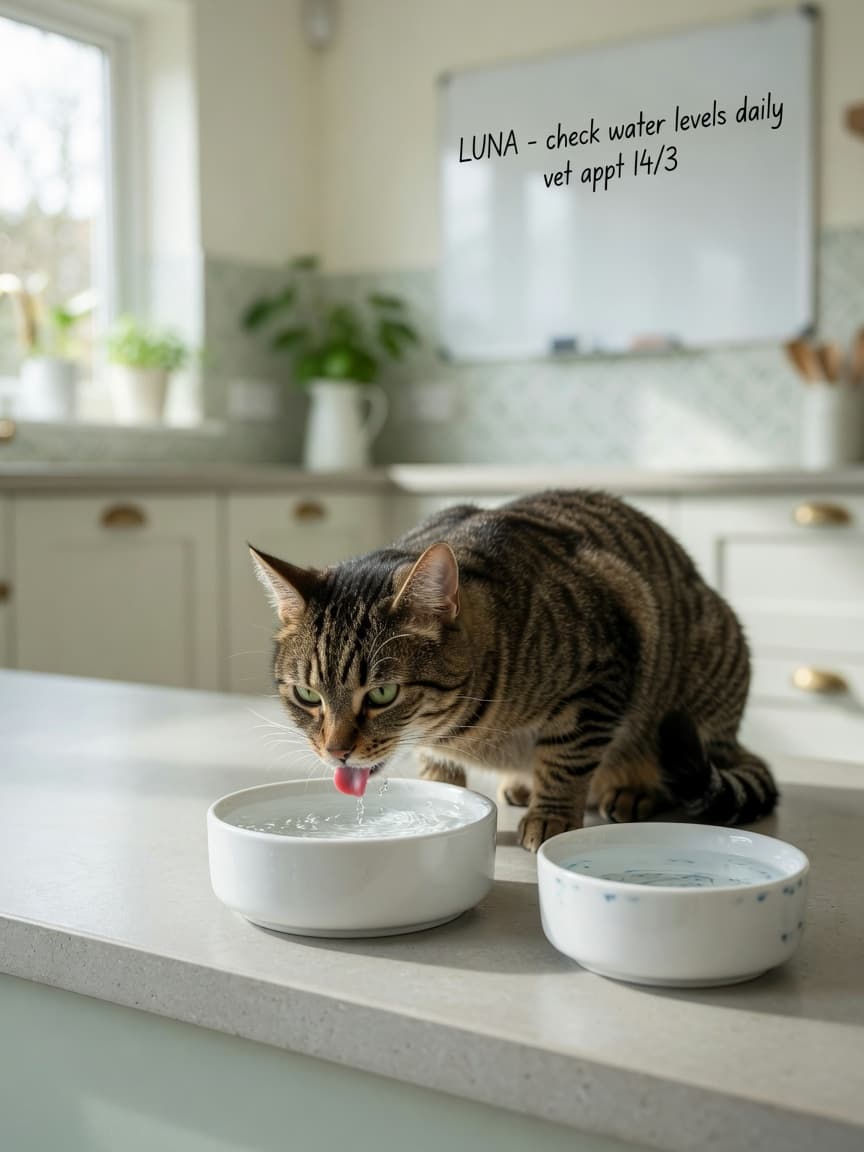
Cats evolved as desert predators and historically obtained most of their hydration from prey. A cat that is suddenly running to the water bowl multiple times a day — or drinking from running taps, the toilet, or unusual sources — is displaying polydipsia, the medical term for excessive thirst. While diet can influence how much water a cat drinks, a genuine increase in water consumption is almost always a signal worth investigating. Here's what might be driving it.
How Much Water Is Normal for a Cat?
Healthy cats eating a wet diet consume roughly 200–250 ml of water daily (much of it from food). Cats eating dry kibble drink significantly more — around 150–200 ml of additional water per day. A useful rule of thumb: if your cat is drinking more than 45 ml per kilogram of body weight per day, that constitutes polydipsia and warrants veterinary evaluation. Measuring intake for 24 hours by filling a bowl with a known amount and calculating the difference gives you a reliable baseline.
1. Chronic Kidney Disease (Most Common in Seniors)
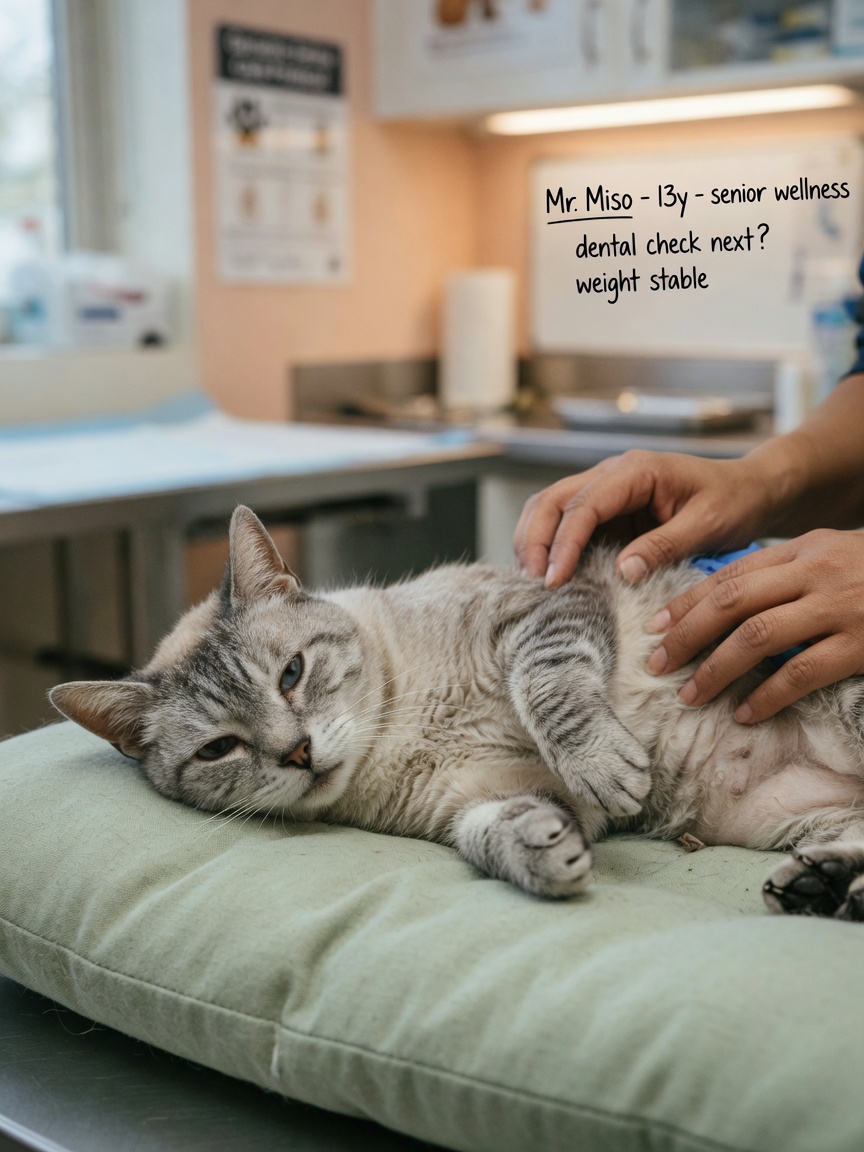
CKD damages the kidney's ability to concentrate urine, causing large volumes of dilute urine to be produced. The body responds with intense thirst to compensate for the fluid loss. This pattern — drinking and urinating more simultaneously — is called PU/PD (polyuria/polydipsia) and is the hallmark presentation of CKD. CKD affects an estimated 30–40% of cats over 10 years old. Early detection through an annual blood panel (creatinine, SDMA) allows dietary and medical management that can significantly extend comfortable life.
2. Diabetes Mellitus
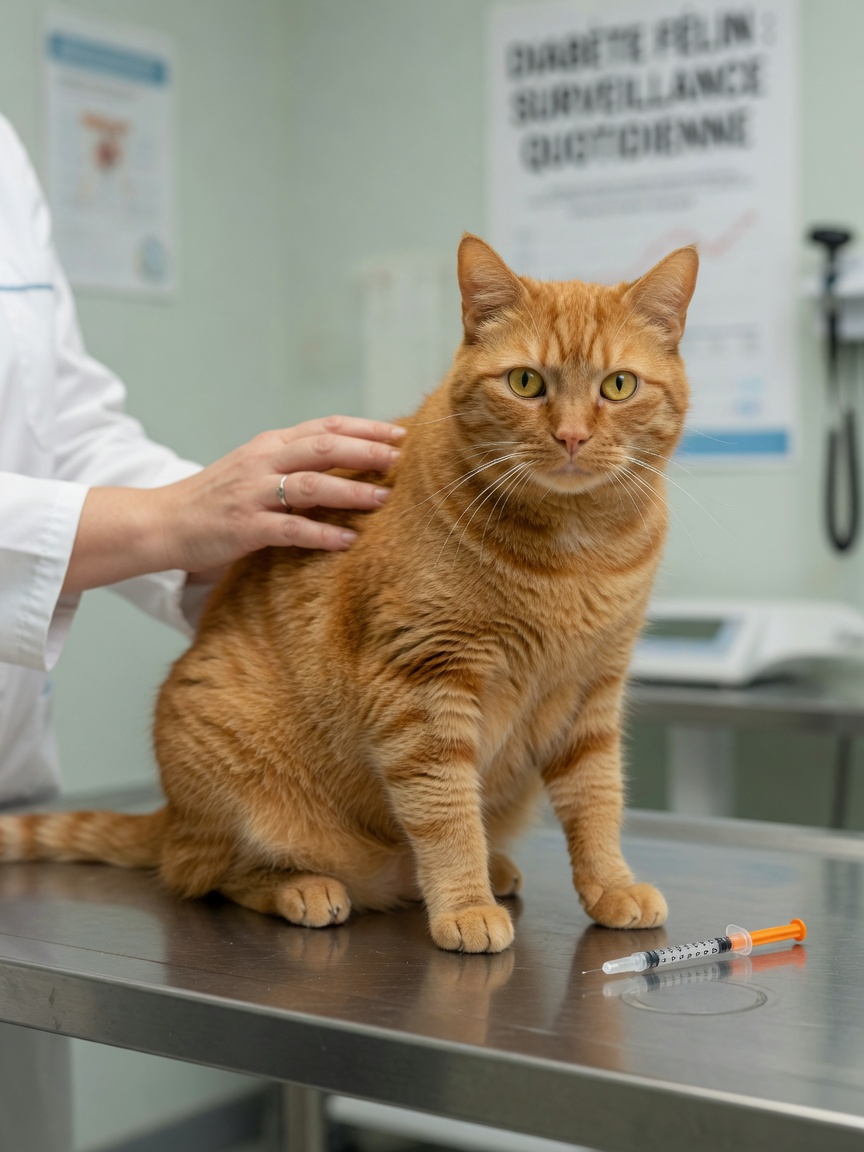
When blood glucose rises above the renal threshold in diabetic cats, glucose spills into the urine and draws water with it through osmosis — producing large amounts of glucose-laden urine and intense compensatory thirst. Diabetic cats often drink and urinate dramatically more than normal, lose weight despite eating well, and may develop a characteristic weakness in the hind legs (diabetic neuropathy). A blood glucose test and urinalysis confirm the diagnosis quickly.
3. Hyperthyroidism
Excess thyroid hormone increases metabolic rate, blood pressure, and kidney blood flow — all of which contribute to increased urine output and secondary thirst. Polydipsia is present in roughly 30–35% of hyperthyroid cats. The characteristic weight loss despite a ravenous appetite usually provides the diagnostic clue, but a blood T4 level confirms it. Hyperthyroidism can also mask underlying CKD; treating the thyroid condition may unmask renal insufficiency, which is why post-treatment monitoring is important.
4. Dietary Causes
A switch from wet to dry food dramatically increases water requirements. If your cat recently changed diets and is drinking more, this may simply be physiological compensation. Cats eating high-sodium diets (some commercial treats or human foods) also drink more. Ensuring adequate wet food in the diet — or adding a water fountain to encourage hydration — benefits urinary tract health in all cats regardless of the underlying cause.
5. Pyometra (Unspayed Females)
Pyometra — a serious uterine infection — causes systemic toxemia that impairs kidney function and drives polydipsia. It typically occurs in unspayed middle-aged to older female cats within 2 months of a heat cycle. Open pyometra may cause vaginal discharge; closed pyometra is more dangerous because there is no visible discharge. This is a veterinary emergency requiring immediate surgical intervention. Spaying eliminates this risk entirely.
6. Liver Disease
Hepatic dysfunction — from hepatic lipidosis, cholangitis, or liver tumors — alters fluid balance and can cause polydipsia. Affected cats often show concurrent signs: jaundice (yellowing of the eyes or skin), vomiting, weight loss, and reduced appetite. Liver disease is diagnosed through bloodwork, urinalysis, and abdominal ultrasound. Prognosis varies by cause, but many forms of feline liver disease respond well to appropriate treatment.
7. Psychogenic Polydipsia
Occasionally, cats drink excessively without any underlying disease — a behavioral pattern sometimes driven by boredom, stress, or a learned association with running water. This is a diagnosis of exclusion, reached only after medical causes have been ruled out by a full diagnostic workup. Environmental enrichment, puzzle feeders, and reducing stress usually resolve behavioral polydipsia.
Encourage healthy hydration in all cats by offering a pet water fountain — moving water mimics running streams and appeals to cats' natural instincts. Place water bowls away from food bowls (cats prefer not to drink near their food source in the wild). Mixing a little warm water into kibble or switching partially to wet food are also effective ways to boost daily fluid intake and support kidney health long-term.
What Tests Will Your Vet Run?
For a cat with polydipsia, a standard diagnostic workup includes a complete blood count, biochemistry panel (kidney and liver values, glucose), total thyroxine (T4), and urinalysis with specific gravity. These tests together can identify or strongly suggest the most common causes in a single visit. Abdominal ultrasound may follow if bloodwork findings warrant it. Most diagnoses can be reached within 24–48 hours of the initial appointment.
Key Takeaways
- Polydipsia (drinking more than 45 ml/kg/day) is always medically significant in cats and warrants veterinary workup.
- CKD, diabetes, and hyperthyroidism are the three most common treatable causes in cats over 7 years old.
- PU/PD (drinking and urinating more together) is the classic sign of CKD — the most prevalent disease in senior cats.
- A switch from wet to dry food increases normal water intake; rule out dietary change before attributing polydipsia to disease.
- Early diagnosis of the underlying cause dramatically improves management outcomes in all three main conditions.
References
- Sparkes AH, Caney SM, Chalhoub S, et al. ISFM consensus guidelines on the diagnosis and management of feline chronic kidney disease. J Feline Med Surg. 2016;18(3):219–239. PMID: 26936494
- Reusch CE. Feline diabetes mellitus. In: Feldman EC, Nelson RW, Reusch CE, Scott-Moncrieff JCR, eds. Canine and Feline Endocrinology. 4th ed. Elsevier; 2015. PMID: 26048964