
Leopard Gecko Care Guide for European Keepers
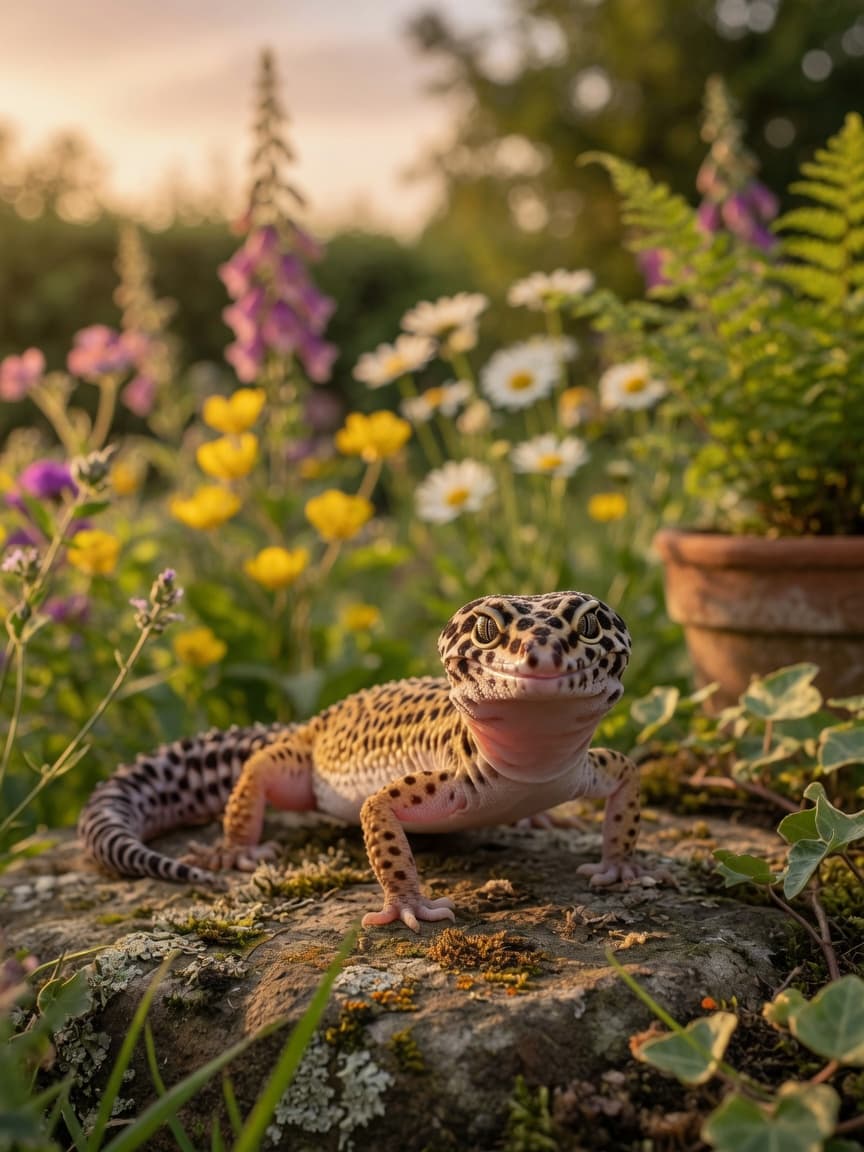
Leopard geckos (Eublepharis macularius) are consistently among the most popular reptile pets kept in Europe, and it is easy to understand why. They are manageable in size, naturally docile after gentle socialisation, visually striking in their many captive colour morphs, and comparatively straightforward to keep relative to many other reptile species. With a lifespan of 15 to 20 years under good conditions, a leopard gecko is a serious long-term commitment — but a rewarding one. This guide covers everything a European keeper needs to know about legal status, vivarium setup, heating, feeding, supplementation, and health.
Legal Status in the EU
Eublepharis macularius is not listed under any CITES appendix, and no permits or documentation are required to keep, purchase, or sell captive-bred leopard geckos within EU member states. They are legal throughout the European Union. Captive-bred leopard geckos are produced in large numbers by breeders across Germany, the Netherlands, France, the Czech Republic, and beyond, meaning there is no need to seek out wild-caught imports. Always purchase from a reputable breeder or established reptile shop — ask to see the animal feeding before purchase and request a feeding record if possible.
Vivarium Size and Design
Leopard geckos are terrestrial and nocturnal. Unlike arboreal species, they prioritise floor space over height. The minimum vivarium size for a single adult leopard gecko is 60 x 40 x 40 cm, though larger is always better. A 80 x 40 x 40 cm enclosure gives a gecko more room to thermoregulate, explore, and exhibit natural behaviours. Front-opening glass terrariums are ideal — they allow easy access and visibility while retaining heat more efficiently than mesh-topped wooden vivariums.
Never house two male leopard geckos together. Males are territorial and will fight, causing serious injuries. A single male may be housed with one or two females, provided the females are monitored for signs of stress and there is sufficient hide space for each animal to retreat independently.
Heating and Temperature Gradient
Leopard geckos are ectothermic and require a thermal gradient to regulate their body temperature. Heating is best provided via an under-tank heat mat covering approximately one third of the vivarium floor, connected to a reliable thermostat. Target temperatures are:
- Warm side surface temperature: 28–32°C
- Cool side ambient temperature: 22–25°C
- Night-time drop: temperatures can fall to 18–20°C at night, mimicking natural conditions
A thermostat is absolutely essential — never operate a heat mat without one. Unregulated heat mats can reach temperatures that cause fatal thermal burns, which are one of the most common injuries seen in poorly kept leopard geckos. Use a digital thermometer with a probe placed at the warm-side floor surface to verify temperatures accurately. Infrared temperature guns are also useful for quick spot-checks. Zooplus stocks a comprehensive range of reptile thermostats, including on/off and pulse-proportional models suitable for under-tank heating.
UV Lighting: Optional but Beneficial
Leopard geckos are crepuscular to nocturnal and were historically kept without UV lighting with reasonable success. However, current herpetological understanding has shifted: research indicates that leopard geckos do seek out low levels of UV in the wild, and that access to UV-B lighting, even at low intensity (UVI 0.5–1.5), supports vitamin D3 synthesis, calcium metabolism, and general wellbeing. A low-output UV-B tube such as an Arcadia 6% or Zoo Med Reptisun 5.0, provided for 10–12 hours daily, is now recommended by many experienced keepers and exotic vets. This does not replace calcium and D3 supplementation — it complements it.
Substrate Choices
Substrate selection for leopard geckos is a topic of genuine debate, but one principle is widely agreed upon: avoid loose particulate substrates for juveniles and for adults with any health issues. Loose sand, calcium sand, and crushed walnut shell all carry a risk of gut impaction if ingested during feeding. Suitable substrates include:
- Slate or ceramic tiles: Easy to clean, retain heat well, and allow natural nail wear
- Paper towel: Hygienic and ideal for juveniles, quarantine setups, or sick animals
- Reptile carpet: Practical and easy to replace, though monitor for loose threads
- Bioactive soil mixes with a top layer of sand: Suitable for experienced keepers only, providing natural enrichment while managing impaction risk through correct depth and composition
Hides and Enrichment
Leopard geckos require a minimum of three hides: one on the warm side, one on the cool side, and one moist hide for shedding. Hides should fit the gecko snugly — a tight fit provides a sense of security that a large open cave does not. The moist hide is particularly important during ecdysis (skin shedding): fill it with dampened sphagnum moss or paper towel and ensure your gecko can access it freely in the days leading up to a shed. Additional enrichment such as cork bark, low artificial plants, and slate ledges adds behavioural complexity and reduces stress.
Diet and Supplementation
Leopard geckos are insectivores. Their diet should be based on a variety of live feeder insects to ensure nutritional completeness and mental stimulation through hunting behaviour. Suitable feeders include:
- Crickets (Acheta domesticus): A nutritious staple that encourages natural hunting
- Dubia roaches: Higher in protein than crickets, lower in chitin; excellent staple feeder
- Mealworms (Tenebrio molitor larvae): Accepted readily but high in fat; use as a supplement not a staple
- Waxworms (Galleria mellonella larvae): Very high in fat; use only as an occasional treat or to stimulate appetite in an underweight gecko
Gut-load feeder insects with nutritious food (vegetables, commercial gut-load mix) for at least 24 hours before offering them to your gecko. Dust every insect with a calcium and vitamin D3 powder for juveniles fed daily, and every other feeding for adults. Pure calcium (without D3) can be offered in a small dish for the gecko to self-regulate. Without adequate calcium and D3, leopard geckos develop metabolic bone disease — one of the most common and entirely preventable conditions seen in captivity. Zooplus carries a selection of reptile supplements including Repashy and Exo Terra products suitable for leopard geckos.
Water
Always provide a shallow water dish large enough for your gecko to drink from but shallow enough to prevent drowning. Refresh water daily and clean the dish weekly. Leopard geckos obtain most of their moisture from prey but do drink, particularly in the period surrounding a shed.
Common Health Issues
- Metabolic bone disease (MBD): Caused by calcium or D3 deficiency. Signs include rubbery or deformed limbs, tremors, difficulty walking, and jaw deformity. Prevented entirely by correct supplementation. Requires urgent veterinary intervention if present.
- Cryptosporidiosis: A protozoal gut infection caused by Cryptosporidium varanii. Presents as progressive weight loss despite a maintained appetite — known as "stick tail disease" in its advanced form. No licensed cure exists; management focuses on supportive care. Infected animals must be strictly isolated to prevent transmission.
- Retained shed (dysecdysis): Incomplete shedding, often with skin retained around the toes or tail tip. Retained skin on digits constricts circulation and can cause toe loss if not removed. Soak the affected area in shallow lukewarm water and gently assist removal. Increase humidity and check moist hide provision.
- Respiratory infection: Mucus, wheezing, and open-mouth breathing. Usually linked to temperatures that are too low or draughty conditions. Requires veterinary antibiotic treatment.
Leopard geckos rarely require emergency veterinary care when husbandry is correct, but regular check-ups with a reptile-experienced vet are worthwhile, particularly to screen for internal parasites. Seek a vet with ECZM (European College of Zoological Medicine) herpetology credentials or demonstrable exotic animal experience — general practitioners are rarely equipped to assess reptile health. Many European countries have dedicated exotic animal clinics, particularly in cities with veterinary faculties.
Sourcing Leopard Geckos and Equipment in the EU
Leopard geckos are bred by a large and active community of European hobbyists, particularly in Germany, the Netherlands, and the Czech Republic. National herpetological societies and online reptile forums are excellent starting points for locating reputable breeders who can provide health and feeding records. Avoid purchasing leopard geckos from general pet shops unless you can verify they are captive-bred and feeding well. Vivarium equipment — thermostats, heat mats, hides, supplements, and UV lighting — can be conveniently sourced from Zooplus or specialist EU reptile retailers. With the right setup and a commitment to consistent husbandry, a leopard gecko will be a healthy, engaging companion for two decades.