ForPetsHealthcare
Reptiles & Amphibians

How Long Do Turtles Live?

By Julia WrenfieldUpdated August 4, 20263 min read
Evidence-based · Sources checked
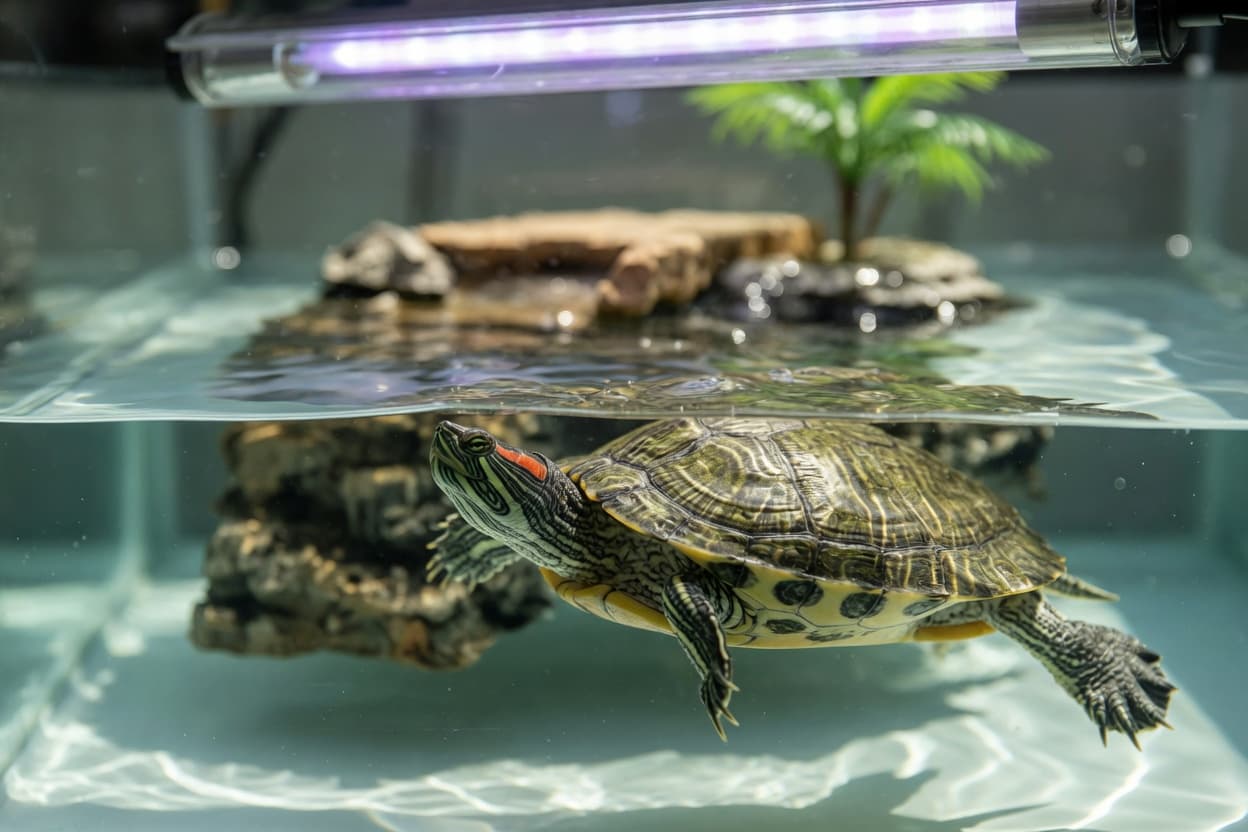
{"en": "Adult turtle with patterned shell on natural background, representing long-lived pet species", "es": "Tortuga adulta con caparaz\u00f3n patterned en fondo natural, representando especies mascotas longevas", "fr": "Tortue adulte avec carapace motifs sur fond naturel, repr\u00e9sentant les esp\u00e8ces animales de compagnie long\u00e9vives", "de": "Erwachsene Schildkr\u00f6te mit gemustertem Panzer auf nat\u00fcrlichem Hintergrund, repr\u00e4sentiert langlebige Haustierarten", "nl": "Volwassen schildpad met gemotiveerde schaal op natuurlijke achtergrond, vertegenwoordigt langlevende huisdiererarten", "pt": "Tartaruga adulta com casco padronizado em fundo natural, representando esp\u00e9cies de animais de estima\u00e7\u00e3o longevos", "it": "Tartaruga adulta con guscio decorato su sfondo naturale, rappresenta specie di animali domestici longevi"}

Thinking about welcoming a turtle into your home? Before you commit to this scaly companion, you should know one important fact: turtles are exceptionally long-lived pets. Unlike most other household animals, many turtle species can live for several decades, and some may even outlive their owners. This comprehensive guide will help you understand turtle longevity, what factors influence their lifespan, and how to ensure your shelled friend enjoys a healthy, lengthy life.

Understanding Turtle Lifespans by Species

Turtle longevity varies dramatically depending on the species you choose. Here's what you can typically expect:

  • Red-eared slider turtles: 20–40 years in captivity
  • Greek tortoises: 50–100+ years
  • Box turtles: 50–100+ years
  • Painted turtles: 15–50 years
  • Map turtles: 15–30 years
  • Leopard tortoises: 50–100+ years

It's worth noting that tortoises (terrestrial turtles) generally live longer than aquatic or semi-aquatic turtle species. Giant tortoises found in the Galápagos and Aldabra can reach 100–150 years, though these are rarely kept as pets in Europe.

Factors That Influence Turtle Longevity

While genetics play a significant role in determining your turtle's lifespan, environmental conditions and care practices make an enormous difference. Here are the key factors affecting how long your turtle will live:

  • Temperature regulation: Turtles require proper basking areas and water temperatures to maintain metabolic health. Inadequate heating can significantly shorten their lifespan.
  • Diet and nutrition: A balanced diet with appropriate proteins, vegetables, and calcium is essential. Nutritional deficiencies can lead to shell deformities and organ damage.
  • Tank size and environment: Adequate space, proper filtration, and enrichment activities contribute to overall wellbeing and longevity.
  • Veterinary care: Regular check-ups with a reptile-savvy veterinary surgeon can identify and treat health issues early.
  • Stress levels: A calm environment reduces stress-related illness and promotes healthier aging.

Providing Optimal Living Conditions
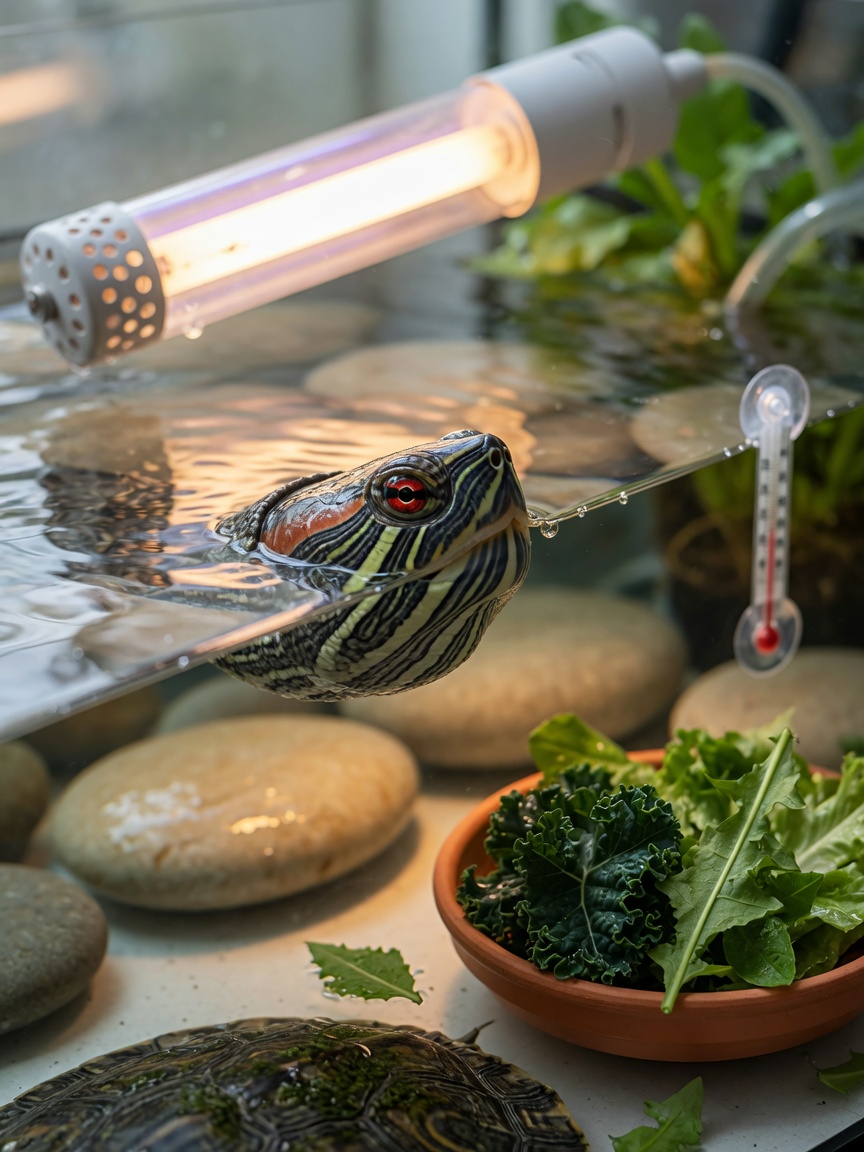
Turtle in aquarium with UVB lighting, basking area, and fresh vegetables in feeding dish

To maximise your turtle's lifespan, you'll need to invest in proper setup and maintenance. Here's what's essential:

  1. Habitat size: Your tank should be at least 40 litres for a juvenile turtle, with larger enclosures needed as they grow. Adult aquatic turtles typically need 75–150+ litres.
  2. Water quality: Install a reliable filtration system and perform regular water changes (25–50% weekly). Test water parameters monthly.
  3. Heating and lighting: Provide a UVB lamp (10–12 hours daily) and a basking area maintained at 25–32°C depending on species.
  4. Nutritionally complete diet: Feed a mix of commercial turtle pellets, fresh vegetables, and occasional protein sources such as crickets or small fish.

Common Health Issues That Affect Lifespan

Poor husbandry can lead to serious health problems that shorten a turtle's life. Watch for signs of respiratory infections, shell rot, metabolic bone disease, and parasites. Regular veterinary care is the best preventative approach. A reptile veterinary surgeon can screen for these conditions and provide treatment before they become life-threatening.

Key Takeaways for Turtle Owners

Before adopting a turtle, consider whether you're prepared for a long-term commitment spanning decades. Turtles require consistent care, proper nutrition, adequate space, and veterinary attention. With the right environment and dedication, your turtle can thrive well into old age. Remember: choosing a turtle means choosing a companion who may be with you for 30, 50, or even 100 years. Make sure you're ready for that wonderful journey.

#how long do turtles live#forpetshealthcare

Sources & further reading

This article is based on peer-reviewed veterinary research and reputable animal-health sources. Explore the underlying science in our Research Library.

Related articles

Why Frogs Croak

If you've ever wondered about that distinctive ribbit sound echoing from your garden pond on a warm evening, you're not alone. Frog croaking is one of nature's most recognisable sounds, yet many pet owners don't realise that these fascinating amphibians are actually communicating in sophisticated wa…

Read more →

What Fluttering Claws Mean in Red-Eared Sliders

If you've noticed your red-eared slider turtle rapidly fluttering or vibrating its front claws whilst facing another turtle or even the glass of its enclosure, you may have wondered what this peculiar behaviour means. This distinctive gesture is actually one of the most important communication signa…

Read more →

Should You Keep a Diamondback Terrapin as a Pet?

Diamondback terrapins are captivating creatures with their distinctive diamond-patterned shells and intriguing semi-aquatic lifestyle. However, before you decide to bring one home, it's essential to understand what caring for these remarkable reptiles truly involves. These turtles are protected in m…

Read more →

Do Leopard Geckos Need UVB?

If you're considering a leopard gecko as a pet or already caring for one, you've likely wondered about UVB lighting. This question sits at the heart of modern reptile care, with passionate opinions on both sides. The truth is nuanced: whilst leopard geckos are primarily nocturnal and don't require U…

Read more →

Can More Than One Bearded Dragon Live Together?

Many new bearded dragon owners wonder whether these fascinating reptiles can share a living space. It's a natural question, especially if you're considering expanding your scaled family or simply want to maximise your setup efficiency. However, the straightforward answer is that bearded dragons are …

Read more →

Why Does the Water in Your Turtle Tank Turn Green?

If you've noticed your turtle's tank water has turned an unpleasant shade of green, you're not alone. This common problem frustrates many turtle owners and indicates that something needs attention. The good news is that green tank water is entirely preventable once you understand what causes it. In …

Read more →
Disclaimer:This article is for informational purposes only and does not constitute veterinary advice. Always consult a qualified veterinarian for your pet's health concerns.

Free newsletter

Pet health tips, straight to your inbox

Weekly science-backed advice for dog & cat owners. No spam, unsubscribe anytime.