
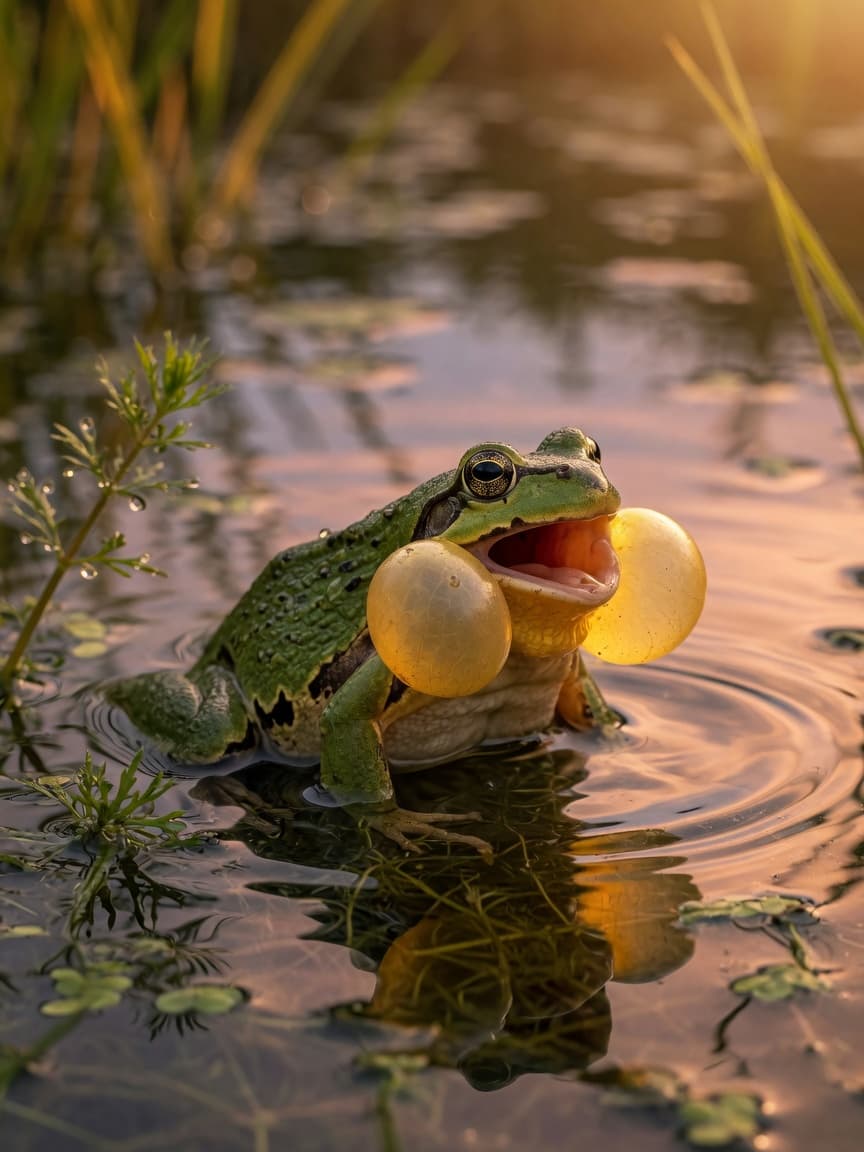
If you've ever wondered about that distinctive ribbit sound echoing from your garden pond on a warm evening, you're not alone. Frog croaking is one of nature's most recognisable sounds, yet many pet owners don't realise that these fascinating amphibians are actually communicating in sophisticated ways. Whether you're keeping pet frogs or simply curious about the wildlife in your garden, understanding why frogs croak will deepen your appreciation for these remarkable creatures and help you create better environments for them.
The Primary Purpose: Mating Calls
The main reason frogs croak is to attract mates. During breeding season—typically spring and early summer in the UK—male frogs produce loud vocalisations to establish their presence and appeal to females. Each species has its own distinctive call, which acts like a biological identification card. The females recognise and respond to their own species' calls, ensuring they breed with compatible partners. This is crucial for successful reproduction in amphibians.
The intensity and frequency of croaking increase dramatically during peak breeding season. A single male might croak hundreds of times per night, particularly just after sunset when conditions are optimal for sound transmission through water and air.
How Frogs Produce Sound
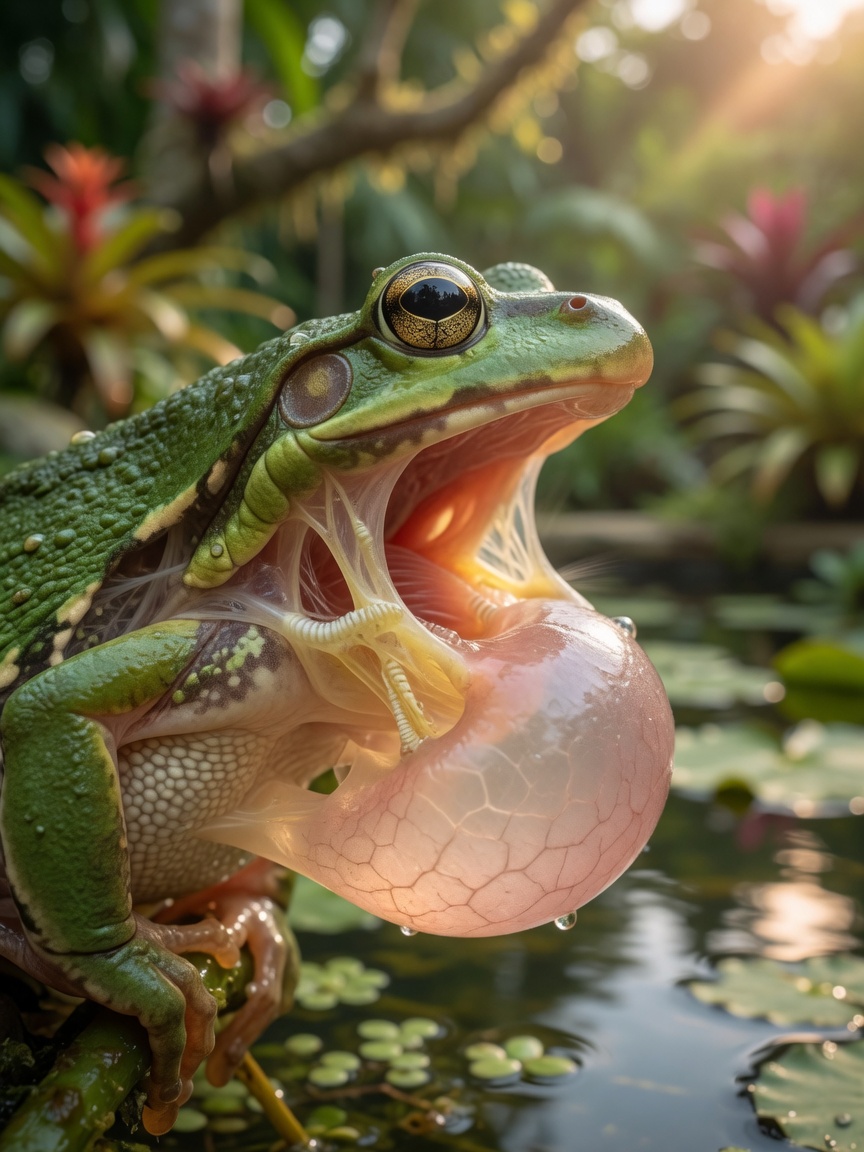
The mechanics of frog vocalisation are fascinating. Frogs produce sound using vocal sacs—specialised pouches of skin located either on the sides of their heads or beneath their chins, depending on the species. When a frog croaks:
- Air is pushed from the lungs across the vocal cords
- The vocal cords vibrate, creating sound frequencies
- The vocal sacs inflate and resonate, amplifying the sound significantly
- The sound can travel considerable distances through water and air
This amplification system is remarkably efficient. Some frog species can produce calls exceeding 100 decibels—louder than a chainsaw—despite their small body size. Only male frogs possess functional vocal sacs, which explains why you'll only hear the males croaking.
Territorial Communication
Beyond mating calls, frogs croak to establish and defend their territory. Male frogs compete for the best breeding locations, typically near shallow water where eggs can develop safely. Their croaks serve as acoustic boundaries, warning other males to stay away. A dominant frog's call is typically louder and more aggressive than a subordinate's, communicating its strength and status without physical combat.
Environmental and Weather Factors
Frog croaking activity is heavily influenced by environmental conditions. Factors that increase croaking include:
- Warm temperatures—frogs are more active when warm
- Humidity—moisture in the air helps sound transmission
- Recent rainfall—triggers breeding behaviour instincts
- Calm, clear evenings—sound travels better without wind
- Absence of predators—frogs feel safer vocalising when risks are low
This is why you'll notice intense croaking after a warm spring rain—the frogs interpret these conditions as ideal for breeding.
Supporting Frogs in Your Garden
If you'd like to encourage healthy frog populations and enjoy their natural chorus, consider:
- Installing a shallow pond with aquatic plants
- Providing shelter such as logs, stones, and dense vegetation
- Avoiding pesticides that eliminate their insect food sources
- Keeping the area as natural and undisturbed as possible during spring breeding season
- Ensuring water sources remain accessible year-round
Key Takeaways
Frog croaking is a natural, essential behaviour driven primarily by reproductive instincts and territorial defence. Each croak represents a frog's attempt to find a mate and secure breeding space. Understanding this behaviour helps us appreciate these amphibians as complex, communicative creatures rather than simply viewing their sounds as background noise. By creating suitable garden habitats and respecting their breeding seasons, we can coexist peacefully with these important members of our ecosystems whilst enjoying one of nature's most authentic soundtracks.