
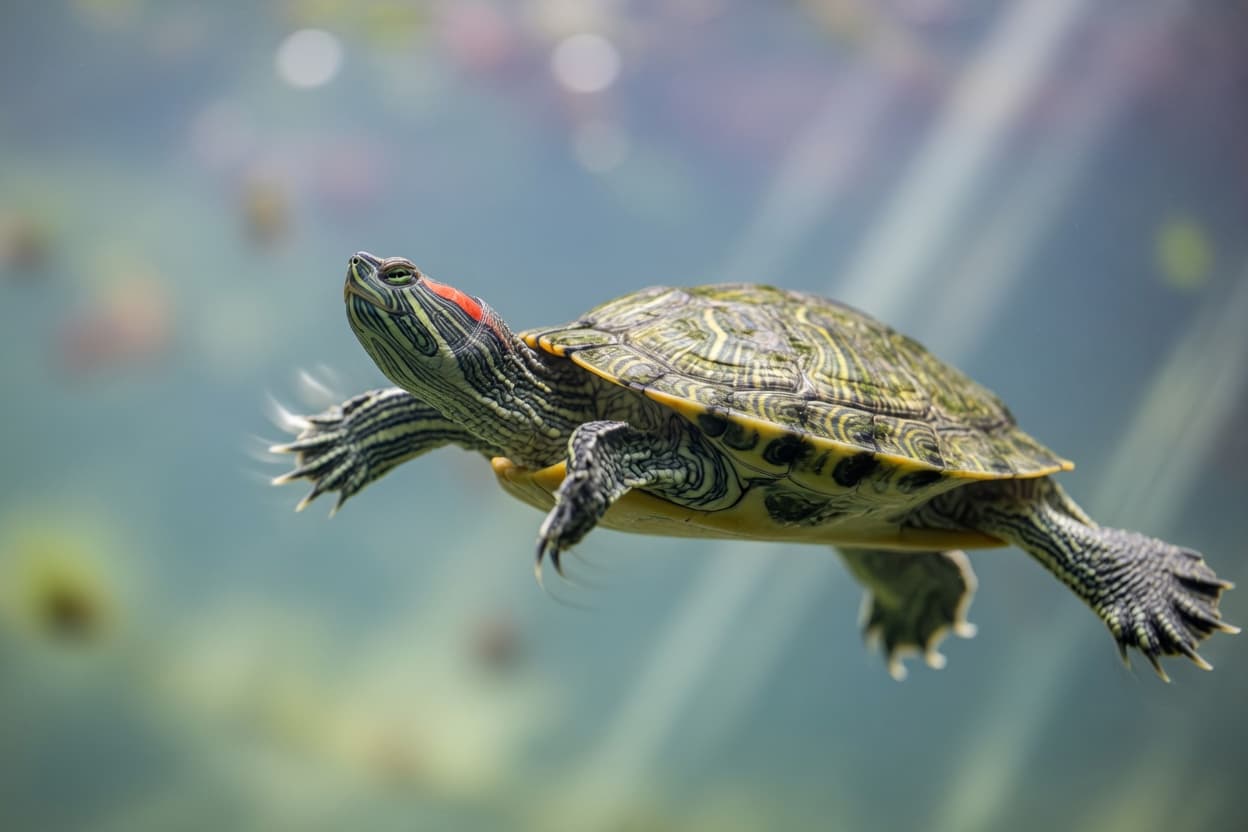
If you've noticed your red-eared slider turtle rapidly fluttering or vibrating its front claws whilst facing another turtle or even the glass of its enclosure, you may have wondered what this peculiar behaviour means. This distinctive gesture is actually one of the most important communication signals in red-eared slider behaviour, and understanding it can help you provide better care and recognise what your shelled friend is trying to tell you. Whether it indicates mating behaviour, territorial displays, or signs of distress, claw fluttering is a window into your turtle's emotional and physical state.
Courtship and Mating Behaviour
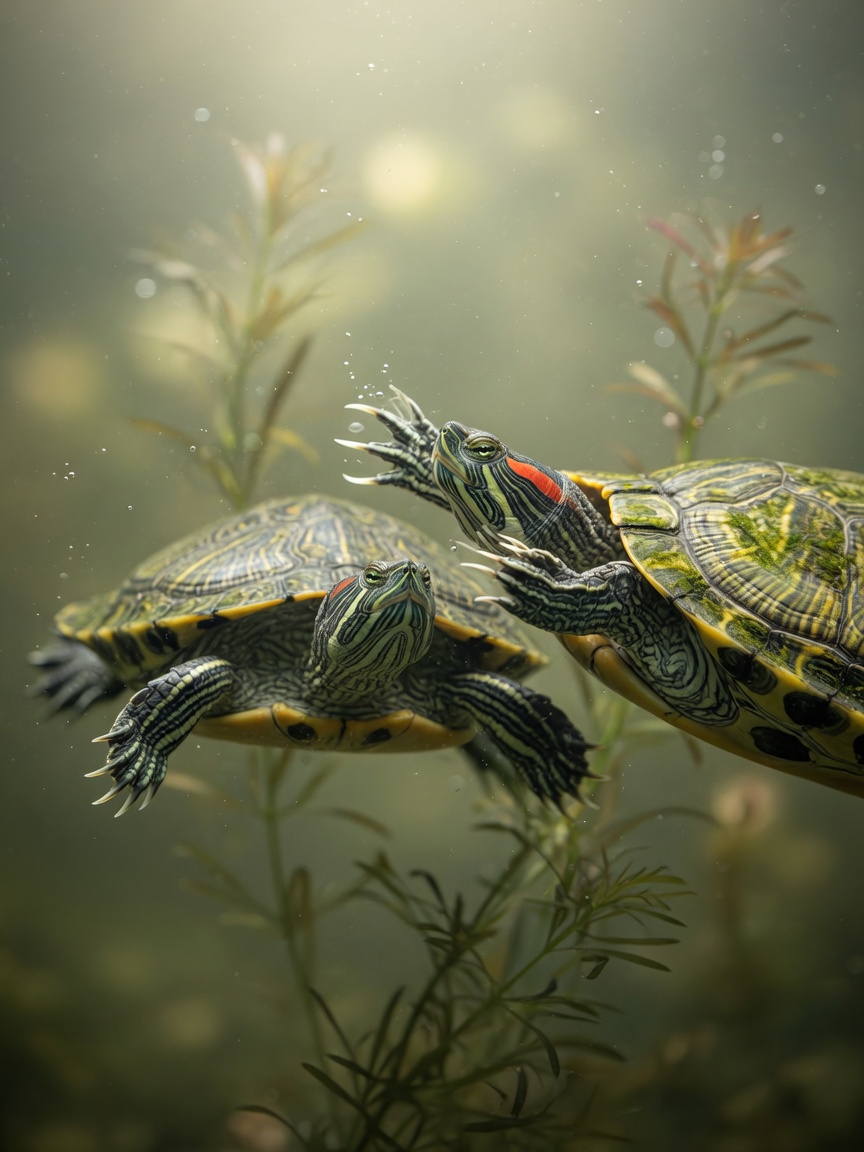
The most common reason you'll observe claw fluttering in red-eared sliders is during courtship displays. Male turtles perform this behaviour to signal their intentions to females, typically swimming in front of them whilst rapidly vibrating their front claws against the female's face and shell. This gesture is part of an elaborate courtship ritual and is generally considered a positive sign of reproductive readiness.
- Males perform claw fluttering as a primary courtship signal
- The behaviour is often accompanied by slow, deliberate swimming movements
- Females may respond with acceptance or avoidance depending on receptiveness
- This behaviour is most common during warmer months or after temperature fluctuations
Territorial and Dominance Displays
Red-eared sliders are territorial creatures, and claw fluttering can serve as a warning or dominance signal. When housed with other turtles, you may observe this behaviour when one turtle is asserting its position within the social hierarchy. This is particularly common in tanks with multiple males or during feeding times when competition for resources increases.
If you notice aggressive fluttering accompanied by chasing, shell-ramming, or aggressive feeding behaviours, it may indicate overcrowding or insufficient space. Each turtle requires adequate territory to reduce stress and prevent injuries.
Stress and Environmental Concerns
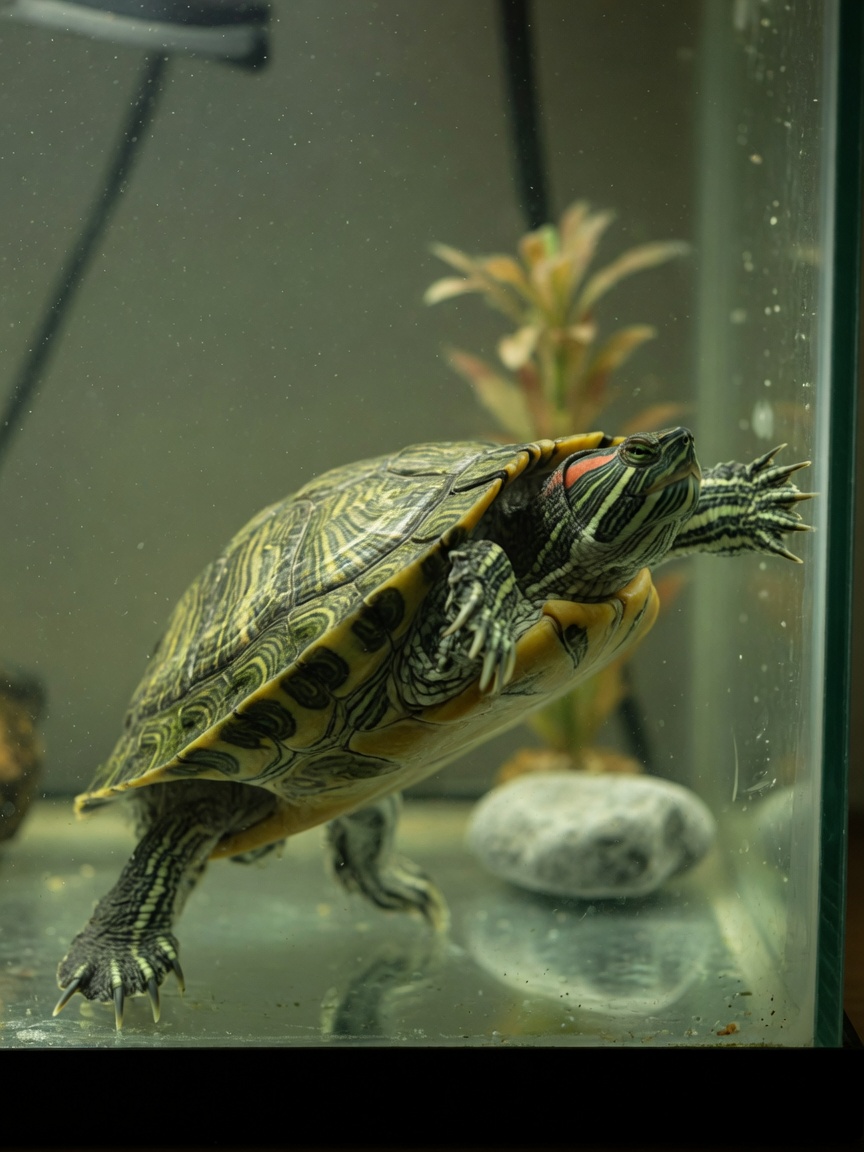
Whilst claw fluttering is often a natural behaviour, excessive or frantic fluttering—particularly when directed at the glass—may signal underlying stress or health concerns. This can occur when:
- The enclosure is too small for the turtle's needs
- Water temperature is fluctuating or inappropriate
- Water quality has deteriorated due to inadequate filtration
- The turtle is experiencing illness or discomfort
- Lighting conditions are insufficient (UVB exposure)
If your slider displays frantic claw fluttering against the tank walls repeatedly, it's worth evaluating their living conditions immediately.
Distinguishing Between Normal and Abnormal Behaviour
Understanding the context of claw fluttering is essential for proper care. Normal, healthy fluttering occurs during social interactions with other turtles and is rhythmic and controlled. The turtle appears calm and confident. Conversely, abnormal fluttering is frantic, repetitive, and often directed persistently at tank walls or objects, suggesting the turtle may be distressed or unwell.
Creating a Supportive Environment
To ensure your red-eared slider engages in healthy natural behaviours rather than stress-induced fluttering, maintain optimal living conditions:
- Provide a tank of at least 75 litres for a single adult turtle
- Maintain water temperature between 24-28°C with a basking area of 30-32°C
- Install appropriate UVB lighting (10-12 hours daily)
- Perform regular water changes and maintain excellent filtration
- Minimise stress through appropriate tank mates and adequate space
- Monitor behaviour changes that may indicate illness
Key Takeaways
Claw fluttering in red-eared sliders is primarily a natural communication behaviour, most commonly associated with courtship and social interaction. However, context matters significantly. Rhythmic, purposeful fluttering during turtle interactions is healthy and expected, whilst frantic, repetitive fluttering may indicate stress or environmental problems requiring immediate attention. By observing your turtle's behaviour within the broader context of their health, tank conditions, and social interactions, you'll develop a deeper understanding of their needs and ensure they thrive in your care.