

CBD Side Effects in Pets: What to Watch For & When to Stop
By Julia Wrenfield, Pet Wellness Researcher
CBD (cannabidiol) has earned a reputation as a gentle, well-tolerated supplement for companion animals — and the clinical evidence broadly supports that reputation. But "well tolerated" does not mean "without risk," and pet owners deserve a complete, honest picture of what adverse effects are possible, how common they are, and what distinguishes a minor adjustment issue from a signal to stop treatment entirely.
This article covers the full spectrum of known CBD side effects in pets, their likely causes, and a practical framework for monitoring your animal and making informed decisions with your veterinarian.
What the Research Shows About CBD Safety in Pets
The most rigorous safety data for CBD in companion animals comes from two landmark studies. The Gamble et al. 2018 study (PMID 29686786) from Cornell University — a placebo-controlled trial in dogs with osteoarthritis receiving 2 mg/kg CBD twice daily — found no clinically significant adverse events. The researchers did note a mild, transient increase in serum alkaline phosphatase (ALP) in some treated dogs, a liver enzyme marker that normalized after treatment ended.
The McGrath et al. 2019 epilepsy study (PMID 31067185) at Colorado State University similarly found CBD well tolerated in canine epilepsy patients at 2.5 mg/kg twice daily, with the most common adverse effects being mild and transient: diarrhea and sedation.
Both studies underscore that side effects, when they occur, are typically dose-dependent and reversible upon dose reduction or discontinuation. This is reassuring — but it also means that careful dose titration and monitoring are not optional.
Common Side Effects: Mild and Usually Manageable
Sedation and Lethargy
The most frequently reported side effect in dogs and cats is drowsiness, particularly at higher doses. CBD's interaction with serotonin receptors and its indirect enhancement of anandamide — the body's own calming endocannabinoid — can produce a calming effect that tips into sedation if the dose exceeds the animal's threshold. This is dose-dependent: halving the dose typically resolves excessive drowsiness within 24–48 hours. Mild calm is usually the therapeutic goal; sedation is a sign you've exceeded it.
Gastrointestinal Upset
Diarrhea, loose stools, or vomiting are reported by some pet owners, especially when CBD is introduced abruptly at a full dose rather than titrated gradually. The carrier oil used in CBD preparations (often MCT or hemp seed oil) can itself cause GI upset in sensitive animals if given without food. Always administer CBD with a small meal to buffer potential GI effects, and introduce the dose gradually over 1–2 weeks.
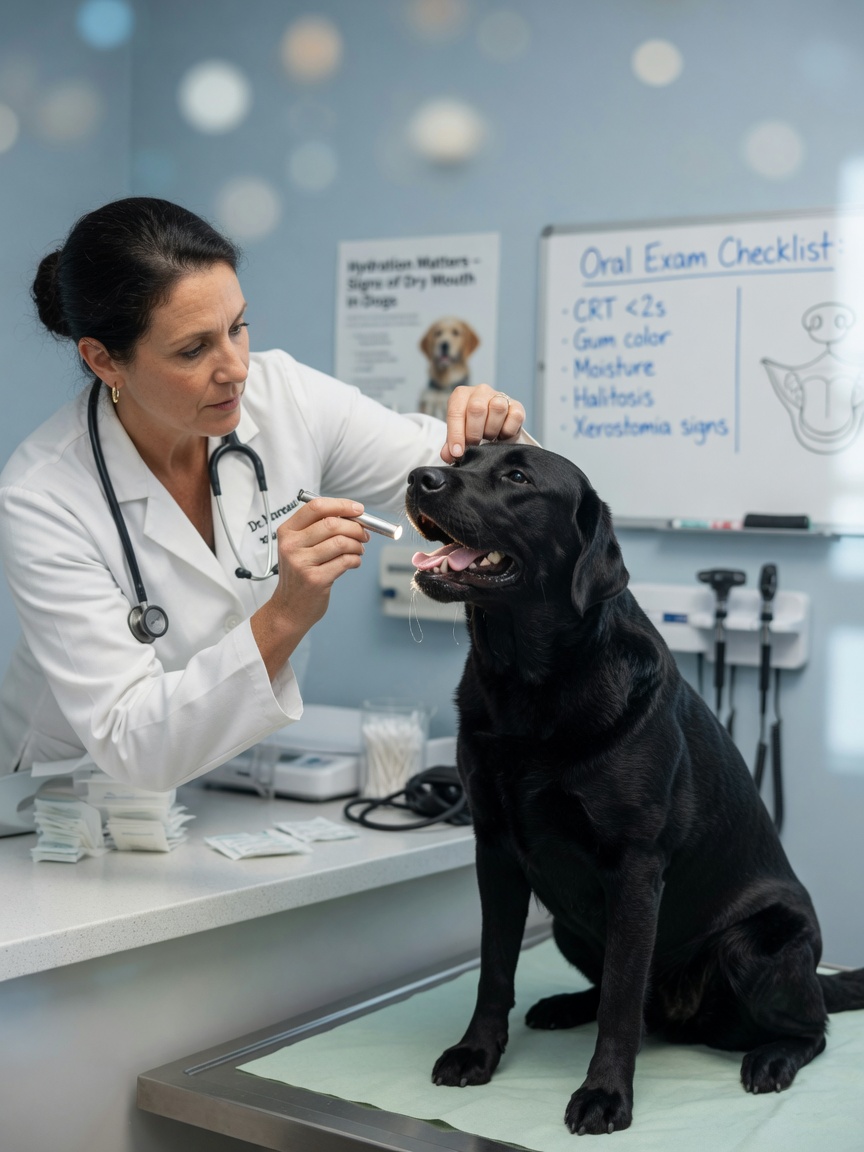
Dry Mouth (Reduced Saliva Production)
CBD has been shown to decrease saliva production in some mammals through CB1 receptor effects in salivary glands. In pets, this may manifest as increased water drinking. While not harmful, owners may mistake it for a sign of illness. Monitor water intake during the first week of CBD use and note any significant increases.
Temporary Drop in Blood Pressure
High doses of CBD may cause a brief reduction in blood pressure, which can manifest as light-headedness or momentary unsteadiness (ataxia) immediately after administration. This is more likely in dogs receiving doses toward the higher end of the clinical range and is typically brief. Pets with pre-existing cardiovascular conditions should only use CBD under direct veterinary supervision.
Less Common but Important: Liver Enzyme Changes
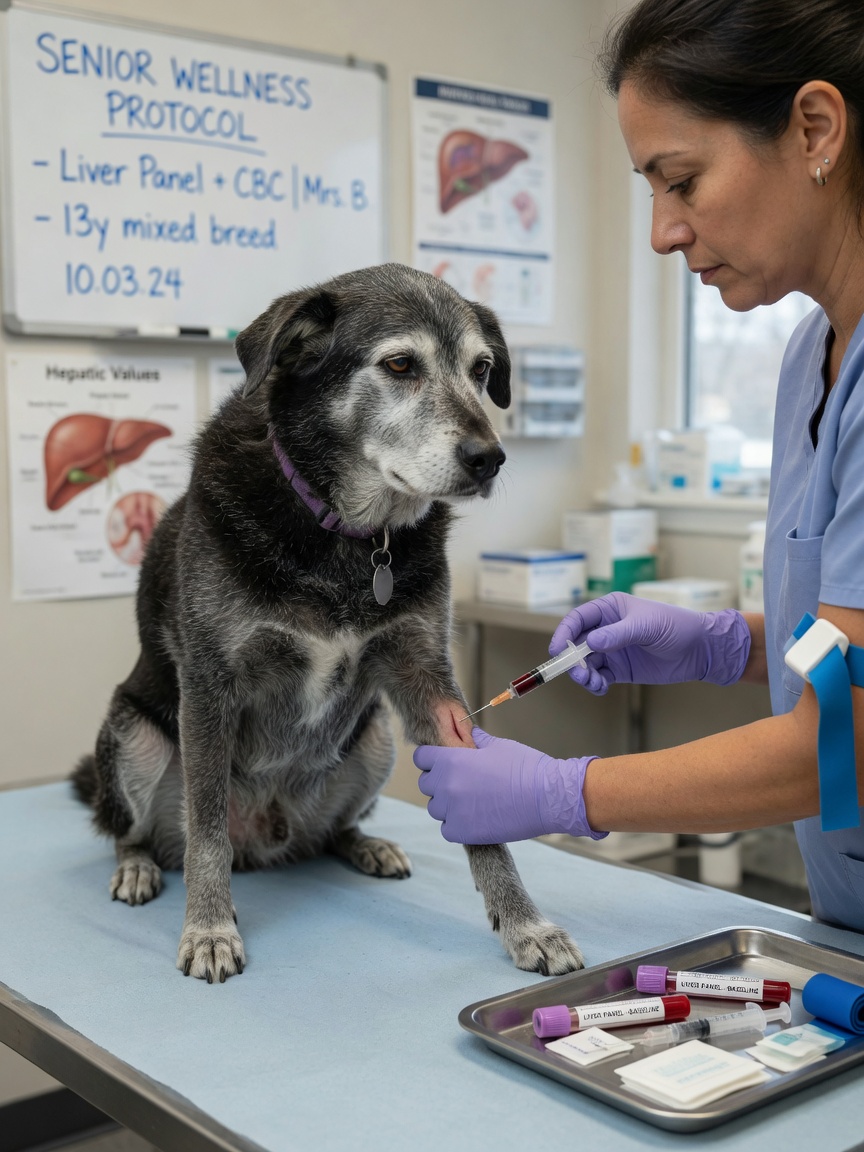
The ALP elevation noted in the Gamble et al. 2018 study is worth taking seriously even though it was mild and reversible. ALP is a non-specific liver enzyme that can rise in response to many compounds metabolized by the liver. CBD is processed by the cytochrome P450 system — the same enzyme family responsible for metabolizing many common pet medications, including phenobarbital, NSAIDs, and antibiotics.
If your dog takes any of these medications, CBD can slow their clearance and elevate their blood levels, potentially causing drug toxicity even at previously safe doses. VCA Hospitals recommends a baseline liver panel and a follow-up check at 30 days for any pet starting CBD supplementation. This is especially critical in senior dogs and cats whose hepatic reserve may already be reduced.
Product Quality Issues: When the Problem Isn't CBD
A significant source of adverse reactions attributed to CBD is not CBD itself but contaminants or mislabeled products. Third-party testing failures have revealed products with THC levels far exceeding label claims — and THC is far more problematic for pets than CBD. THC toxicity in dogs and cats produces ataxia, urinary incontinence, hypothermia, tremors, and in severe cases, coma.
Additional contaminants found in low-quality CBD products include heavy metals, pesticide residues, and microbial contamination. The American Kennel Club and Cornell University veterinary experts both emphasize that a Certificate of Analysis (COA) from an independent laboratory is a non-negotiable requirement for any CBD product given to a pet. If a brand cannot provide a COA — or if the COA is issued by a lab associated with the manufacturer — that is a significant quality red flag.
When to Stop CBD and Contact Your Vet
Stop CBD and seek veterinary guidance if you observe any of the following:
- Marked sedation or inability to stand steadily
- Persistent vomiting or diarrhea lasting more than 24 hours
- Urinary incontinence
- Tremors or muscle twitching
- Significant changes in heart rate or breathing
- Yellowing of the whites of the eyes or gums (jaundice — a liver warning sign)
- Complete appetite refusal lasting more than 48 hours
- Any behavioral change that concerns you, even if mild
For mild side effects like loose stools or mild drowsiness, a dose reduction of 25–50% is usually the appropriate first step before discontinuing entirely.
Key Takeaways
- Clinical studies show CBD is well tolerated in pets at evidence-based doses, with mostly mild, reversible side effects.
- The most common side effects are sedation, loose stools, and increased water drinking — all dose-dependent.
- CBD can elevate liver enzymes; request a baseline and 30-day liver panel from your vet.
- CBD interacts with cytochrome P450 enzymes — drug interactions with existing medications are a real risk.
- Many adverse events trace back to contaminated or mislabeled products, not CBD itself — always demand a COA.
- Stop CBD and contact your vet if you observe tremors, jaundice, urinary incontinence, or persistent vomiting.
Article by Julia Wrenfield, Pet Wellness Researcher. For educational purposes only — not a substitute for professional veterinary advice.
Julia's Recommended Brand: Candid Tails
For CBD pet supplements in Europe, Candid Tails meets the standards I look for:
- Every batch independently lab-tested — THC <0.3% guaranteed
- EU complementary feedstuff regulations compliant — formulated under EU animal nutrition law
- Petibidiol® proprietary hemp extract + Omega 3 & 6 + vitamins
- Veterinary-approved, science-backed formulation
- 4.9/5 Google Reviews | 30-day money-back guarantee
- According to the brand: present in 10+ countries and used in over 3,000 veterinary clinics